Artwork
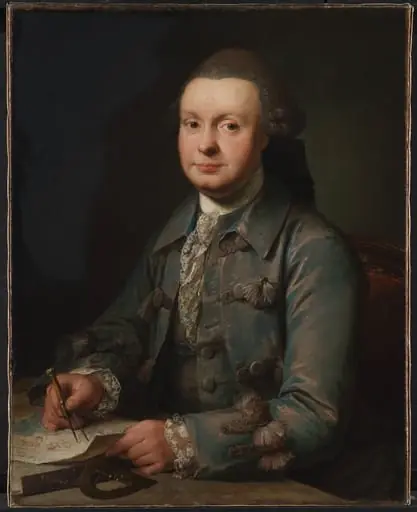
Porträtt av man med blå kavaj
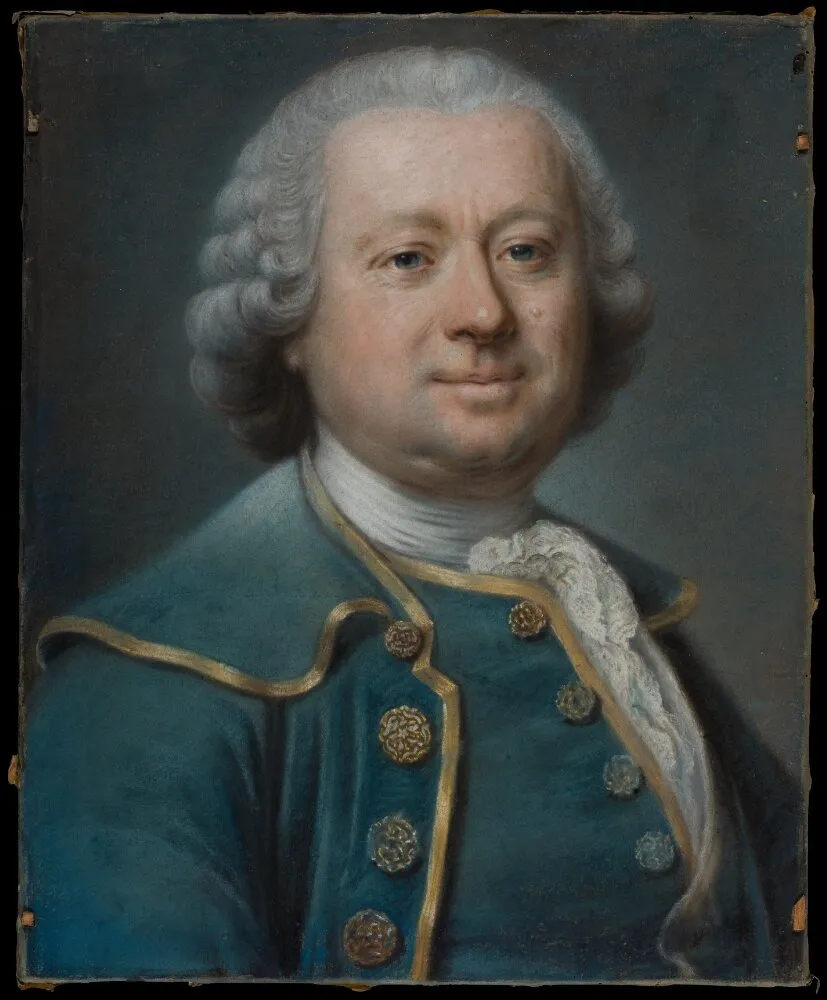
Porträtt av man med blå kavaj is an unspecified painting by the Rococo painting artist Jean Valade. It dates from 1767 and is held in the collection of the Nationalmuseum.
About this work
If you're interested in learning more about the artist behind this work, you might want to explore the art of Jean Valade.
This painting is a portrait of a man with a powdered wig, dressed in a blue coat adorned with gold trim and buttons. He wears a white cravat and has a serious expression.
The man's attire suggests he may have been a member of the upper class or nobility during the 18th century. The artist's use of color and detail adds depth to the portrait.
If you're interested in learning more about the artist behind this work, you might want to explore the art of Jean Valade.
Overview
Painted in 1767 by the French artist Jean Valade, this portrait depicts a man in a blue jacket with gold embellishments, wearing a powdered wig and white cravat. Executed in pastel, the work reflects Valade’s specialization in portraiture during the Rococo era. It is part of the Nationalmuseum’s collection in Stockholm, representing the refined aesthetic of 18th-century elite portraiture in Northern Europe.
Subject & Meaning
The subject is a man of apparent social standing, identified by his tailored blue coat, ornate gold buttons, and powdered wig—symbols of aristocratic fashion in mid-18th-century Europe. His composed, serious expression conveys dignity rather than frivolity, distinguishing this portrait from more playful Rococo works. The attire suggests membership in the upper class, though his identity remains unconfirmed in surviving records.
Technique & Style
Valade used pastel on paper to achieve subtle gradations of color and texture, particularly in the fabric of the coat and the softness of the wig. The precision in rendering the gold trim and the crispness of the cravat demonstrate his mastery of the medium. Unlike oil paintings of the time, pastel allowed for a delicate, luminous finish that emphasized surface detail without heavy brushwork.
History & Provenance
The portrait entered the Nationalmuseum’s collection in Sweden, though its exact path from France to Stockholm is undocumented. Valade, primarily active in Paris, rarely worked outside France, suggesting the sitter or the painting may have traveled through diplomatic or aristocratic networks. No inscriptions or signatures on the work provide definitive evidence of its early ownership.
Context
Created during the height of Rococo, the portrait aligns with a period when portraiture emphasized personal identity and social status over grand narratives. While French Rococo often favored elegance and playfulness, this work’s restrained demeanor reflects a shift toward more solemn, neoclassical sensibilities emerging in the late 1760s. The choice of pastel, a medium favored for intimate portraits, underscores its private, personal function.
Legacy
Jean Valade’s body of work remains relatively obscure compared to his contemporaries, and this portrait is among the few securely attributed to him. Its preservation in a major public collection ensures continued study of pastel portraiture outside the Italian and British traditions. The painting contributes to understanding how French artists adapted Rococo techniques for dignified, upper-class representation in Northern Europe.
Artist & collection
Artist
Jean Valade (baptized 27 November 1710 – 12 December 1787) was a French painter and pastel artist of the Rococo movement, specializing in portraiture.

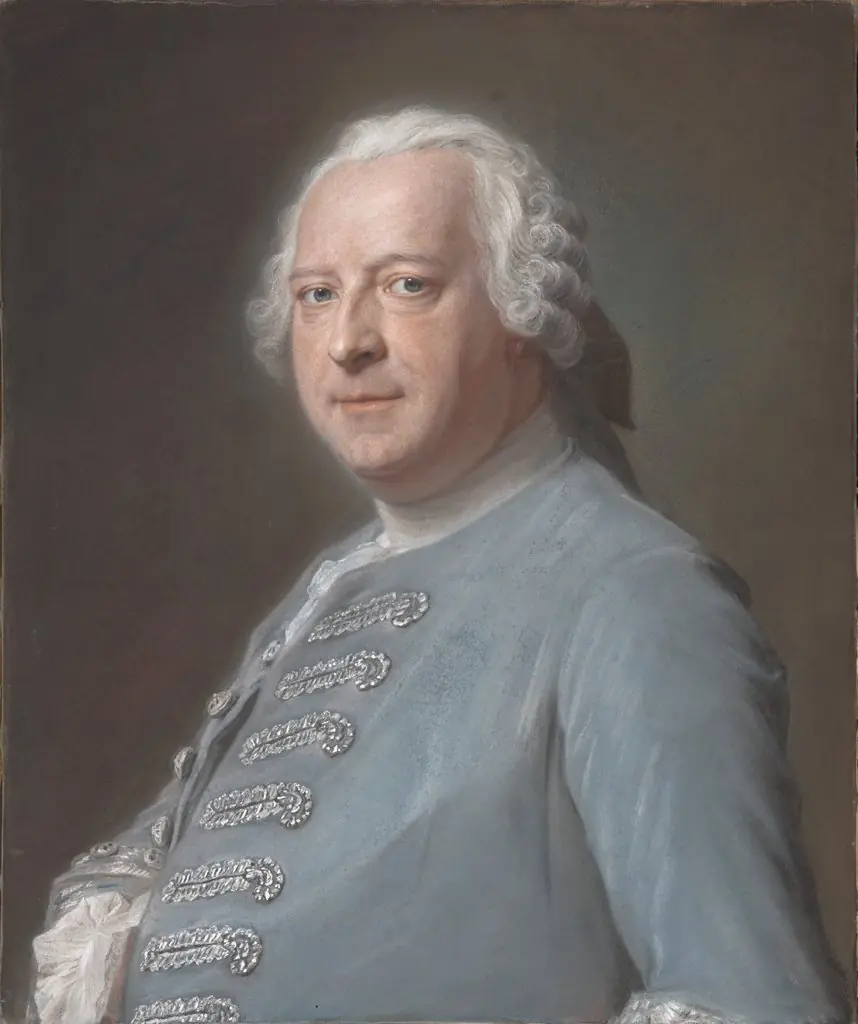 Jean Charles Garnier d'Isle (1697–1755)
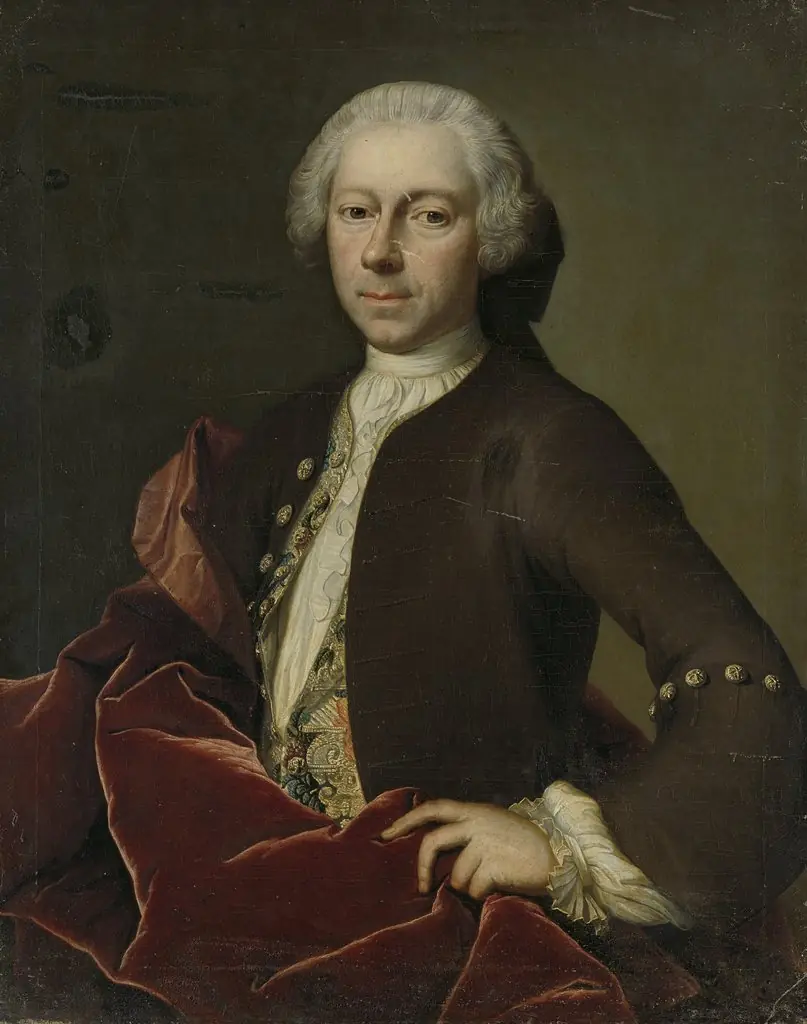 Portrait of Pieter Parker, Alderman, Burgomaster and Councilor of Goes
 Portrait of Pieter Parker, Alderman, Burgomaster and Councilor of Goes
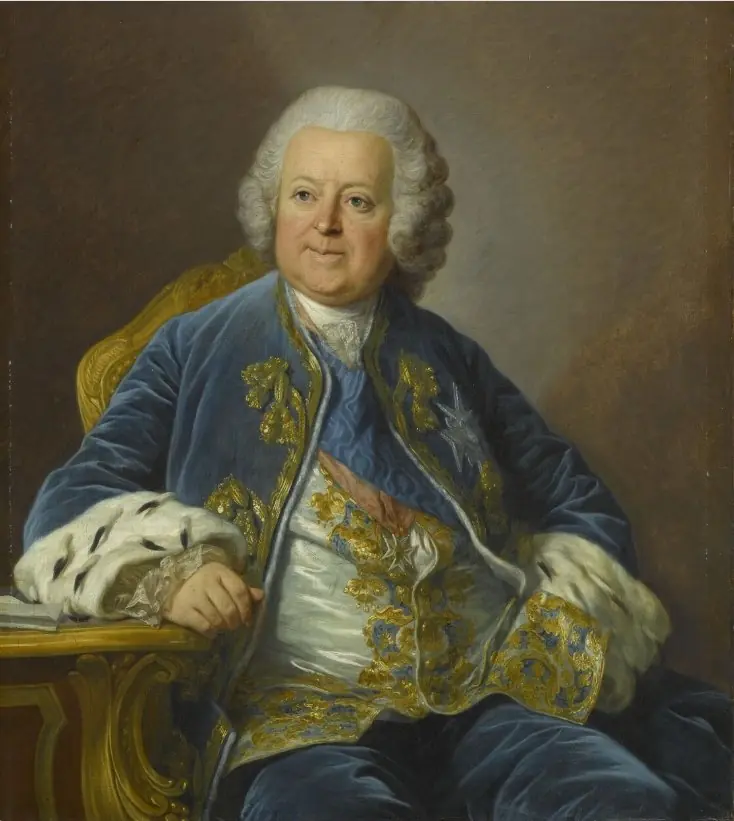 Portrait de Louis Phélypeaux de Saint-Florentin (1705-1777), comte de Saint Florentin, Duc de La Vrillière, ministre et secrétaire d'Etat
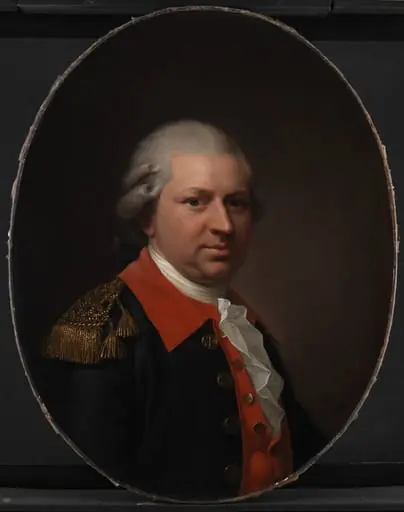 Kommandørkaptajn Henrik Gerner
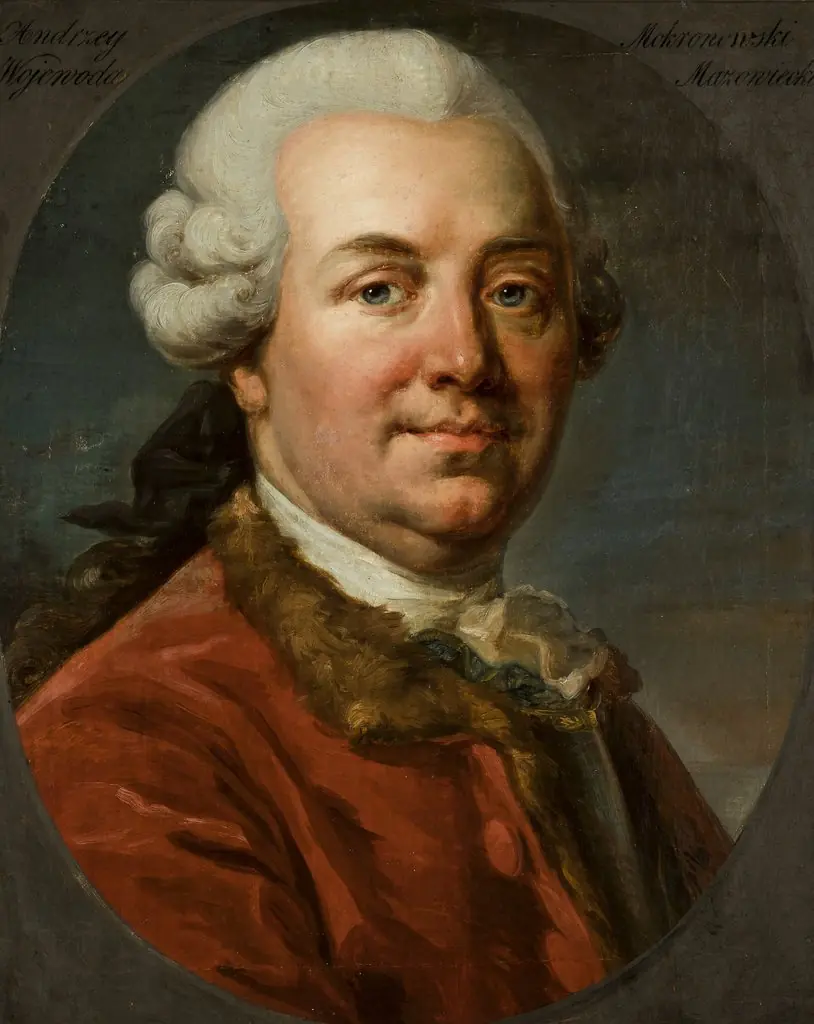 Portrait of Andrzej Mokronowski
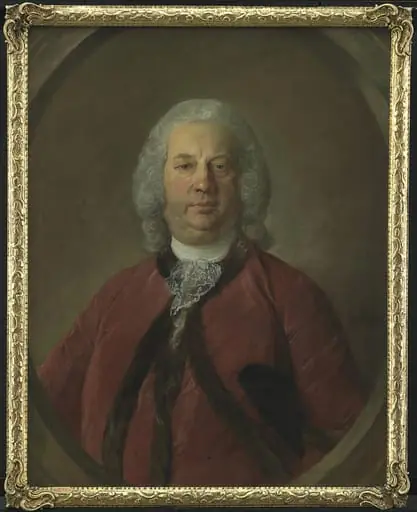 Portrait of Frederik Hansen de Liliendal, Danish Consul at Bordeaux
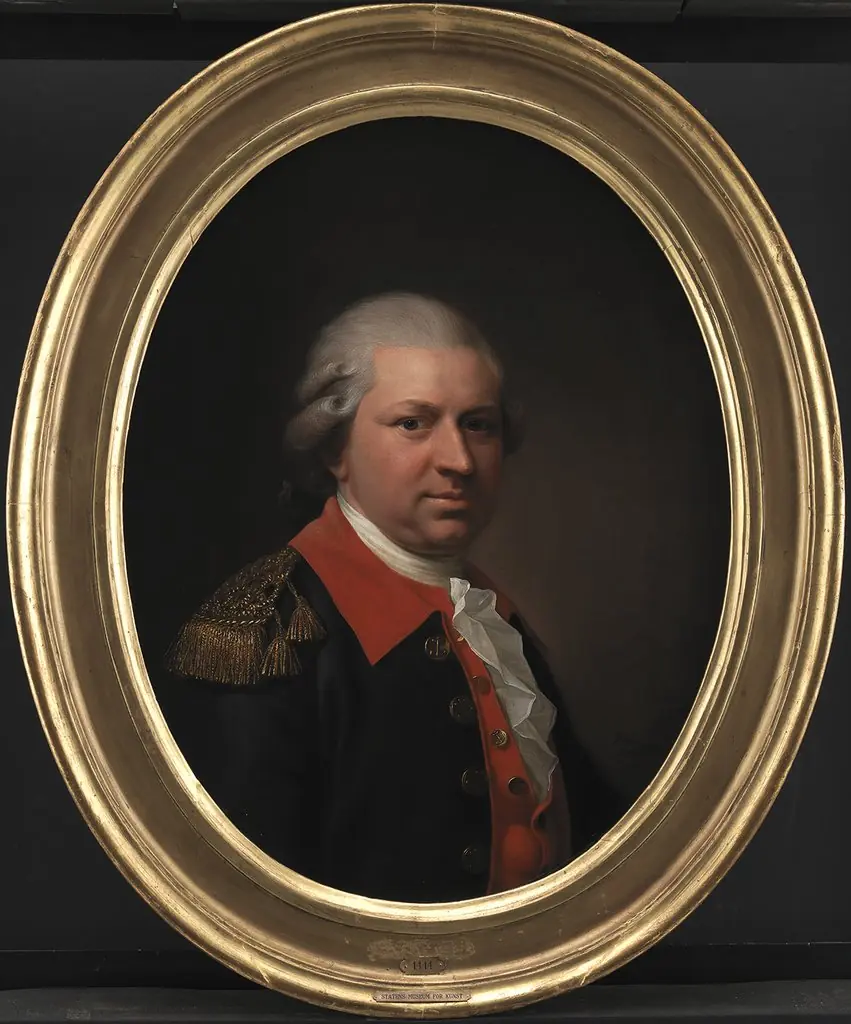 Kommandørkaptajn Henrik Gerner
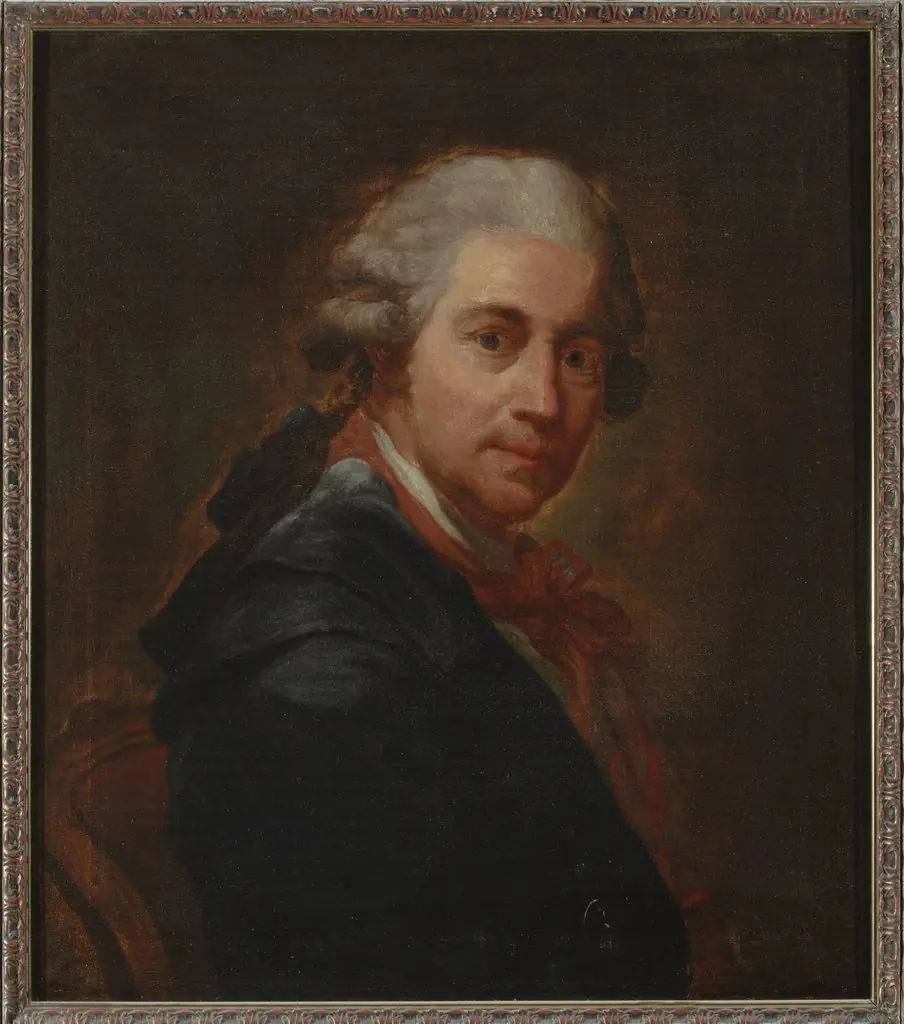 Self-portrait of Bacciarelli in a redingote
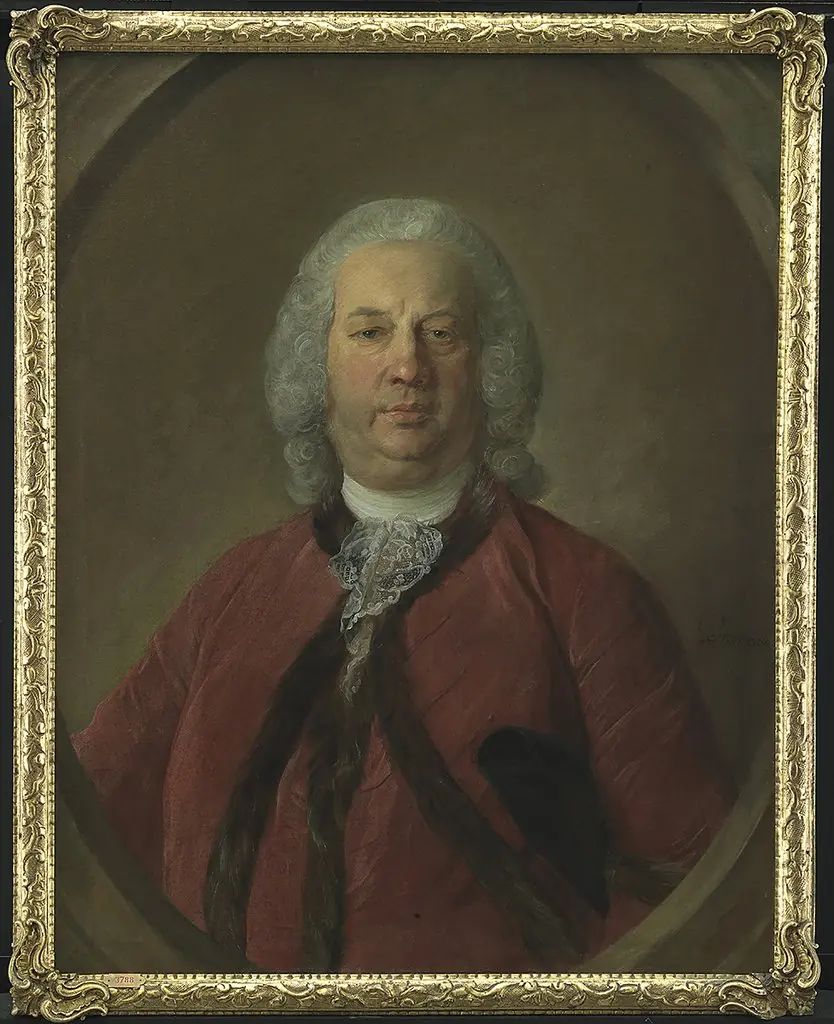 Portrait of Frederik Hansen de Liliendal, Danish Consul at Bordeaux
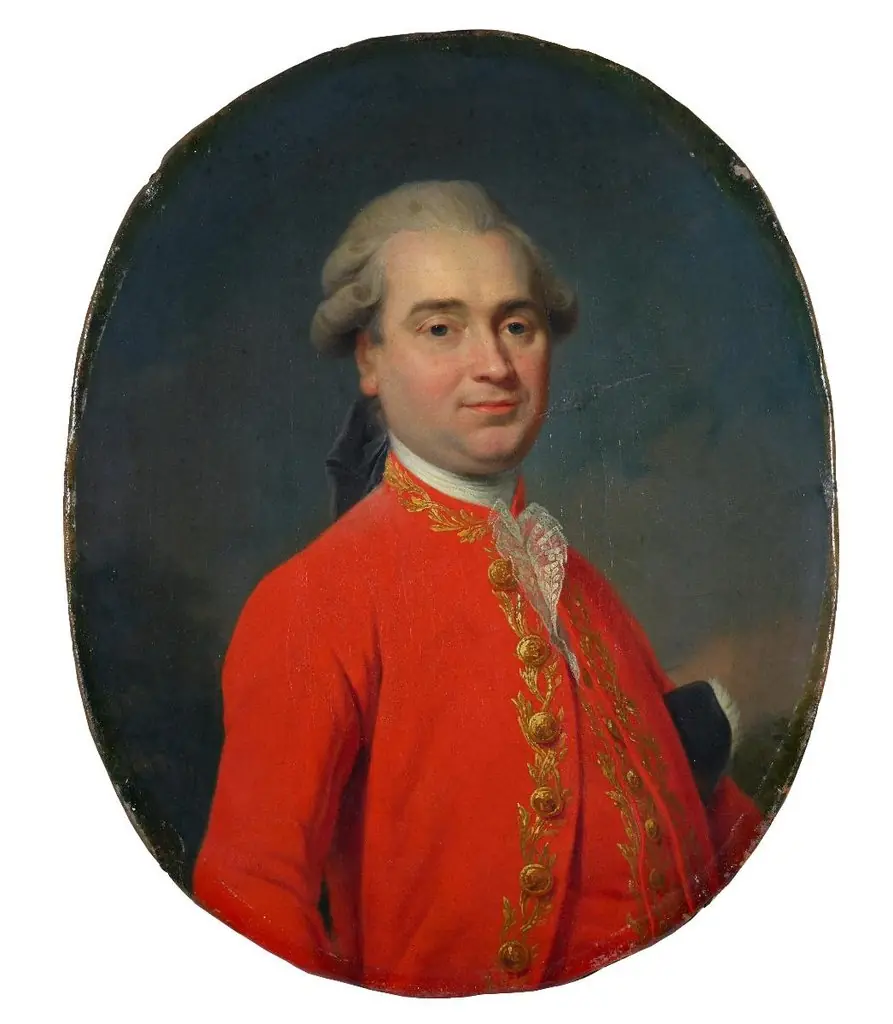 Bildnis eines Herrn im roten Kleid
 Peder Rahr, købmand i Ribe