Artwork
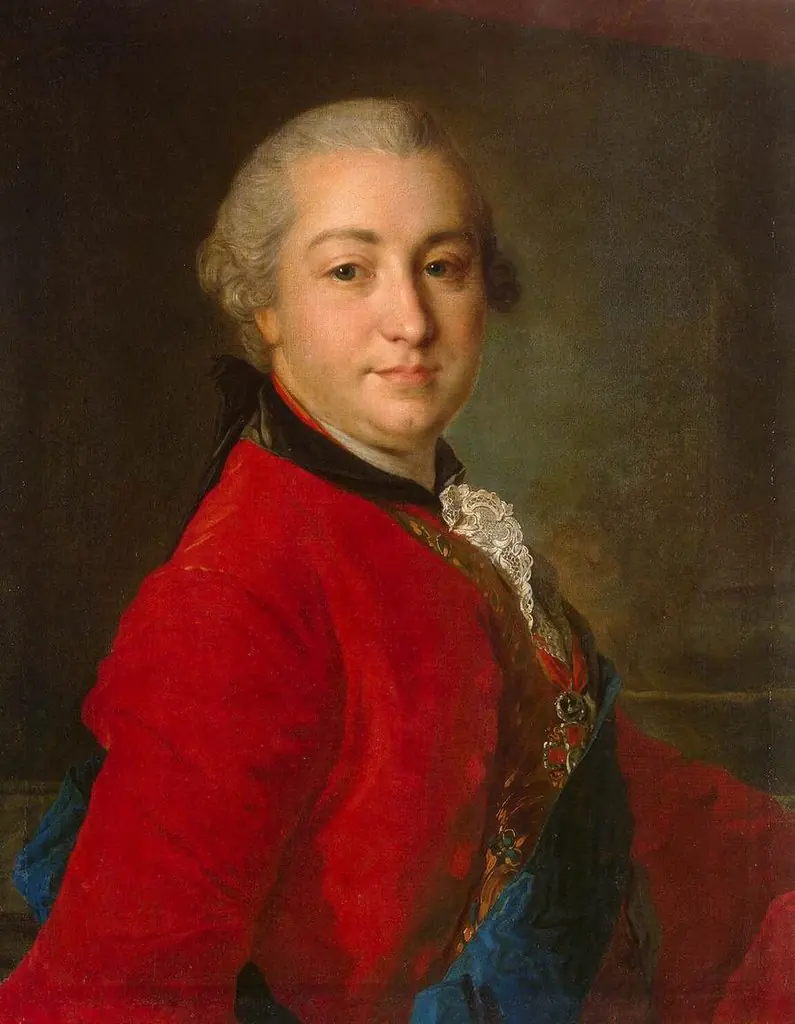
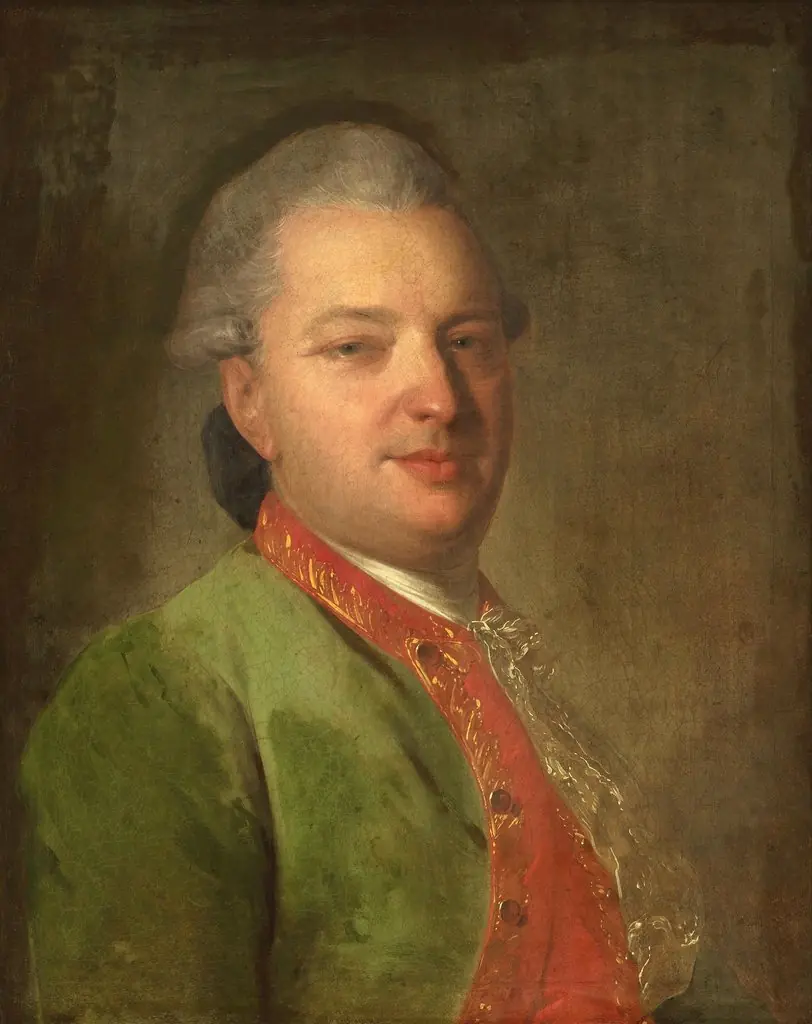
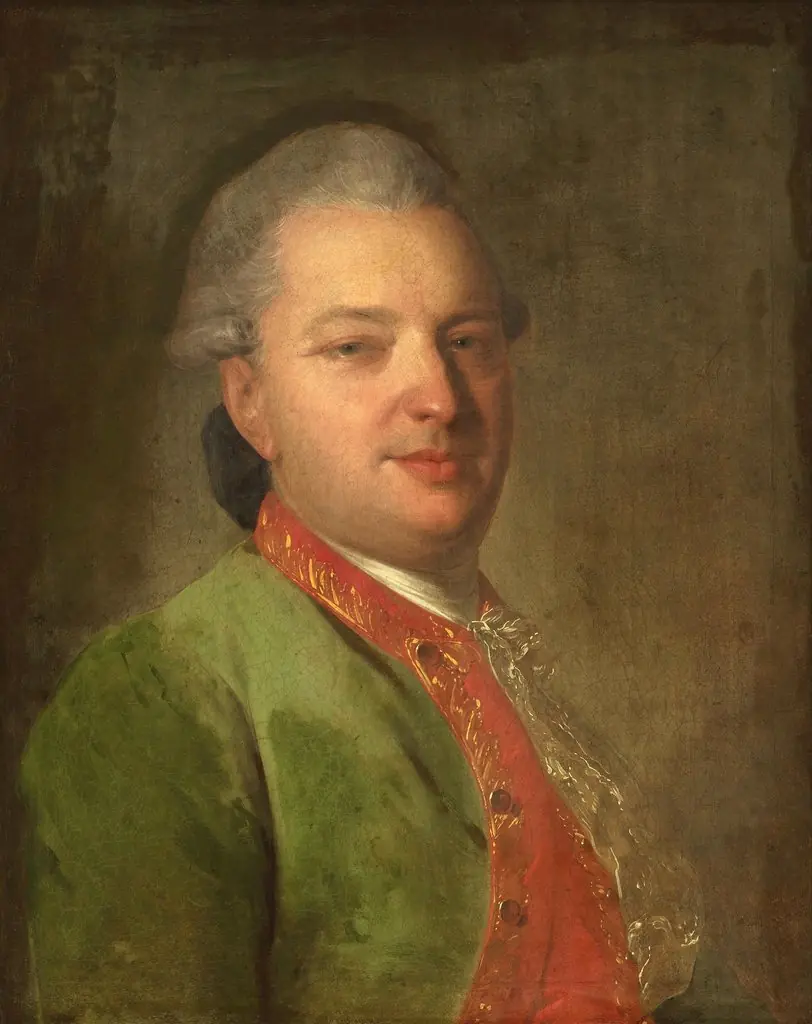
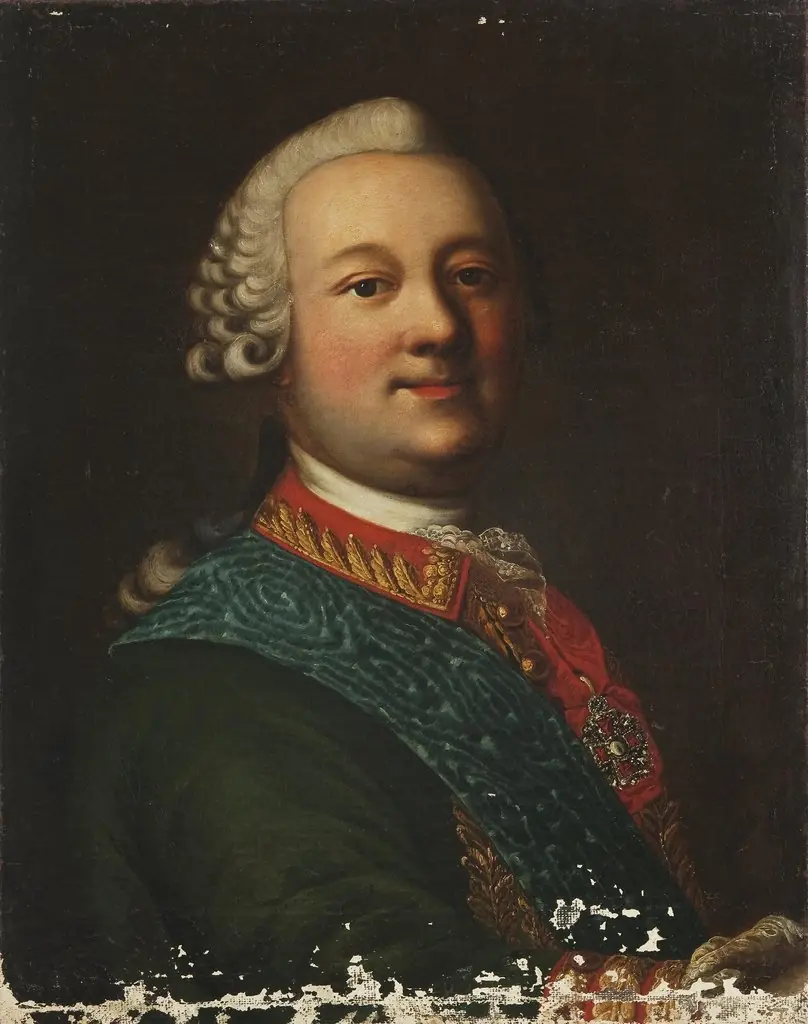
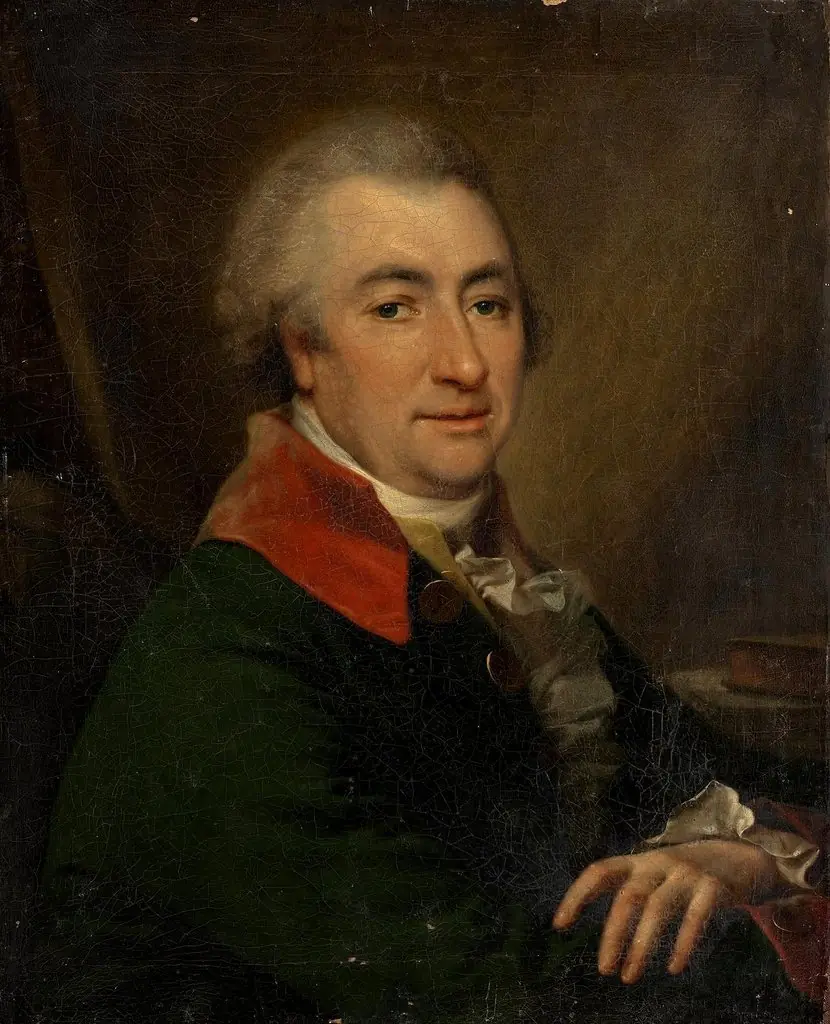
Portrait of Count Ivan G. Orlov
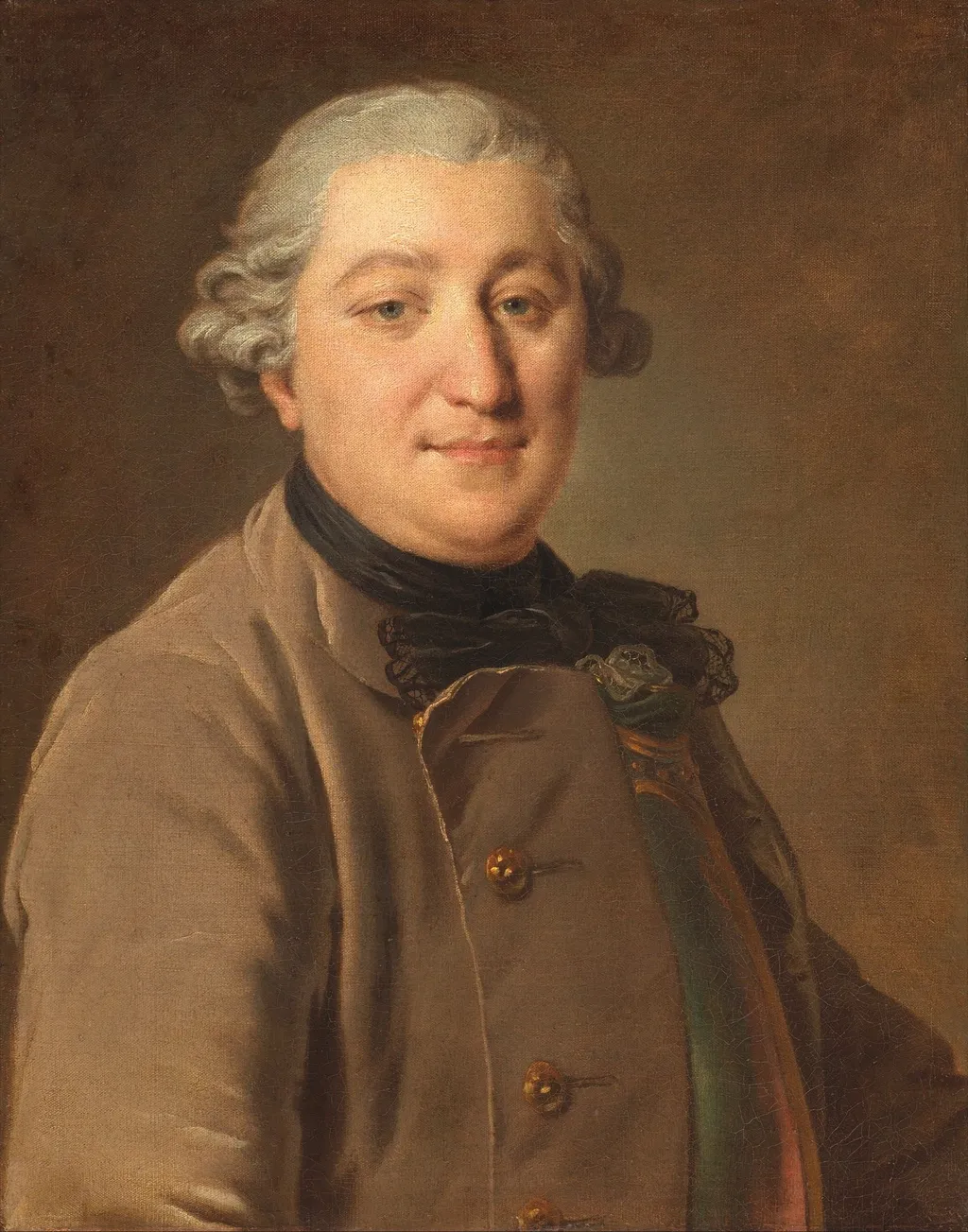
Portrait of Count Ivan G. Orlov is an oil painting by the Rococo painting artist Fyodor Rokotov. It dates from 1762 and is held in the collection of the Tretyakov Gallery.
About this work
Overview
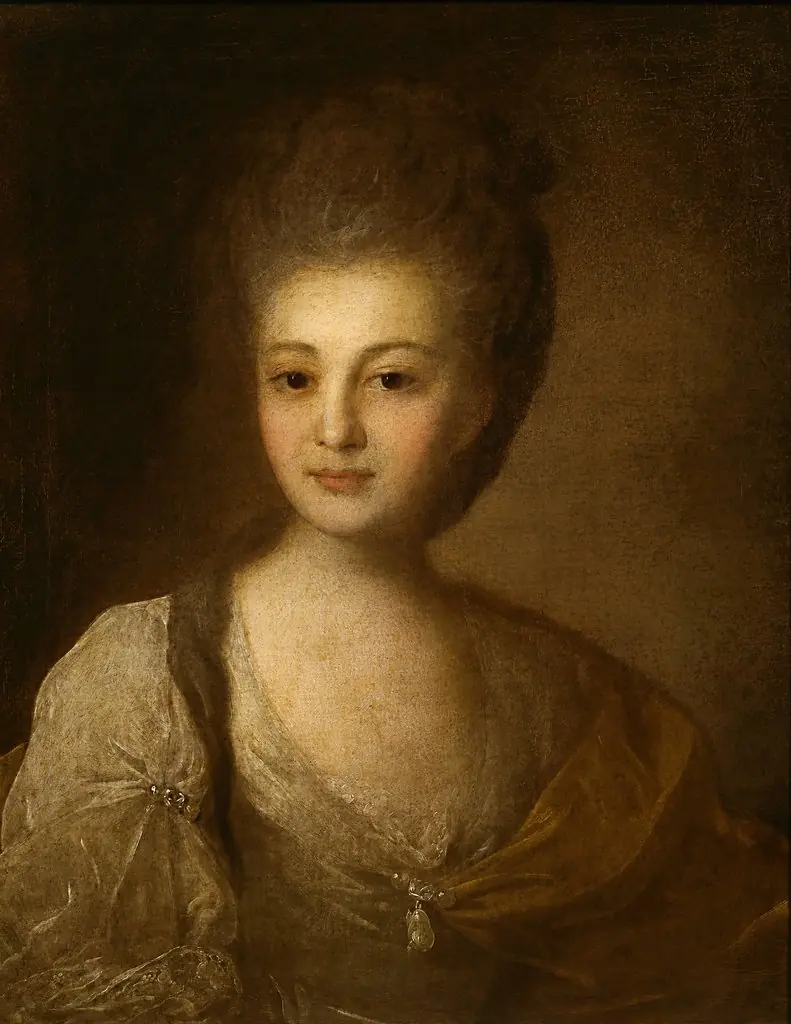
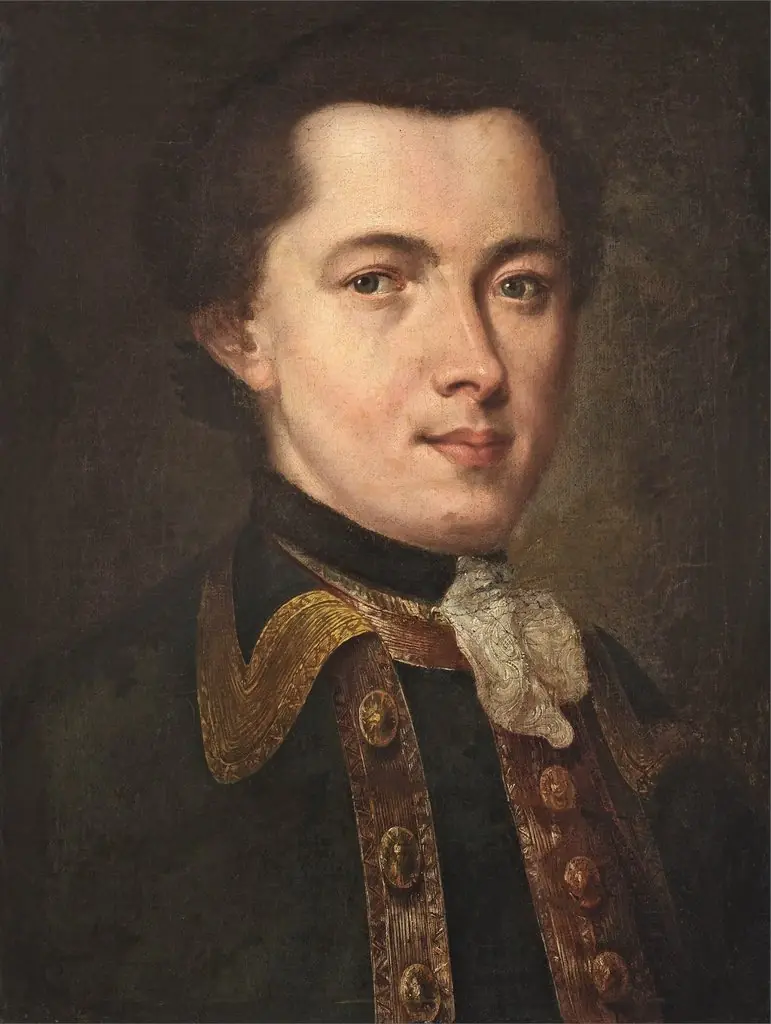
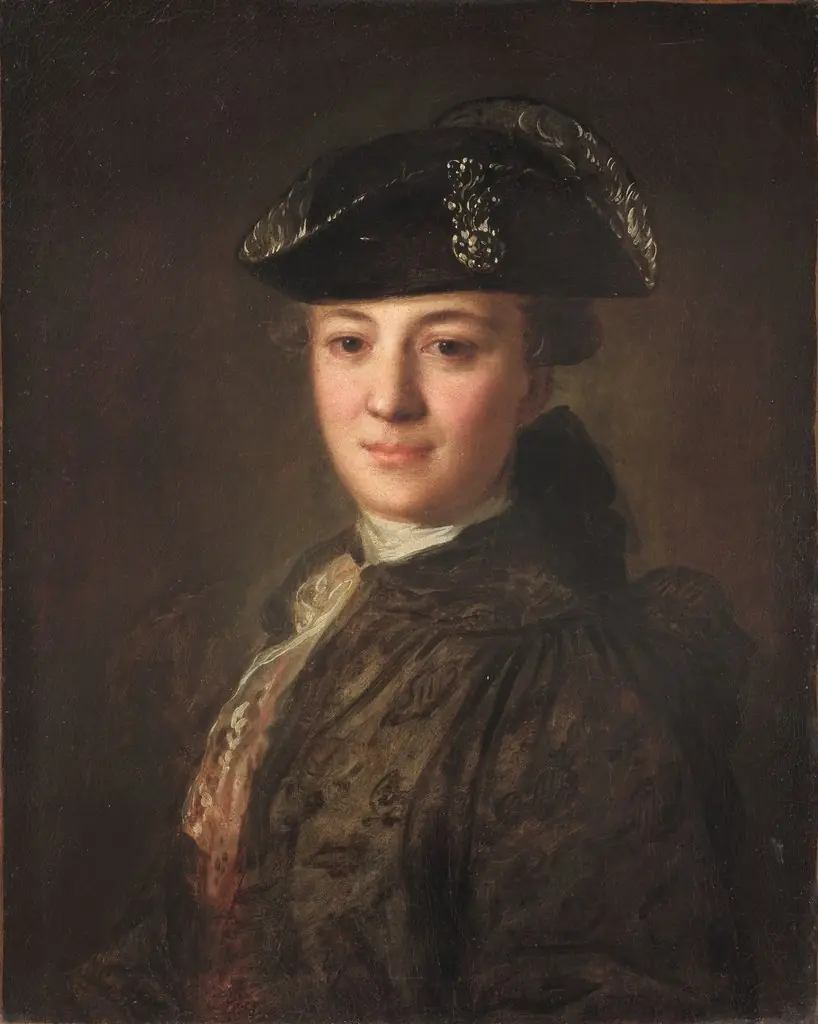
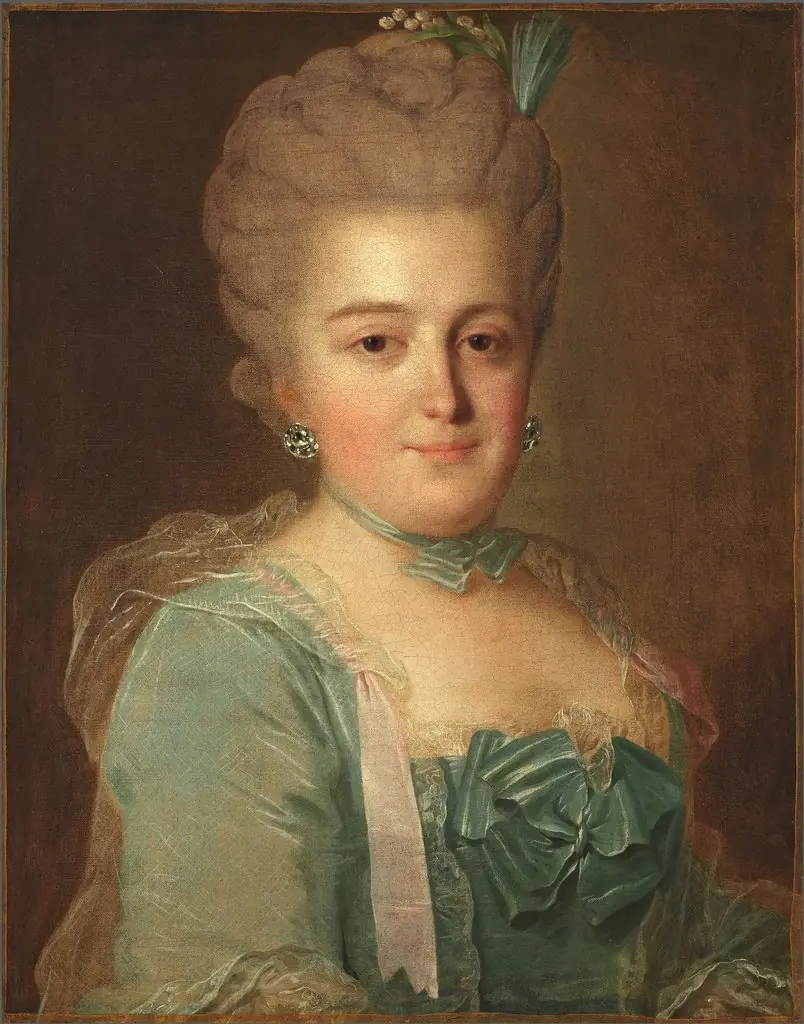
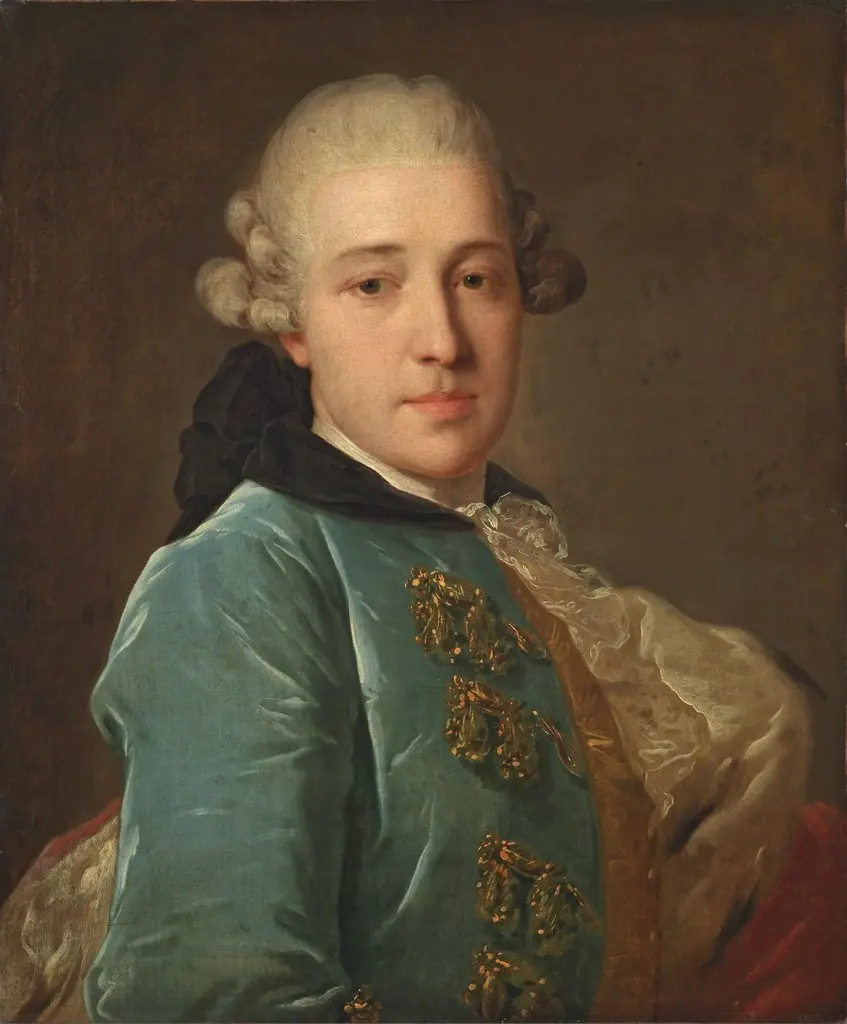
Painted in 1762, this oil portrait by Fyodor Rokotov captures Count Ivan G. Orlov, a Russian nobleman, with quiet authority. Rokotov, who had recently gained his freedom from serfdom, was developing a distinctive style that blended elegance with psychological depth. The work reflects his rising reputation in Moscow’s artistic circles, preceding his formal recognition as an Academician in 1765.
Subject & Meaning
Count Orlov is portrayed not as a ceremonial figure but as a man of substance, his gaze steady and unflinching.
Count Orlov is portrayed not as a ceremonial figure but as a man of substance, his gaze steady and unflinching. His attire—brown jacket with gold buttons and a black cravat—signals status without ostentation. The absence of symbolic props or grand setting shifts focus to his presence, suggesting a new emphasis on individual character over inherited rank, aligning with emerging Enlightenment ideals in Russian elite culture.
Technique & Style
Rokotov employed subtle chiaroscuro to model the count’s face and hands, lending volume and realism. The warm, dark background isolates the figure, enhancing the tactile quality of fabric and skin. Brushwork is refined yet unobtrusive, avoiding the ornamental excesses of high Rococo. Color transitions are soft, particularly in the gray hair and cravat, creating a restrained harmony that underscores the subject’s composure.
History & Provenance
Commissioned shortly after Rokotov’s emancipation, the portrait marked his transition from artisan to respected portraitist. It remained in the Orlov family until entering the Tretyakov Gallery’s collection in the late 19th century. The painting’s preservation reflects its early recognition as a significant example of Russian portraiture, valued for its technical maturity and psychological nuance.
Context
In 1760s Russia, portraiture was becoming a vehicle for expressing personal identity among the nobility. Rokotov’s work emerged alongside a cultural shift away from rigid formalism toward introspective representation. His ability to render dignity without grandeur resonated with a generation seeking modernity within tradition, distinguishing him from court painters reliant on foreign models.
Legacy
This portrait helped establish Rokotov as a pivotal figure in Russian art, influencing later generations who prioritized psychological insight over decorative flourish. Its quiet intensity and technical restraint set a precedent for 19th-century Russian realism. Though not widely exhibited abroad, it remains a touchstone in domestic art history for its synthesis of European technique and native sensibility.
Own this work as a print
Artist & collection
Artist
Fyodor Stepanovich Rokotov (Fedor Rokotov) (Russian: Фёдор Степа́нович Ро́котов; 1736 – December 24, 1808) was a Russian painter who specialized in portraits.