Artwork
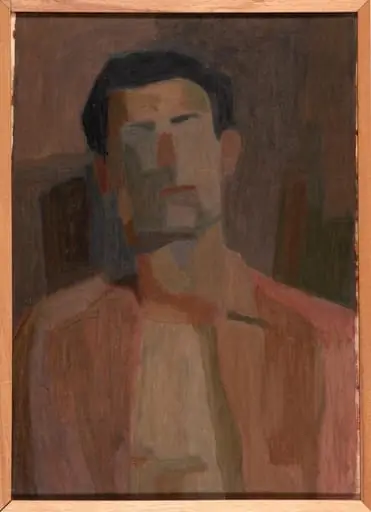
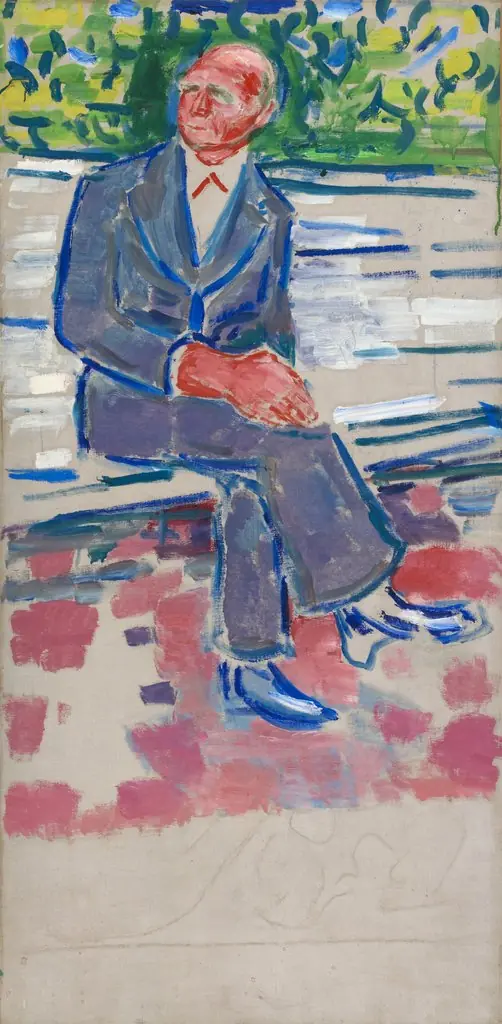
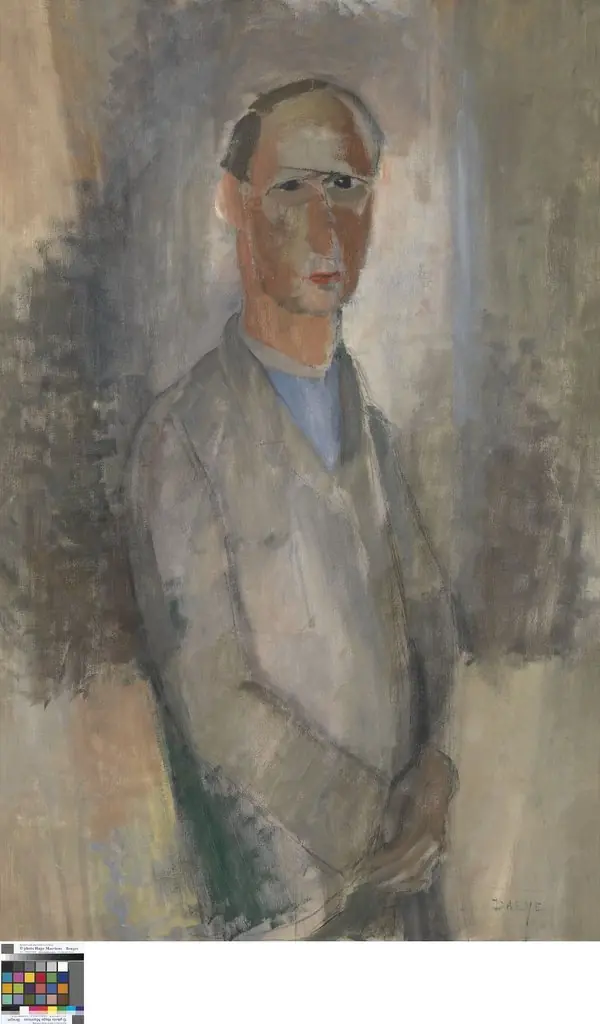
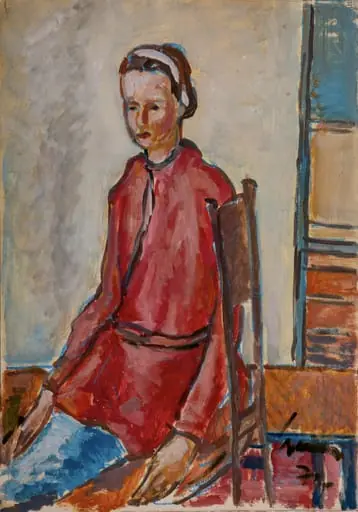
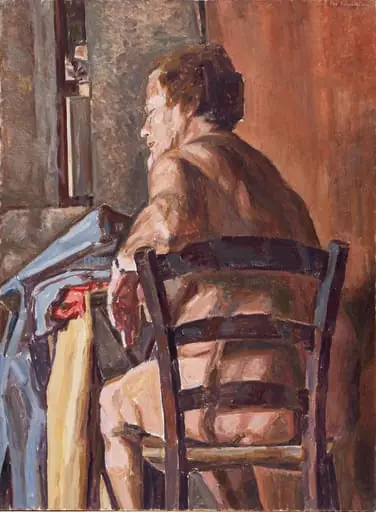
Portrait of a Boy
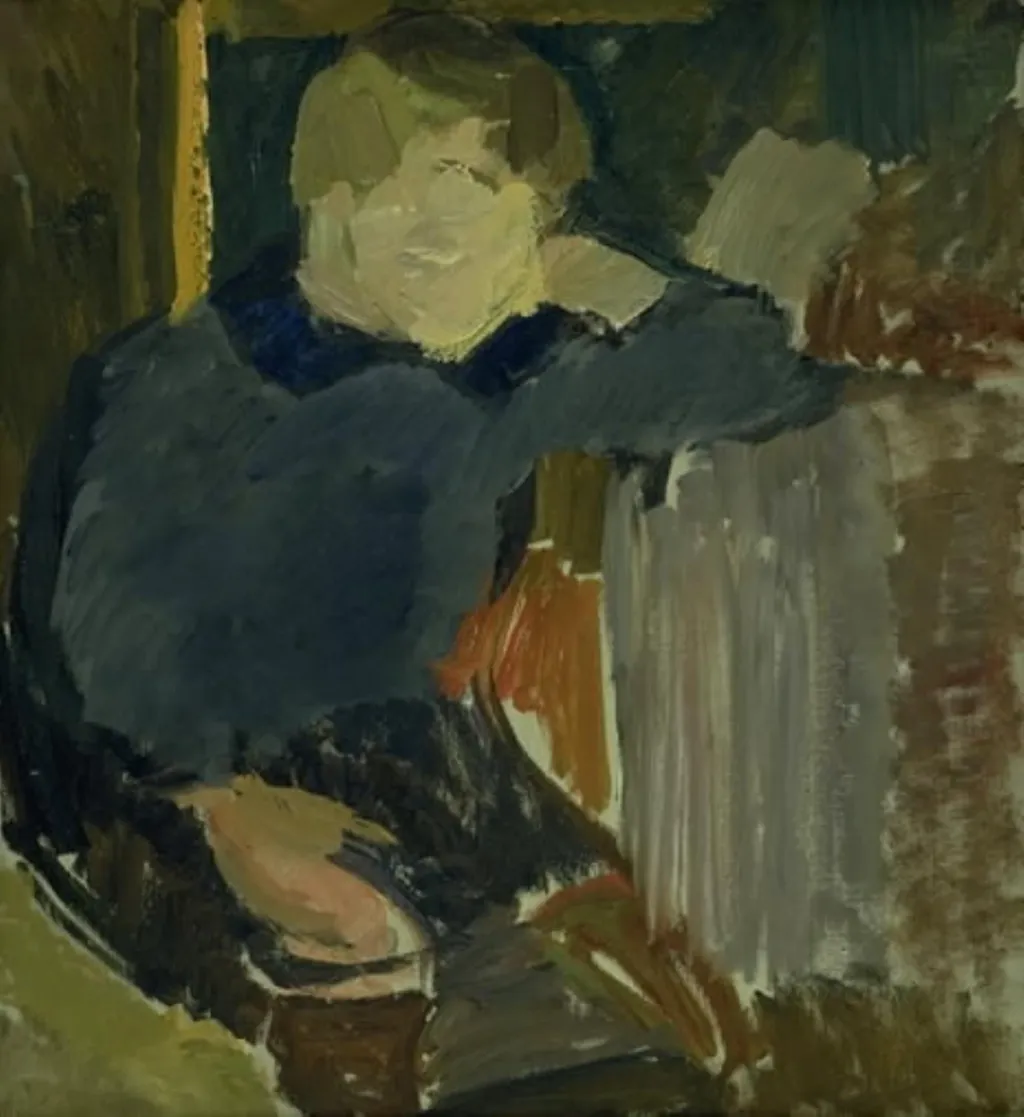
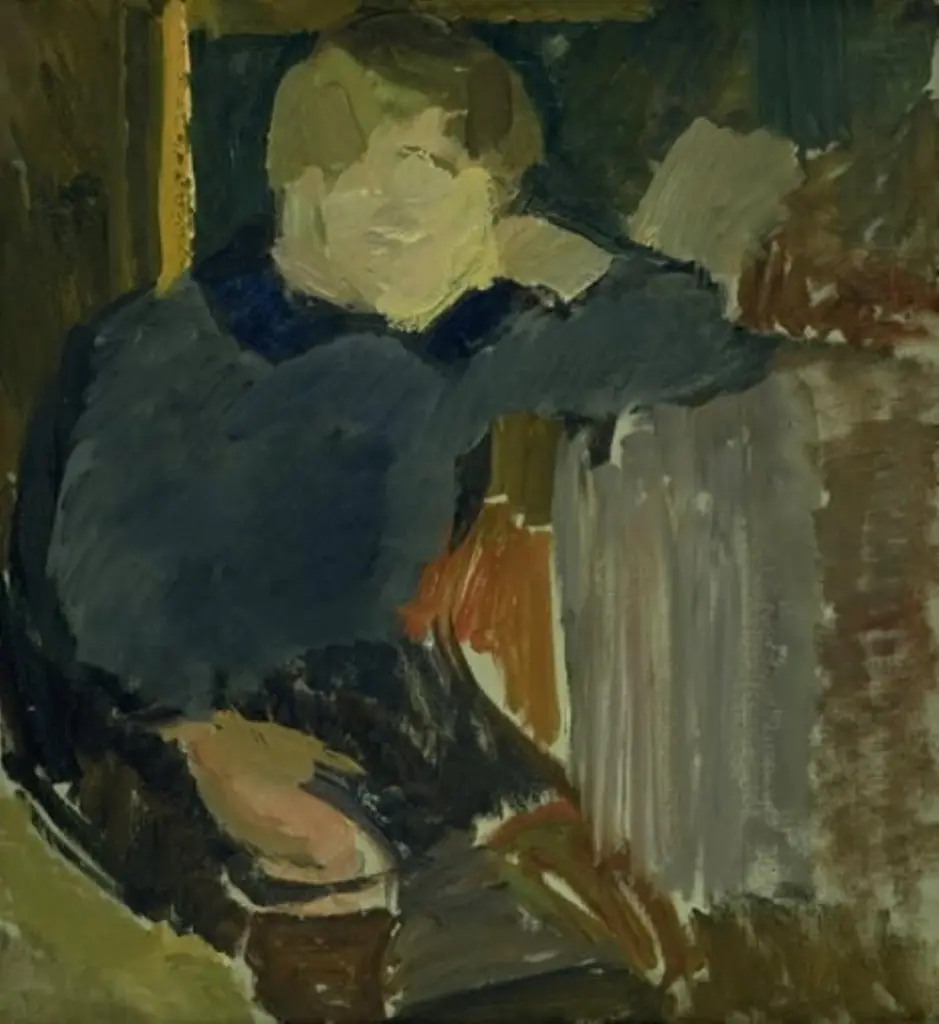
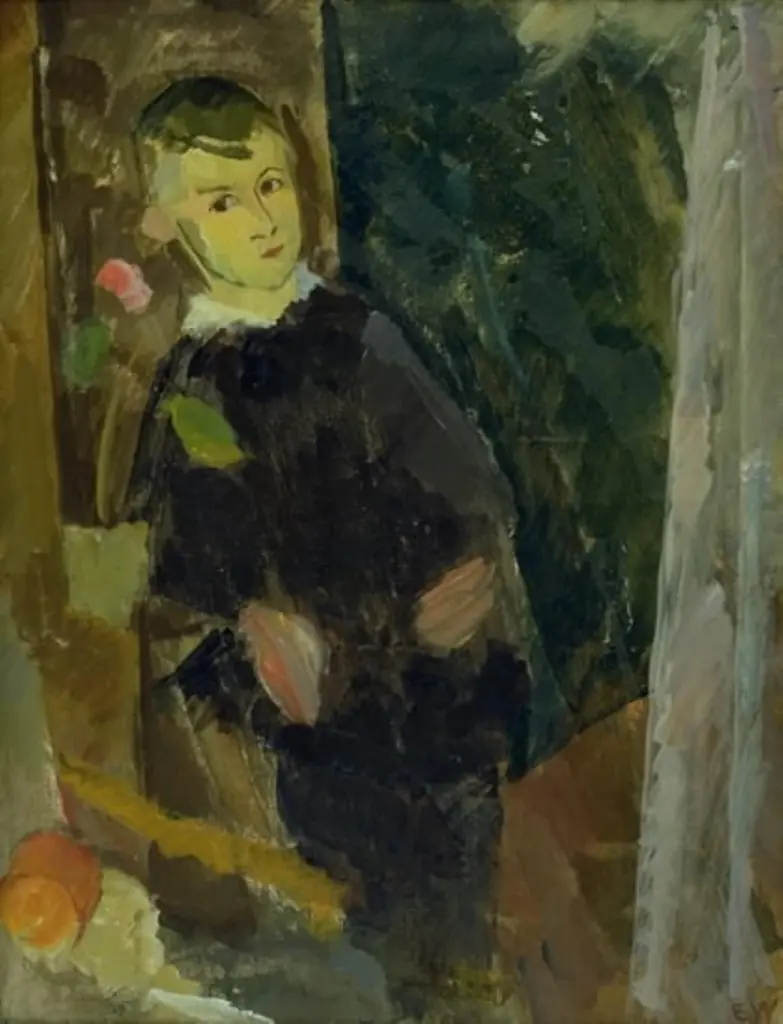
Portrait of a Boy is an unspecified painting by Unknown. It dates from 1923 and is held in the collection of the Statens Museum for Kunst.
About this work
Overview
The work is held in the collection of the Museum of Ethnography and reflects a focus on material texture over individual likeness.
Painted around 1923, this portrait depicts a seated boy in a contemplative pose, rendered with heavy, uneven brushwork and a restrained palette of deep blues and browns. The work is held in the collection of the Museum of Ethnography and reflects a focus on material texture over individual likeness. The boy’s form is simplified, his features softened, suggesting an emphasis on mood and surface rather than psychological depth.
Subject & Meaning
The boy’s relaxed posture—legs crossed, arms resting—suggests stillness, but his face remains indistinct, resisting identification or emotional interpretation. Rather than conveying a specific identity, the painting seems to treat the figure as a vessel for color and texture. The ambiguity of his expression shifts attention from personal narrative to the physical presence of paint itself.
Technique & Style
Thick, irregular brushstrokes create a tactile surface, characteristic of impasto application. The dark tones dominate, punctuated by subtle highlights on fabric, while the blurred facial features reduce detail in favor of atmospheric effect. The technique prioritizes the materiality of paint over precise representation, aligning with early 20th-century experiments in expressive form.
History & Provenance
The painting entered the Museum of Ethnography’s collection in the mid-20th century, though its origins prior to that remain undocumented. No record of the artist’s identity or the subject’s background has been preserved. Its inclusion in an ethnographic context suggests it was acquired as an example of regional or informal portraiture, rather than as a work by a recognized artist.
Context
Created during a period when many artists were moving away from academic realism, this portrait echoes broader trends in modernist painting that valued gesture and material over clarity. While not part of a known movement, its approach parallels contemporaneous efforts to convey emotion through texture and color, particularly in non-traditional or outsider art practices.
Legacy
The work remains a quiet example of early 20th-century experimentation with portraiture’s boundaries. It is not widely cited in art historical literature, but its presence in an ethnographic museum underscores how informal or anonymous works were sometimes collected as cultural artifacts rather than fine art. Its enduring interest lies in its resistance to easy interpretation.
Artist & collection

 Domestic Scene
 Giacomo and Cardinal Marco, investing Andrea, Abbot of San Zeno, with his Benefice
 The Nymph of Fontainebleau
 Portrait of a Woman
 Madonna and Child with Saints in the Enclosed Garden
 Venus and Minerva
 Family Group of Four on Sofa
 Wall painting from Room H of the Villa of P. Fannius Synistor at Boscoreale