Artwork
Portrait of a Boy
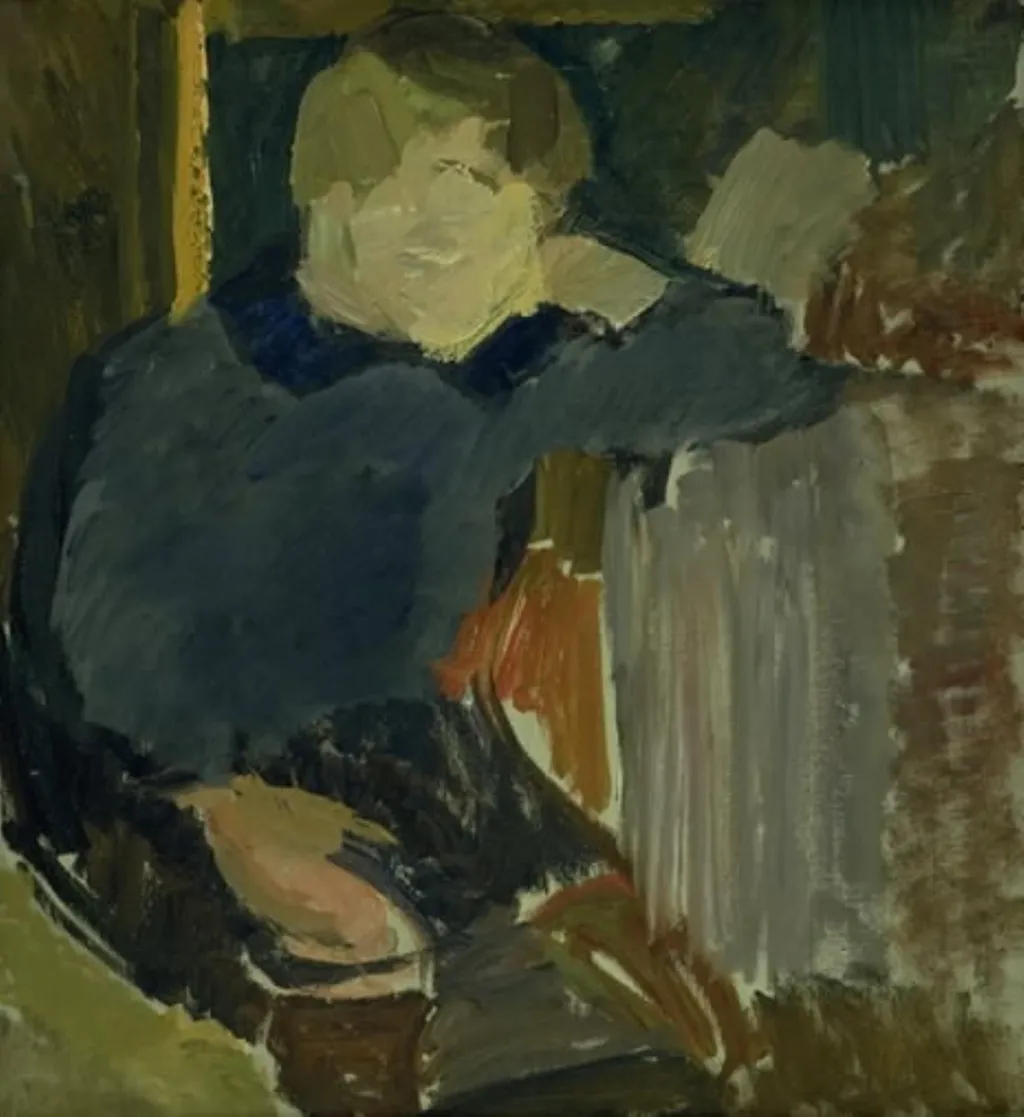
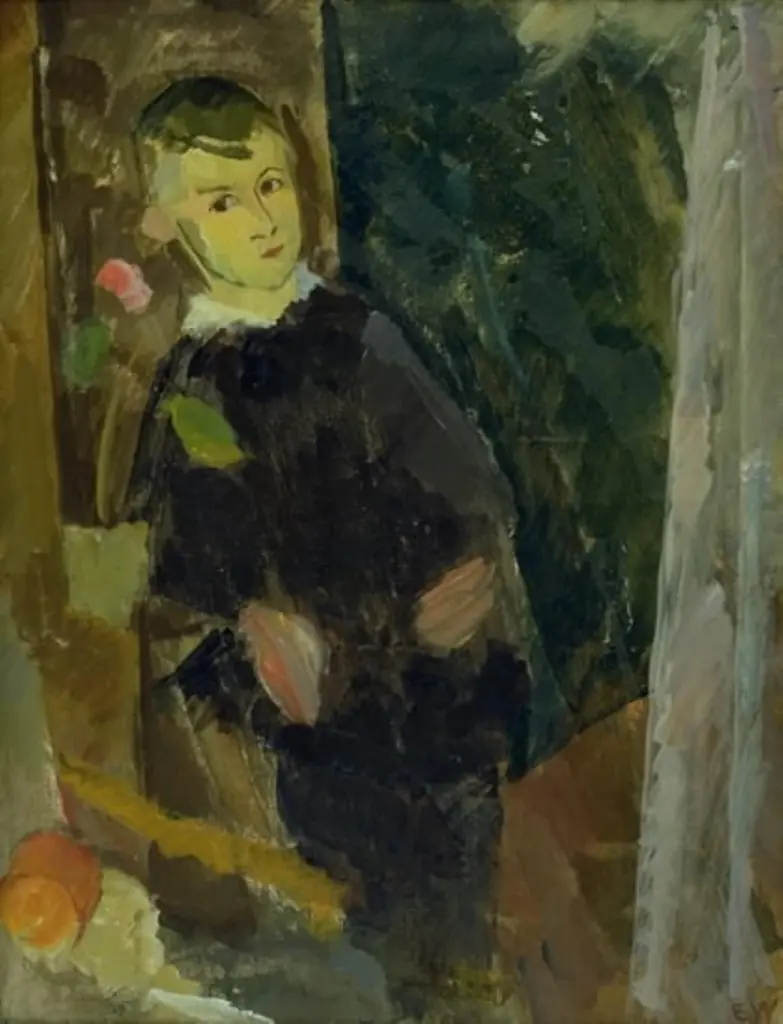
Portrait of a Boy is an oil painting by Edvard Weie. It dates from 1923 and is held in the collection of the Statens Museum for Kunst.
About this work
Overview
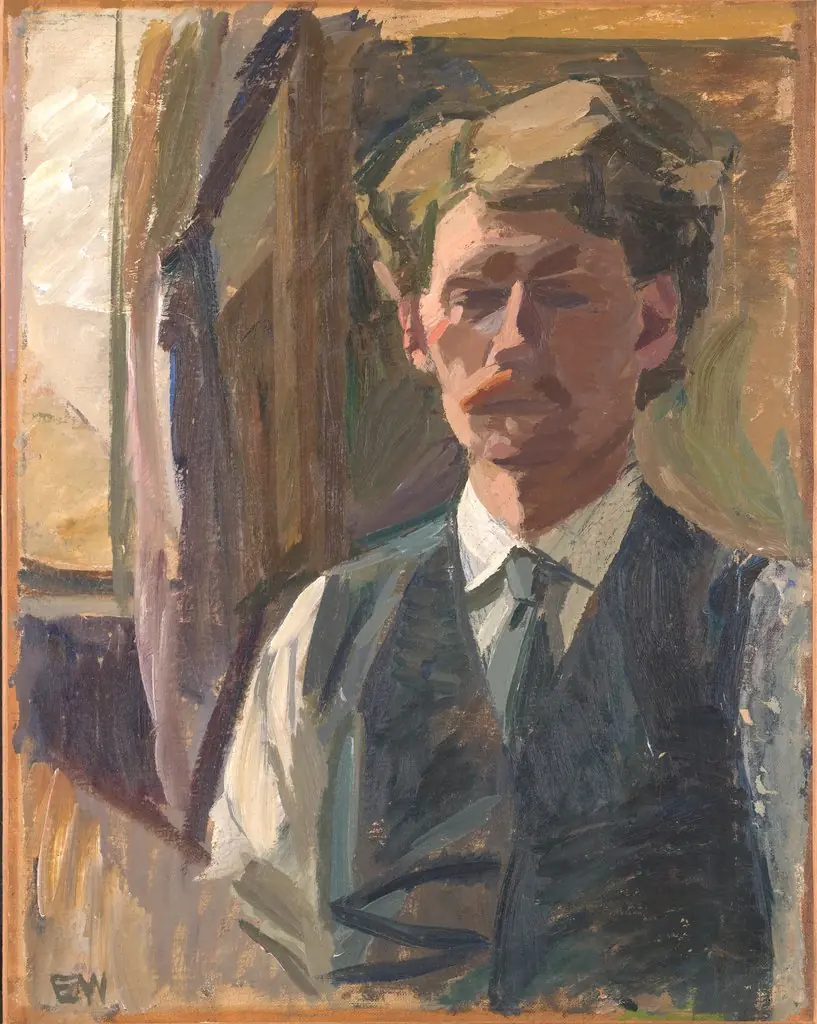
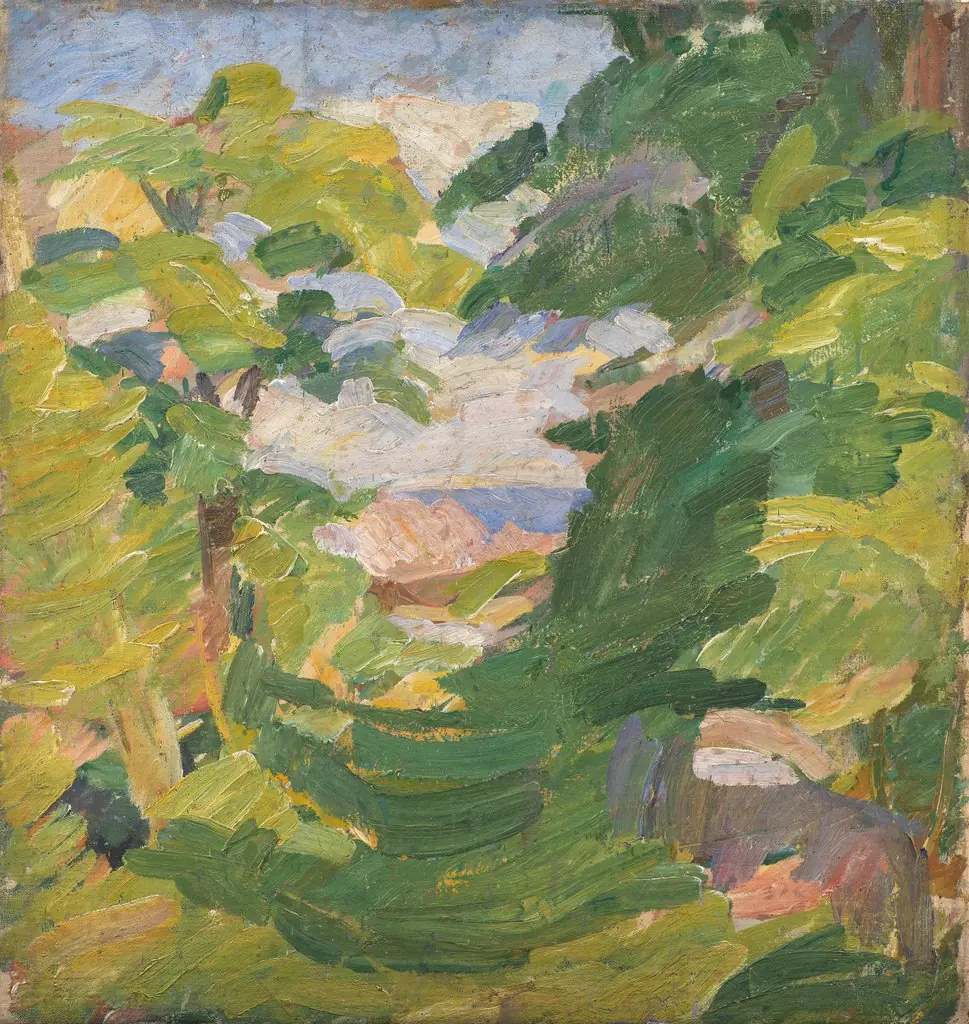
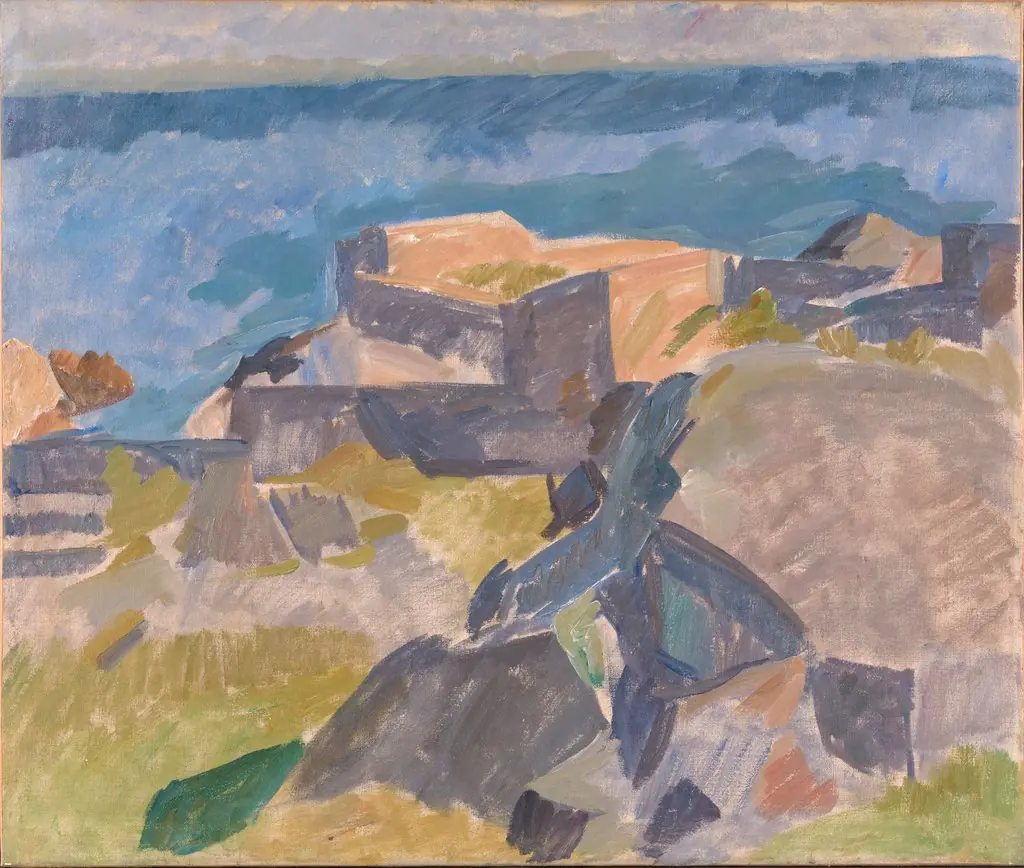
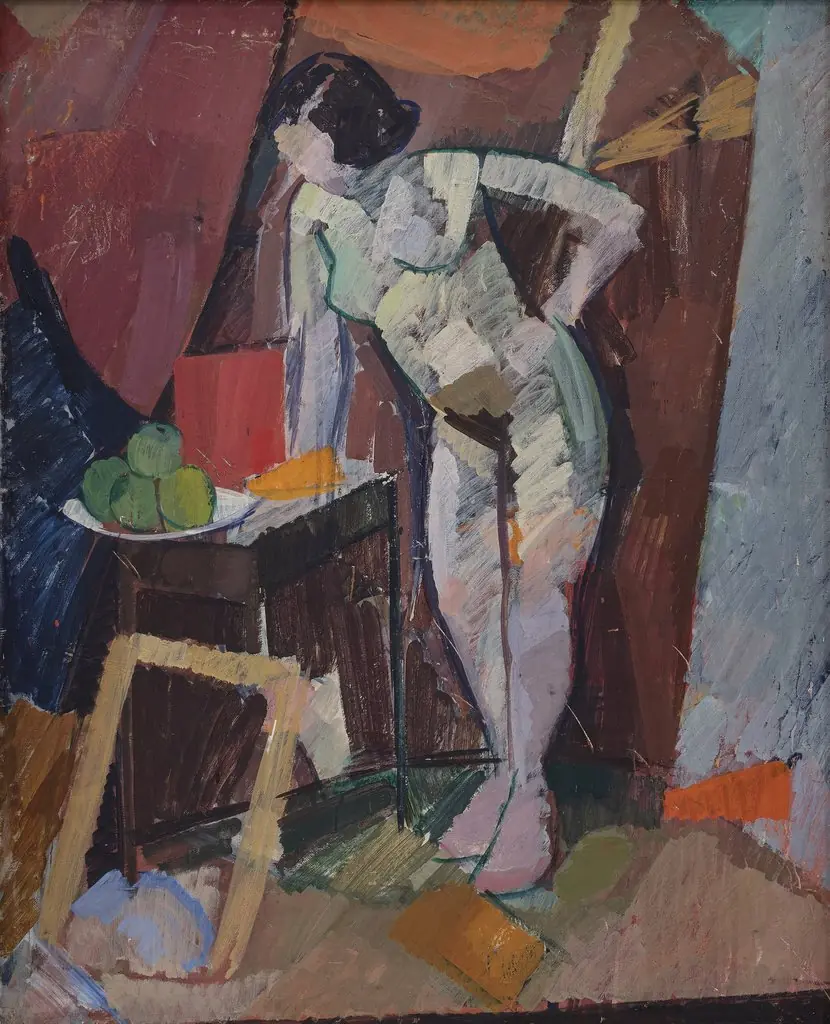
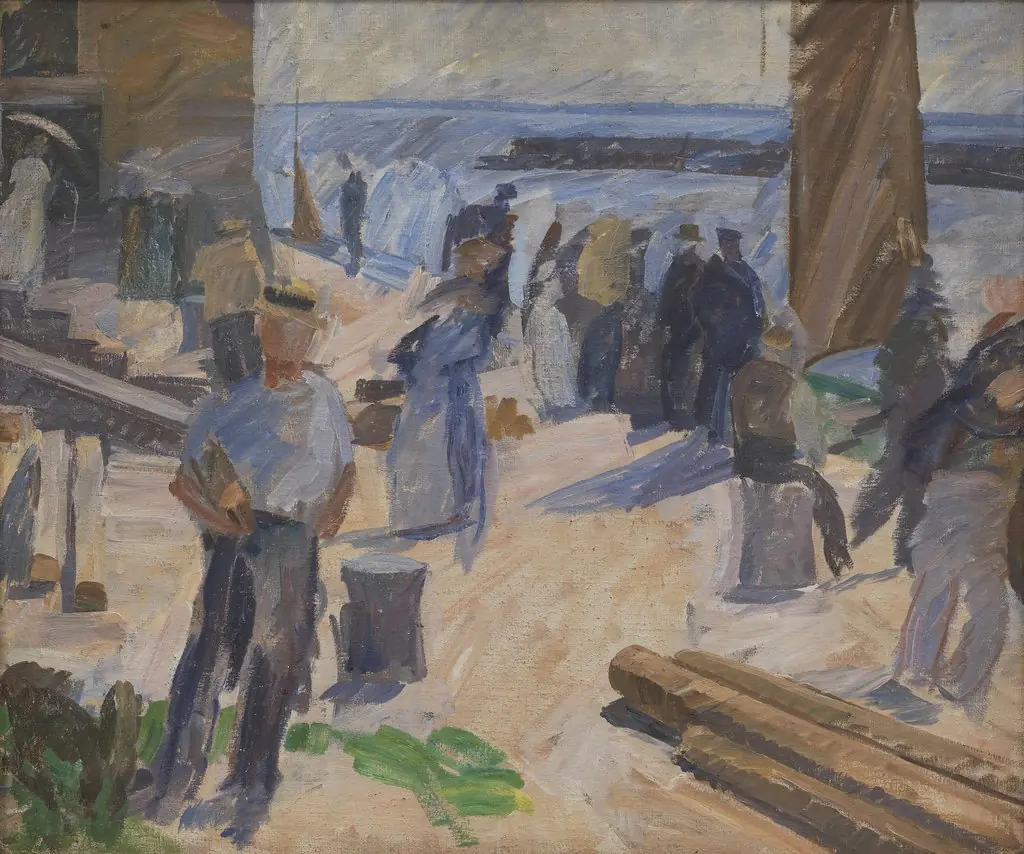
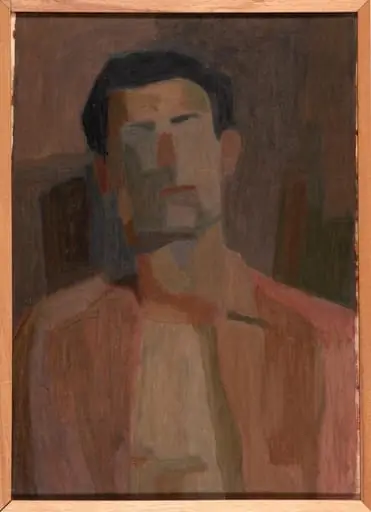
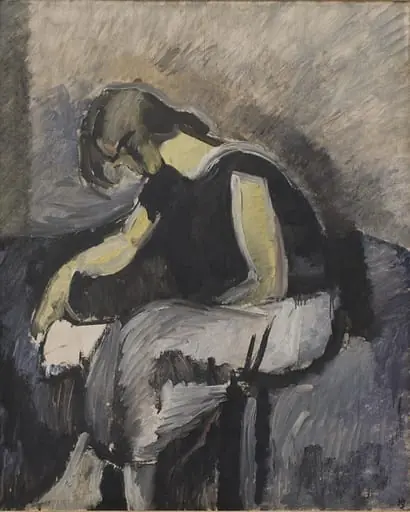
Painted in 1923 by Danish artist Edvard Weie, this oil on canvas work depicts a young boy in a contemplative pose. The painting is part of the permanent collection at Statens Museum for Kunst in Copenhagen. Weie, associated with Danish Modernism, employed a restrained palette and softened forms to convey psychological depth rather than literal realism.
Subject & Meaning
The subject is a boy seated in a chair, his gaze lowered and posture withdrawn. His dark clothing and the shadowed environment suggest introspection or solitude. The blurred facial features and indistinct limbs avoid individual identification, inviting interpretation of the figure as a symbol of youth, vulnerability, or inner quiet rather than a specific person.
Technique & Style
Weie used loose brushwork and muted tones to dissolve edges between figure and background. The boy’s form emerges from near-abstract shadows, with the dark shirt and chair back merging into the surrounding gloom. The deliberate lack of detail in the face and limbs reflects a Modernist tendency to prioritize mood over precise representation.
History & Provenance
Created in 1923, the painting entered the collection of Statens Museum for Kunst shortly after its completion. Weie was awarded the Eckersberg Medal in 1925, a recognition that likely included this work among his significant contributions to Danish painting during the early 20th century. Its acquisition by the national museum underscores its recognized place in Denmark’s artistic record.
Context
In the 1920s, Danish artists like Weie moved away from academic realism toward more expressive, atmospheric approaches. This portrait aligns with broader European trends that favored emotional resonance over narrative clarity. The subdued lighting and fragmented form reflect influences from Post-Impressionism and early Expressionism, adapted to a quiet, Nordic sensibility.
Legacy
Though not widely reproduced, the painting remains a quiet example of Weie’s mature style. It exemplifies how Danish Modernists used restraint to evoke psychological presence. Its inclusion in the national collection ensures its continued study as a representative work of interwar Danish painting, valued for its emotional subtlety rather than dramatic impact.
Artist & collection
Artist
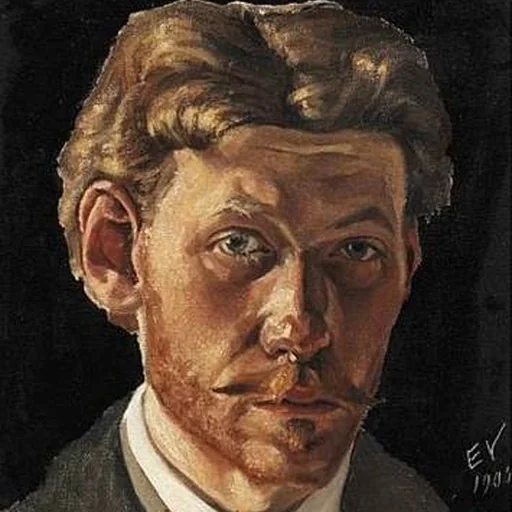
Viggo Thorvald Edvard Weie (18 November 1879 - 9 April 1943) was a Danish Modernist painter. He was a recipient of Eckersberg Medal in 1925. He died during 1943 in Frederiksberg.