Artwork
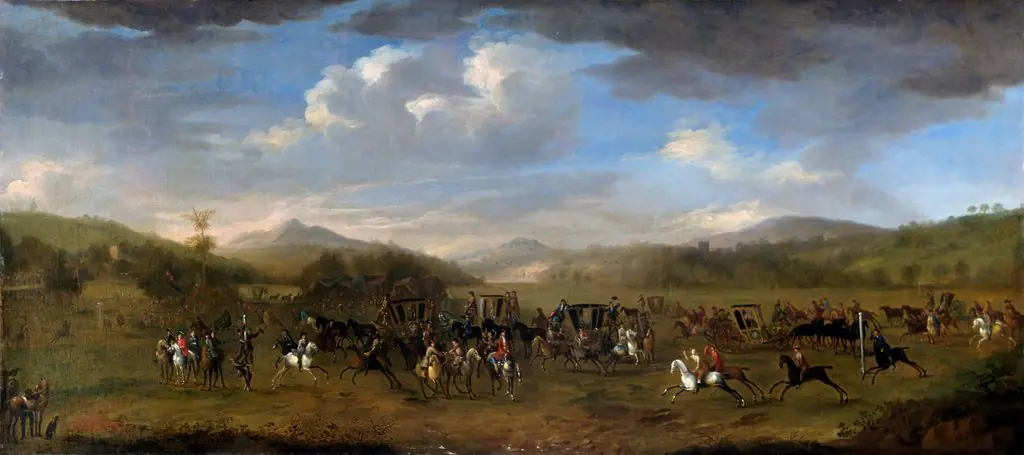
En jagt hvori prinsesserne deltager, tildels i mandlige dragter
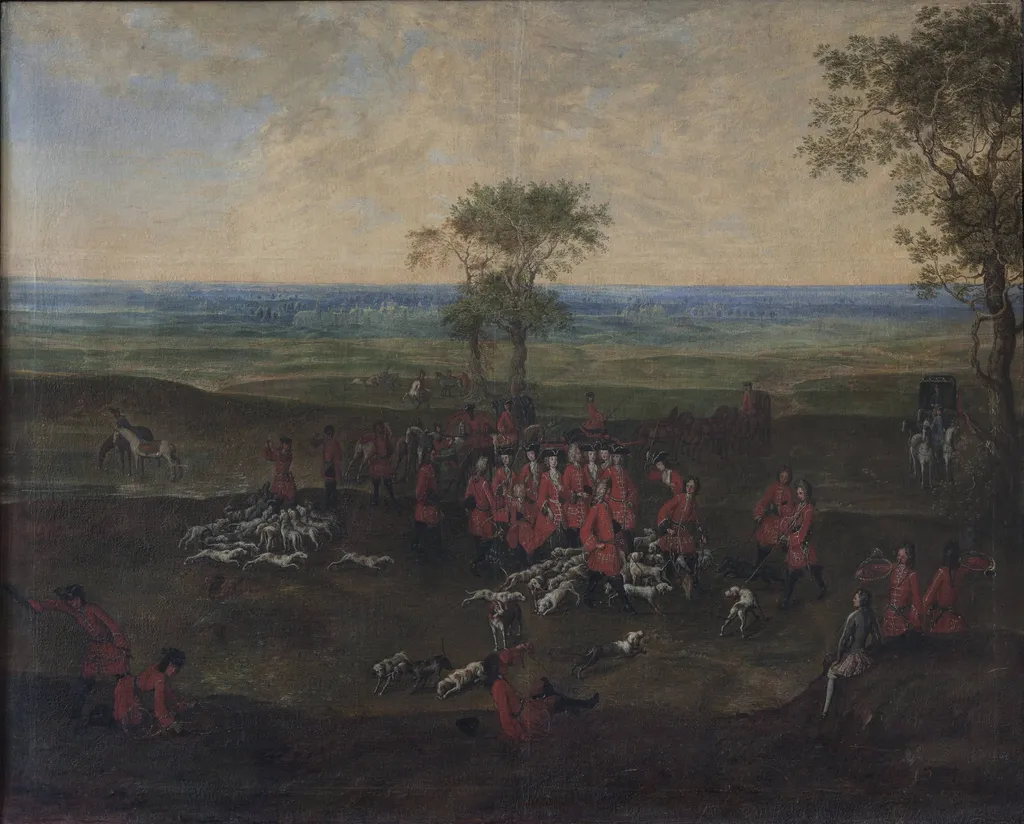
En jagt hvori prinsesserne deltager, tildels i mandlige dragter is a photography by Unknown. It dates from 1750 and is held in the collection of the Statens Museum for Kunst.
About this work
Overview
This painting, dated around 1750, depicts a hunting scene involving members of a royal household, some of whom are dressed in attire typically associated with men. It is held in the collection of the Museum of Ethnography. The setting is a pastoral landscape with gentle hills, scattered trees, and a soft sky, suggesting an idealized outdoor pursuit rather than a formal military or aristocratic hunt.
Subject & Meaning
Rather than a literal record of an event, it may reflect courtly performance, playful subversion, or a symbolic commentary on identity and status.
The scene portrays a leisurely hunt, but the presence of women in male clothing challenges conventional gender roles of the period. Rather than a literal record of an event, it may reflect courtly performance, playful subversion, or a symbolic commentary on identity and status. The inclusion of dogs and hunting sticks reinforces the theme of pursuit, while the attire introduces ambiguity about social norms.
Technique & Style
The painting employs a soft, atmospheric palette with muted tones for the sky and landscape, creating a tranquil mood. Figures are rendered with loose brushwork, emphasizing movement and group dynamics over individual detail. The composition is open and horizontal, guiding the eye across the field, while the clothing and postures of the figures suggest careful observation of contemporary dress and behavior.
History & Provenance
The work is attributed to an artist identified as 33377_person, though little is known about their background. It entered the Museum of Ethnography’s collection in the late 19th or early 20th century, likely as part of a broader acquisition of European courtly imagery. Its origins remain undocumented, but its subject suggests a connection to Scandinavian or Baltic nobility.
Context
In mid-18th-century Europe, aristocratic women occasionally participated in hunts, sometimes adopting male attire for practicality or amusement. Such performances were documented in courtly circles, particularly in Denmark and Sweden, where gendered dress codes were occasionally relaxed for private entertainments. This painting may reflect one such occasion, blending recreation with subtle social commentary.
Legacy
The painting remains a rare visual record of gender performance among European elites. Its preservation in an ethnographic museum underscores its value as a cultural artifact rather than a purely aesthetic object. Scholars continue to examine it for insights into how identity, class, and gender were negotiated in private royal settings during the Enlightenment era.
Artist & collection

 Domestic Scene
 Giacomo and Cardinal Marco, investing Andrea, Abbot of San Zeno, with his Benefice
 The Nymph of Fontainebleau
 Portrait of a Woman
 Madonna and Child with Saints in the Enclosed Garden
 Venus and Minerva
 Family Group of Four on Sofa
 Wall painting from Room H of the Villa of P. Fannius Synistor at Boscoreale
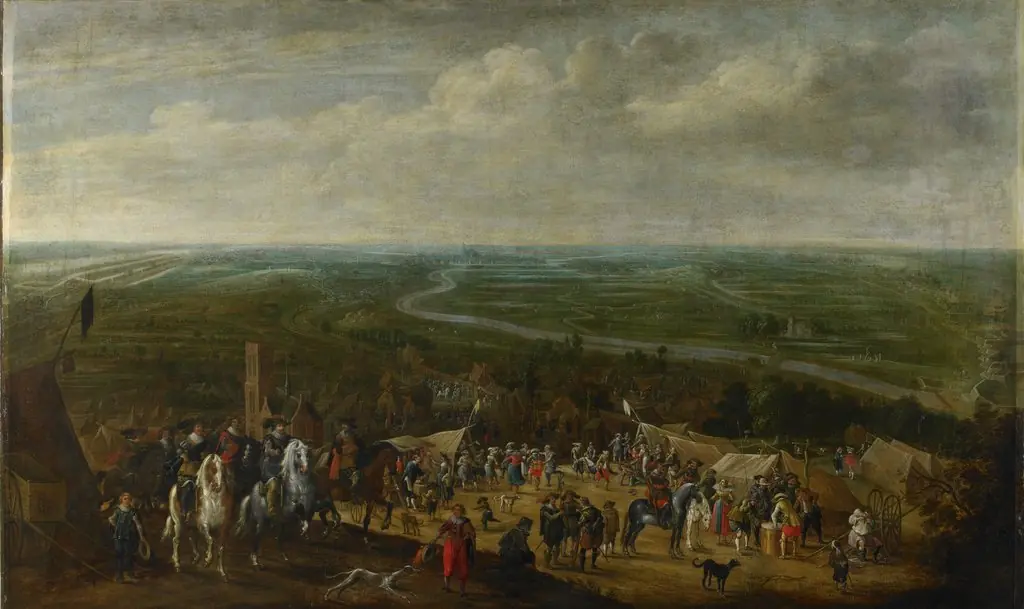 Prince Frederik Hendrik at the siege of 's-Hertogenbosch, 1629
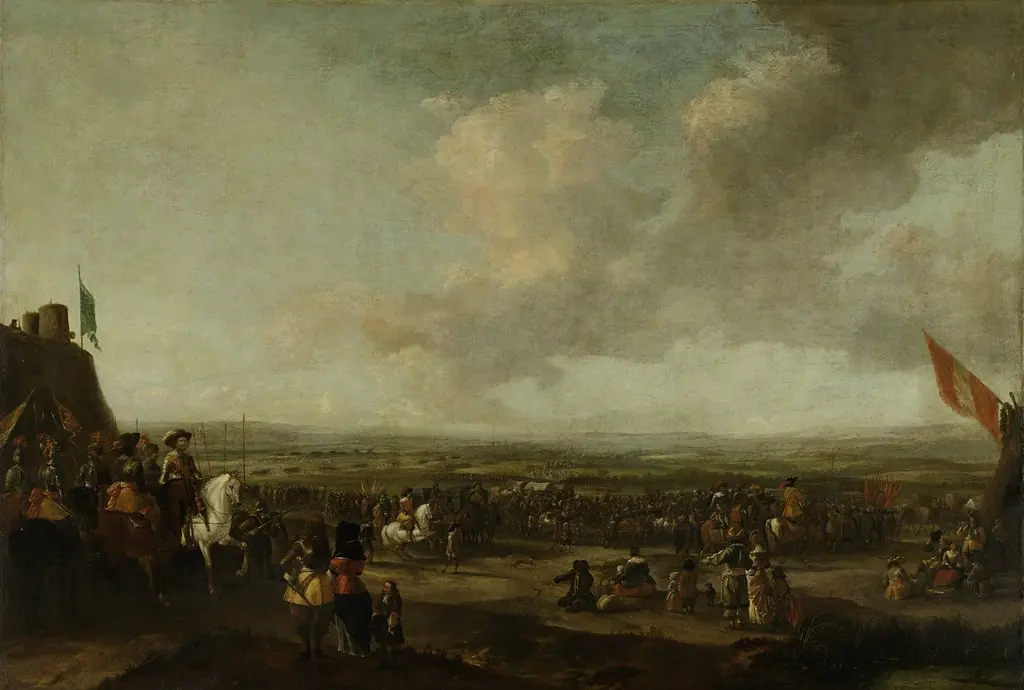 Frederik Hendrik at the surrender of Maastricht, 22 August 1632
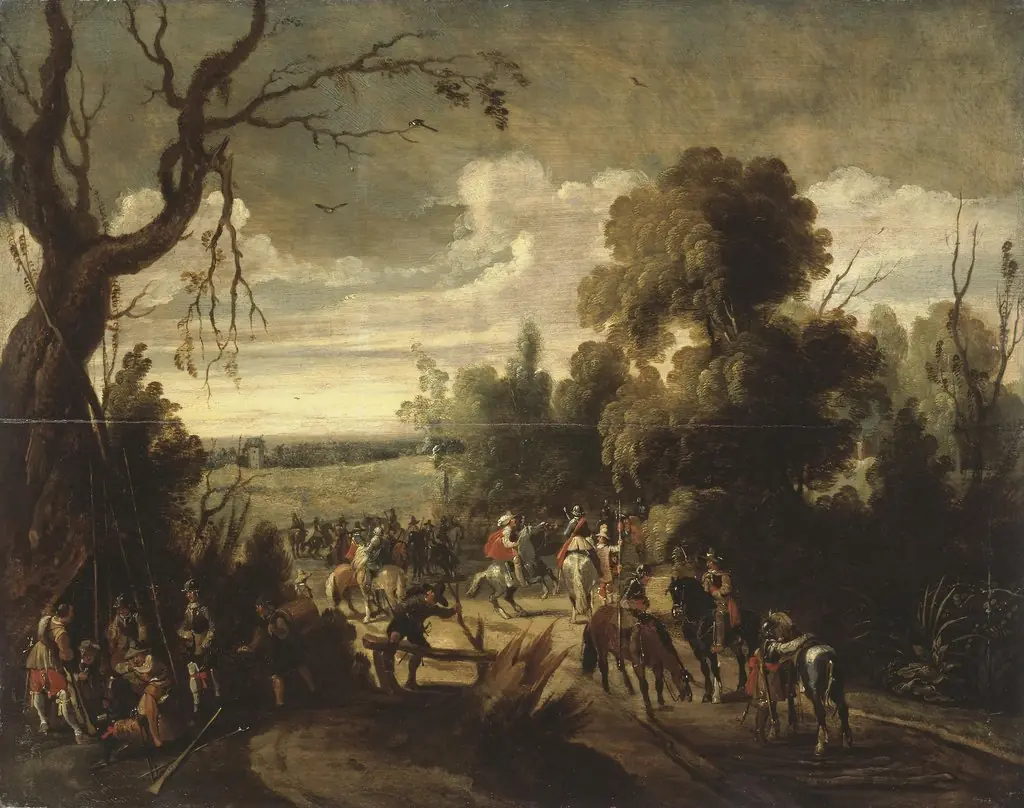 Rest of Cavalrymen
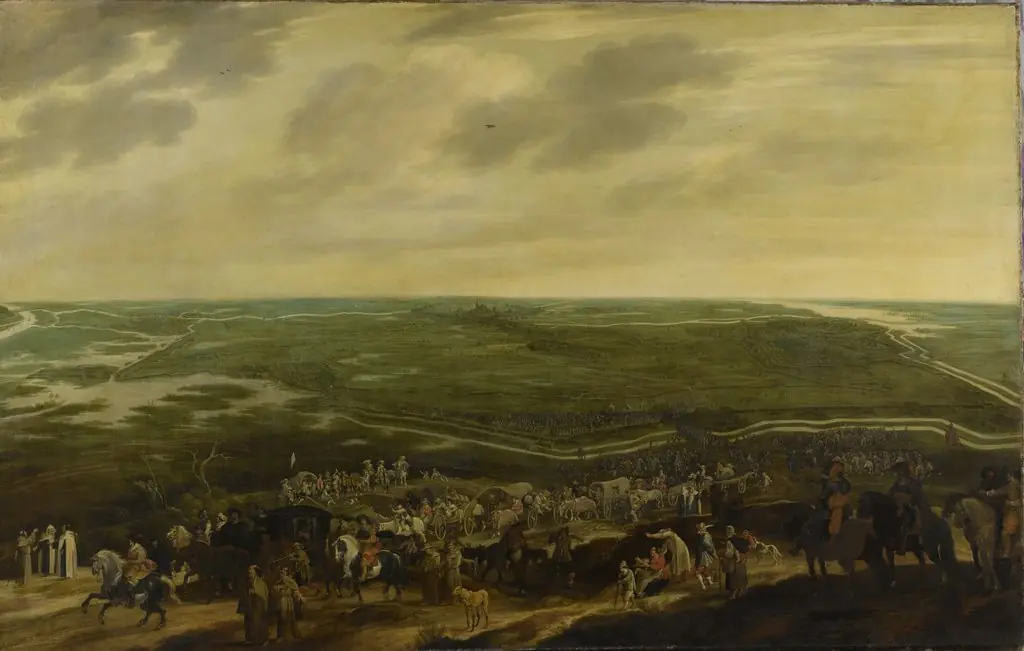 The defeated Spanish garrison leaving 's-Hertogenbosch, 17 September 1629
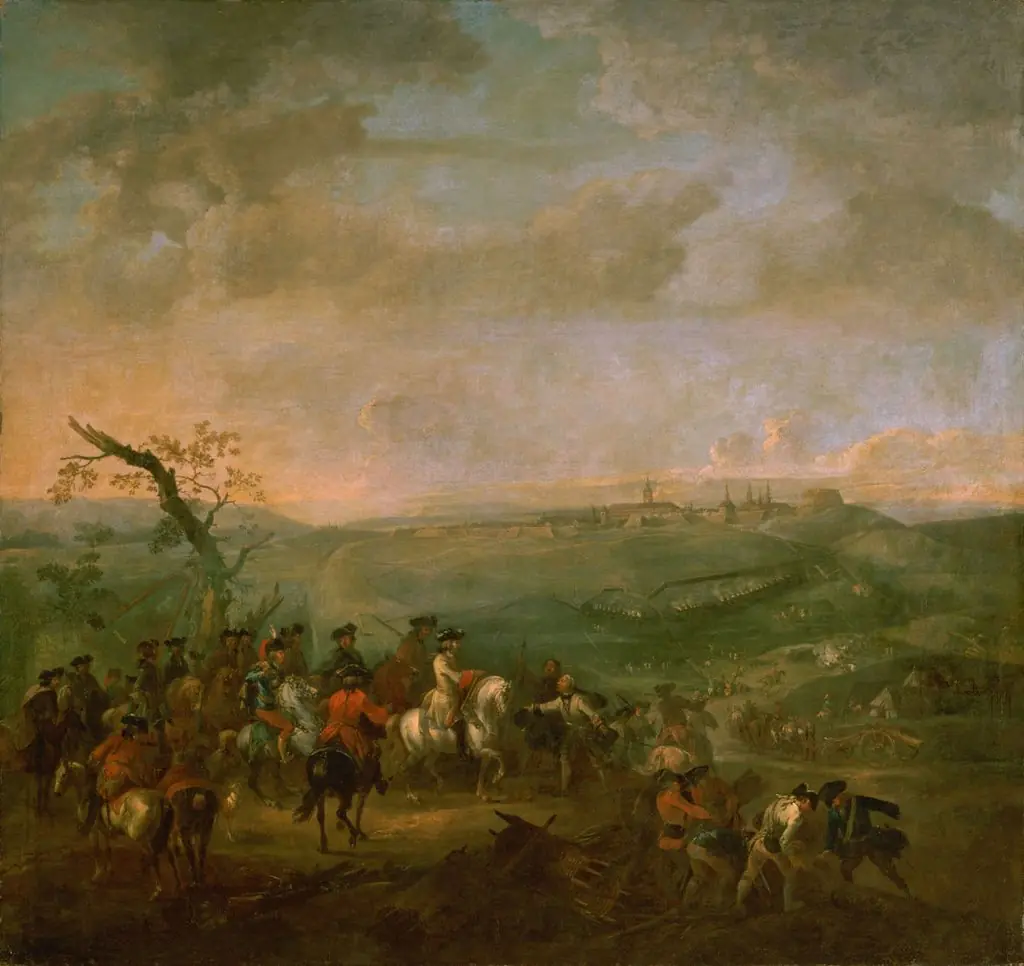 The blocking of Prague by the Austrians under Grand Duke Francis Stephen of Lorraine and Toscana during the War of the Austrian Succession, 1742
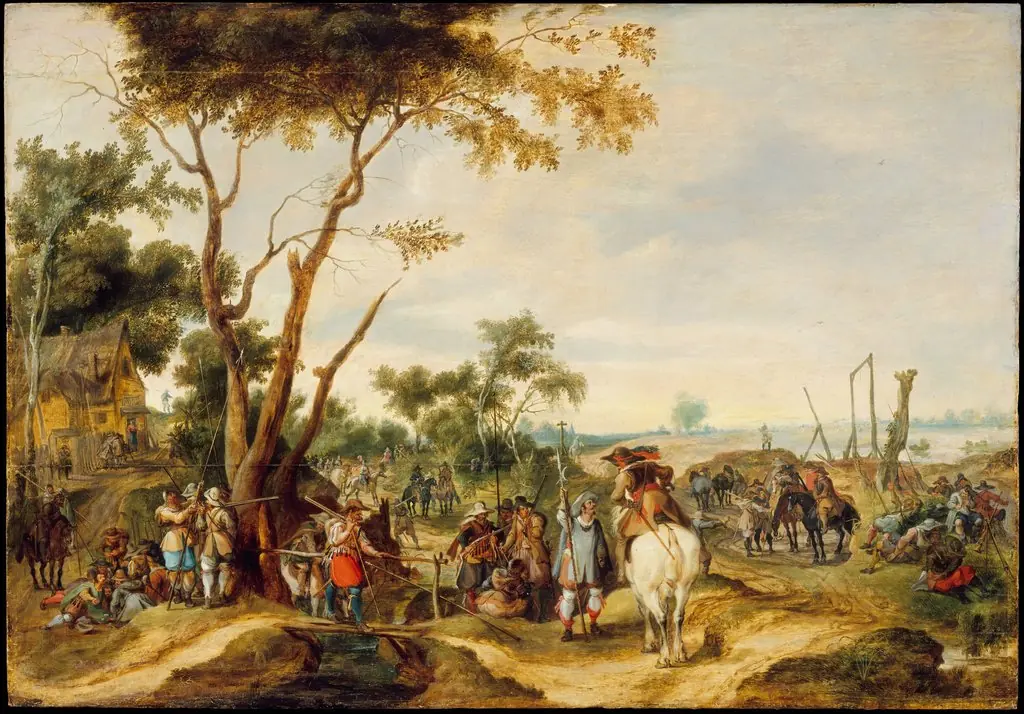 Soldiers Bivouacking
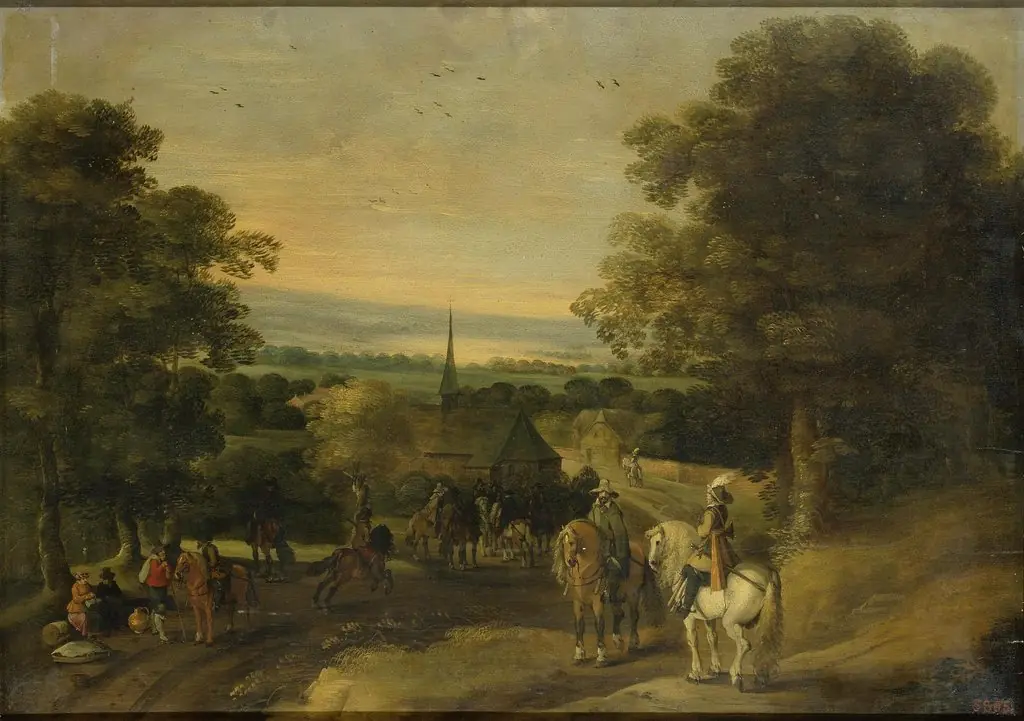 Landscape with a Cavalry Group
 The Finish of a Horse Race with a Country Fair in the Background
 Târgul de cai
 The defeat at Grancourt, 1639