Artwork
The defeated Spanish garrison leaving 's-Hertogenbosch, 17 September 1629
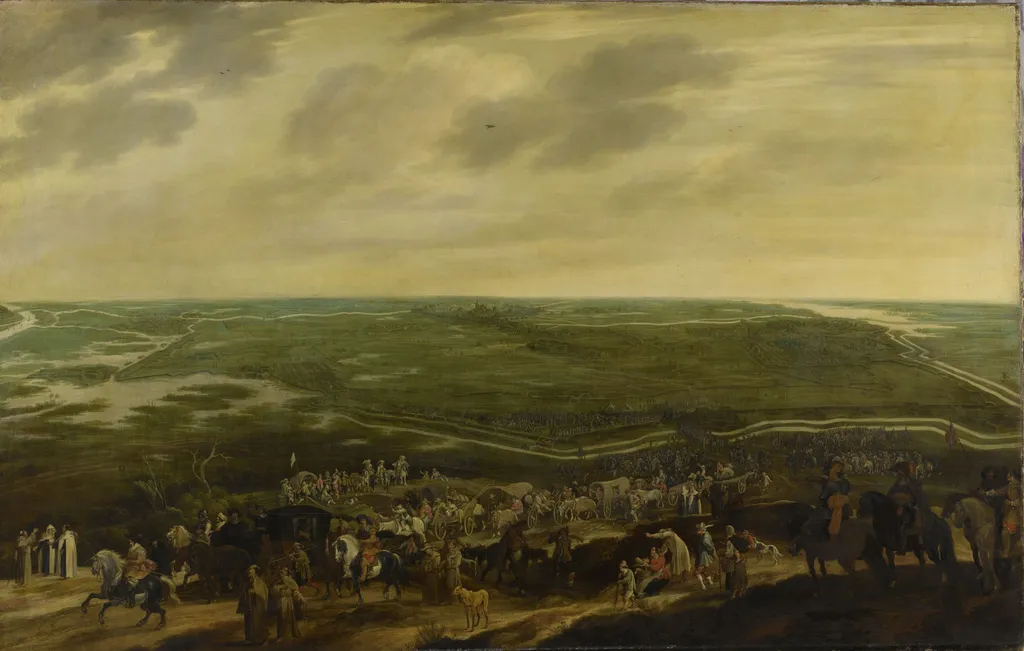
The defeated Spanish garrison leaving 's-Hertogenbosch, 17 September 1629 is an oil painting by the Dutch Golden Age artist Paulus van Hillegaert. It dates from 1630 and is held in the collection of the Rijksmuseum.
About this work
Overview
Paulus van Hillegaert I, a Dutch painter active in the early 1600s, produced an oil on canvas titled *The defeated Spanish garrison leaving ’s‑Hertogenbosch, 17 September 1629* in 1630. The work records a moment of retreat, showing a sizable column of figures moving away from a fortified town across a rural landscape. It is part of the Rijksmuseum’s collection.
Subject & Meaning
The composition captures a Spanish military force withdrawing from ’s‑Hertogenbosch after its surrender to Dutch forces. Soldiers and civilians are shown on foot and on horseback, some clustered around a horse‑drawn carriage, suggesting the orderly evacuation of troops and supplies. The scene conveys the aftermath of a decisive siege, emphasizing the transition from conflict to departure.
Technique & Style
Executed in oil, the painting employs a naturalistic palette and careful modeling of light and shadow to render depth. Van Hillegaert uses subtle chiaroscuro to define forms, while the textured brushwork in foliage and sky adds a sense of atmosphere. The detailed rendering of figures, horses, and the carriage reflects the Dutch Golden Age’s commitment to realism.
History & Provenance
Created shortly after the 1629 siege, the work entered the Dutch artistic market and was eventually acquired by the Rijksmuseum, where it remains on display. Its provenance traces a typical path for 17th‑century Dutch historical paintings, moving from private collections to a national institution dedicated to preserving Dutch heritage.
Context
The painting belongs to the Dutch Golden Age, a period when artists frequently documented contemporary military events. The surrender of ’s‑Hertogenbosch marked a strategic victory for the Dutch Republic in the Eighty Years’ War, and van Hillegaert’s depiction serves both as a visual record and a celebration of Dutch resilience.
Artist & collection
Artist
Paulus van Hillegaert (I) or Pauwels van Hillegaert (I) (1596–1640) was a Dutch painter and draughtsman, known mainly for his landscapes, military scenes and equestrian portraits.

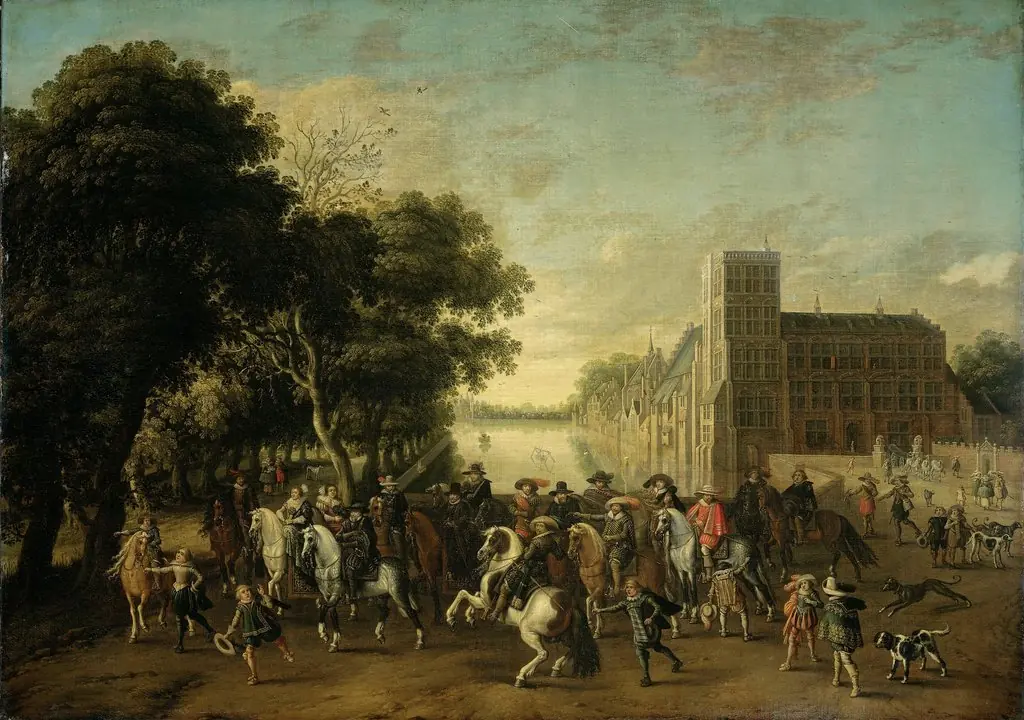 Prince Maurits, accompanied by Prince Frederik Hendrik, Frederick V of Bohemia and his wife Elizabeth Stuart, and others, on the Buitenhof, The Hague
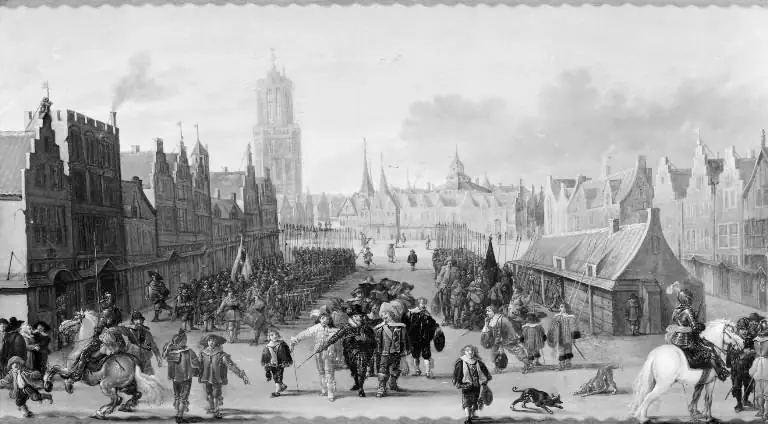 Disbanding of the Mercenary Troops on the Neude, Utrecht, July 31st, 1618
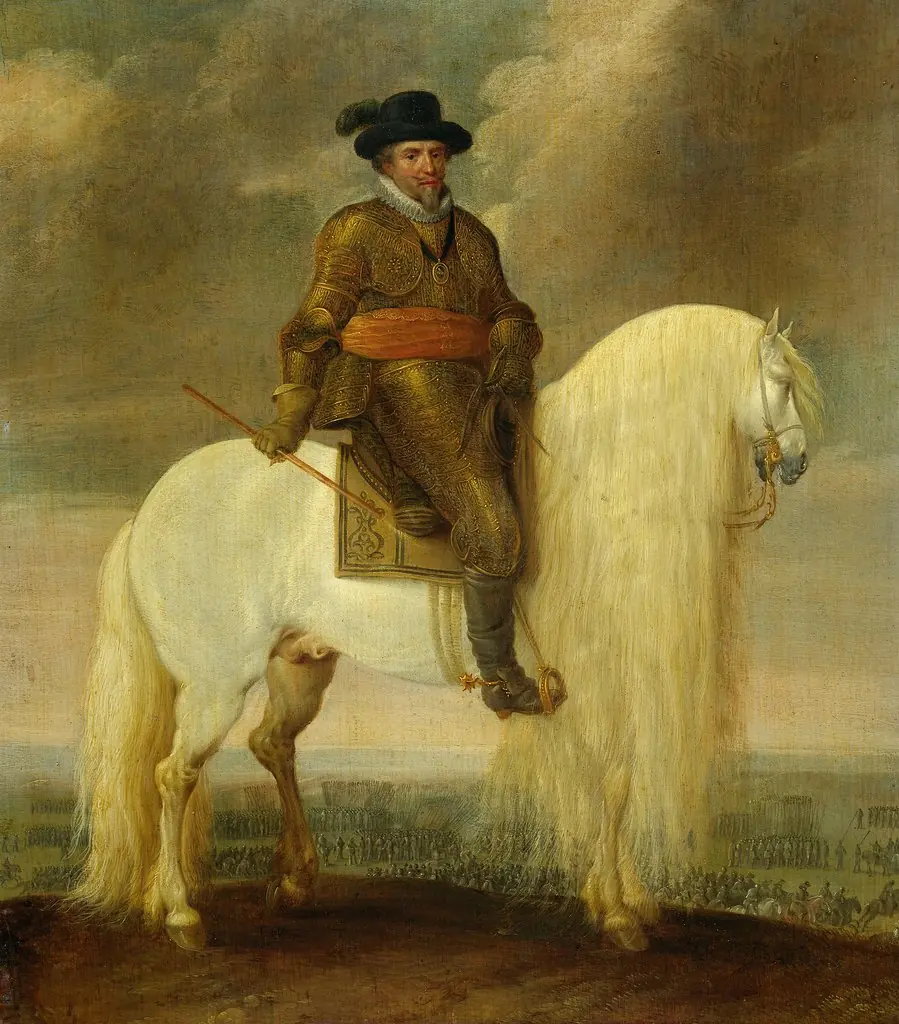 Prince Maurits astride the white warhorse presented to him after his victory at Nieuwpoort
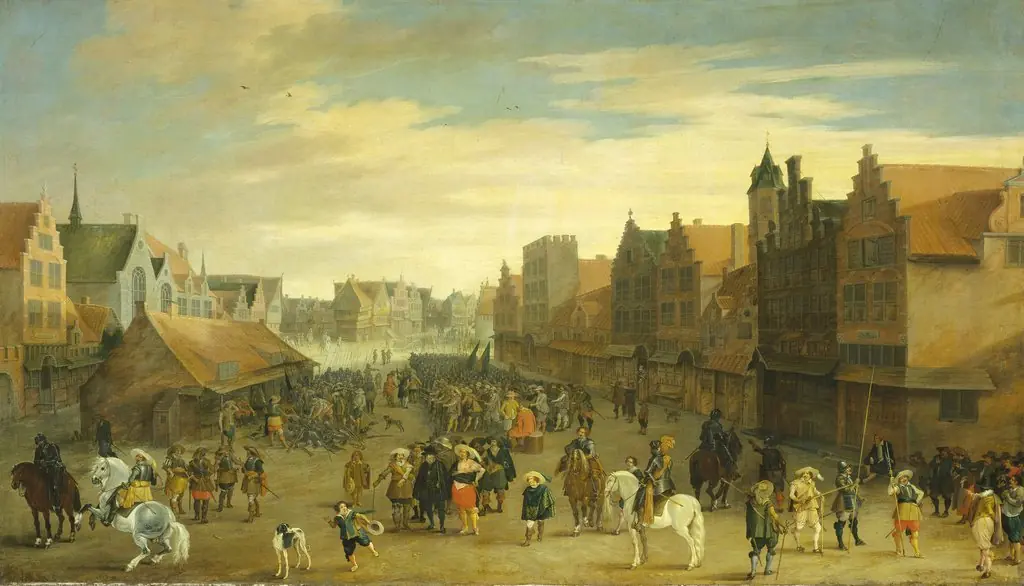 The disbanding of the 'waardgelders' (mercenaries in the pay of the town government) by Prince Maurits on the Neude, Utrecht, 31 July 1618
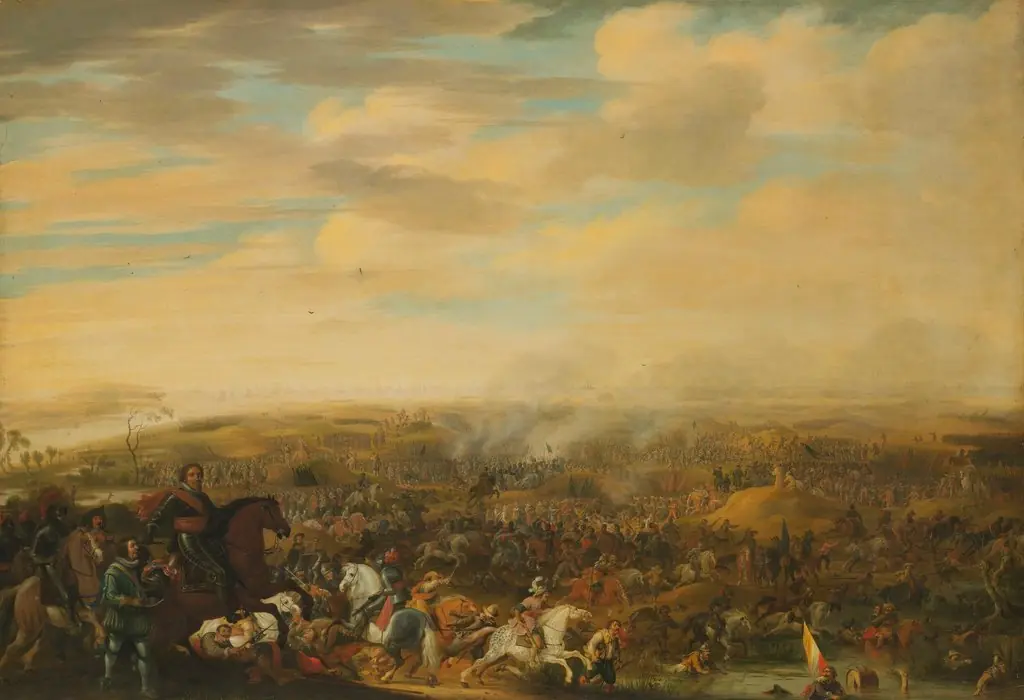 Prince Maurits at the Battle of Nieuwpoort, 2 July 1600
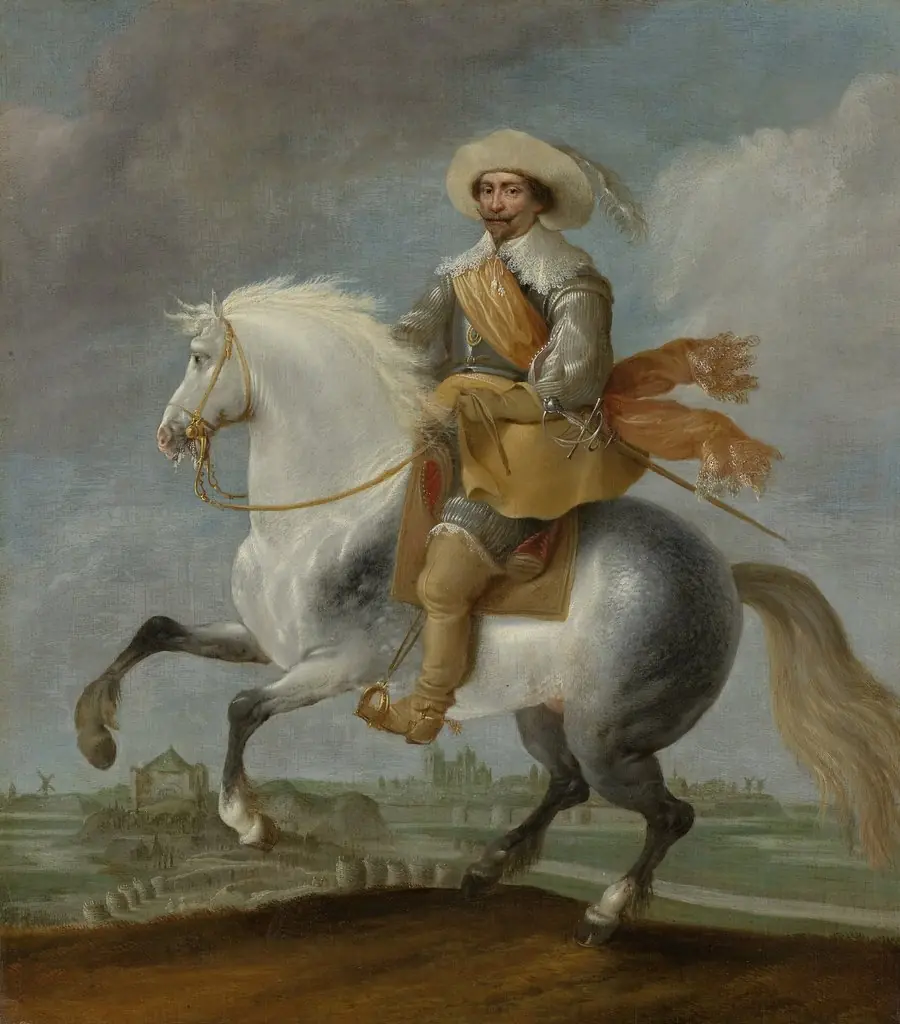 Prince Frederik Hendrik on horseback outside the fortifications of 's-Hertogenbosch, 1629
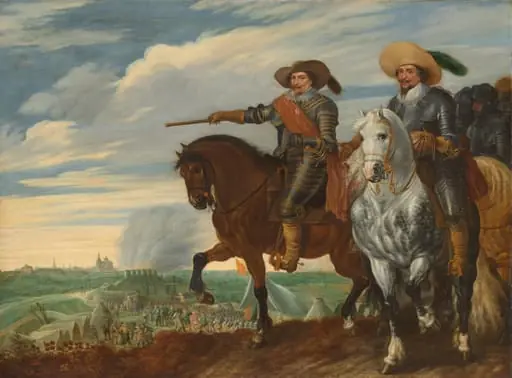 Frederick Henry and Ernst Casimir of Nassau-Dietz at the Siege of ’s Hertogenbosch
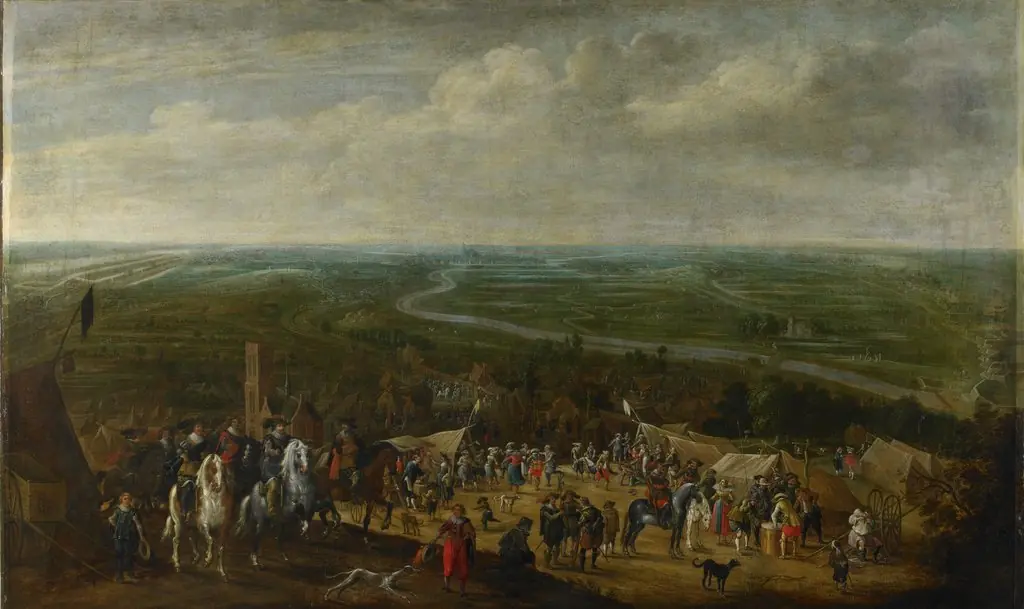 Prince Frederik Hendrik at the siege of 's-Hertogenbosch, 1629
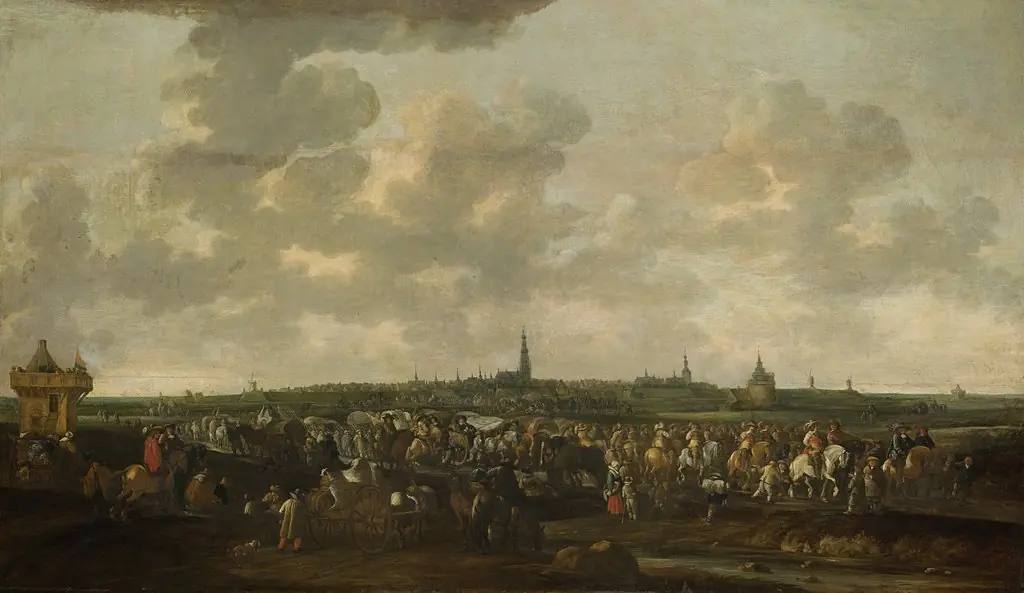 Departure of Spanish Occupation Troops from Breda, October 10, 1637
 Untitled
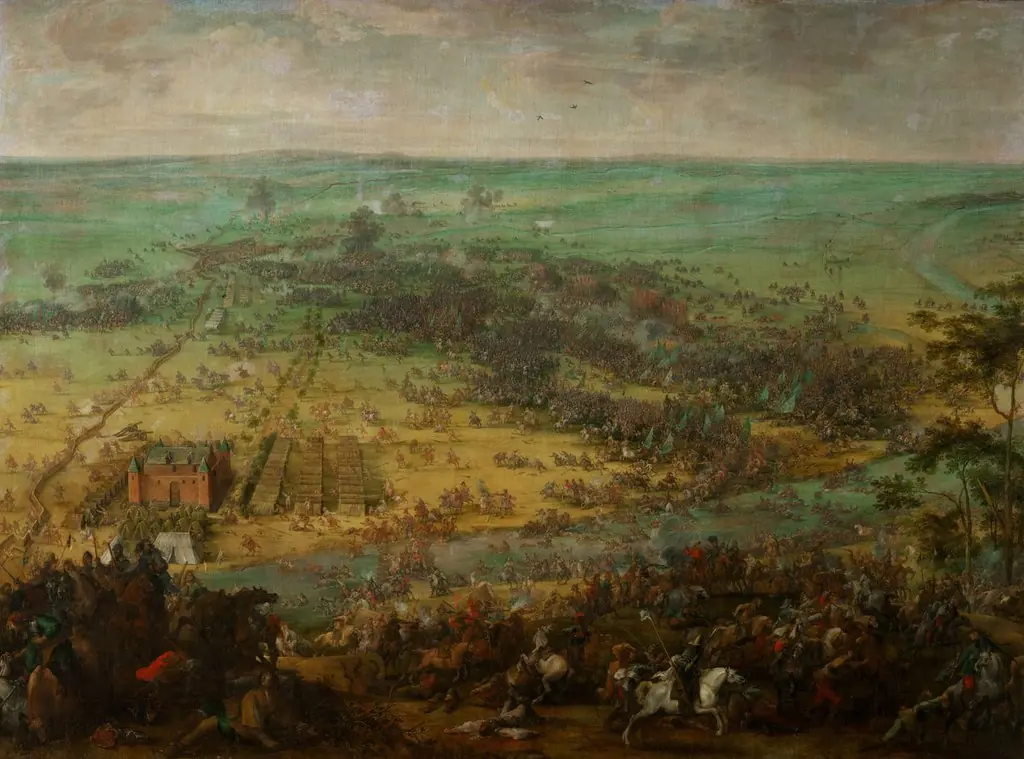 The defeat at Grancourt, 1639
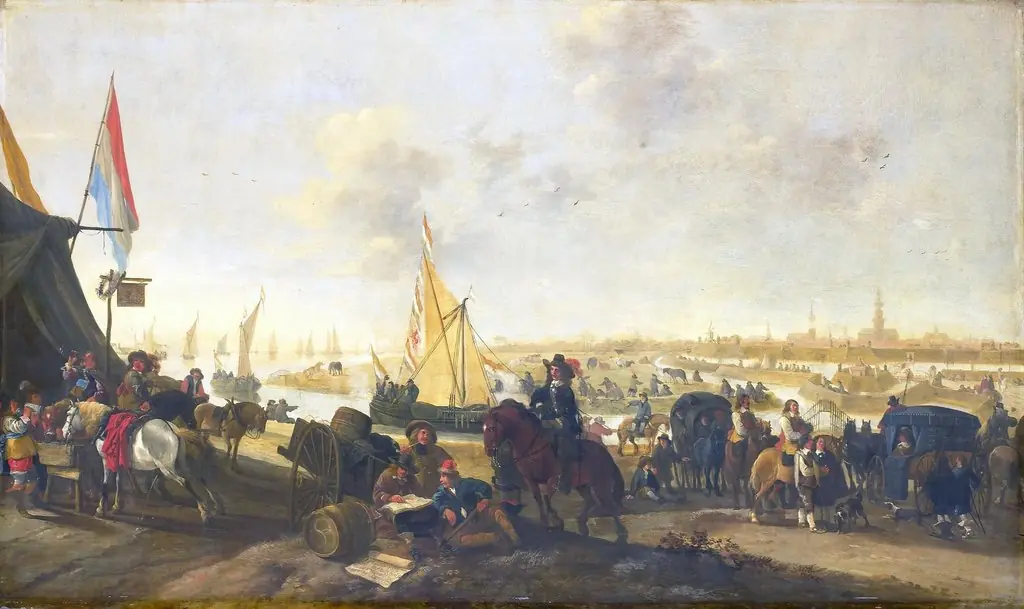 The Siege and Capture of the City of Hulst from the Spaniards, November 5, 1645
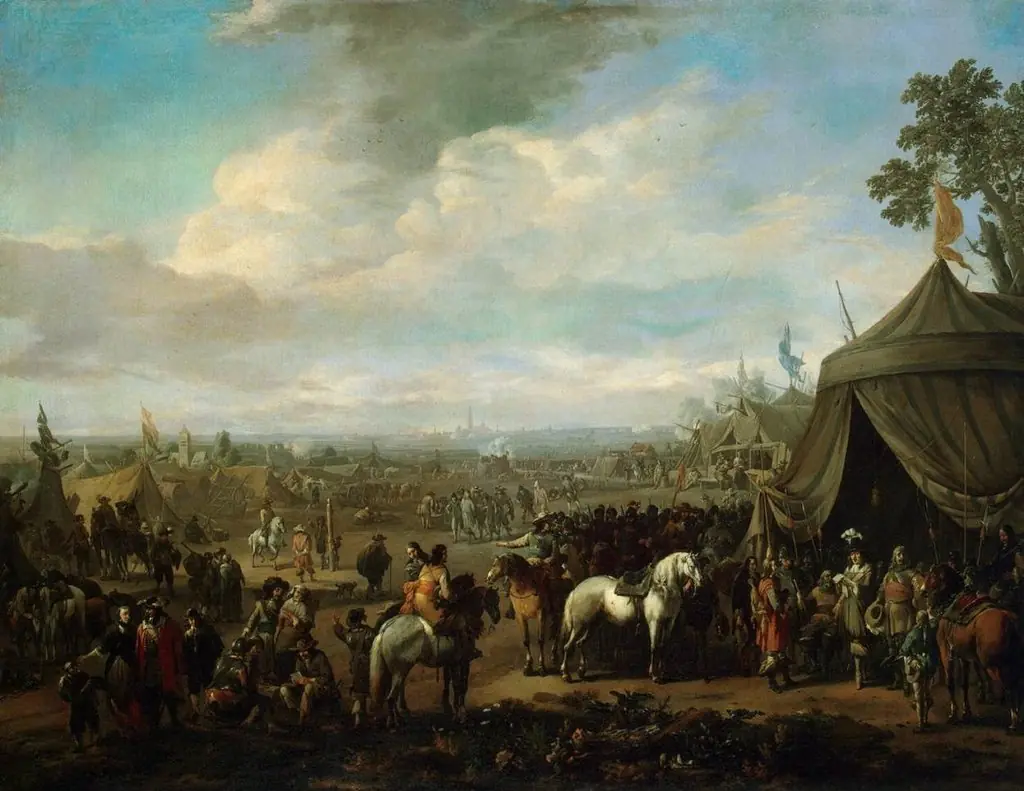 Flemish Town Sieged by the Spanish Soldiers
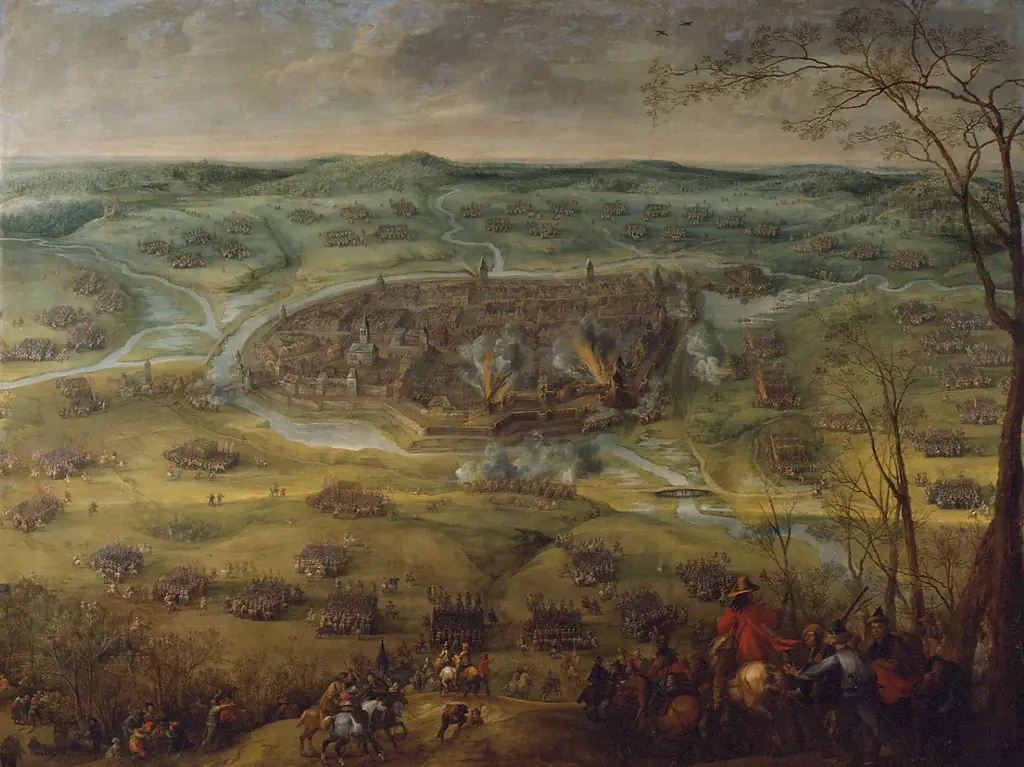 The siege of Neuburg, 1641
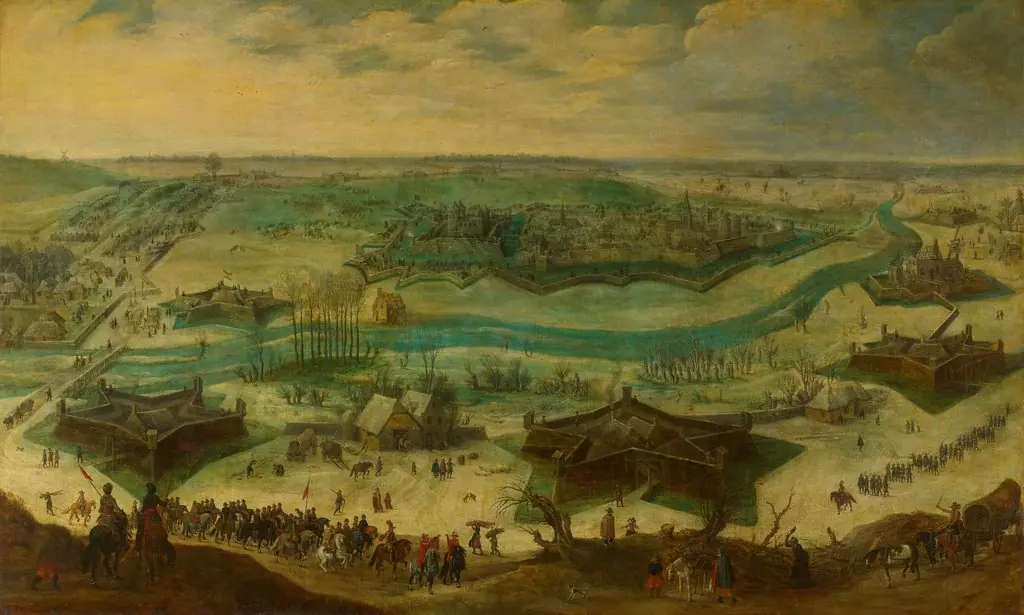 A siege of a city, thought to be the siege of Gulik by the Spanish under the command of Hendrik van den Bergh, 5 September 1621-3 February 1622
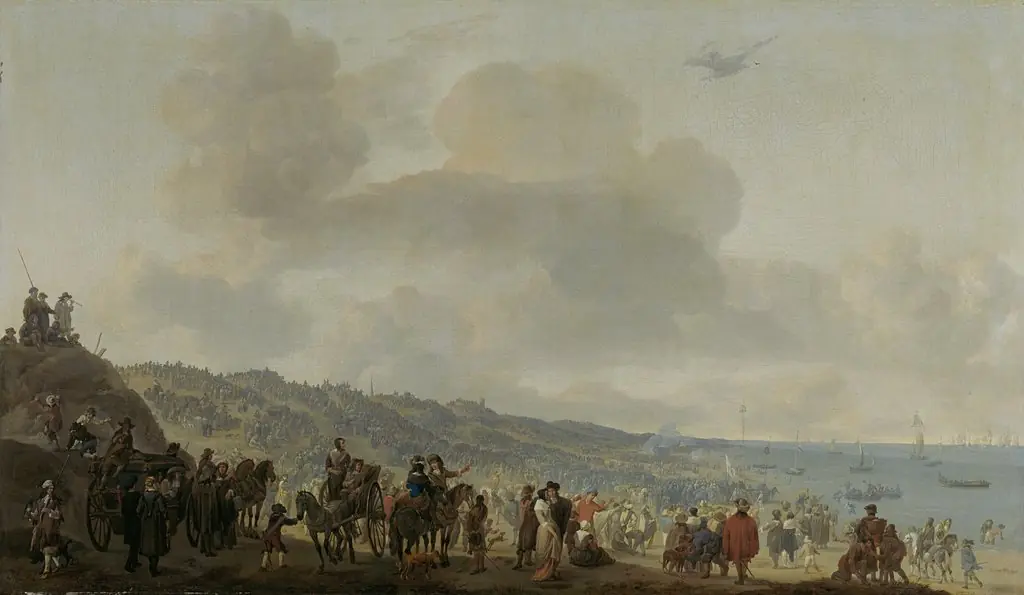 The Departure of Charles II (1630-1685) from Scheveningen, 2 June 1660
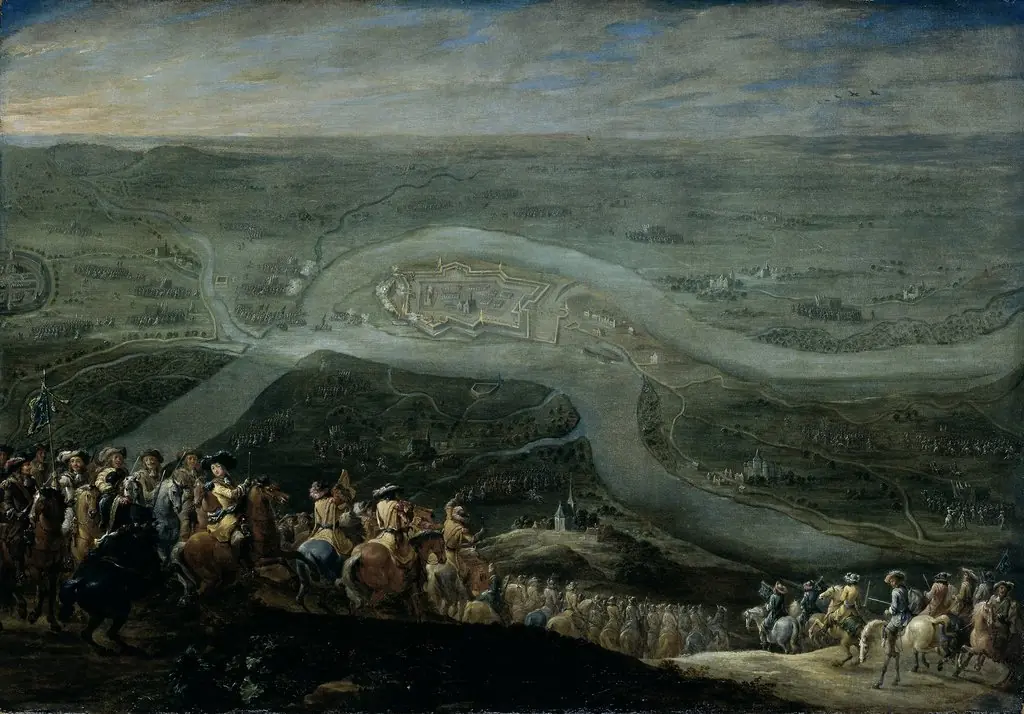 The French army at Schenkenschans, 18-19 June 1672