Artwork
Franciscan Monk
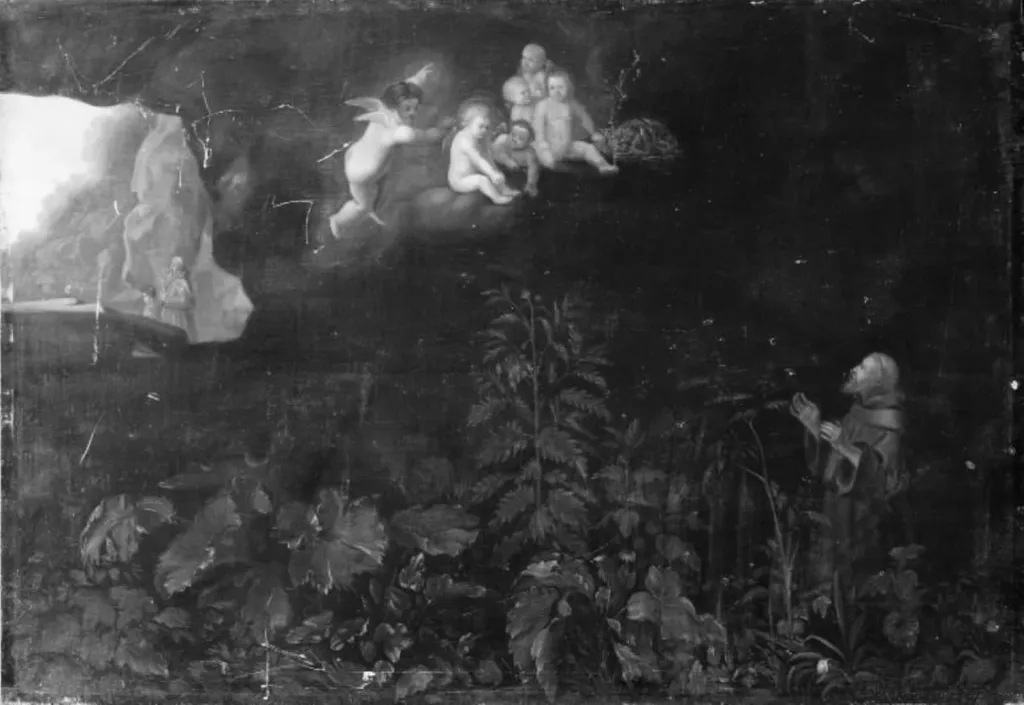
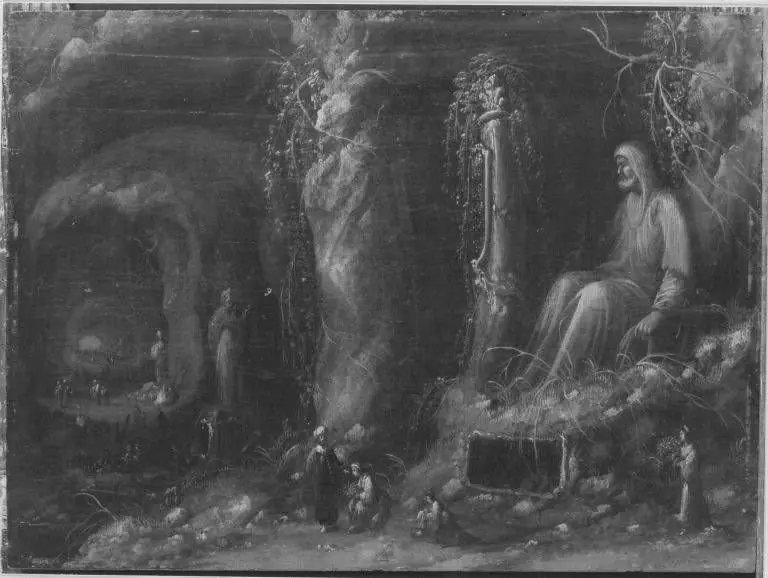
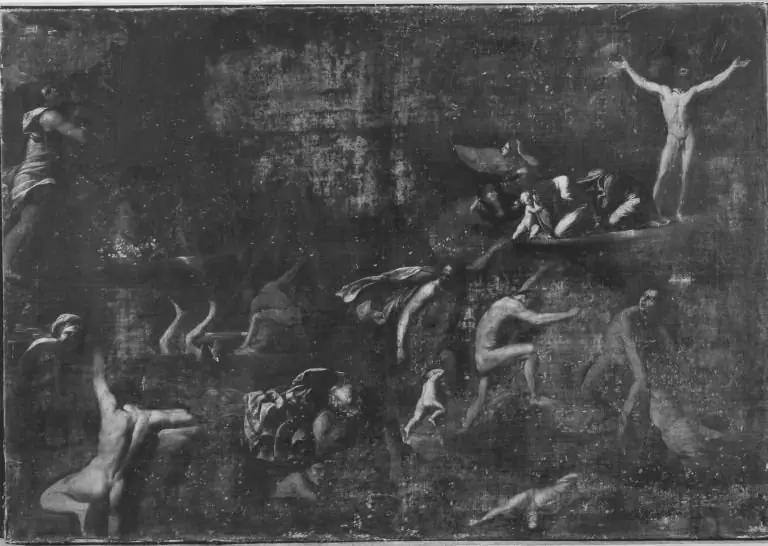
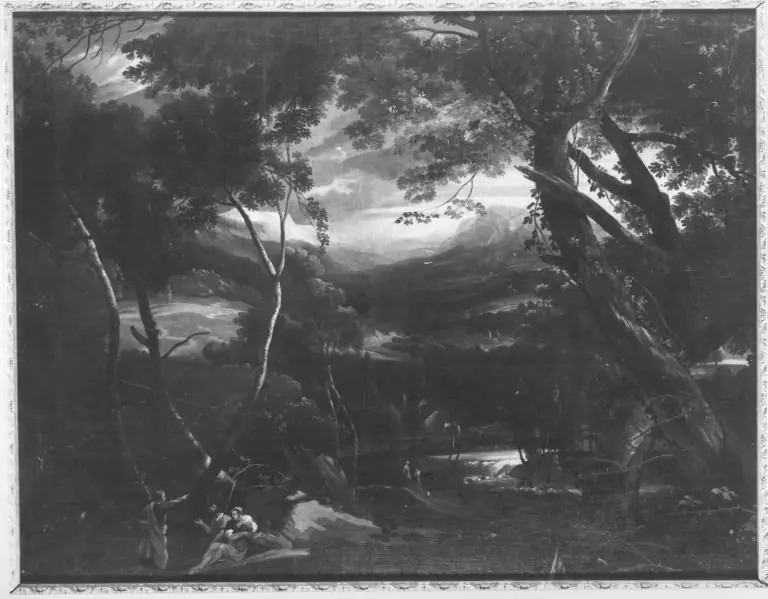
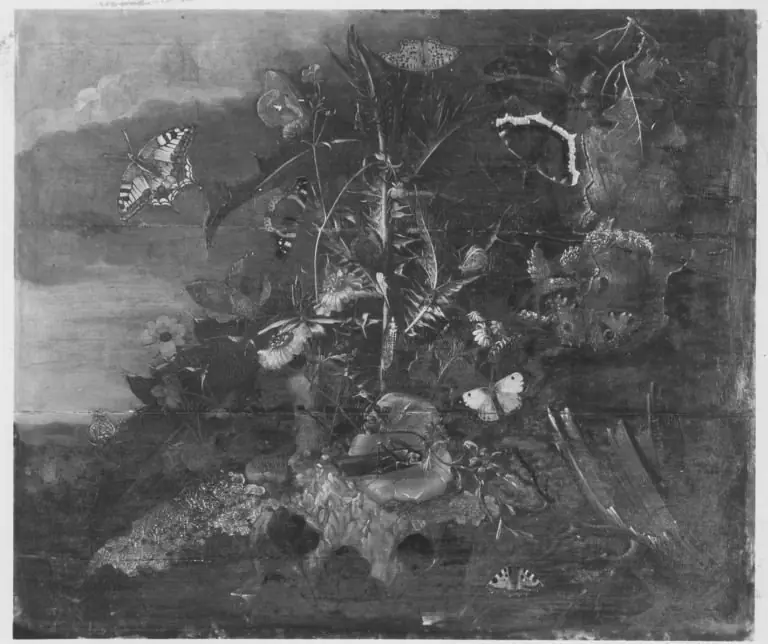
Franciscan Monk is a photography by Unknown. It dates from 1750 and is held in the collection of the Statens Museum for Kunst.
About this work
Overview
The composition avoids ornamentation, focusing attention on the figure’s posture and demeanor.
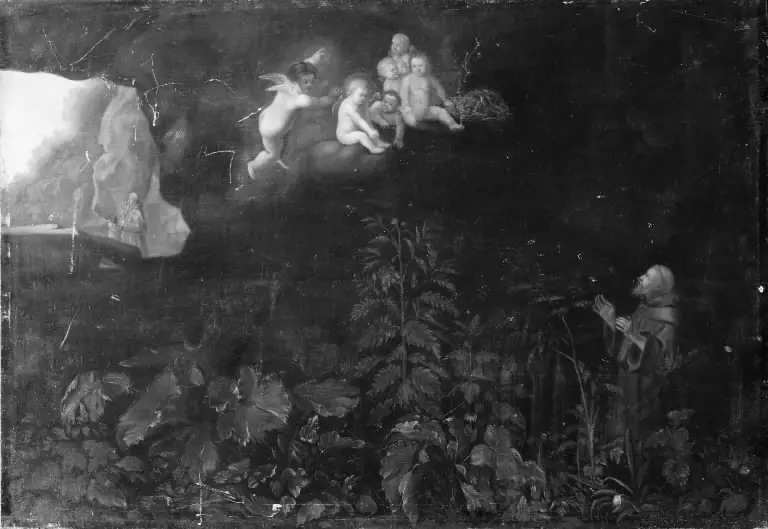
This image, dated around 1750, depicts a Franciscan monk in a quiet, frontal profile. Captured as a photograph, it presents the subject in a restrained, intimate manner. The monk stands against a softly blurred dark background, emphasizing his stillness. The composition avoids ornamentation, focusing attention on the figure’s posture and demeanor. It is held in the collection of the Museum of Ethnography.
Subject & Meaning
The monk is shown with hands clasped in prayer, his gaze lowered, suggesting inward reflection. His simple robe and unadorned appearance align with Franciscan ideals of humility and renunciation. The serious expression and lack of contextual detail reinforce a sense of spiritual solitude. The image functions not as a portrait of identity, but as a visual representation of devotion and monastic discipline.
Technique & Style
The photograph employs a shallow depth of field, blurring the background to isolate the figure. Lighting is even and subdued, avoiding dramatic contrasts. The monk’s form is rendered with clarity, yet the overall tone remains muted, enhancing the sense of quietude. The technical approach prioritizes emotional resonance over detail, reflecting early photographic conventions that favored mood over realism.
History & Provenance
The photograph’s creator is identified as 33379_person, though little is documented about their practice or intent. It entered the Museum of Ethnography’s collection as part of a broader effort to record religious figures in the 18th century. Its origin as a photographic study suggests it may have been made for anthropological or devotional purposes, though its exact commission remains unclear.
Context
In the mid-18th century, photography was in its infancy, and images of religious figures were rare. This work emerged during a period when European institutions began systematically documenting monastic life. The monk’s depiction aligns with contemporary interest in spiritual types, reflecting both scholarly curiosity and the lingering influence of ascetic ideals in a secularizing age.
Legacy
The image endures as a quiet example of early photographic portraiture applied to religious subjects. It contributes to the historical record of how monastic life was visually interpreted during a time of transition. Though not widely exhibited, it remains a reference point for studies on the intersection of faith, representation, and emerging photographic technology.
Artist & collection

 Domestic Scene
 Giacomo and Cardinal Marco, investing Andrea, Abbot of San Zeno, with his Benefice
 The Nymph of Fontainebleau
 Portrait of a Woman
 Madonna and Child with Saints in the Enclosed Garden
 Venus and Minerva
 Family Group of Four on Sofa
 Wall painting from Room H of the Villa of P. Fannius Synistor at Boscoreale