Artwork
Franciscan Monk
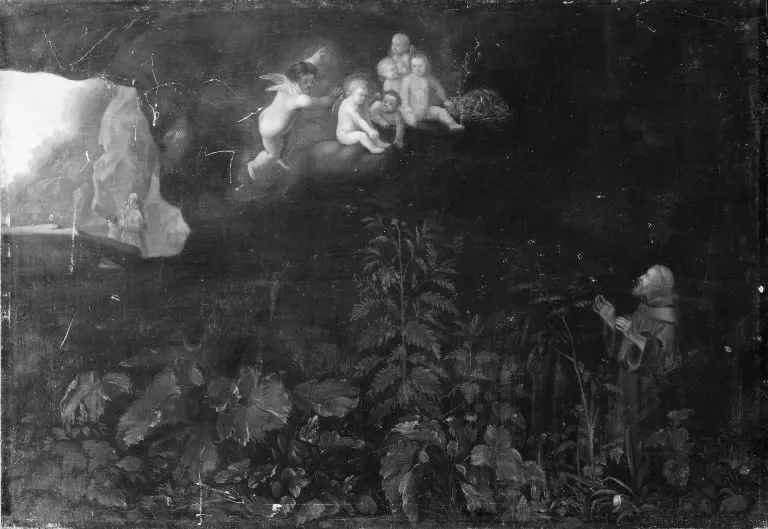
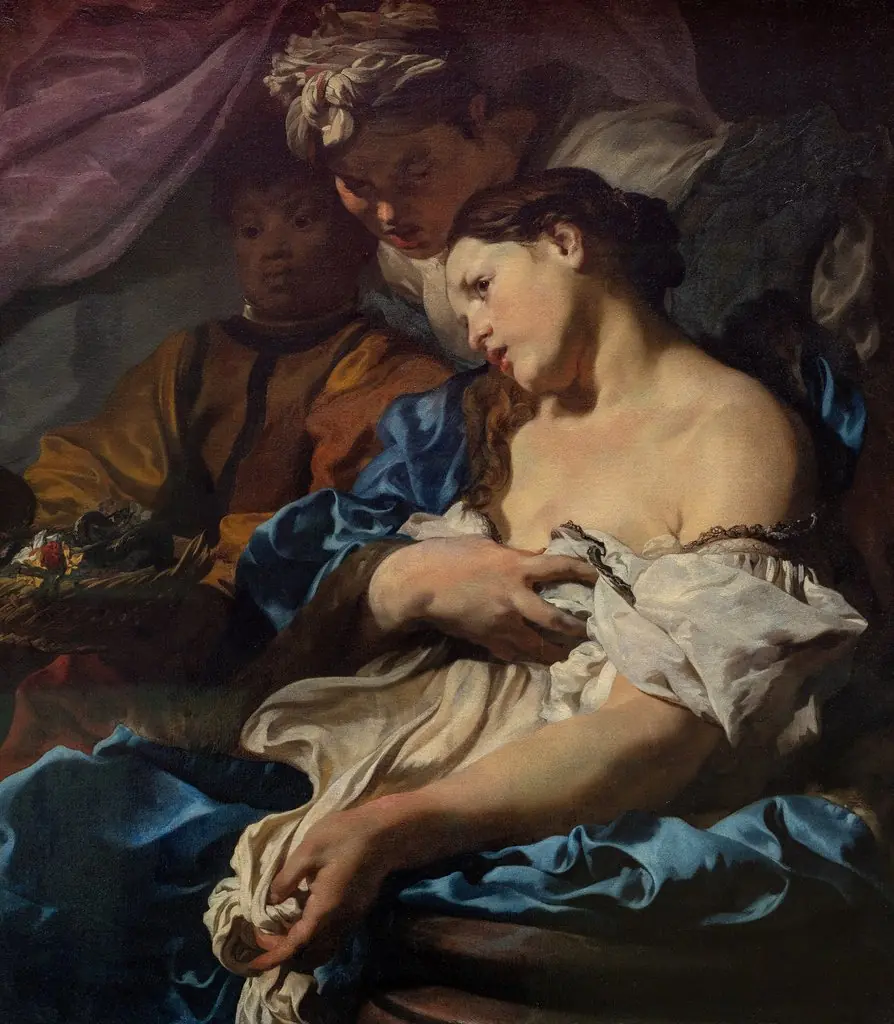
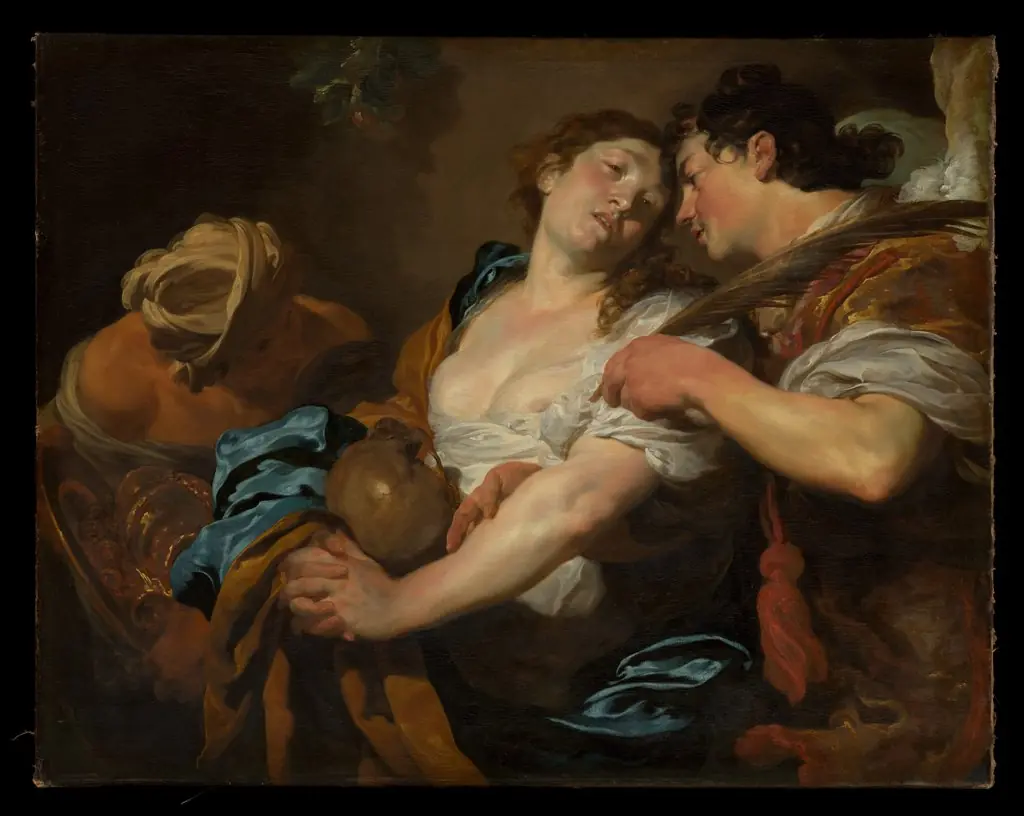
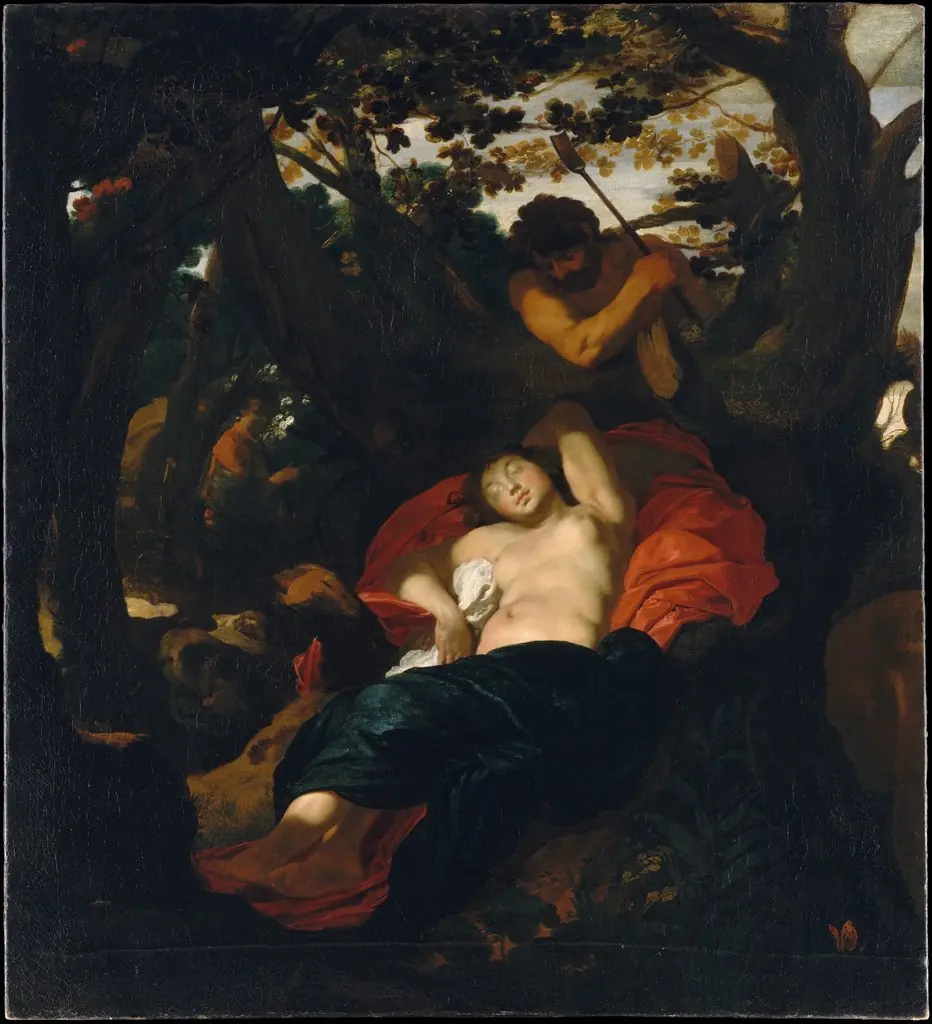
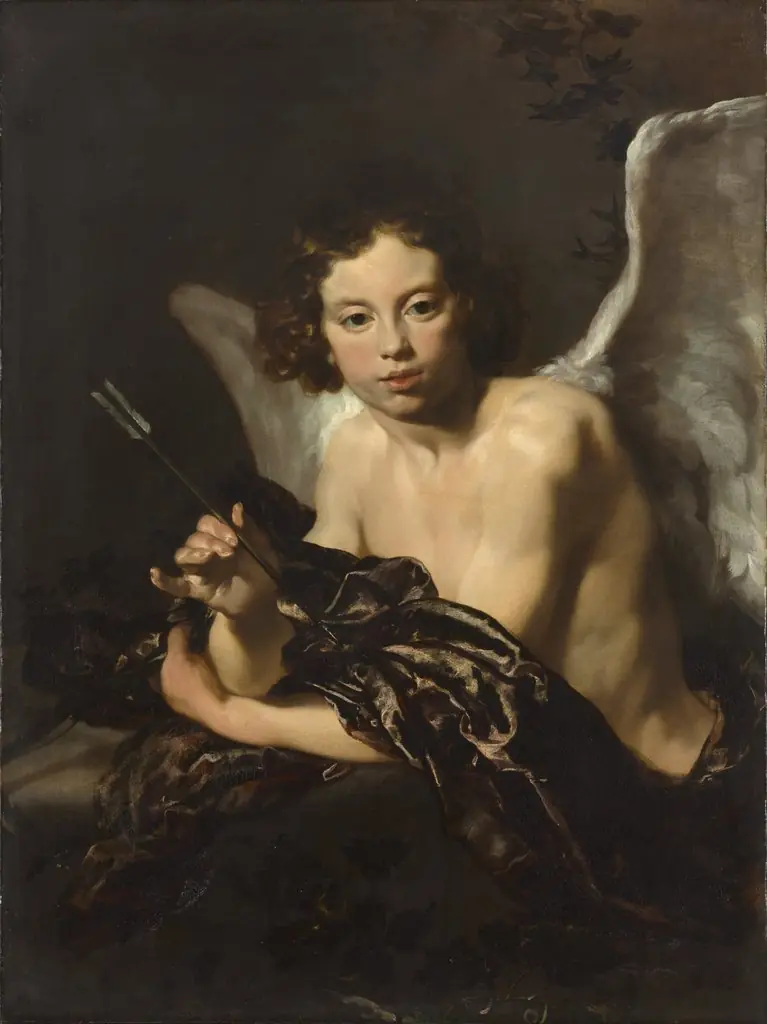
Franciscan Monk is an unspecified painting by the Rococo painting artist Johann Liss. It dates from 1730 and is held in the collection of the Statens Museum for Kunst.
About this work
Overview
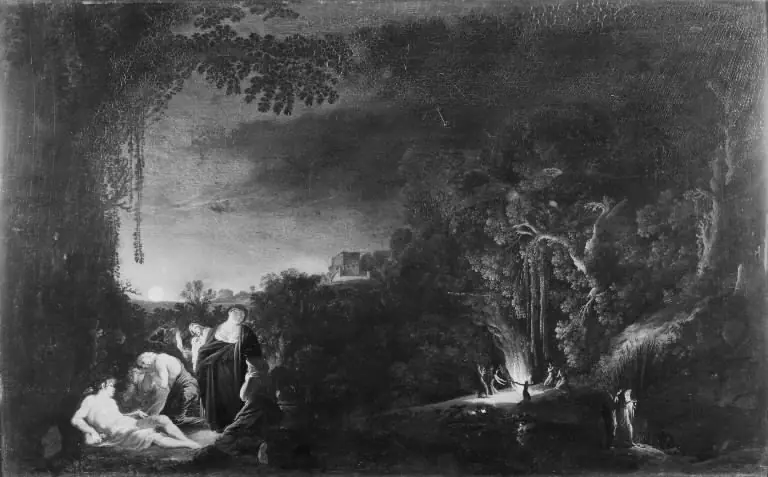
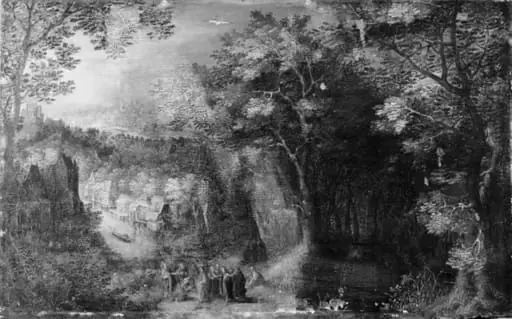
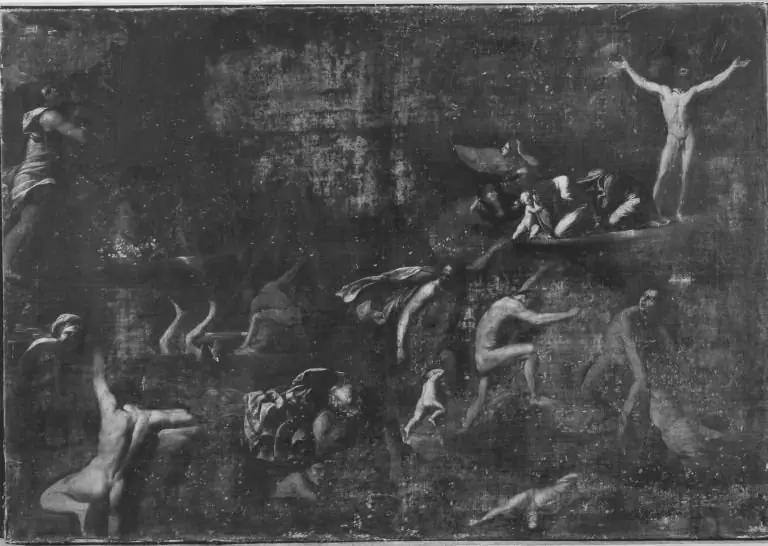
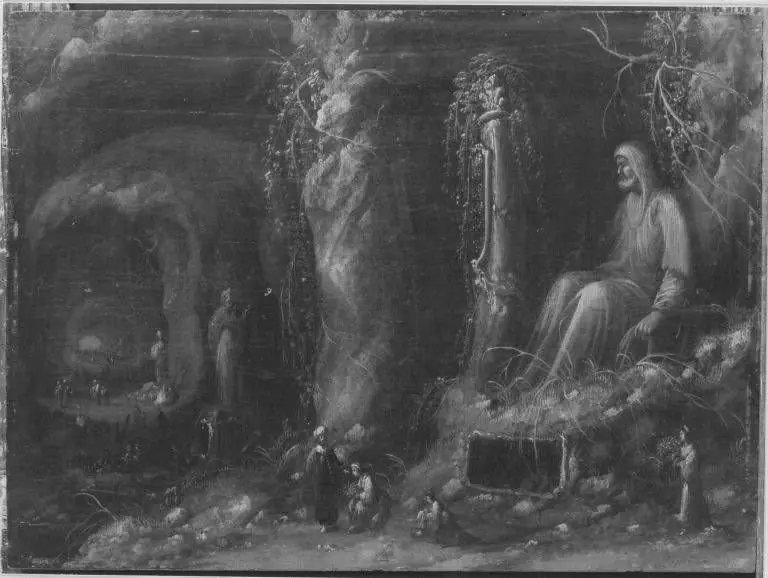
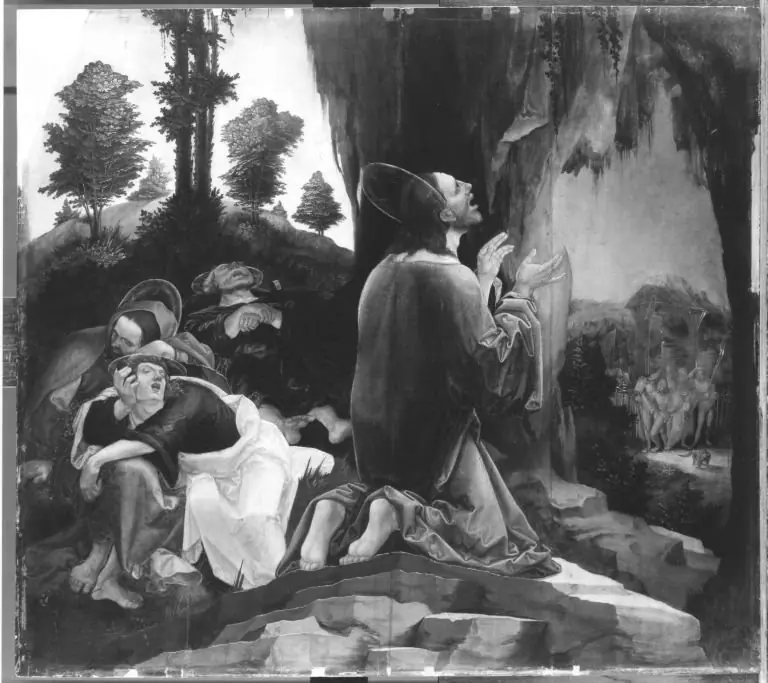
Created circa 1730, *Franciscan Monk* portrays a solitary religious figure in a tranquil natural setting. The composition centers on a monk in a dark habit, hands joined in prayer, surrounded by verdant foliage and a cluster of cherubic figures that suggest a heavenly presence. The painting is part of the collection of the Statens Museum for Kunst.
Subject & Meaning
The work presents a contemplative Franciscan monk, his posture and clasped hands emphasizing devotion and inner reflection. The inclusion of cherubs above him reinforces a sense of divine guidance, while the lush vegetation underscores a connection between the spiritual and the natural world.
Technique & Style
Although Johann Liss is primarily associated with the dramatic vigor of the Baroque, this later piece adopts the lighter, more decorative qualities typical of the Rococo. The brushwork is delicate, the palette softened, and the composition balances dynamic figure placement with ornamental foliage.
History & Provenance
Johann Liss, a German painter who spent much of his career in Venice, executed the painting toward the end of his life. After changing hands among private collectors, the canvas entered the Statens Museum for Kunst, where it remains on display.
Context
The early 18th century saw a shift from the intense chiaroscuro of the Baroque toward the airy elegance of Rococo. Liss’s *Franciscan Monk* reflects this transition, merging his skill in rendering expressive figures with the period’s preference for graceful, ornamental scenes.
Artist & collection
Artist
Johann Liss or Jan Lys (c. 1590 or 1597 – 1629 or 1630) was a leading German Baroque painter of the 17th century, active mainly in Venice.