Artwork
Stillleben
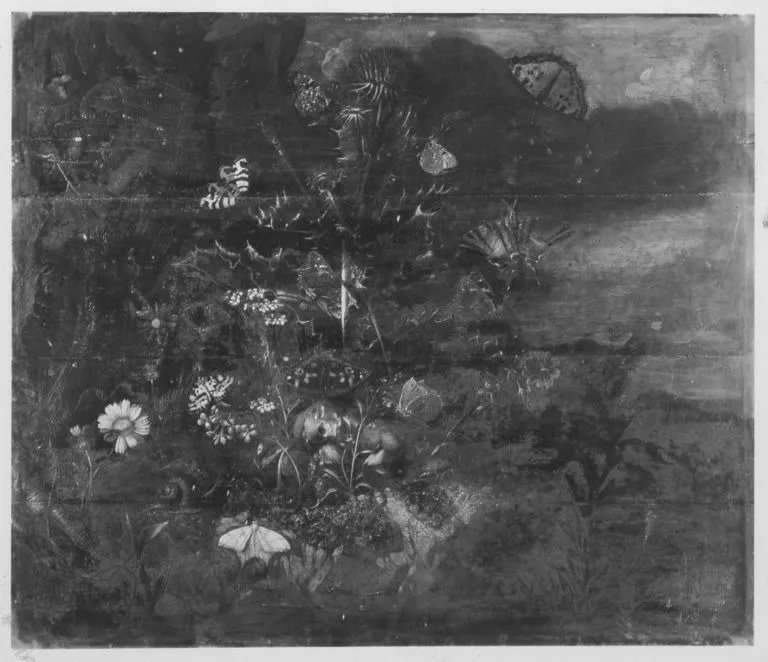
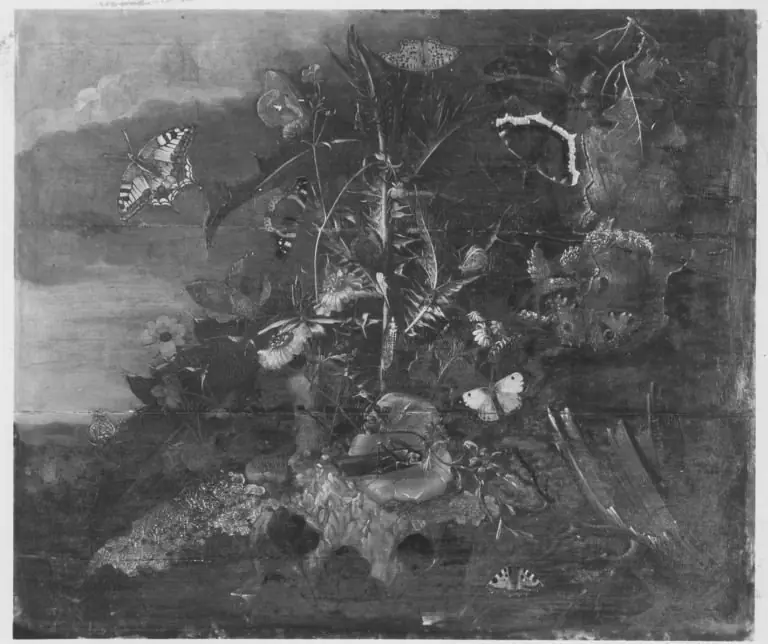
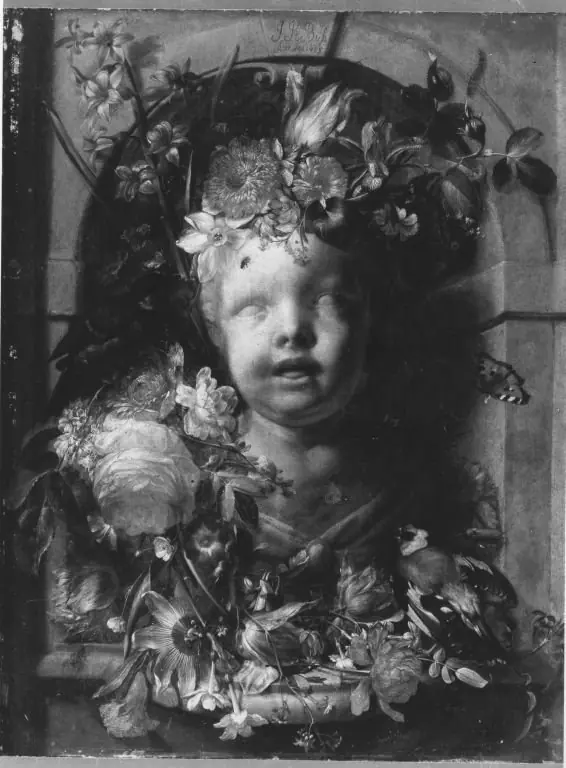
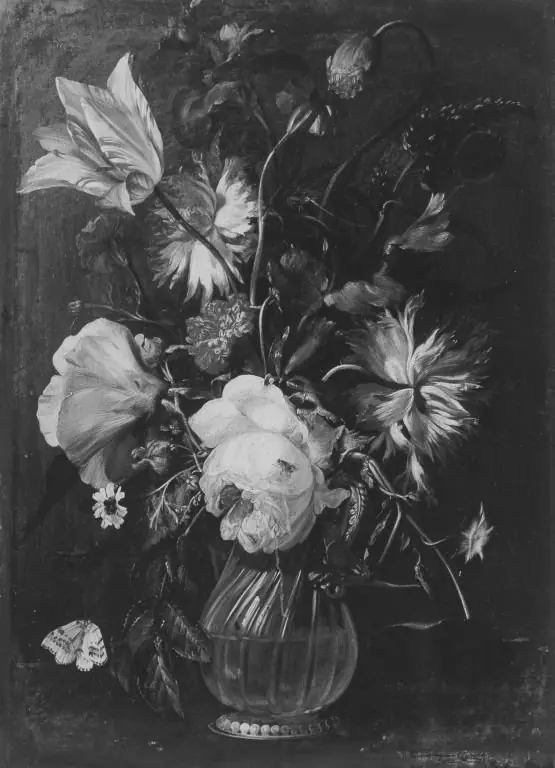
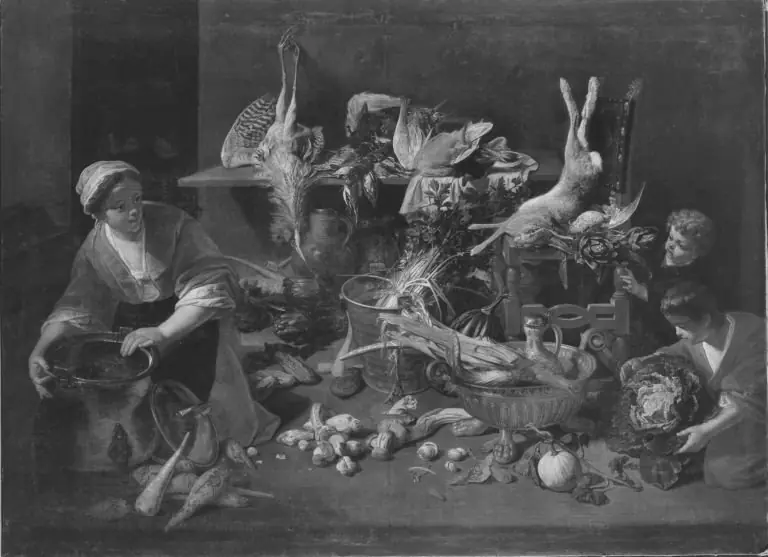
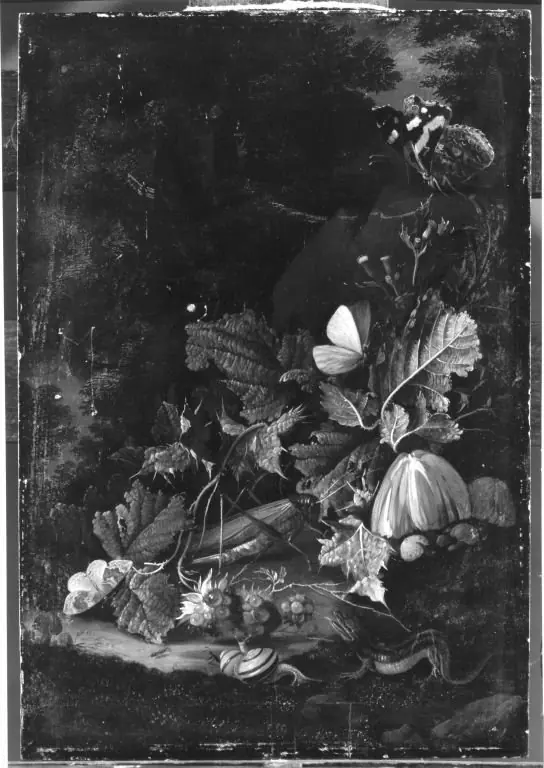
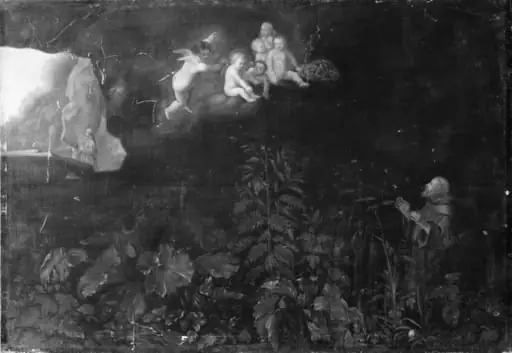
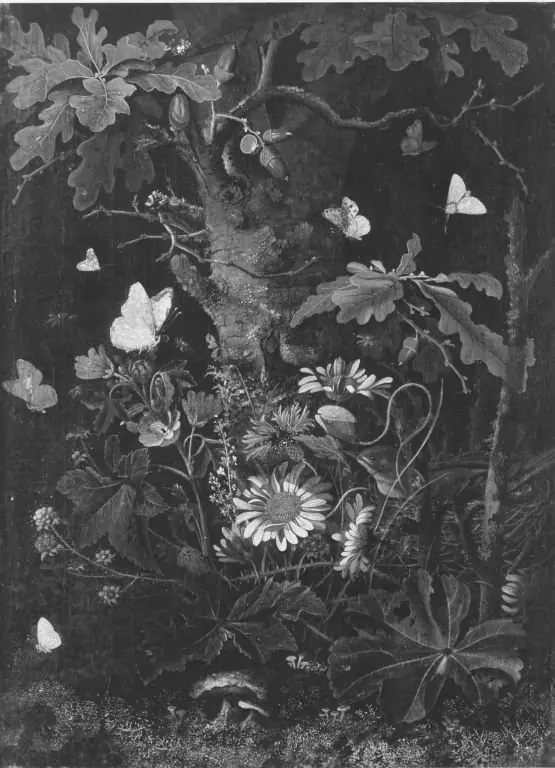
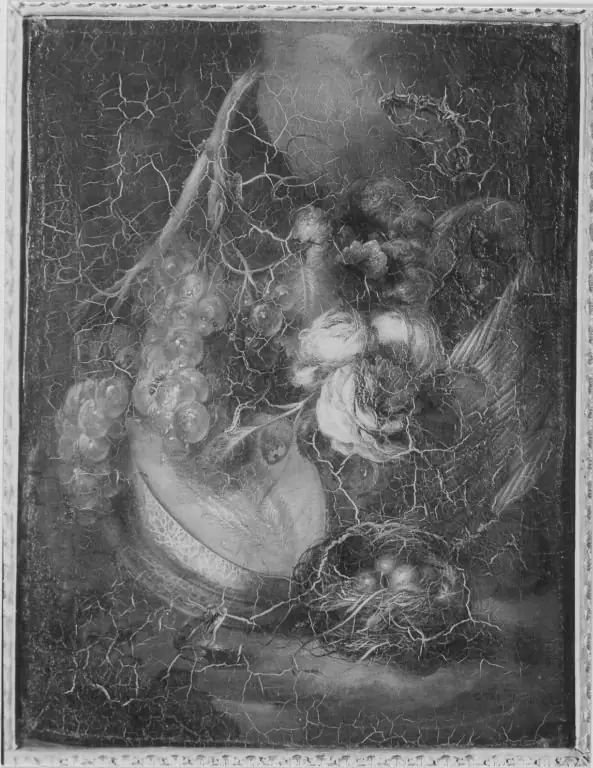
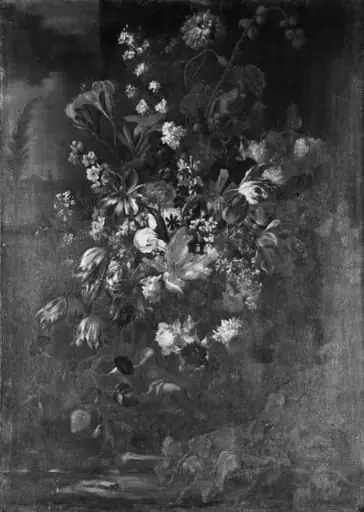
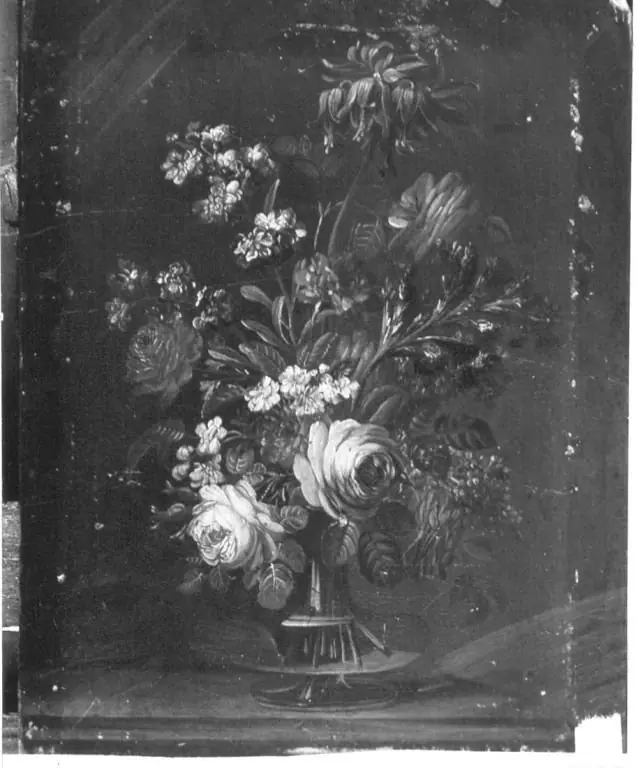
Stillleben is an unspecified painting by the Dutch Golden Age artist Johann Rudolf Byss. It dates from 1700 and is held in the collection of the Bavarian State Painting Collections.
About this work
Overview
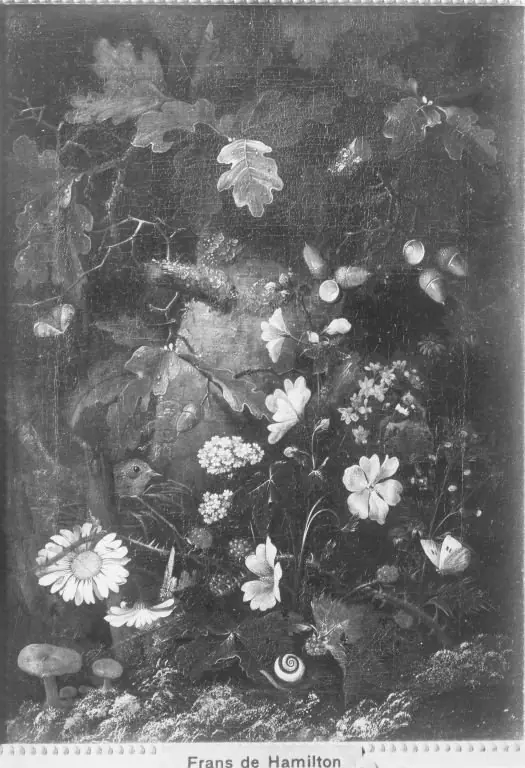
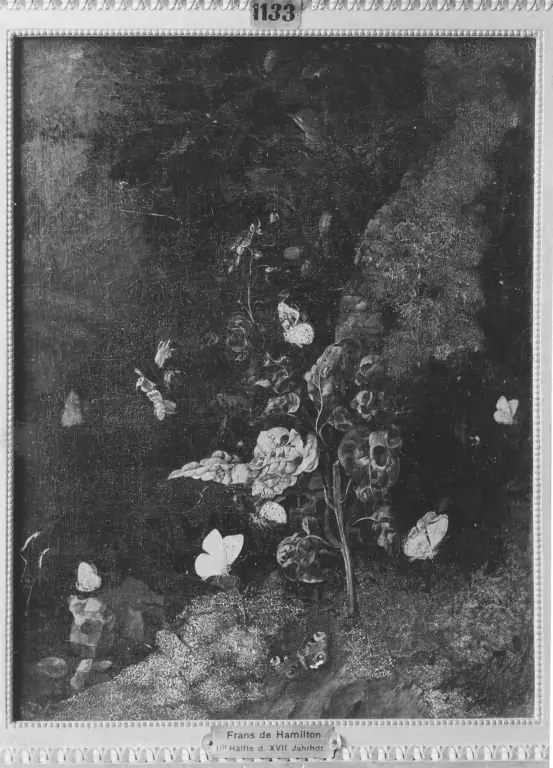
Johann Rudolf Byss’s still‑life, dated to the year 1700, presents a nocturnal tableau of assorted flora arranged against a deep, shadow‑filled backdrop.
Johann Rudolf Byss’s still‑life, dated to the year 1700, presents a nocturnal tableau of assorted flora arranged against a deep, shadow‑filled backdrop. The composition is dominated by a limited palette of black, gray and white, punctuated by a few lighter‑toned blossoms that emerge from the darkness. The overall effect is one of quiet intensity, drawing the viewer’s eye to the illuminated botanical elements.
Subject & Meaning
The work depicts a collection of plants and flowers rendered in a somber setting, suggesting a meditation on transience and the fleeting beauty of nature. By isolating the blossoms within a dark void, Byss emphasizes their delicate forms and colors, inviting contemplation of the contrast between life’s vitality and the surrounding gloom.
Technique & Style
Byss employs a pronounced chiaroscuro, using stark contrasts between illuminated areas and deep shadows to model the forms. This lighting strategy creates a sense of three‑dimensionality, making the petals appear to glow against the blackened background. The brushwork is restrained, focusing on tonal modulation rather than detailed texture, reinforcing the painting’s atmospheric mood.
History & Provenance
Created at the turn of the 18th century, the painting entered the collection of the Alte Pinakothek in Munich, where it remains on display. Its attribution to Byss is supported by archival records linking the artist to similar still‑life compositions produced around the same period.
Artist & collection