Artwork
Saint Sebastian
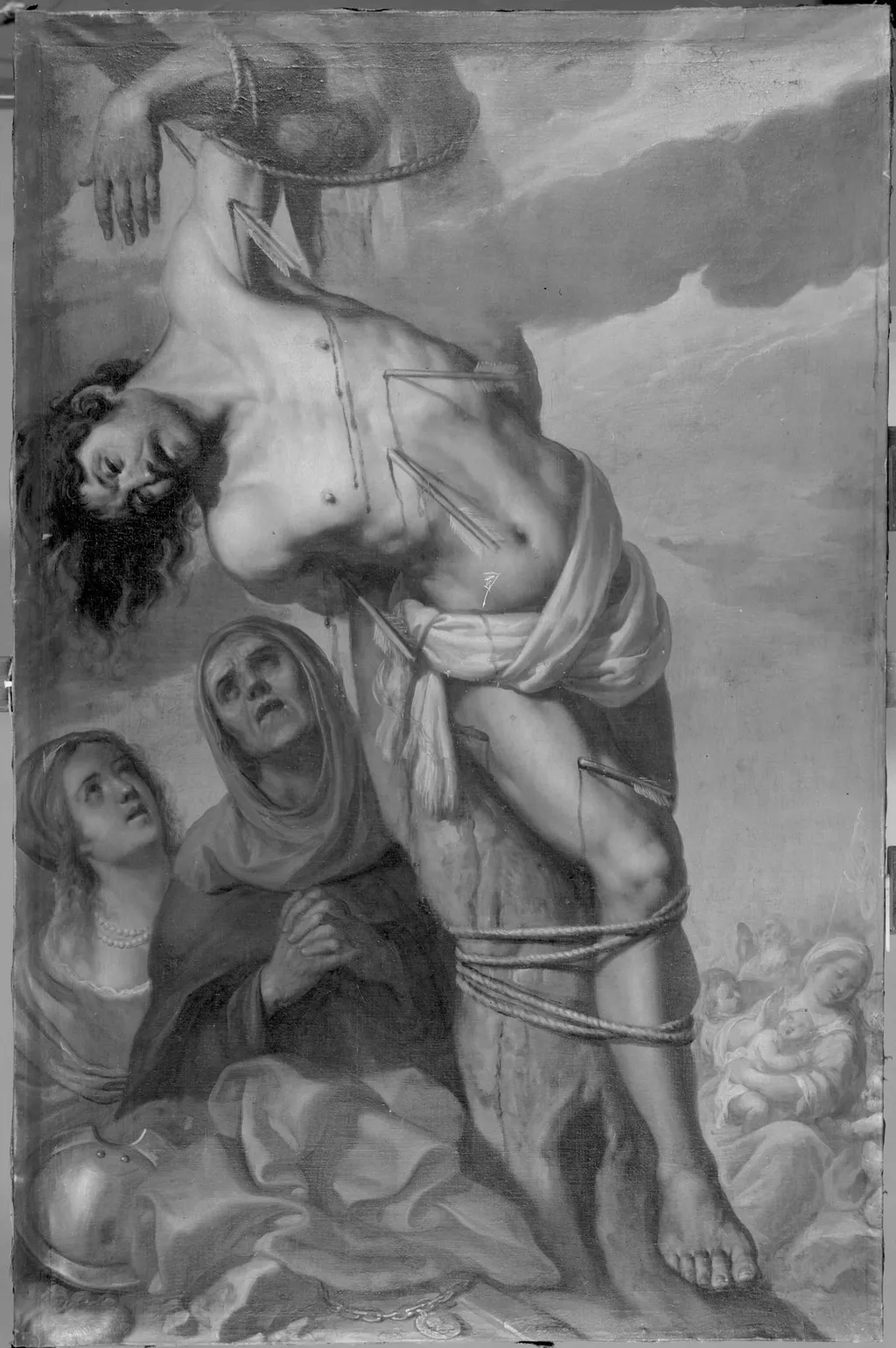
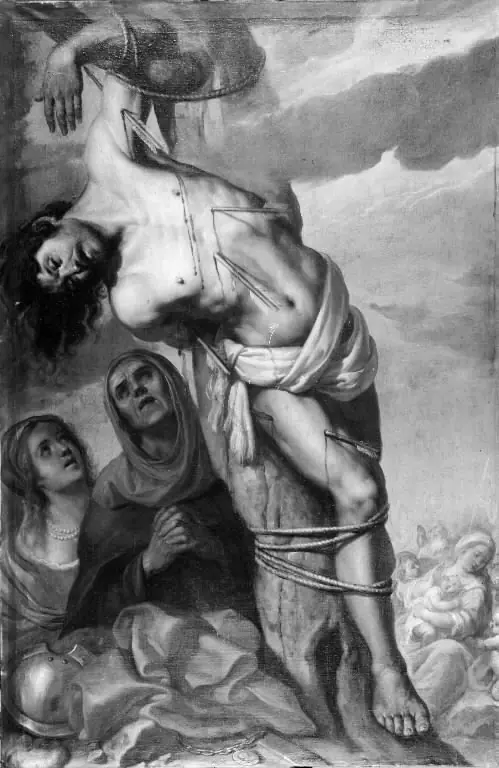
Saint Sebastian is a photography by Unknown. It dates from 1550 and is held in the collection of the Statens Museum for Kunst.
About this work
Overview
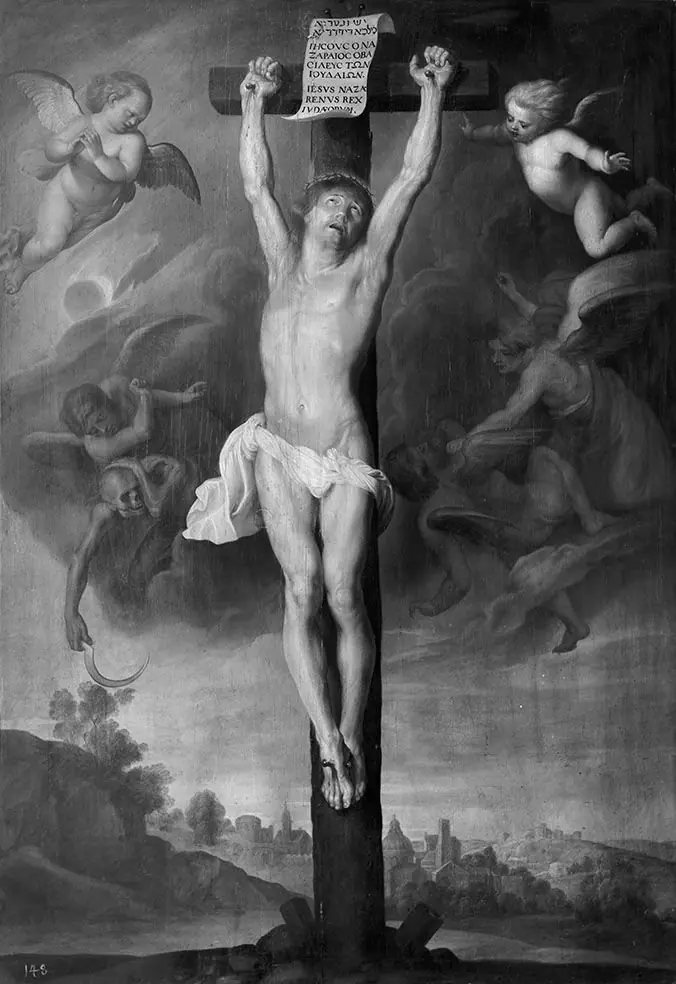
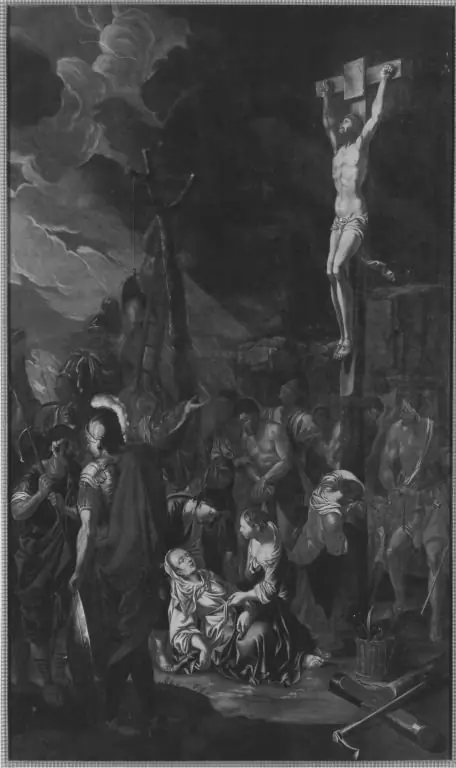
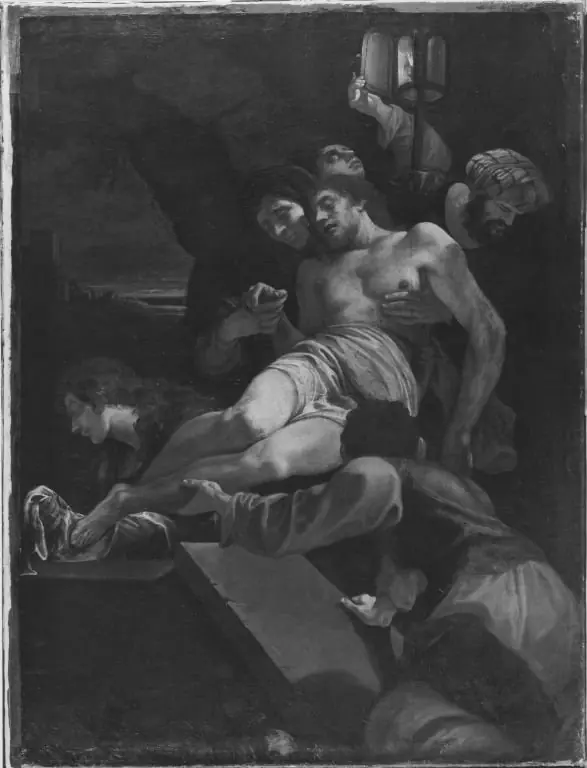
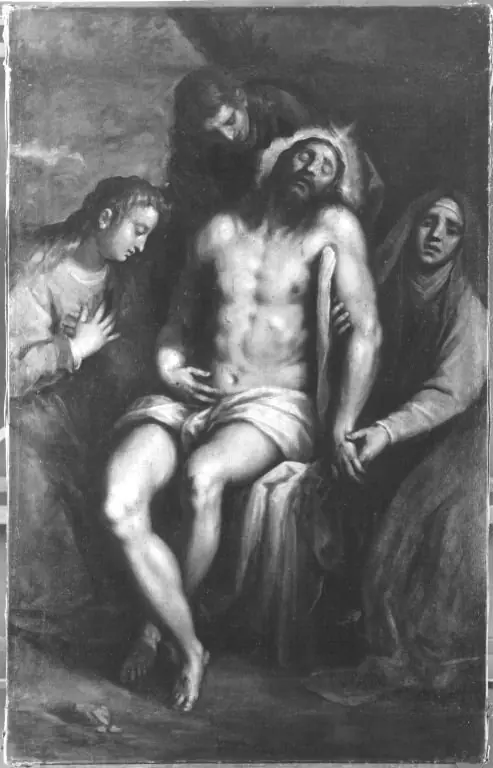
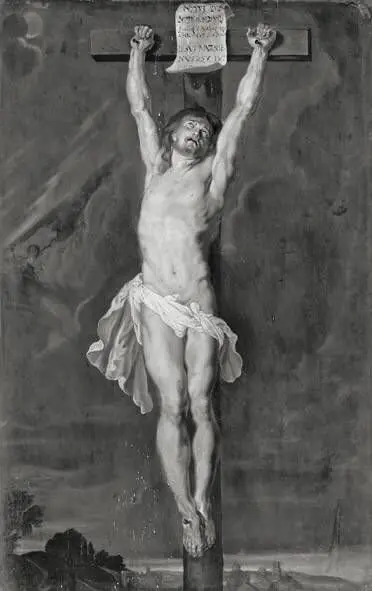
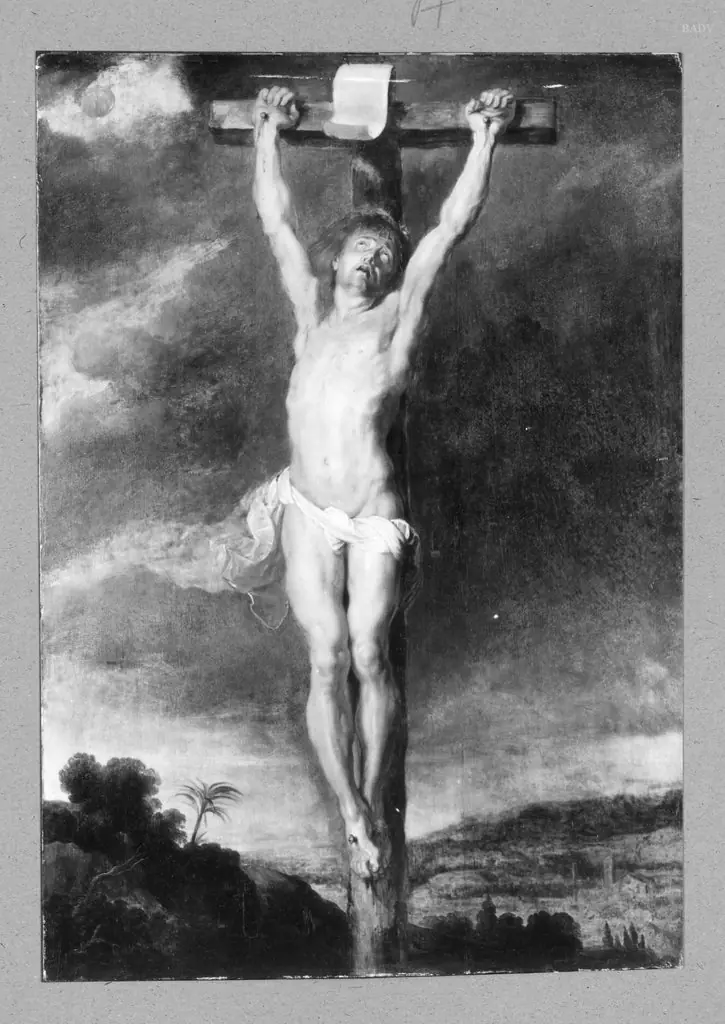
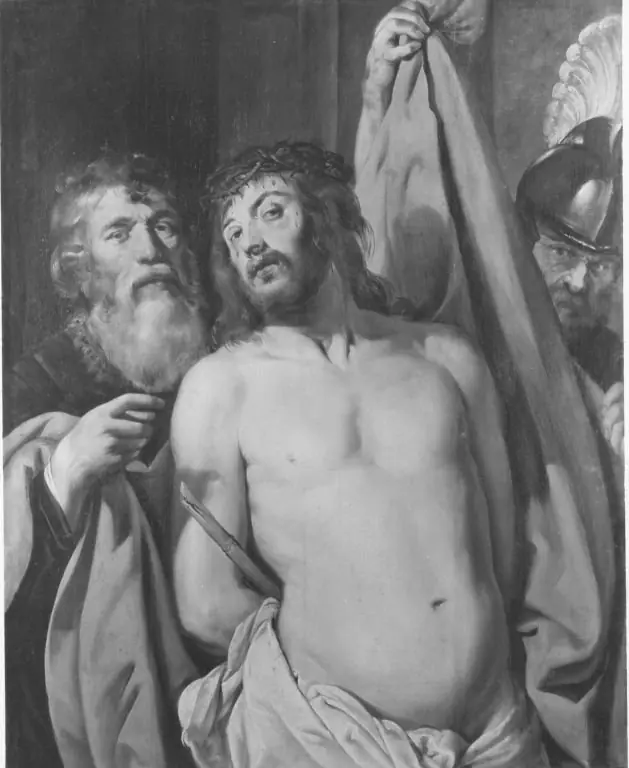
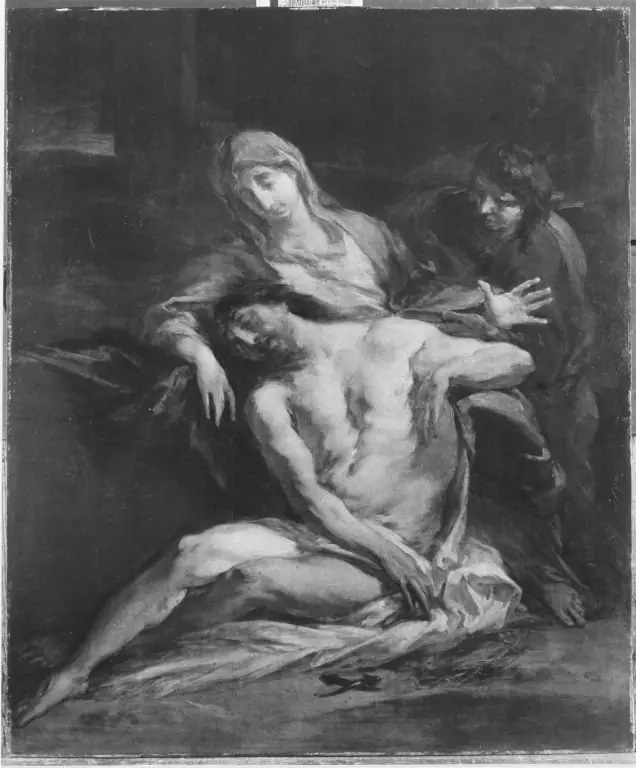
This oil painting, dated around 1550, portrays Saint Sebastian bound to a tree, his body illuminated against a dark, clouded sky.
This oil painting, dated around 1550, portrays Saint Sebastian bound to a tree, his body illuminated against a dark, clouded sky. The work is part of the collection at the Museum of Ethnography. Though attributed to an artist identified only by a numerical code, the composition reflects a devotional tradition common in mid-16th-century European religious art, emphasizing martyrdom through stark visual contrast and focused lighting.
Subject & Meaning
Saint Sebastian, a Christian martyr traditionally depicted pierced by arrows, is shown here bound but unharmed by arrows, focusing instead on his physical endurance. The presence of three women in the background, one holding a child, may suggest witnesses to his suffering or symbolic figures of faith and continuity. The scene conveys quiet resilience rather than violent torment, inviting contemplation of spiritual fortitude.
Technique & Style
The artist employs chiaroscuro to model the figure with sharp contrasts between light and shadow, enhancing the three-dimensionality of Sebastian’s torso and limbs. The background remains muted and atmospheric, allowing the central figure to emerge with sculptural clarity. Brushwork is restrained, favoring tonal gradation over fine detail, aligning with regional tendencies in devotional painting of the period.
History & Provenance
The painting entered the Museum of Ethnography’s collection in the late 19th century, though its earlier ownership remains undocumented. Its attribution to a single artist identified only by a numerical code suggests limited archival records. The work likely originated in a regional workshop, possibly in southern Europe, where such devotional images were produced for private or small-scale ecclesiastical use.
Context
Created during the Counter-Reformation, this image aligns with Catholic efforts to reinforce the veneration of martyrs through emotionally resonant imagery. While traditional depictions of Sebastian show him pierced by arrows, this version omits the arrows, possibly reflecting a shift toward symbolic suffering rather than literal violence. The inclusion of female figures may reflect contemporary devotional practices emphasizing maternal or communal witness.
Legacy
The painting contributes to a broader corpus of 16th-century religious imagery that prioritizes emotional restraint and spiritual symbolism over dramatic spectacle. Though not widely published or exhibited beyond its institutional home, it remains a quiet example of how regional artists adapted established iconography to suit localized devotional needs, preserving a subtle yet enduring visual language of faith.
Artist & collection

 Domestic Scene
 Giacomo and Cardinal Marco, investing Andrea, Abbot of San Zeno, with his Benefice
 The Nymph of Fontainebleau
 Portrait of a Woman
 Madonna and Child with Saints in the Enclosed Garden
 Venus and Minerva
 Family Group of Four on Sofa
 Wall painting from Room H of the Villa of P. Fannius Synistor at Boscoreale