Artwork
Armeria maritima (almindelig engelskgræs)
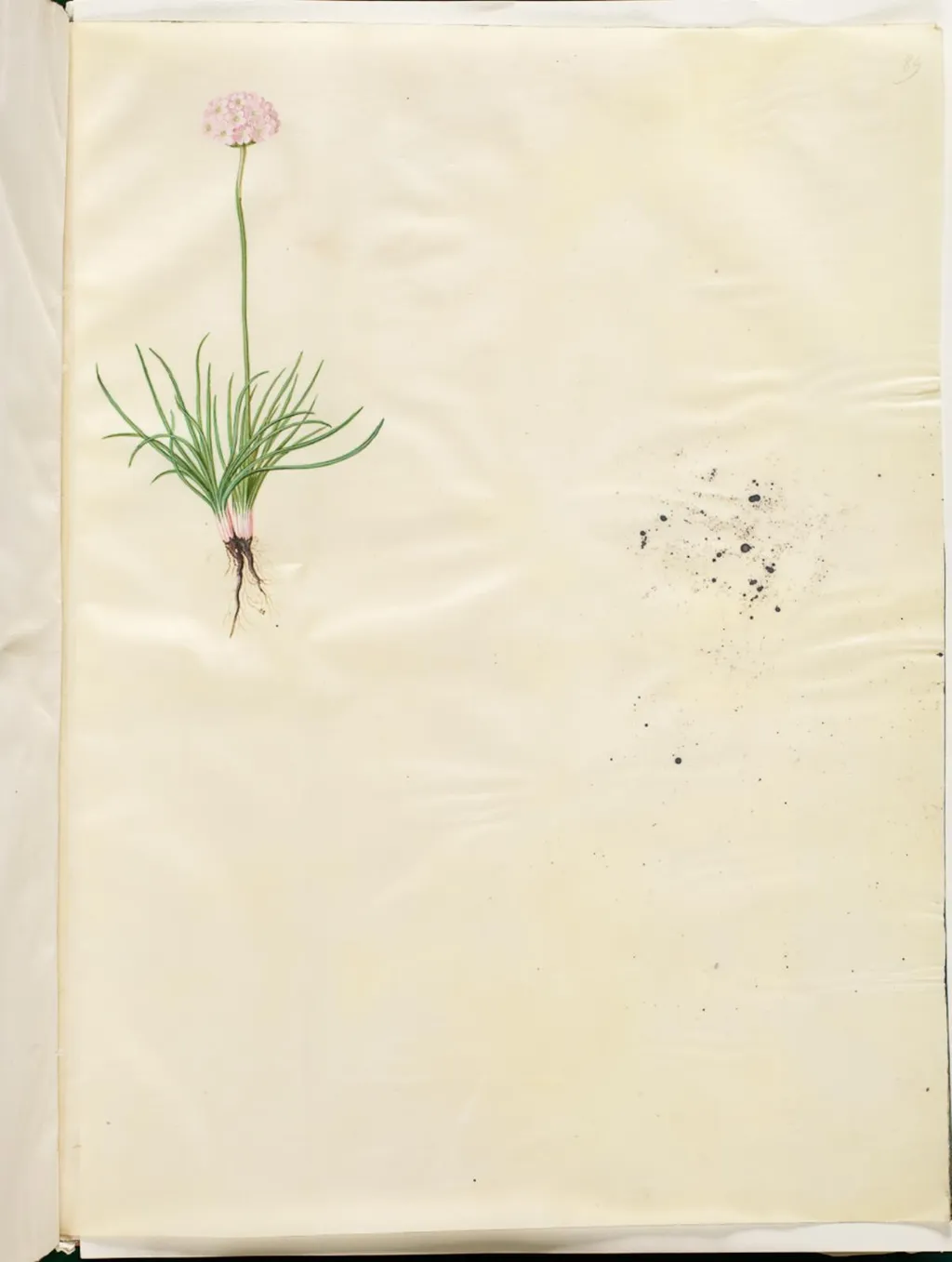
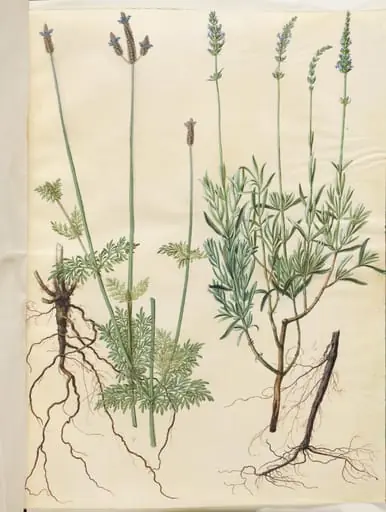
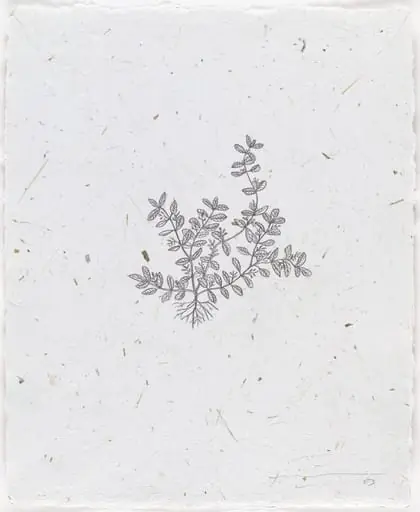
Armeria maritima (almindelig engelskgræs) is an unspecified work on paper by Unknown. It dates from 1654 and is held in the collection of the Statens Museum for Kunst. This watercolor painting, dated around 1654, depicts Armeria maritima, a coastal plant commonly known as sea thrift.
About this work
Overview
This watercolor painting, dated around 1654, depicts Armeria maritima, a coastal plant commonly known as sea thrift. Created by an artist identified only as 35199_person, the work is part of the Museum of Ethnography’s collection. Rendered with quiet precision, it captures a single specimen in naturalistic detail, reflecting a tradition of botanical observation common in early modern Europe.
Subject & Meaning
The subject is a single specimen of Armeria maritima, a hardy plant native to coastal regions. Its depiction emphasizes botanical accuracy rather than symbolic meaning. The isolated form against a pale background suggests a scientific intent—perhaps for study or documentation—rather than decorative purpose, aligning with the era’s growing interest in classifying natural specimens.
Technique & Style
The artist employed watercolor on paper, using fine brushwork to render the plant’s slender leaves and clustered pink blooms with subtle gradations of tone. The light yellow background enhances the plant’s form without distraction. The style is restrained and observational, prioritizing clarity and structural fidelity over embellishment, characteristic of early scientific illustration.
History & Provenance
The work’s origin is tied to a collector or naturalist active in mid-17th-century Europe, though the artist’s full identity remains unrecorded. It entered the Museum of Ethnography’s holdings through an unspecified acquisition, likely as part of a broader collection of natural history studies. Its survival suggests it was valued for its precision rather than its artistic fame.
Context
Created during a period when European scholars were systematically documenting flora, this painting reflects the intersection of science and art. Similar works were often compiled into herbaria or used in botanical texts. The focus on a single, unadorned specimen aligns with contemporary efforts to classify and understand plant species beyond ornamental use.
Legacy
Though not widely known outside institutional circles, the painting contributes to a larger body of early modern botanical records. It stands as a quiet example of how visual precision supported scientific inquiry before the advent of photography. Its preservation underscores the historical value placed on accurate natural representation.
Artist & collection

 Domestic Scene
 Giacomo and Cardinal Marco, investing Andrea, Abbot of San Zeno, with his Benefice
 The Nymph of Fontainebleau
 Portrait of a Woman
 Madonna and Child with Saints in the Enclosed Garden
 Venus and Minerva
 Family Group of Four on Sofa
 Wall painting from Room H of the Villa of P. Fannius Synistor at Boscoreale