Artwork
Aster amellus (virgil-asters); Symphyotrichum novi-belgii (nybelgisk asters); Symphyotrichum novae-angliae (nyengelsk asters); Symphyotrichum dumosum (pude-asters); Symphyotrichum ericoides (lyng-asters)
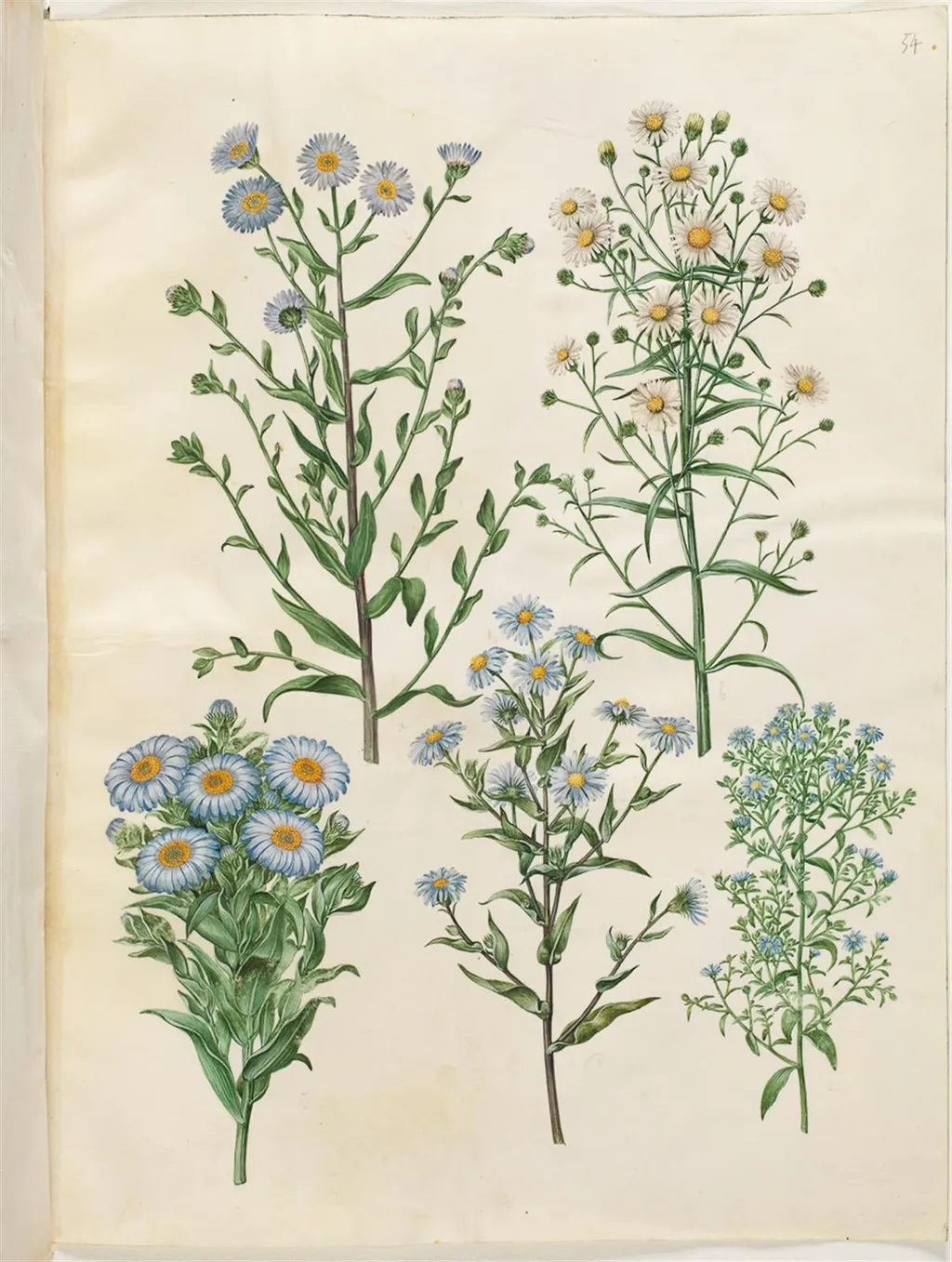
Aster amellus (virgil-asters); Symphyotrichum novi-belgii (nybelgisk asters); Symphyotrichum novae-angliae (nyengelsk asters); Symphyotrichum dumosum (pude-asters); Symphyotrichum ericoides (lyng-asters) is an unspecified work on paper by Unknown. It dates from 1654 and is held in the collection of the Statens Museum for Kunst. This image, dated around 1654, presents five species of flowering plants commonly known as asters.
About this work
Overview
Rendered in a detailed, observational style, each specimen is depicted individually against a neutral background.
This image, dated around 1654, presents five species of flowering plants commonly known as asters. Rendered in a detailed, observational style, each specimen is depicted individually against a neutral background. The composition emphasizes botanical accuracy over decorative flourish, reflecting a scholarly interest in plant classification during the mid-seventeenth century. The work is part of the collection at the Museum of Ethnography.
Subject & Meaning
The painting features Aster amellus and four species now classified under Symphyotrichum, including those native to northern Europe and eastern North America. These plants were likely chosen for their visual distinctness and regional significance. Their arrangement suggests an intent to document variation within a single botanical group, possibly for educational or taxonomic purposes rather than symbolic or ornamental ones.
Technique & Style
The artist employed soft, layered washes to capture the delicate hues of petals and leaves, avoiding sharp outlines. Each plant is rendered with attention to growth habit—some slender and upright, others dense and clustered. The pale yellow centers and pale blue or white rays are subtly graded, suggesting a watercolor technique that builds tone through translucent applications rather than bold strokes.
History & Provenance
Created circa 1654, the work’s origin is tied to a period when natural history illustration was gaining traction among European scholars. Though the artist’s identity remains unverified, the precision of the depictions aligns with contemporary botanical studies. It entered the Museum of Ethnography’s holdings through documented acquisition, likely as part of a broader collection of natural specimens.
Context
In the mid-1600s, European collectors and scientists increasingly sought to classify and illustrate flora from across the globe. This image reflects that trend, capturing plants that were either cultivated in gardens or collected from wild habitats. Such works supported emerging scientific networks, where visual records served as tools for communication before standardized photography or printing.
Legacy
Though unsigned and unattributed, the image stands as an example of pre-modern botanical documentation. Its quiet precision influenced later illustrative traditions in herbaria and botanical texts. Today, it remains a reference for understanding how early naturalists perceived and recorded plant diversity, bridging art and science without overt dramatization.
Artist & collection

 Domestic Scene
 Giacomo and Cardinal Marco, investing Andrea, Abbot of San Zeno, with his Benefice
 The Nymph of Fontainebleau
 Portrait of a Woman
 Madonna and Child with Saints in the Enclosed Garden
 Venus and Minerva
 Family Group of Four on Sofa
 Wall painting from Room H of the Villa of P. Fannius Synistor at Boscoreale
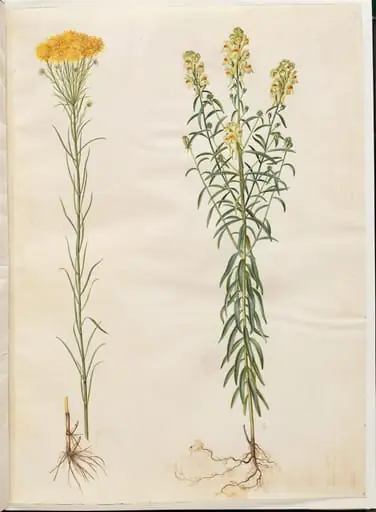 Aster linosyris (guldhår-asters); Linaria vulgaris (almindelig torskemund)
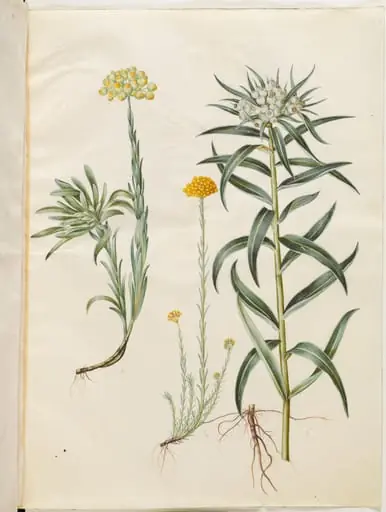 Helichrysum orientale (busk-evighedsblomst); Helichrysum Stoechas (stinkende evighedsblomst); Anaphalis margaritacea (almindelig perlekurv)
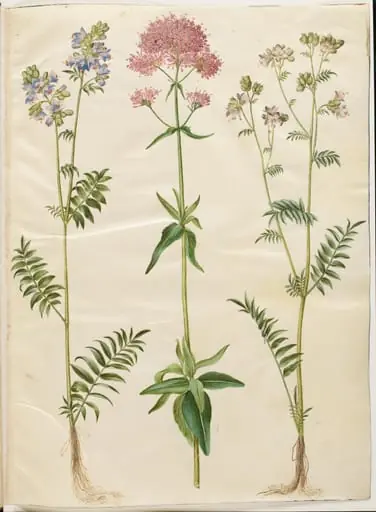 Polemonium caeruleum (almindelig jakobsstige); Centranthus ruber (rød sporebaldrian)
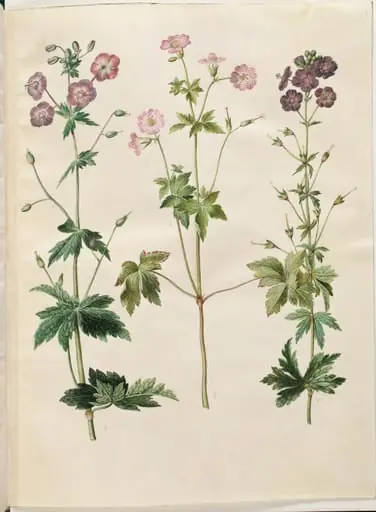 Geranium phaeum (bølgekronet storkenæb); Geranium versicolor (net-storkenæb)
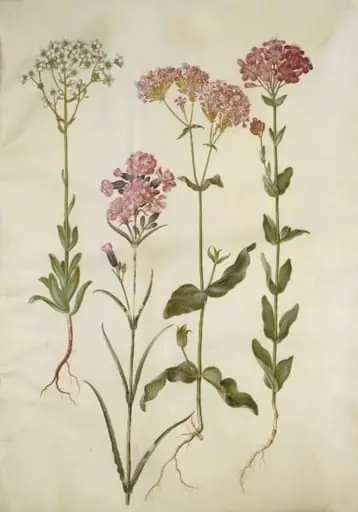 Saxifraga paniculata (klippe-stenbræk); Silene viscaria (almindelig tjærenellike); Silene armeria (knippe-limurt);
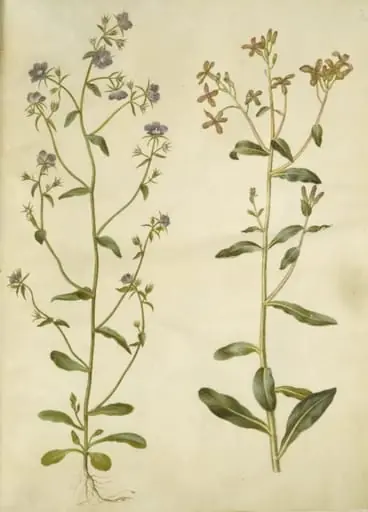 Legousia speculum-veneris (ægte venusspejl); Hesperis tristis (natviol)
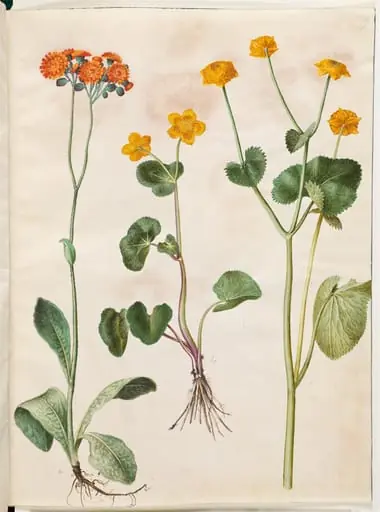 Pilosella aurantiaca (pomerans-høgeurt); Caltha palustris (eng-kabbeleje)
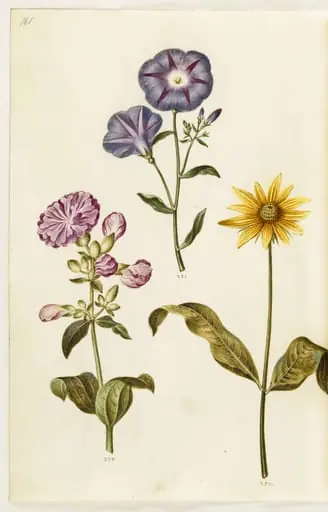 Saponaria officinalis (almindelig sæbeurt); Convolvulus tricolor (jomfruskørt); Helianthus (?) (solsikke-art)
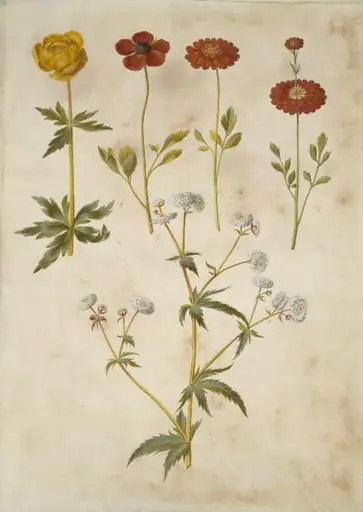 Trollius europaeus (europæisk engblomme); Ranunculus asiaticus (have-ranunkel); Ranunculus aconitifolius (sølvknap-ranunkel)