Artwork
Iris sibirica (sibirisk iris); Iris latifolia (engelsk iris)
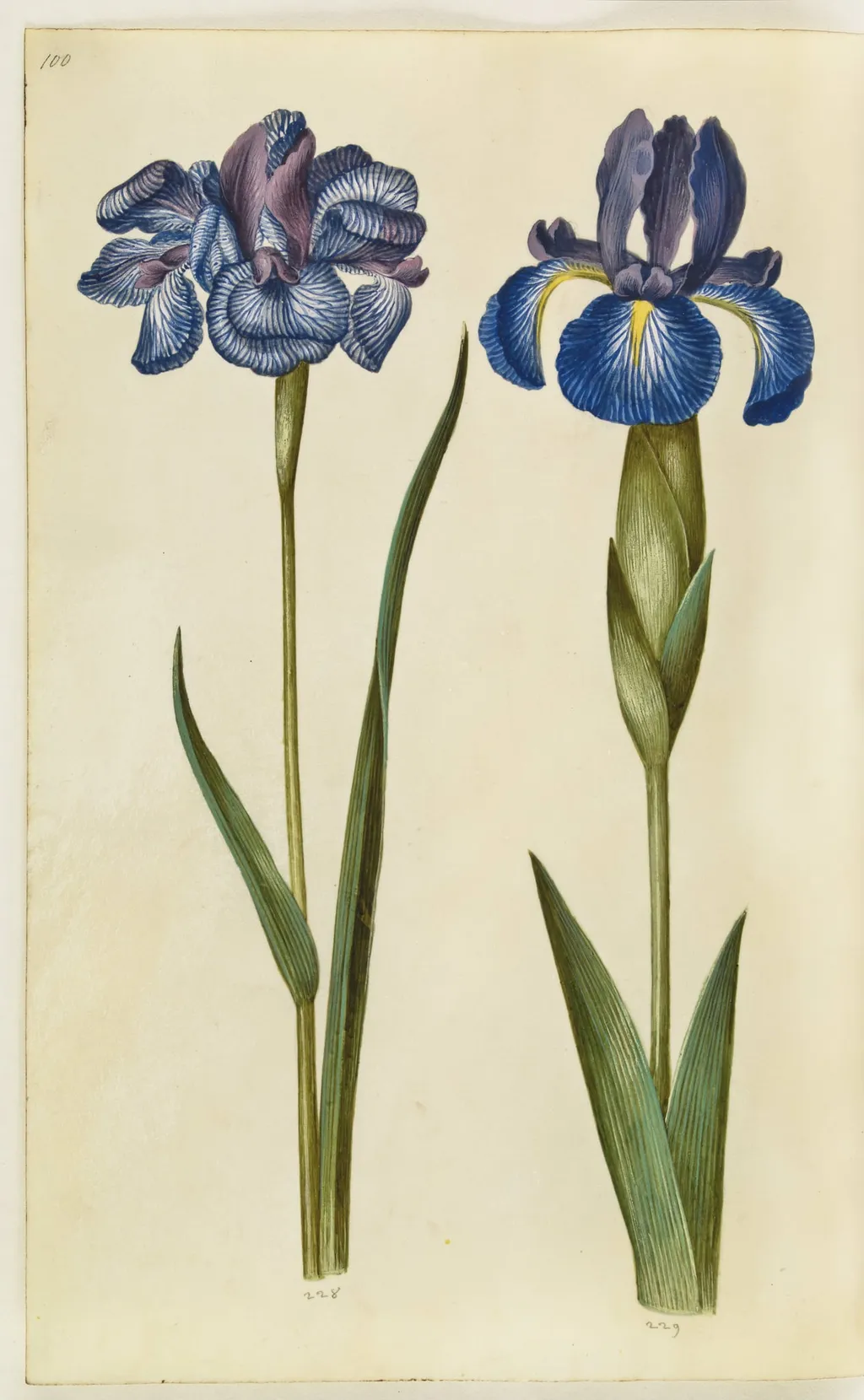
Iris sibirica (sibirisk iris); Iris latifolia (engelsk iris) is an unspecified work on paper by Unknown. It dates from 1650 and is held in the collection of the Statens Museum for Kunst. This watercolor painting, dated around 1650, depicts two species of iris: Iris sibirica and Iris latifolia.
About this work
Overview
This watercolor painting, dated around 1650, depicts two species of iris: Iris sibirica and Iris latifolia. Rendered with careful observation, the work presents each flower in naturalistic detail against a pale, neutral background. The composition is simple yet precise, focusing solely on the botanical subjects without decorative elements or contextual cues.
Subject & Meaning
The painting features two distinct iris varieties, distinguished by petal color and form. One displays purple and white petals curled inward; the other, blue and white, with petals fully extended. These species were likely chosen for their botanical clarity and visual contrast, serving as a study in floral diversity rather than symbolic representation.
Technique & Style
Executed in watercolor, the work emphasizes fine detail and subtle gradations of tone. Veins in the leaves are delicately rendered, and the texture of the petals suggests softness through layered washes. The absence of shadow or depth reinforces a scientific intent, prioritizing accurate representation over atmospheric effect.
History & Provenance
The painting is held in the collection of the Museum of Ethnography, though its origin and the identity of the artist remain undocumented. Created in the mid-17th century, it likely belonged to a private collection of botanical illustrations, possibly used for study or cataloging purposes before entering institutional care.
Context
During the 1600s, detailed floral illustrations were increasingly produced as part of broader efforts to classify and document plant life. This work aligns with the tradition of scientific botany emerging in Europe, where accurate depictions served both scholarly and horticultural interests, often independent of artistic trends.
Legacy
Though the artist’s name is unrecorded, the painting contributes to a historical archive of botanical accuracy. Its preservation reflects the value placed on precise visual records in early natural history, offering insight into how plants were observed and understood before modern photographic documentation.
Artist & collection

 Domestic Scene
 Giacomo and Cardinal Marco, investing Andrea, Abbot of San Zeno, with his Benefice
 The Nymph of Fontainebleau
 Portrait of a Woman
 Madonna and Child with Saints in the Enclosed Garden
 Venus and Minerva
 Family Group of Four on Sofa
 Wall painting from Room H of the Villa of P. Fannius Synistor at Boscoreale
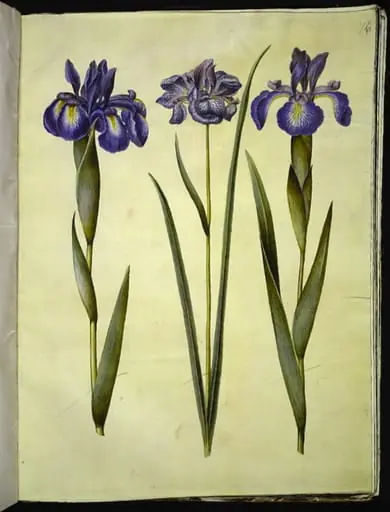 Iris latifolia (engelsk iris); Iris sibirica (sibirisk iris)
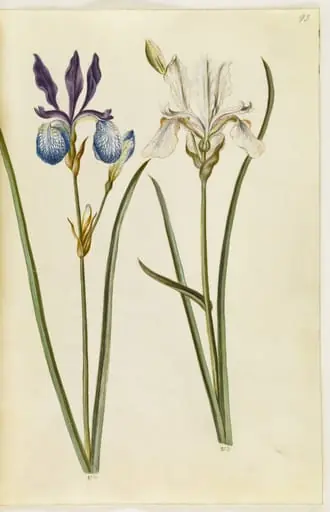 Iris sibirica (sibirisk iris)
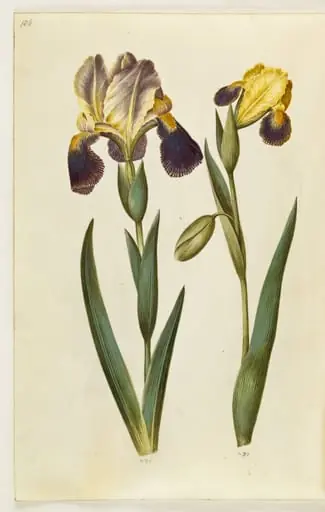 Iris ×germanica eller Iris ×sambucina (have-iris eller hylde-iris); Iris variegata (broget iris)
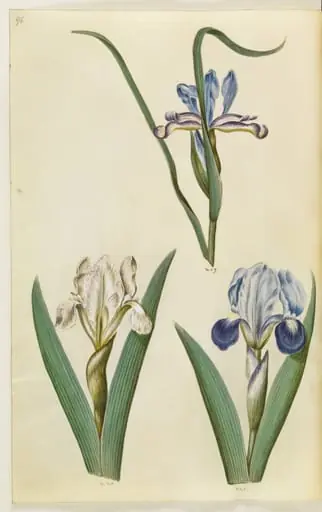 Iris graminea (græsbladet iris); Iris lutescens eller Iris pumila (?) (dværg-iris eller lav iris)
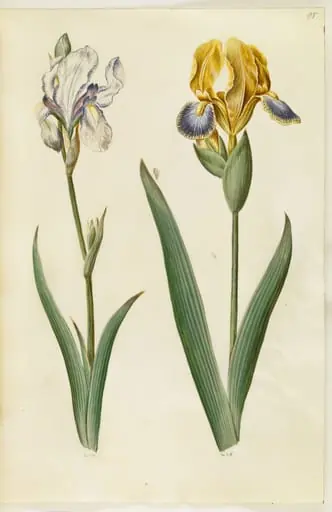 Iris pallida (bleg iris); Iris variegata (broget iris)
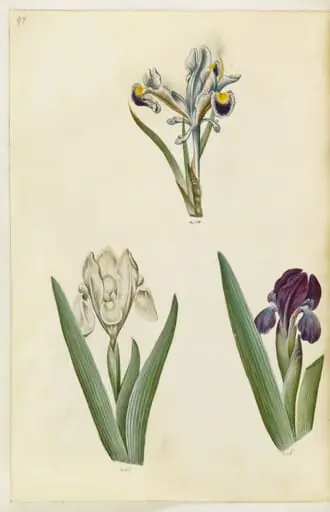 Iris persica (persisk iris); Iris lutescens eller Iris pumila (?) (dværg-iris eller lav iris)
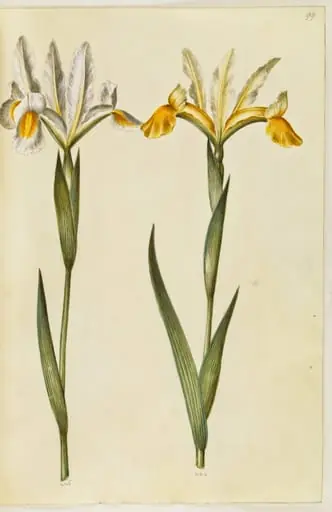 Iris xiphium, evt. Iris latifolia (?) (spansk iris eller engelsk iris)
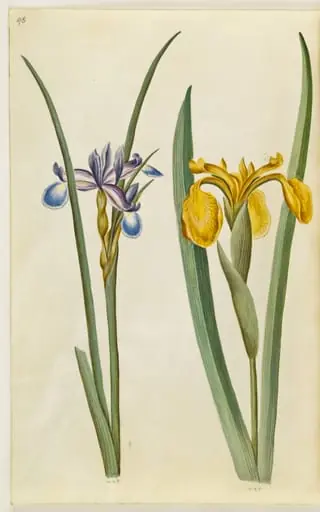 Iris graminea (græsbladet iris); Iris pseudacorus (gul iris)
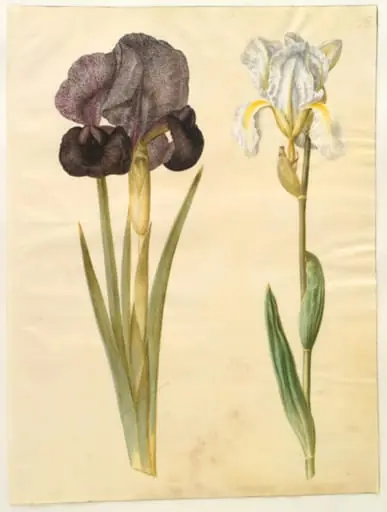 Iris susiana (sørge-iris); Iris ×florentina (violrod)
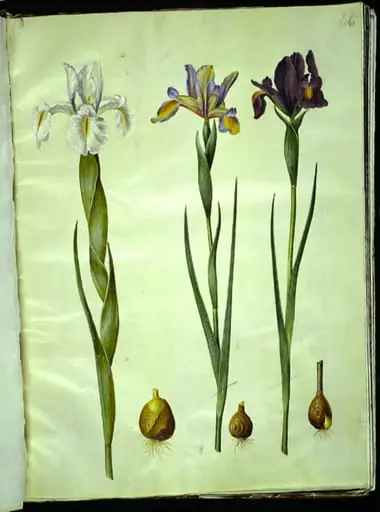 Iris latifolia (engelsk iris); Iris xiphium (spansk iris)
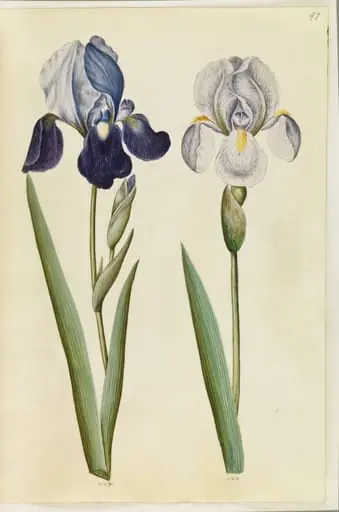 Iris ×germanica eller Iris ×sambucina (?) (have-iris eller hylde-iris); Iris ×germanica (have-iris)
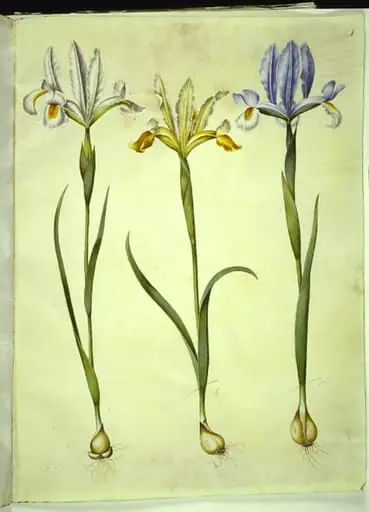 Iris xiphium (spansk iris) eller Iris latifolia (engelsk iris); Iris xiphium (spansk iris)