Artwork
Polygonatum multiflorum (stor konval); Polygonatum odoratum (kantet konval)
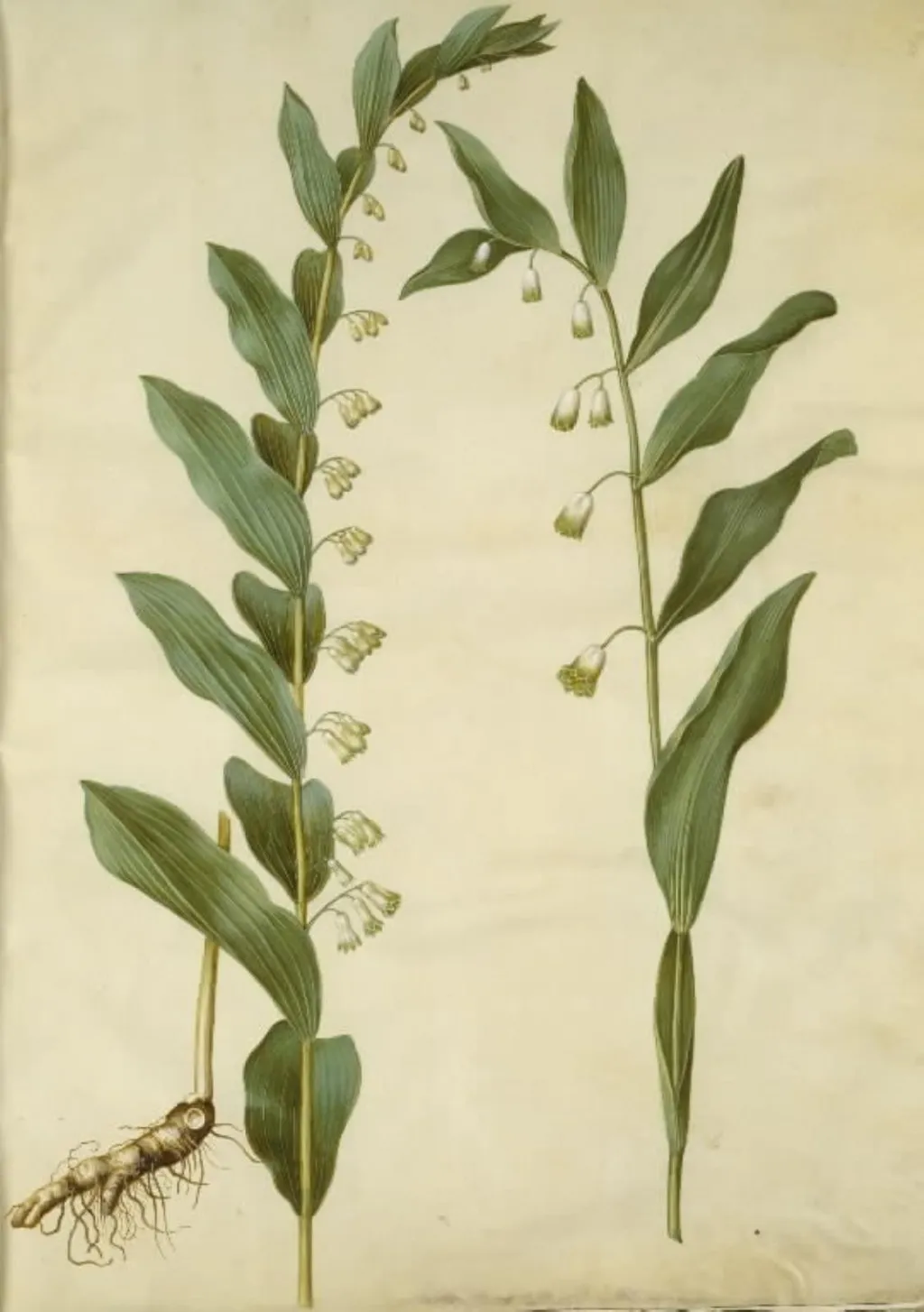
Polygonatum multiflorum (stor konval); Polygonatum odoratum (kantet konval) is an unspecified work on paper by Unknown. It dates from 1654 and is held in the collection of the Statens Museum for Kunst. This botanical illustration, dated around 1654, depicts two species of Solomon’s seal: Polygonatum multiflorum and Polygonatum odoratum.
About this work
Overview
This botanical illustration, dated around 1654, depicts two species of Solomon’s seal: Polygonatum multiflorum and Polygonatum odoratum. Rendered in watercolor on paper, the work emphasizes precise naturalistic detail. It is part of the collection at the Museum of Ethnography, where it serves as a record of plant forms observed in early modern Europe.
Subject & Meaning
The painting presents two closely related herbaceous plants, distinguished by their arching stems, elongated leaves, and pendant white flowers.
The painting presents two closely related herbaceous plants, distinguished by their arching stems, elongated leaves, and pendant white flowers. The inclusion of exposed root systems suggests an interest in botanical structure beyond mere aesthetics. These plants were known in European herbal traditions for medicinal use, though the image itself avoids symbolic or cultural context, focusing instead on identification.
Technique & Style
Executed in delicate watercolor, the work employs subtle gradations of green and white to model the leaves and flowers. The background is left unadorned, directing attention to the plants’ form. Fine brushwork captures the texture of petals and the fine filaments of roots, reflecting a methodical approach typical of scientific illustration of the period.
History & Provenance
Created circa 1654, the piece is attributed to an artist identified only as 35199_person, likely a naturalist or illustrator working within a European scholarly tradition. It entered the Museum of Ethnography’s holdings through documented acquisitions, possibly as part of a larger collection of botanical studies compiled for educational or archival purposes.
Context
During the mid-seventeenth century, European naturalists increasingly documented flora with scientific rigor, often for use in herbals or university instruction. This work aligns with that trend, reflecting a shift from decorative plant imagery toward systematic observation. Similar illustrations were produced across Germany, the Netherlands, and Scandinavia by artists attached to botanical gardens or medical schools.
Legacy
Though unsigned and anonymous in authorship, the painting contributes to a broader archive of early modern botanical records. Its clarity and restraint make it a useful reference for identifying species, and it remains a quiet example of how visual precision supported the growth of plant science before the advent of photography.
Artist & collection

 Domestic Scene
 Giacomo and Cardinal Marco, investing Andrea, Abbot of San Zeno, with his Benefice
 The Nymph of Fontainebleau
 Portrait of a Woman
 Madonna and Child with Saints in the Enclosed Garden
 Venus and Minerva
 Family Group of Four on Sofa
 Wall painting from Room H of the Villa of P. Fannius Synistor at Boscoreale
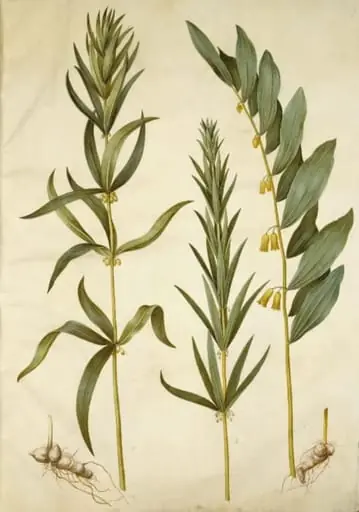 Polygonatum verticillatum (krans-konval); Polygonatum multiflorum (stor konval)
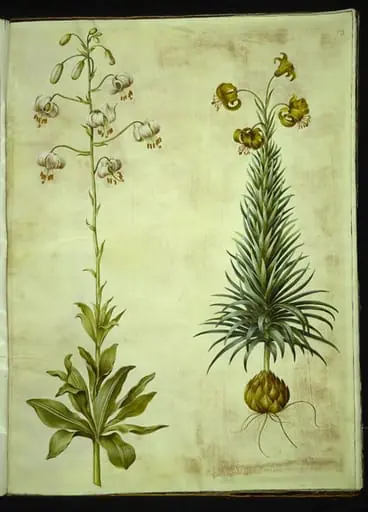 Lilium martagon (krans-lilje); Lilium pyrenaicum (pyrenæisk lilje)
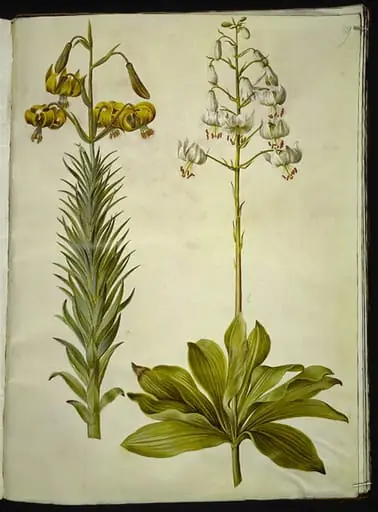 Lilium pyrenaicum (pyrenæisk lilje); Lilium martagon (krans-lilje)
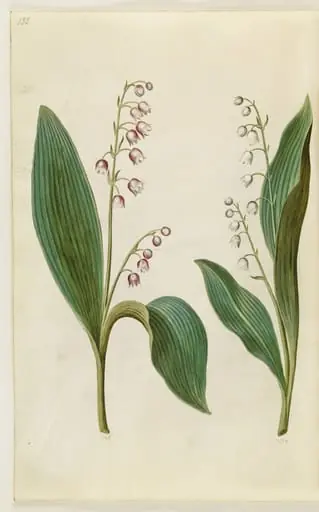 Convallaria majalis rosea (rød liljekonval); Convallaria majalis (liljekonval)
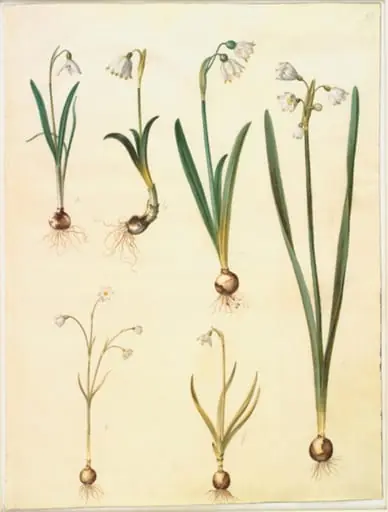 Galanthus nivalis (almindelig vintergæk); Leucojum vernum (dorotealilje); Leucojum aestivum (sommer-hvidblomme); Leucojum autumnale (høst-hvidblomme)
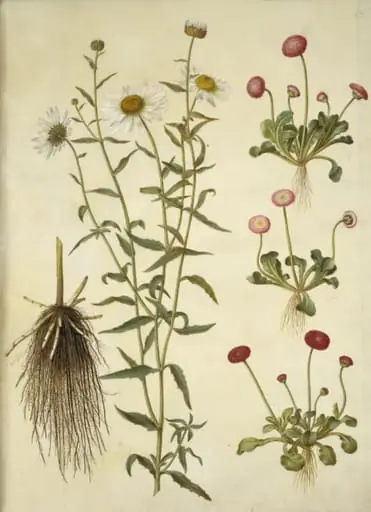 Leucanthemum vulgare (hvid okseøje); Bellis perennis (almindelig tusindfryd)