Artwork
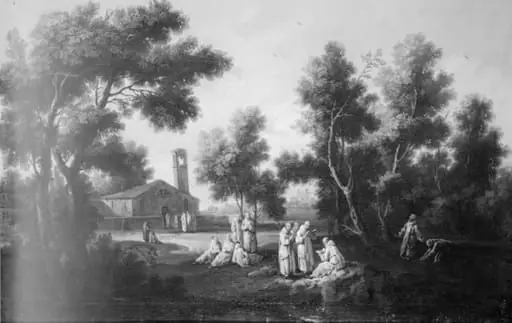
Læsende og bedende munke
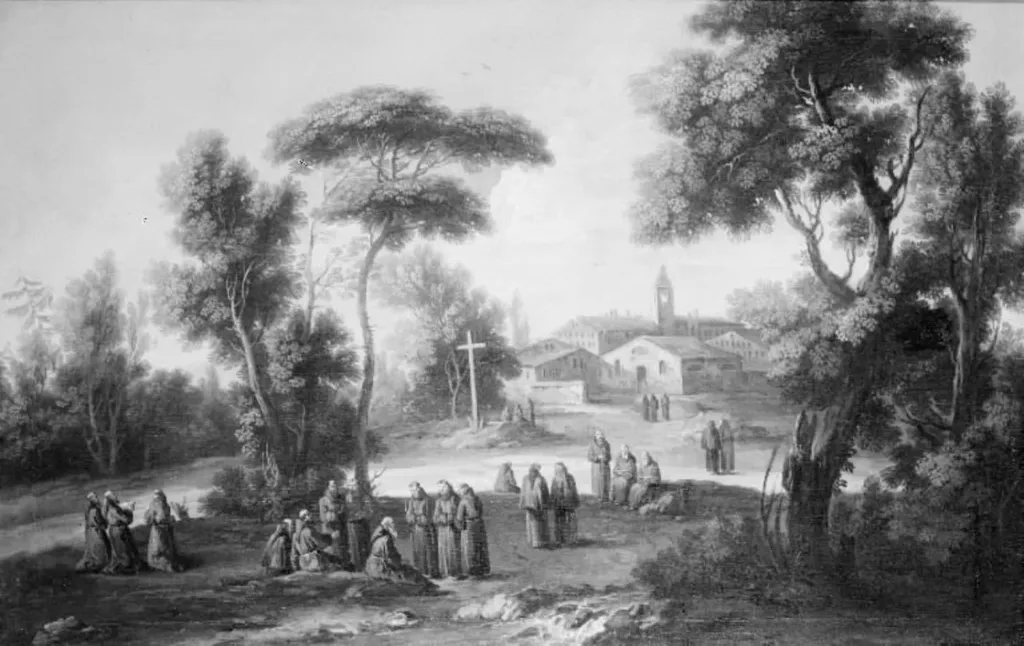
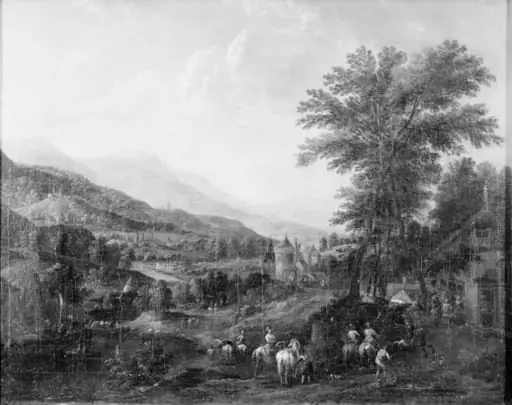
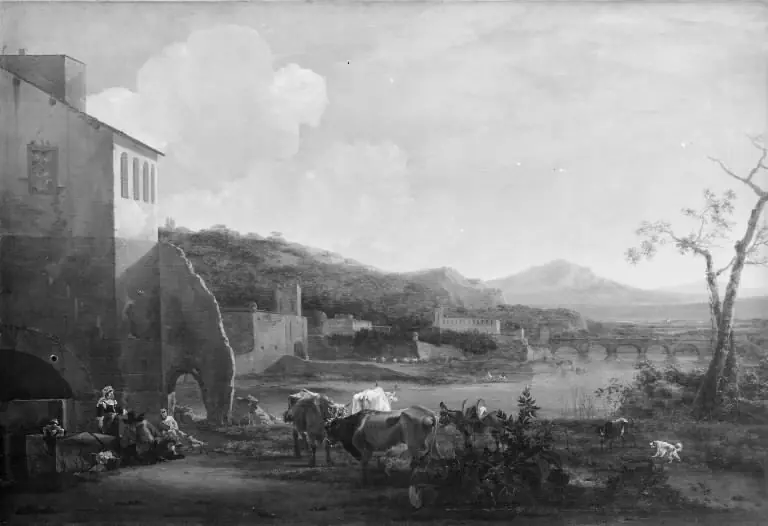
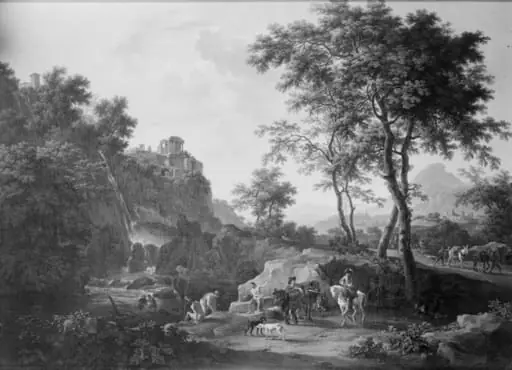
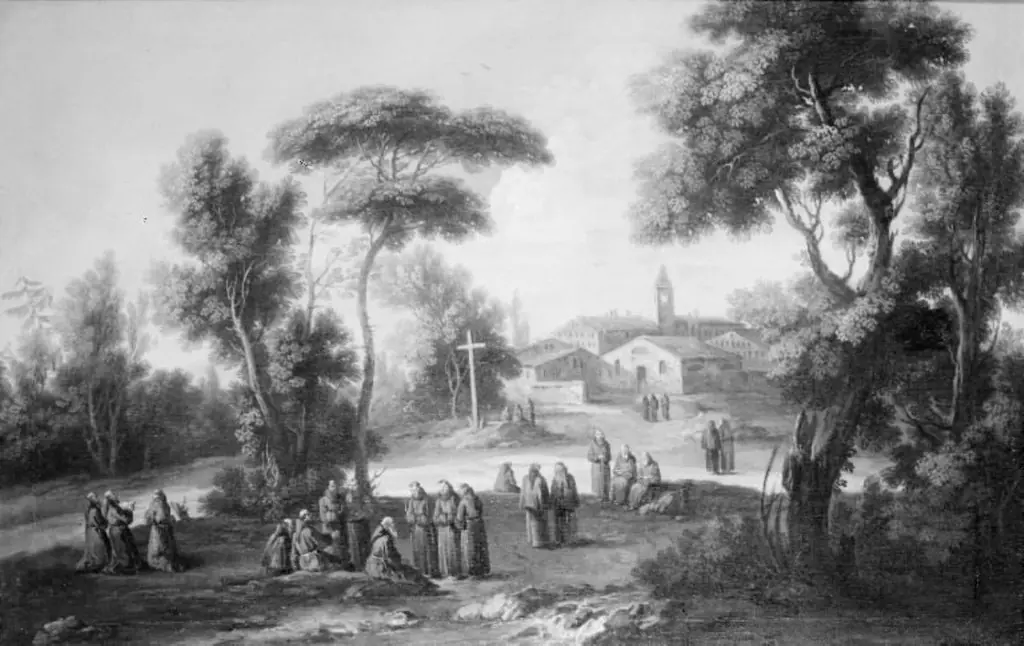
Læsende og bedende munke is a photography by Unknown. It dates from 1750 and is held in the collection of the Statens Museum for Kunst. Created around 1750, this painting depicts a quiet gathering of monks in a natural setting.
About this work
Overview
The scene captures moments of daily spiritual practice—reading sacred texts and prayer—within an undisturbed woodland environment.
Created around 1750, this painting depicts a quiet gathering of monks in a natural setting. It is part of the collection at the Museum of Ethnography. The scene captures moments of daily spiritual practice—reading sacred texts and prayer—within an undisturbed woodland environment. The composition emphasizes stillness and focus, avoiding dramatic gestures in favor of subdued, introspective behavior.
Subject & Meaning
The monks are shown engaged in two central monastic activities: reading and prayer. Their presence in a forest suggests a retreat from worldly affairs, aligning with traditions that value solitude and nature as aids to spiritual reflection. The absence of elaborate ritual objects or architecture points to an emphasis on inner devotion rather than external ceremony, reinforcing a quiet, personal piety.
Technique & Style
The artist employs soft modeling and muted tones to convey a tranquil atmosphere. Light falls gently across figures and foliage, suggesting natural daylight without strong contrasts. Figures are rendered with restrained detail, prioritizing harmony over individual expression. The background building is rendered faintly, keeping attention on the monks and their immediate surroundings.
History & Provenance
The painting entered the Museum of Ethnography’s collection as part of a broader acquisition of religious and cultural artifacts from Asia. Its origins are not fully documented, but stylistic elements suggest it may have been produced in a monastic workshop, possibly in Southeast Asia or Tibet. The work was likely used for devotional purposes before being collected and preserved in the 19th or early 20th century.
Context
This image reflects monastic life during a period when Buddhist and similar traditions emphasized contemplative practice in natural settings. Forest hermitages were common in many Asian religious communities, serving as spaces for study and meditation away from urban centers. The painting aligns with broader visual traditions that valued simplicity, silence, and the integration of spiritual life with the natural world.
Legacy
The painting contributes to scholarly understanding of how spiritual discipline was visually represented in pre-modern Asia. It remains a quiet testament to the enduring value placed on solitude and ritual in monastic communities. While not widely exhibited, it continues to inform studies on religious material culture and the aesthetics of devotion in non-Western contexts.
Artist & collection

 Domestic Scene
 Giacomo and Cardinal Marco, investing Andrea, Abbot of San Zeno, with his Benefice
 The Nymph of Fontainebleau
 Portrait of a Woman
 Madonna and Child with Saints in the Enclosed Garden
 Venus and Minerva
 Family Group of Four on Sofa
 Wall painting from Room H of the Villa of P. Fannius Synistor at Boscoreale