Artwork
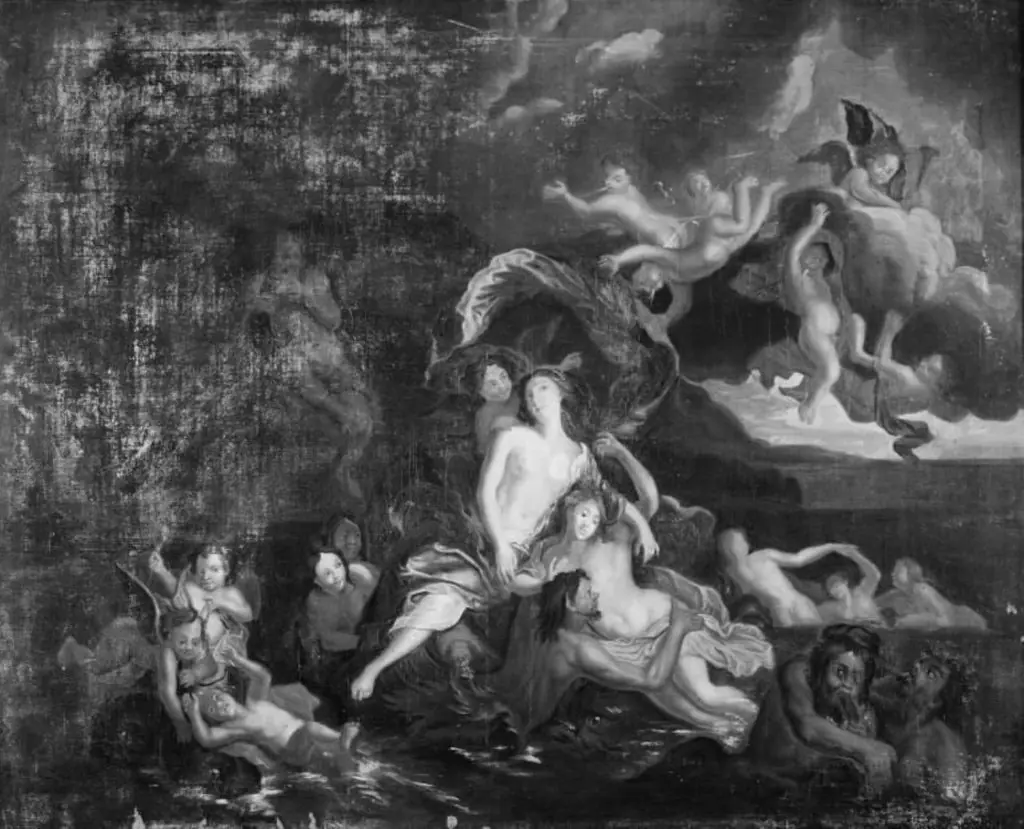
Galathea føres over havet, ledsaget af nymfer, tritoner og amoriner
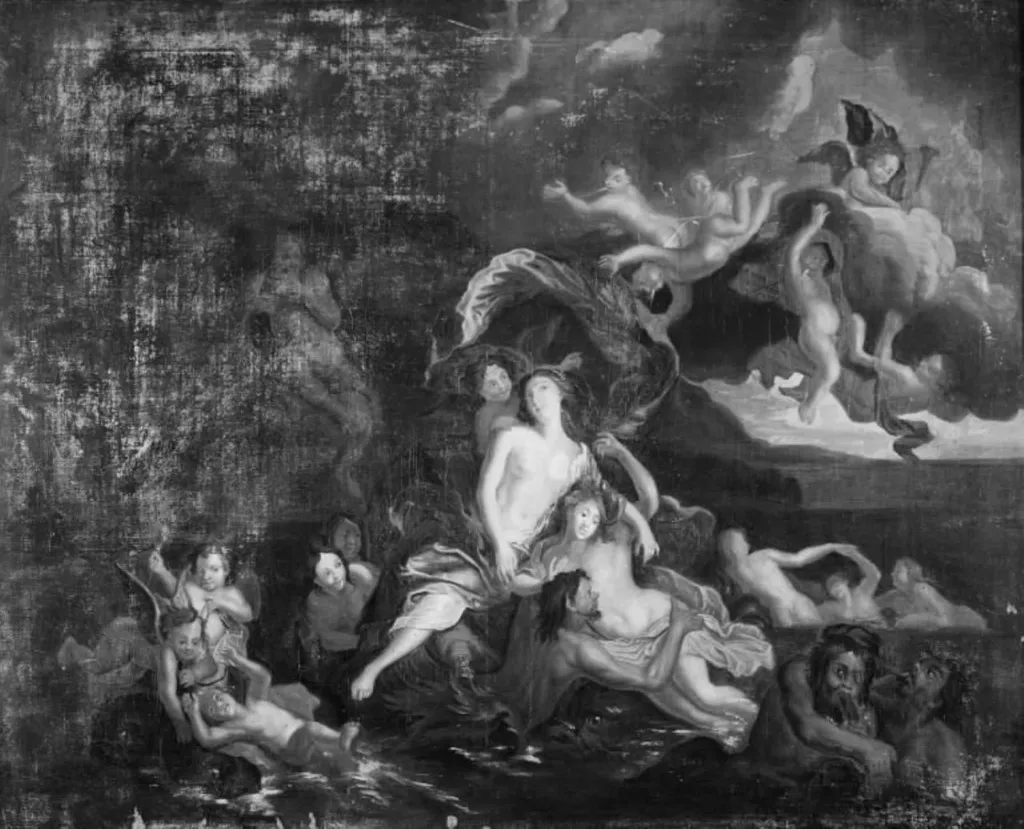
Galathea føres over havet, ledsaget af nymfer, tritoner og amoriner is a photography by Unknown. It dates from 1750 and is held in the collection of the Statens Museum for Kunst.
About this work
Overview
Created around 1750, the oil painting titled *Galathea føres over havet, ledsaget af nymfer, tritoner og amoriner* is part of the collection at the Museum of Ethnography. The work depicts a mythological procession across a stormy sea, centered on a female figure being borne aloft by a group of hybrid beings. The composition is dominated by a dark, cloud‑filled sky pierced by shafts of light.
Subject & Meaning
The central woman, identified as Galatea, is lifted by a retinue of nymphs, tritons and cupids, all rendered with fish‑like tails.
The central woman, identified as Galatea, is lifted by a retinue of nymphs, tritons and cupids, all rendered with fish‑like tails. Surrounding her are nude children and winged figures clutching bows, suggesting a celebratory, perhaps allegorical, scene of divine rescue or triumph over the elements. The joyous expressions of the attendants convey a festive atmosphere despite the turbulent backdrop.
Technique & Style
The painting employs a muted palette typical of mid‑18th‑century European academic art, with subdued earth tones and limited chromatic contrast. Brushwork is relatively smooth, emphasizing the anatomical detail of the mythic figures while the cloudy horizon is rendered with softer, blended strokes. Light breaks through the clouds, highlighting the central group and creating a subtle chiaroscuro effect.
History & Provenance
Attributed to the artist recorded as 37271_person, the work dates to circa 1750. Its provenance traces to the Museum of Ethnography, where it is currently displayed. Documentation indicates the piece entered the museum’s holdings as part of a broader acquisition of European decorative arts, though earlier ownership details remain unclear.
Context
The painting reflects the 18th‑century fascination with classical mythology and the Rococo’s penchant for playful, eroticized figures. Galatea, a sea‑nymph from Greek legend, was a popular subject in decorative panels and tapestries of the period, often employed to convey themes of love, transformation, and the harmony between humanity and nature.
Artist & collection

 Domestic Scene
 Giacomo and Cardinal Marco, investing Andrea, Abbot of San Zeno, with his Benefice
 The Nymph of Fontainebleau
 Portrait of a Woman
 Madonna and Child with Saints in the Enclosed Garden
 Venus and Minerva
 Family Group of Four on Sofa
 Wall painting from Room H of the Villa of P. Fannius Synistor at Boscoreale
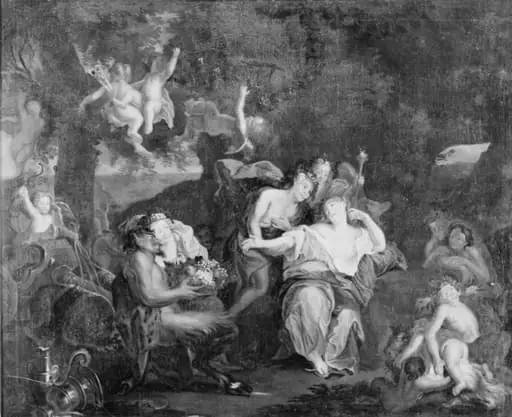 Bacchus og Ariadne sidder sammen i et landskab omgivne af amoriner, bacchantinder og satyrer
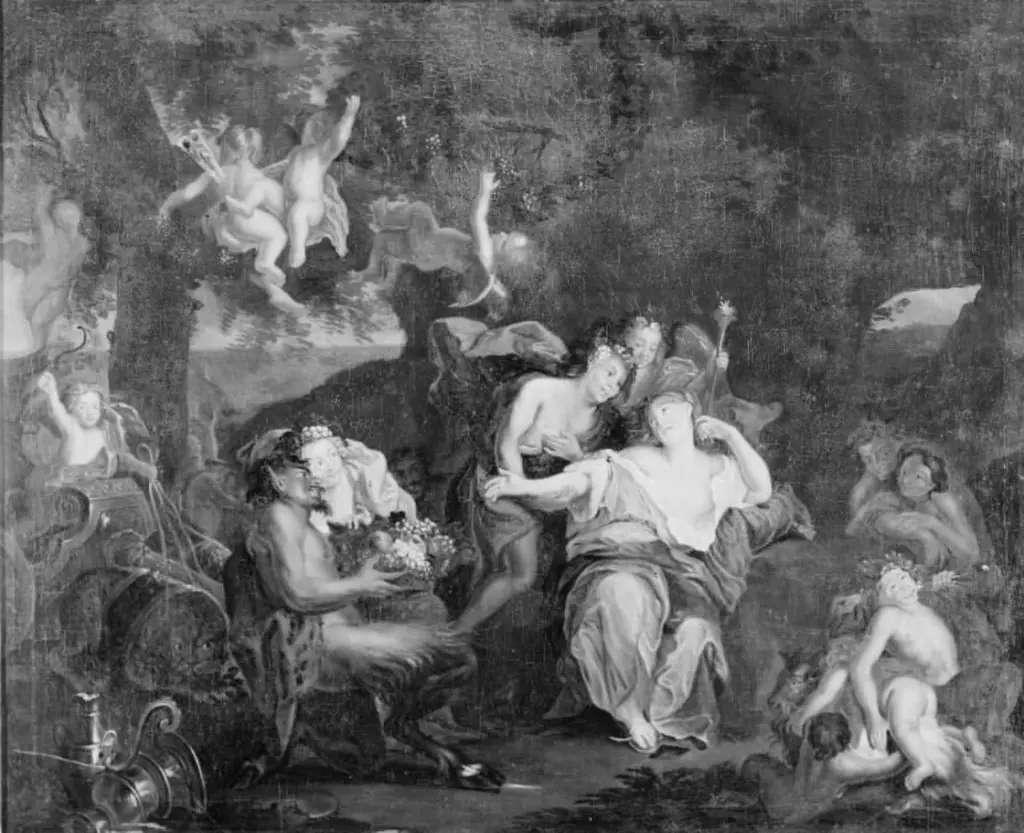 Bacchus og Ariadne sidder sammen i et landskab omgivne af amoriner, bacchantinder og satyrer
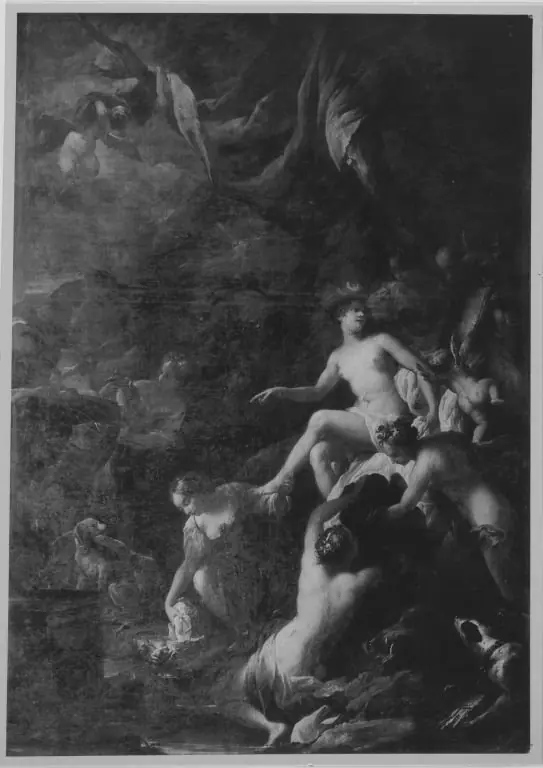 Das Bad der Diana
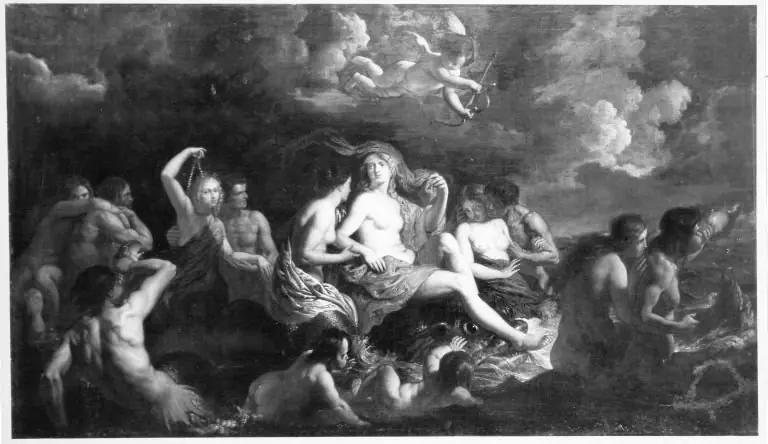 Venus, Tritonen und Liebesgötter
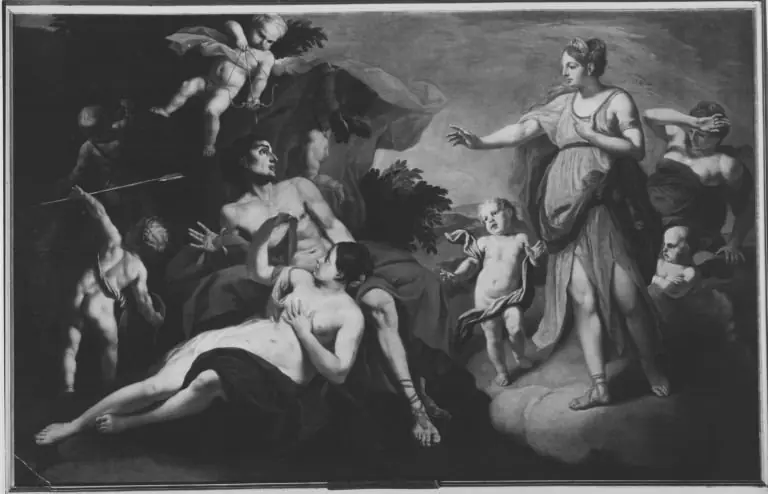 Fehltritt der Kallisto
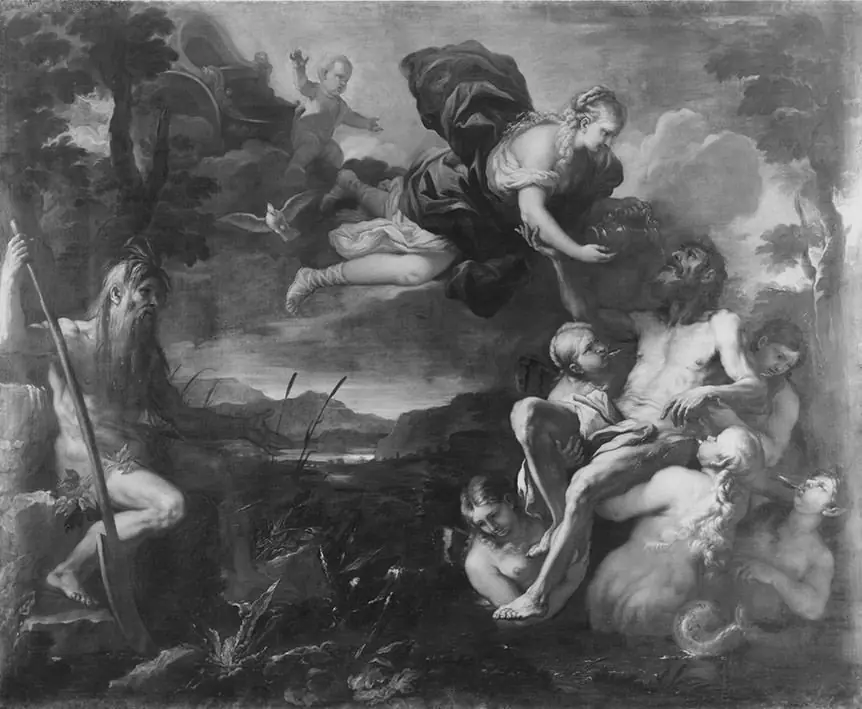 Aeneas am Numicius
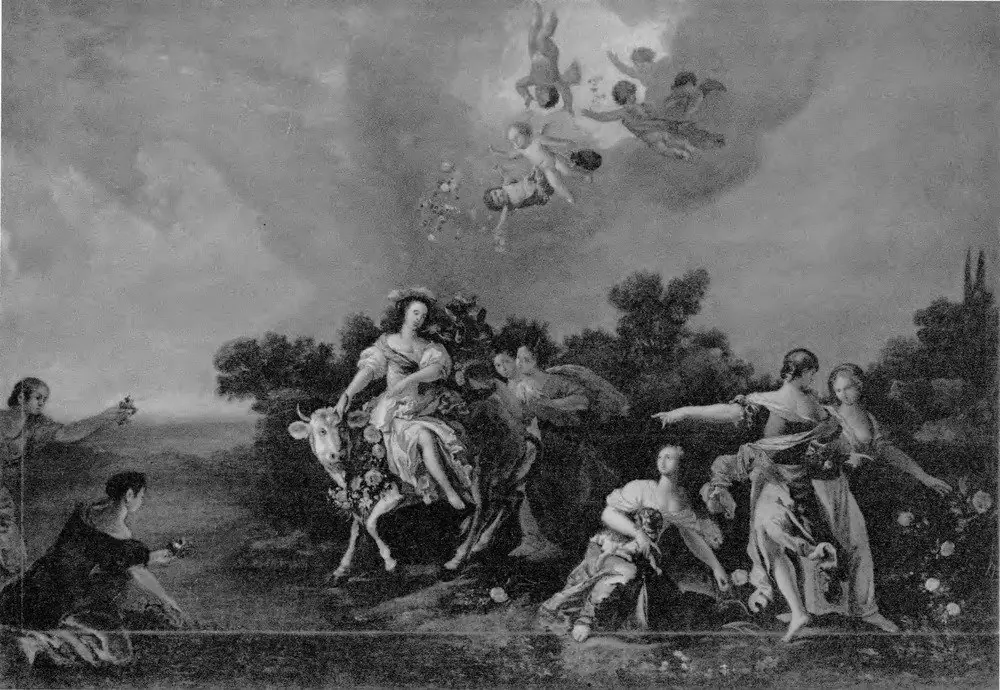 The Rape of Europa
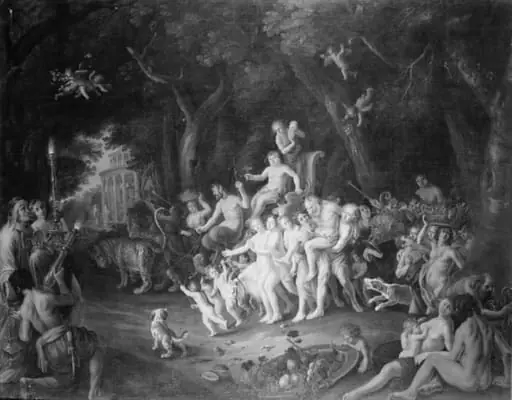 The Triumph of Bacchus
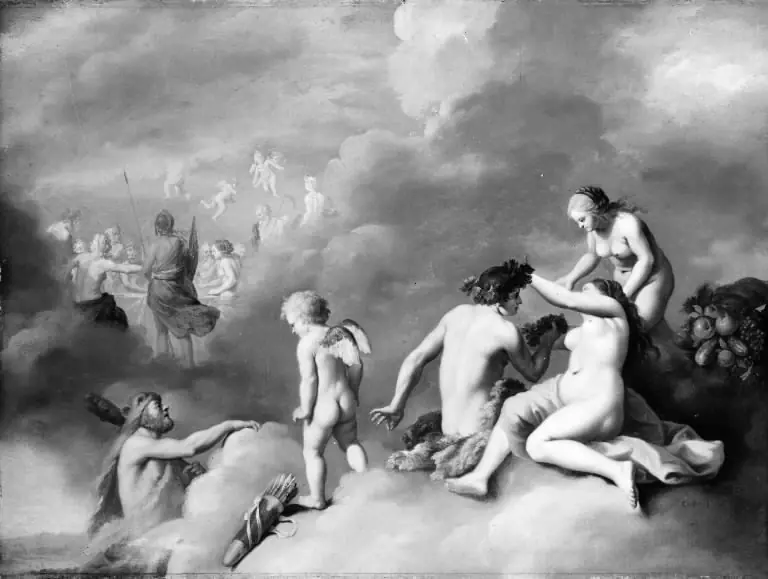 A Gathering of Gods
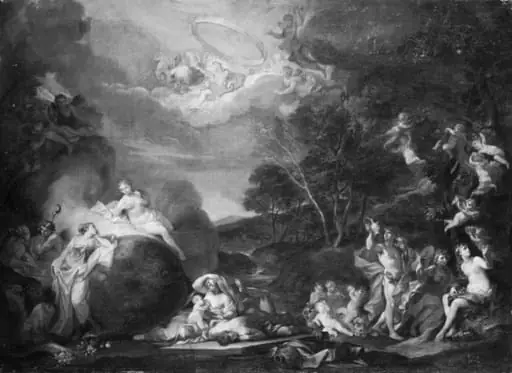 An Allegory with Bacchus, Ceres, Flora and Apollo
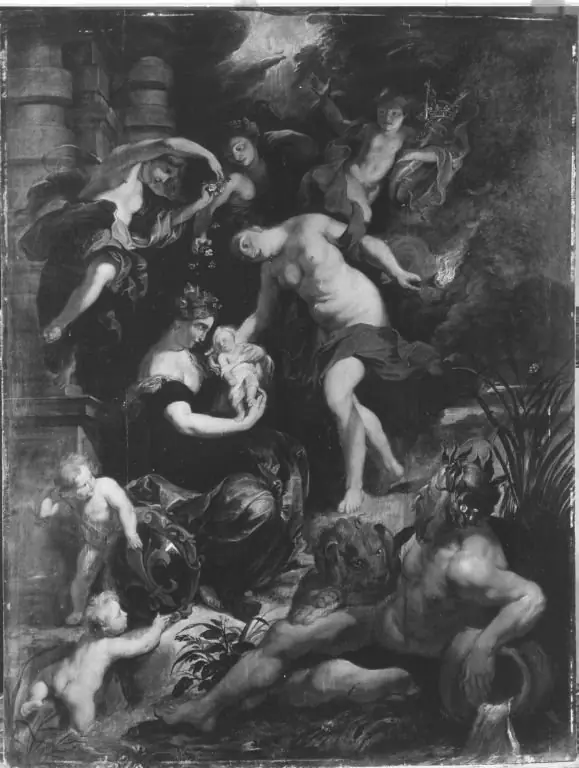 Birth of Maria de Medici (study)
 Galathea føres over havet, ledsaget af nymfer, tritoner og amoriner