Artwork
Bildnis einer Fürstin
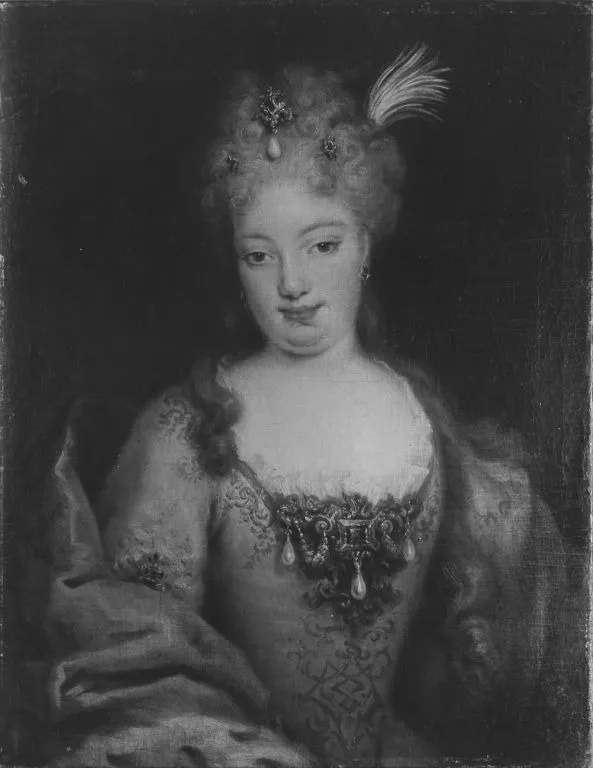
Bildnis einer Fürstin is an unspecified painting by the Rococo painting artist Georg Desmarées. It dates from 1736 and is held in the collection of the Bavarian State Painting Collections.
About this work
Overview
Painted in 1736 by Georg Desmarées, this portrait depicts an unidentified noblewoman, likely of German or Austrian aristocracy. The work resides in the Alte Pinakothek in Munich, where it exemplifies early 18th-century court portraiture. Rendered with precision and restraint, the painting emphasizes the sitter’s status through attire and composure rather than overt symbolism.
Subject & Meaning
Her elaborate gown, adorned with intricate embroidery, and the feathered headdress signal wealth and fashion consciousness.
The woman’s poised demeanor and refined attire convey aristocratic dignity. Her elaborate gown, adorned with intricate embroidery, and the feathered headdress signal wealth and fashion consciousness. The shawl draped over her arm and the substantial pendant necklace reinforce her social standing. Her calm expression suggests composure befitting noble identity, avoiding theatricality in favor of quiet authority.
Technique & Style
Desmarées employs a muted palette and soft chiaroscuro to isolate the figure against a dark, undefined background. Brushwork is meticulous yet unobtrusive, capturing the texture of silk, lace, and feathers with subtle tonal shifts. The composition is tightly focused, directing attention to the sitter’s face and costume, reflecting the conventions of courtly portraiture in Central Europe during the Baroque period.
History & Provenance
The painting entered the Alte Pinakothek’s collection in the 19th century, likely through royal or aristocratic acquisitions. Its attribution to Desmarées is well established, based on stylistic parallels with his other known portraits. No documentation survives regarding the sitter’s identity, though her dress aligns with aristocratic fashions of the 1730s in southern Germany or Austria.
Context
In the 1730s, portraiture among European nobility emphasized material splendor and restrained elegance. Desmarées, trained in Italy and active in Munich, bridged Italianate refinement with German courtly tastes. His portraits served as visual affirmations of lineage and status, commissioned by families seeking to project permanence and taste amid shifting political landscapes.
Legacy
Though not widely exhibited beyond regional collections, this portrait remains a representative example of Desmarées’ contribution to 18th-century German portraiture. It illustrates how aristocratic identity was visually constructed through dress, posture, and lighting, offering insight into the aesthetic values of minor courts during the late Baroque era.
Artist & collection


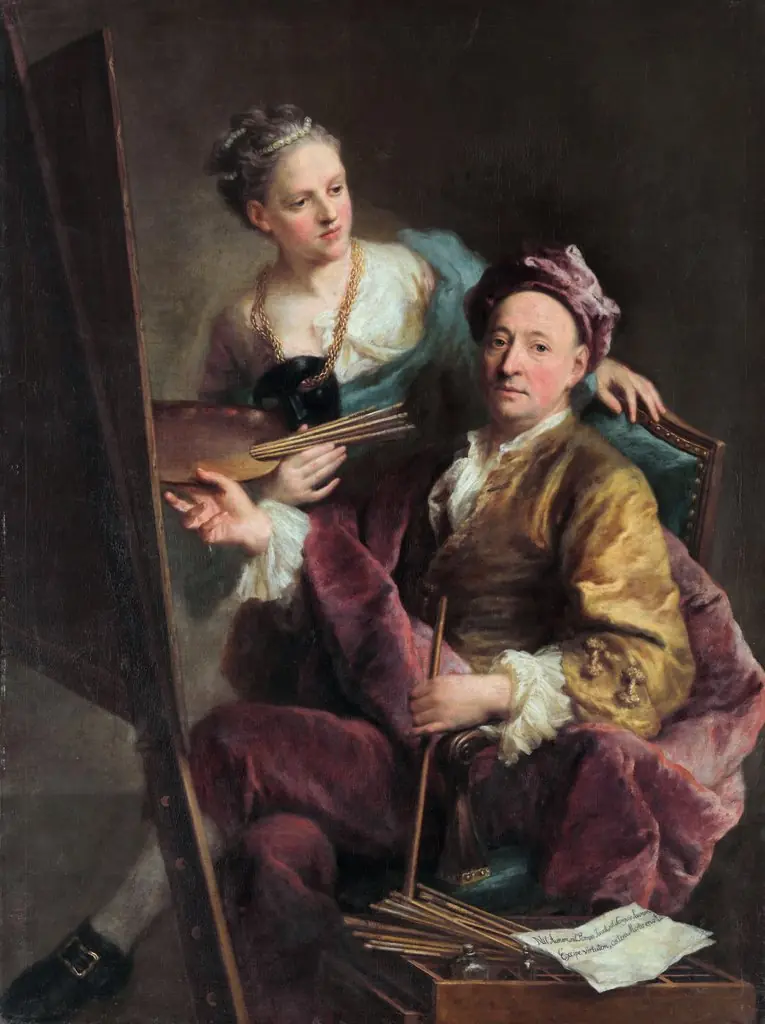 Self-portrait of the Artist with his Daughter Antonia
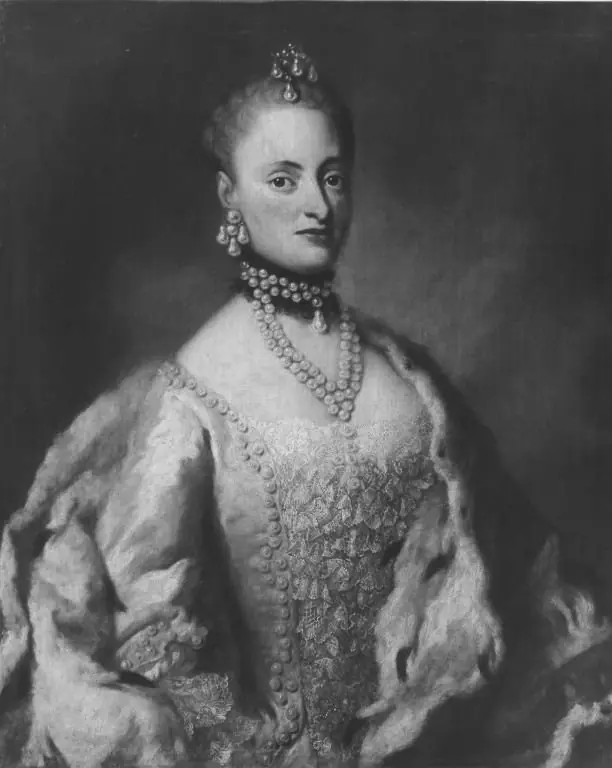 Elisabeth Apollonia of Saxony (1736–1818)
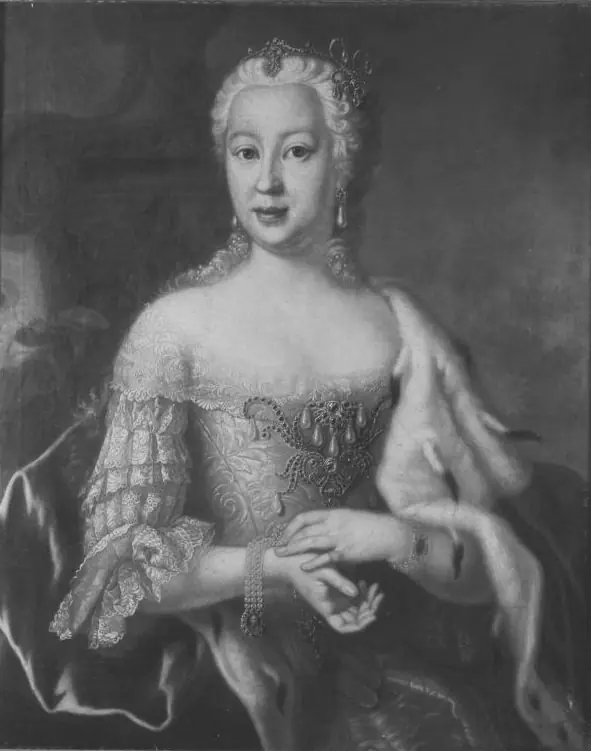 Maria Anna of Sulzbach (1722-1790)
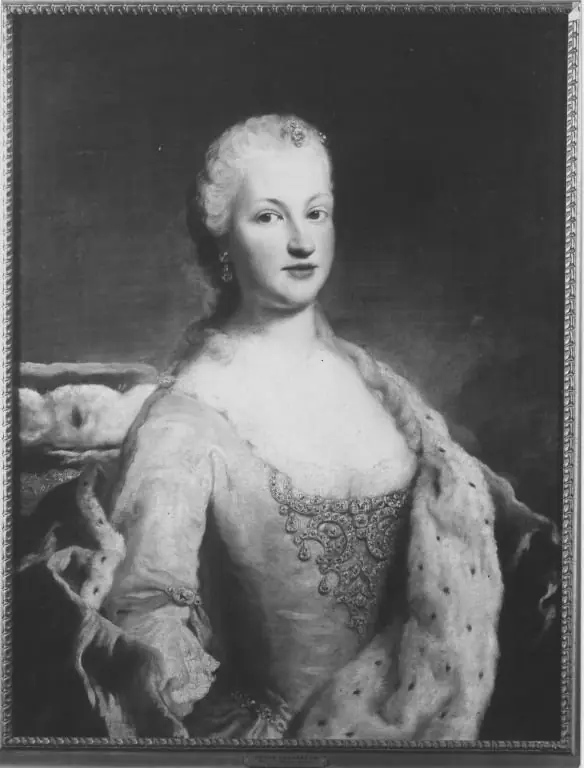 Bildnis der Maria Franziska Dorothea von Pfalz-Sulzbach, Herzogin von Zweibrücken-Birkenfeld (1724-1794)
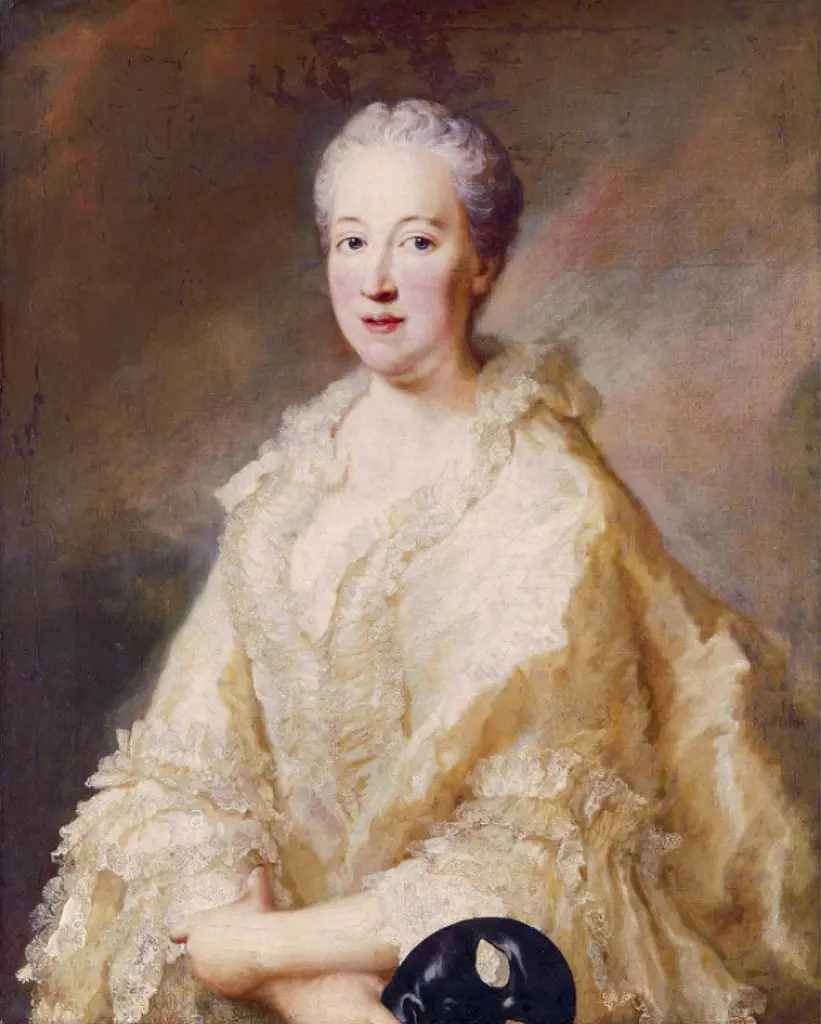 Portrait of Countess Palatine Maria Anna of Sulzbach (1722-1790)
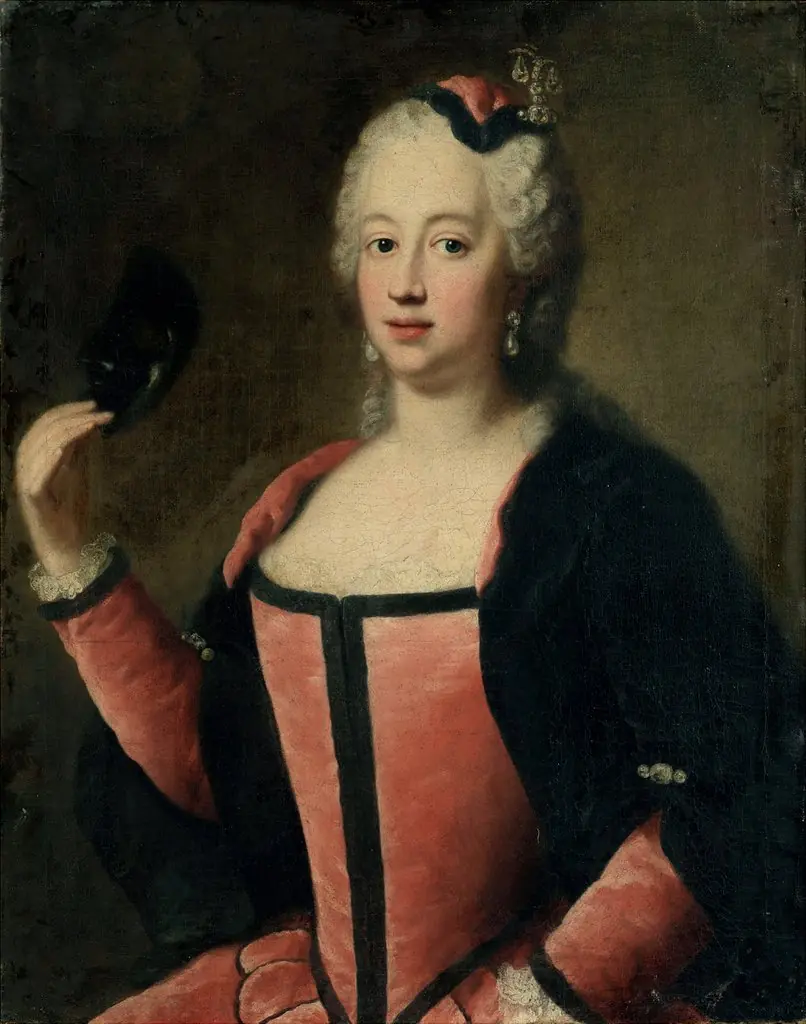 Maria Anna of Sulzbach
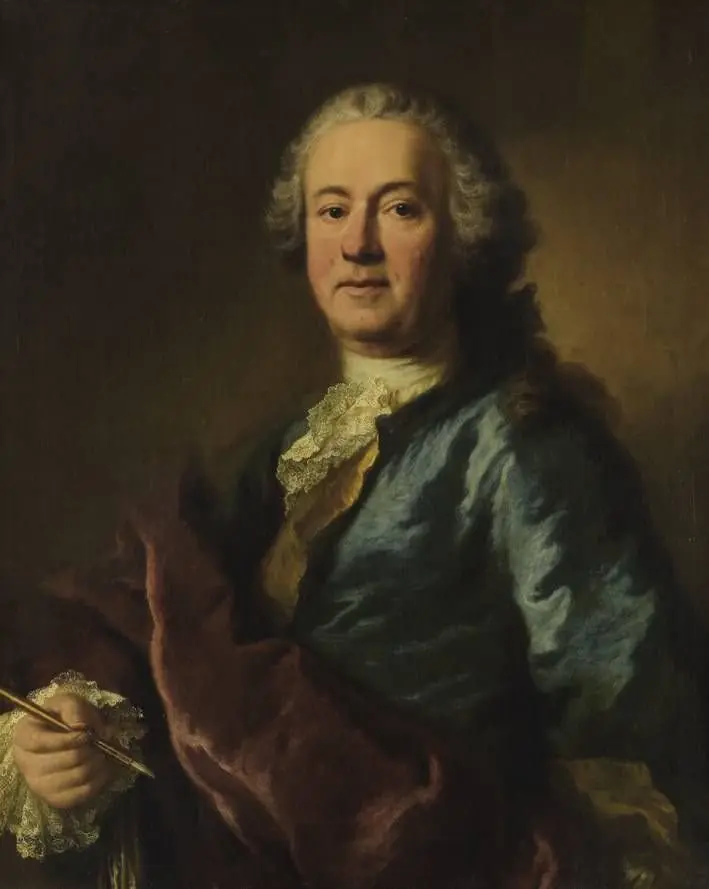 Bildnis des Hofmalers Balthasar August Albrecht (1687-1765)
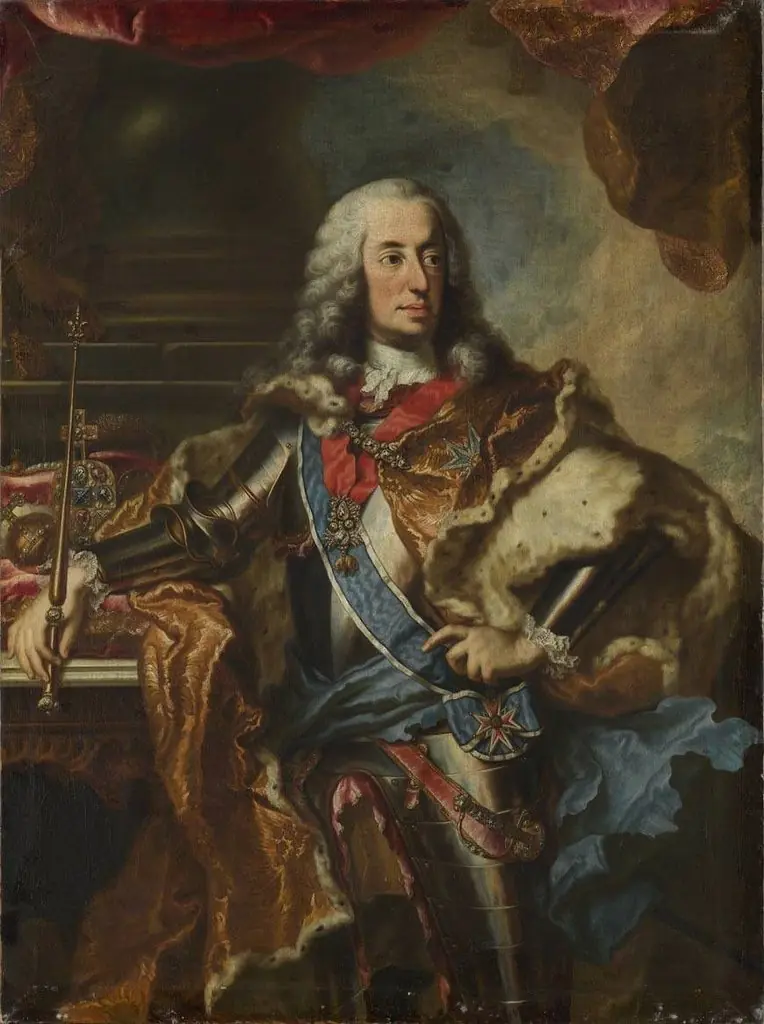 Kurfürst Karl Albrecht als Kaiser Karl VII. (1697-1745)
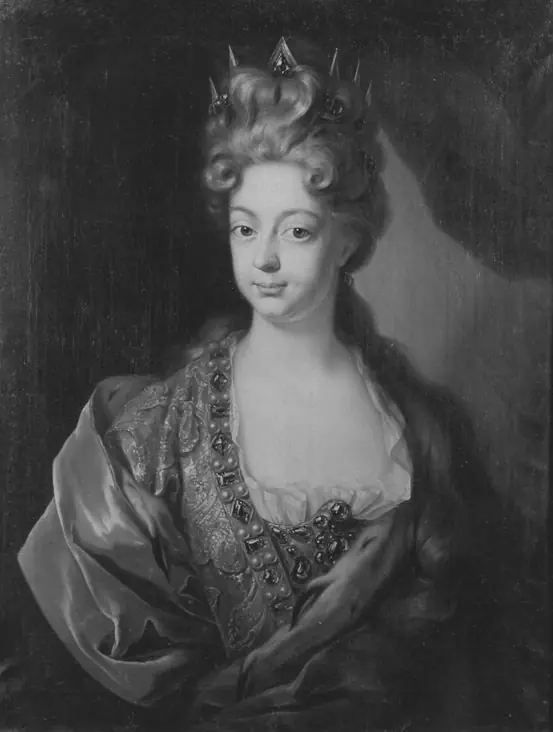 Portrait of Wilhelmine Amalie of Braunschweig-Lüneburg
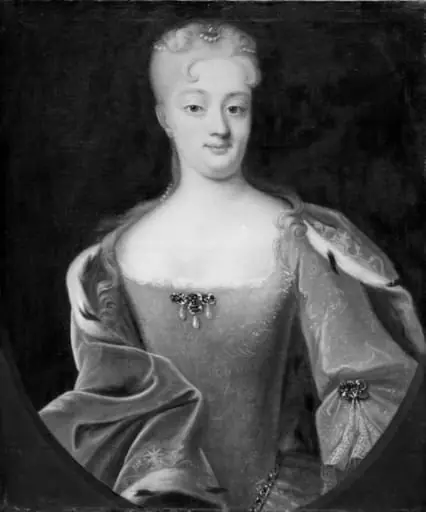 Dronning Sophie Magdalene
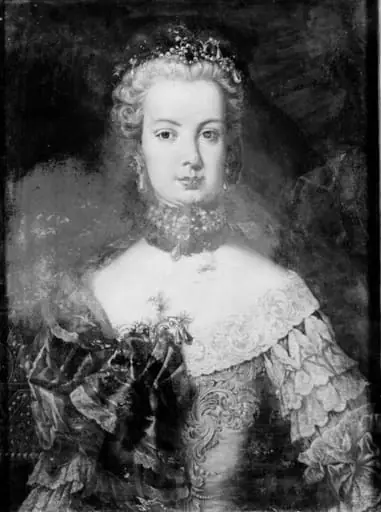 Elisabeth Christine von Braunschweig-Wolfenbüttel
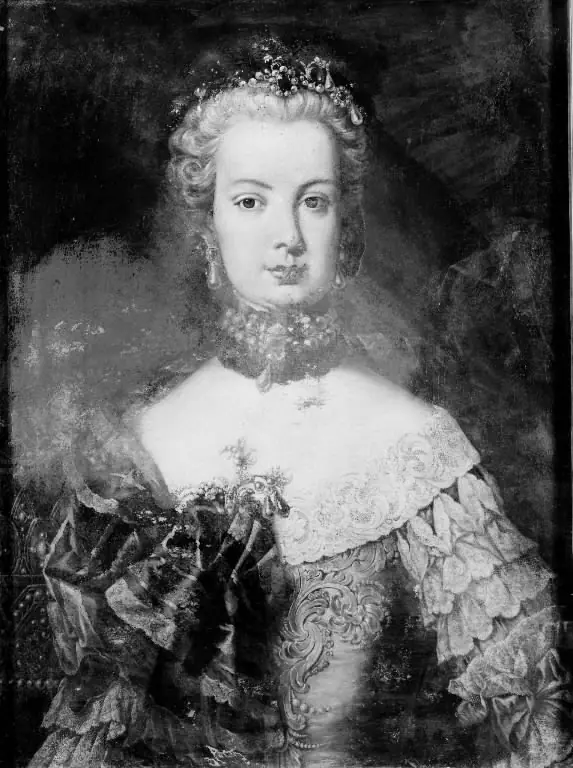 Elisabeth Christine von Braunschweig-Wolfenbüttel
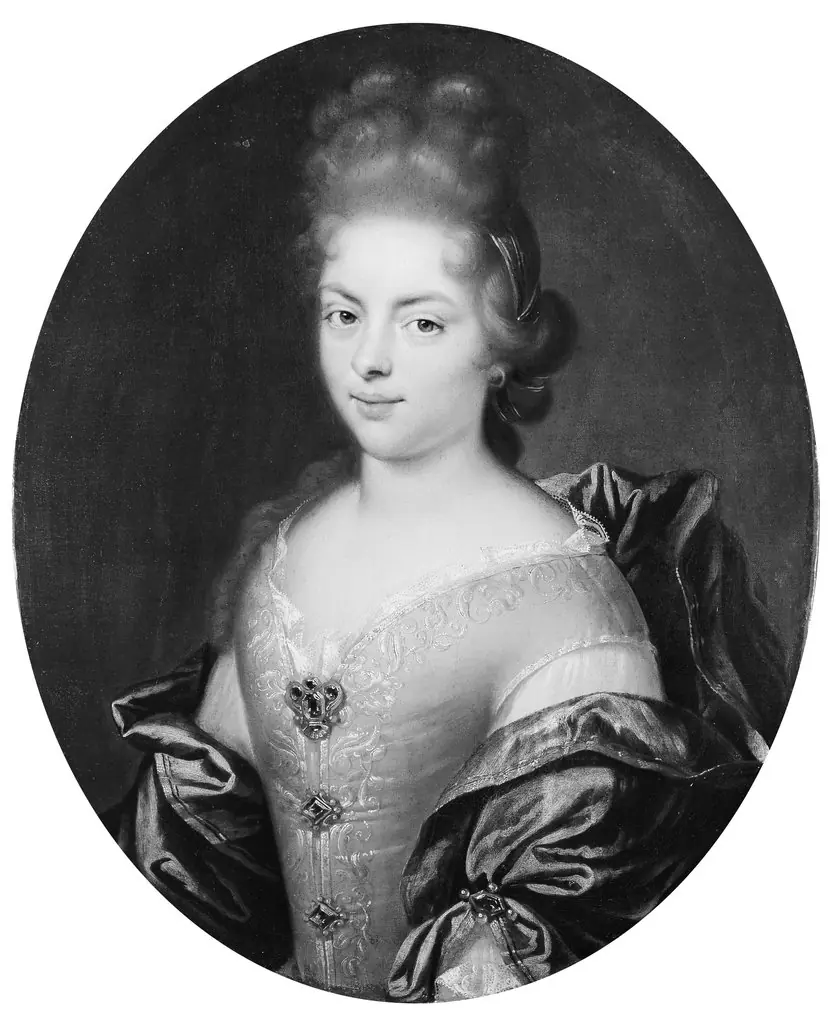 Portrait of a Woman in a Rose Dress
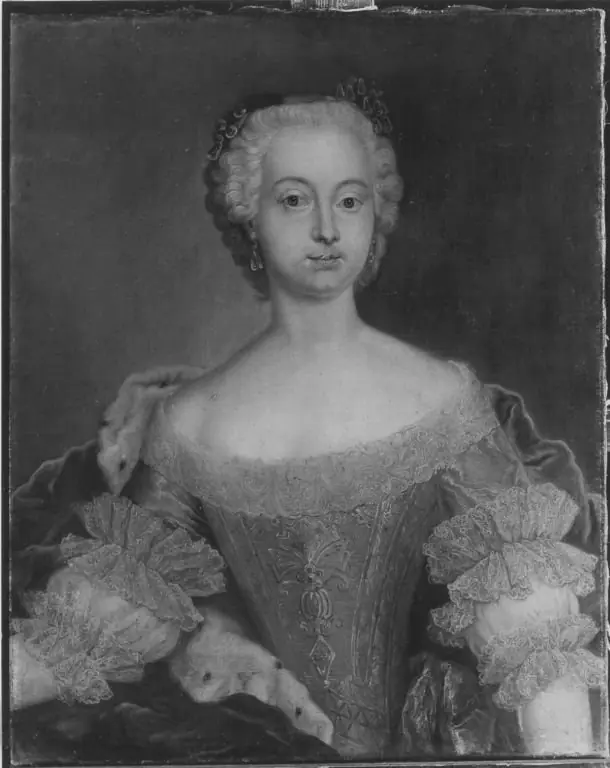 Bildnis einer Fürstin
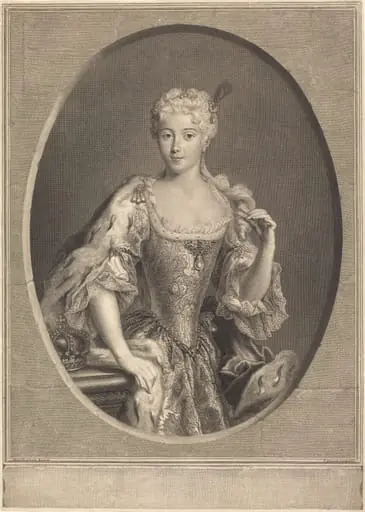 Maria Klementyna Sobieska
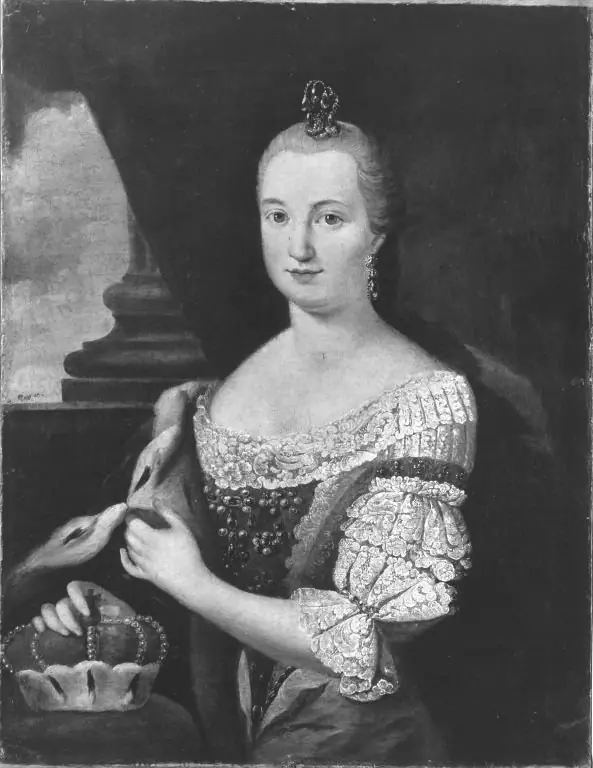 Bildnis der Kurfürstin Elisabeth Auguste von Pfalz-Bayern (Kopie nach)
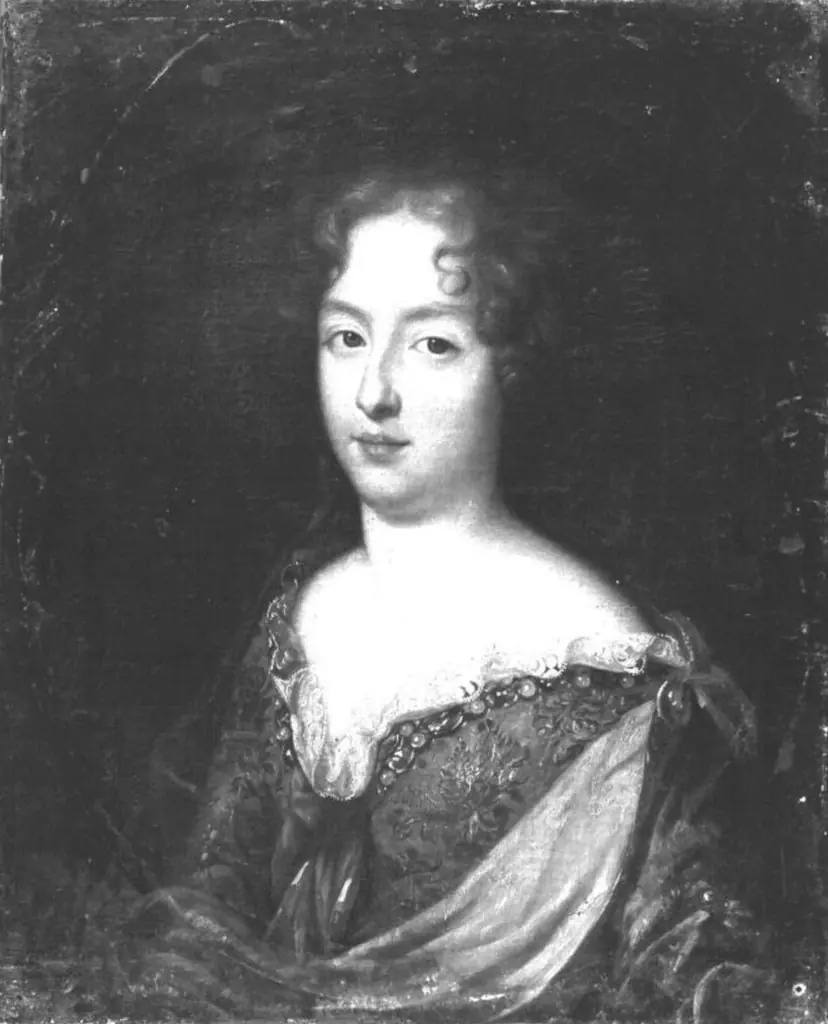 Bildnis einer jugendlichen Prinzessin
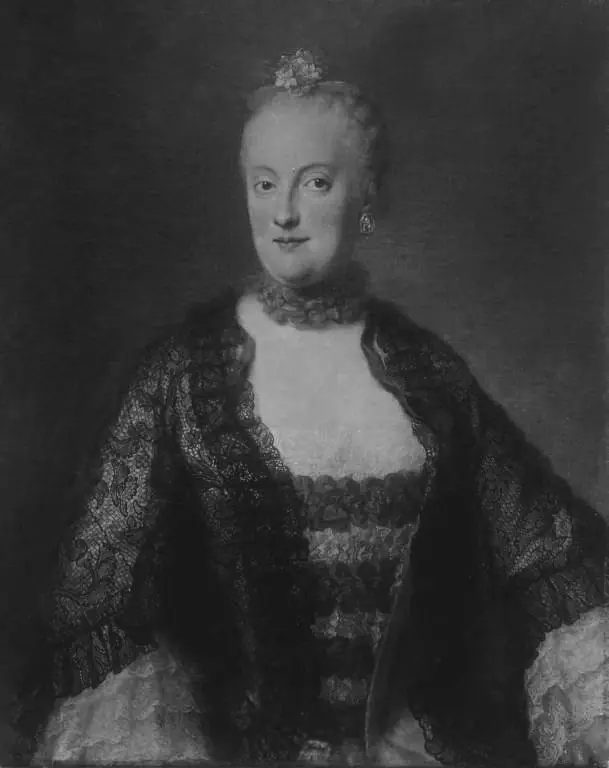 Maria Anna, Gemahlin des Kurfürsten Max III. Joseph von Bayern
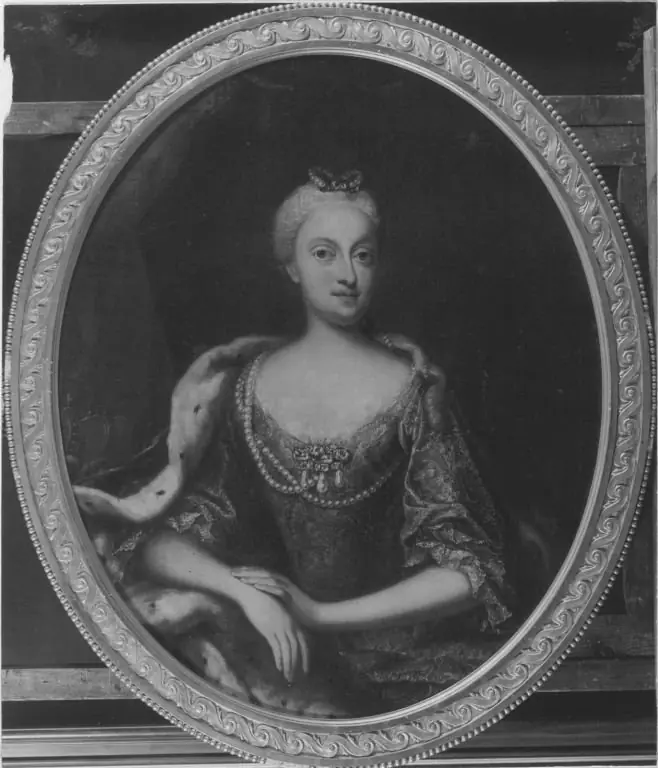 Kaiserin Maria Amalia, Gemahlin Kaiser Karls VII.