Artwork
Prinsesse Louise
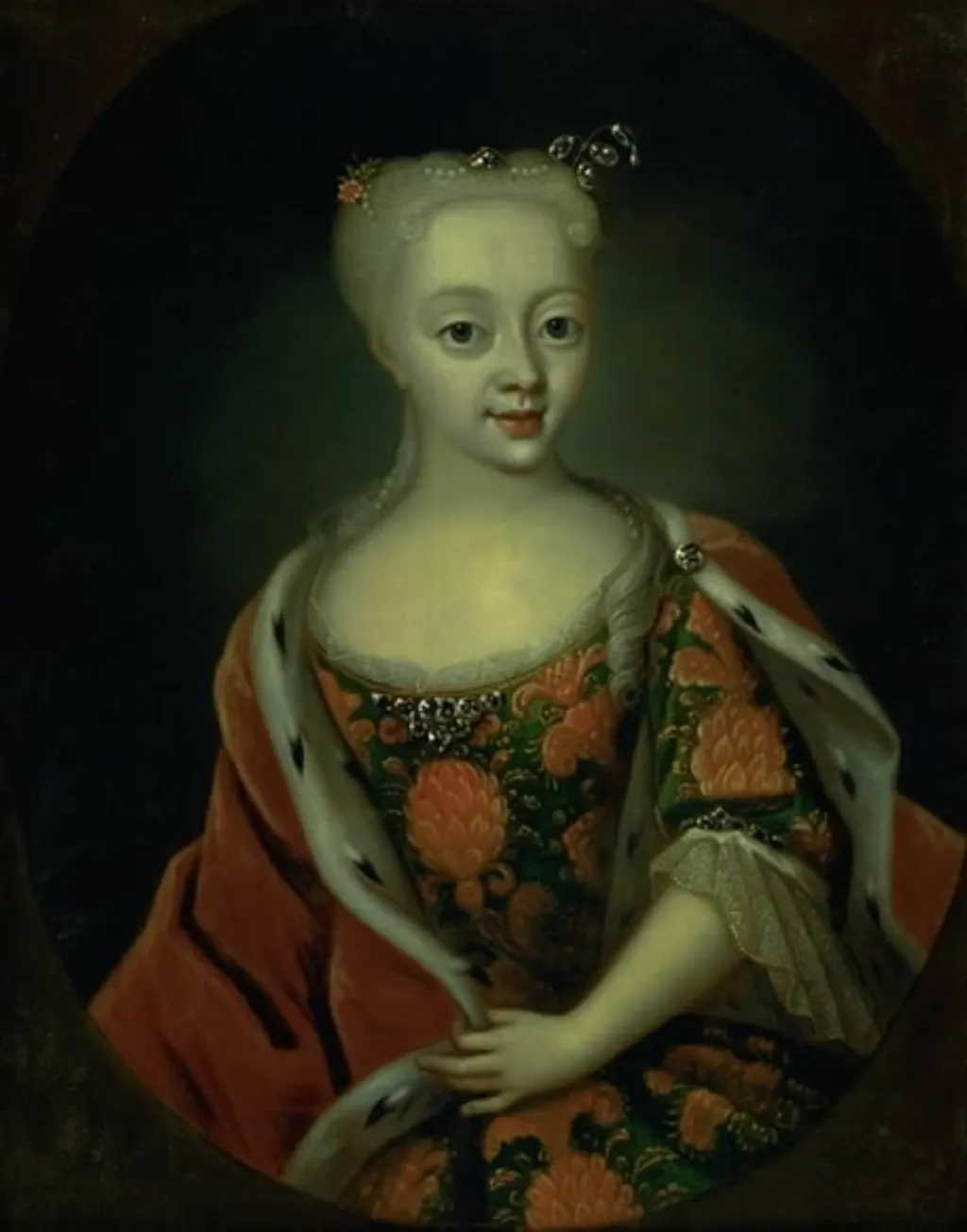
Prinsesse Louise is a photography by Unknown. It dates from 1750 and is held in the collection of the Statens Museum for Kunst. A portrait of Princess Louise, dated around 1750, depicts a noblewoman in formal attire against a dark, unadorned background.
About this work
Overview
Though labeled as an image without specified medium, the rendering suggests painted technique, likely oil on canvas, with attention to texture and luminosity.
A portrait of Princess Louise, dated around 1750, depicts a noblewoman in formal attire against a dark, unadorned background. The image, held at the Museum of Ethnography, emphasizes her presence through controlled lighting and minimal context. Though labeled as an image without specified medium, the rendering suggests painted technique, likely oil on canvas, with attention to texture and luminosity.
Subject & Meaning
The subject is Princess Louise, identified by her regal bearing and elaborate dress. Her low-cut gown, adorned with orange floral patterns, and the rich dark red cloak signal aristocratic status. The small object in her hands may indicate a personal or ceremonial item, reinforcing her role within courtly ritual. The composed expression and poised posture convey dignity rather than emotion, aligning with 18th-century ideals of noble decorum.
Technique & Style
The artist employs chiaroscuro to model the princess’s face and form, creating soft transitions between light and shadow that enhance three-dimensionality. The fabric of her dress is rendered with careful attention to color contrast and surface detail, while the dark background isolates her figure. Hair is styled with precision, and the overall composition avoids distraction, focusing attention on the subject’s presence and attire.
History & Provenance
The portrait entered the collection of the Museum of Ethnography, though its original commission and early ownership remain undocumented. Its survival into the modern era suggests it was preserved as a record of royal imagery, possibly transferred from a royal residence or private collection. The absence of a documented artist or date beyond circa 1750 leaves its origin partially obscured.
Context
Created during the mid-18th century, the portrait reflects European courtly traditions where visual representation reinforced social hierarchy. Similar portraits of royalty emphasized clothing, posture, and lighting to communicate status rather than individuality. The use of rich textiles and controlled illumination aligns with conventions seen in Scandinavian and German court art of the period.
Legacy
The portrait serves as a visual artifact of aristocratic identity in 18th-century Northern Europe. While not widely exhibited beyond institutional circles, it contributes to scholarly understanding of how nobility presented themselves through dress and portraiture. Its preservation underscores the museum’s role in safeguarding material culture tied to royal lineage.
Artist & collection

 Domestic Scene
 Giacomo and Cardinal Marco, investing Andrea, Abbot of San Zeno, with his Benefice
 The Nymph of Fontainebleau
 Portrait of a Woman
 Madonna and Child with Saints in the Enclosed Garden
 Venus and Minerva
 Family Group of Four on Sofa
 Wall painting from Room H of the Villa of P. Fannius Synistor at Boscoreale
 Portrait of Charlotte Sophia Christina of Brunswick Wolfenbuttel
 Bárbara de Braganza reina de España
 Juliane Marie, Frederik V's anden dronning
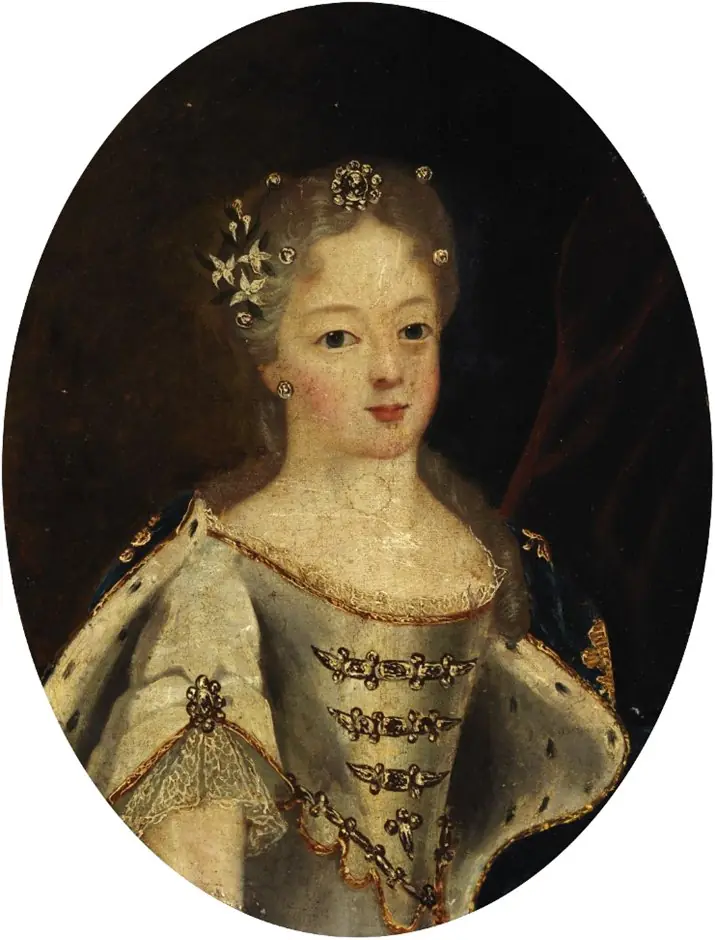 Portrait of a Young Lady
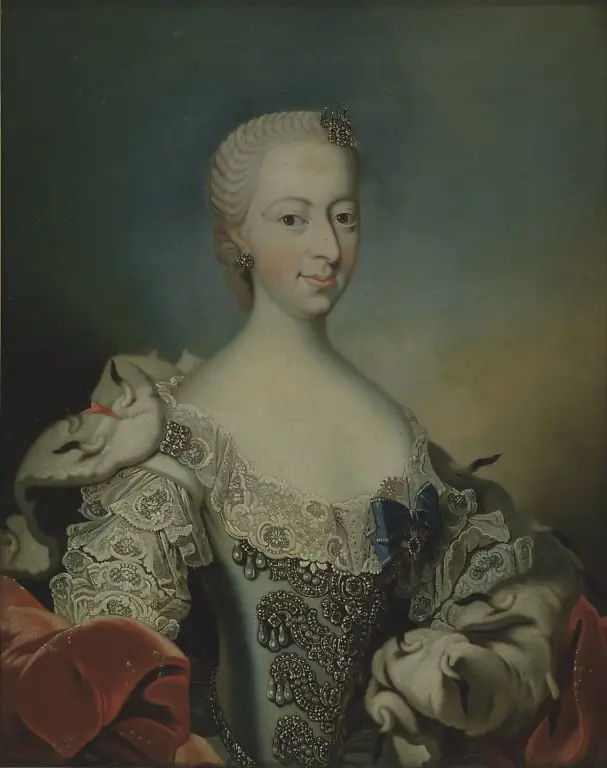 Juliane Marie, Frederik V's anden dronning
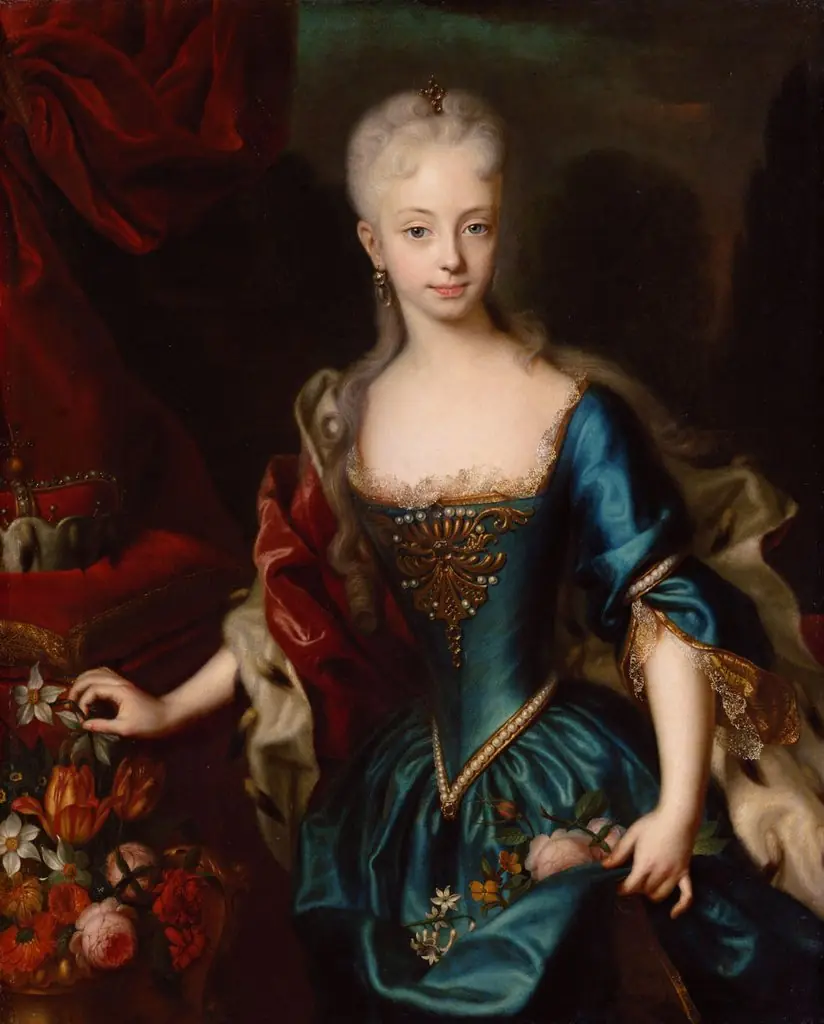 Portrait of Archduchess Maria Theresia
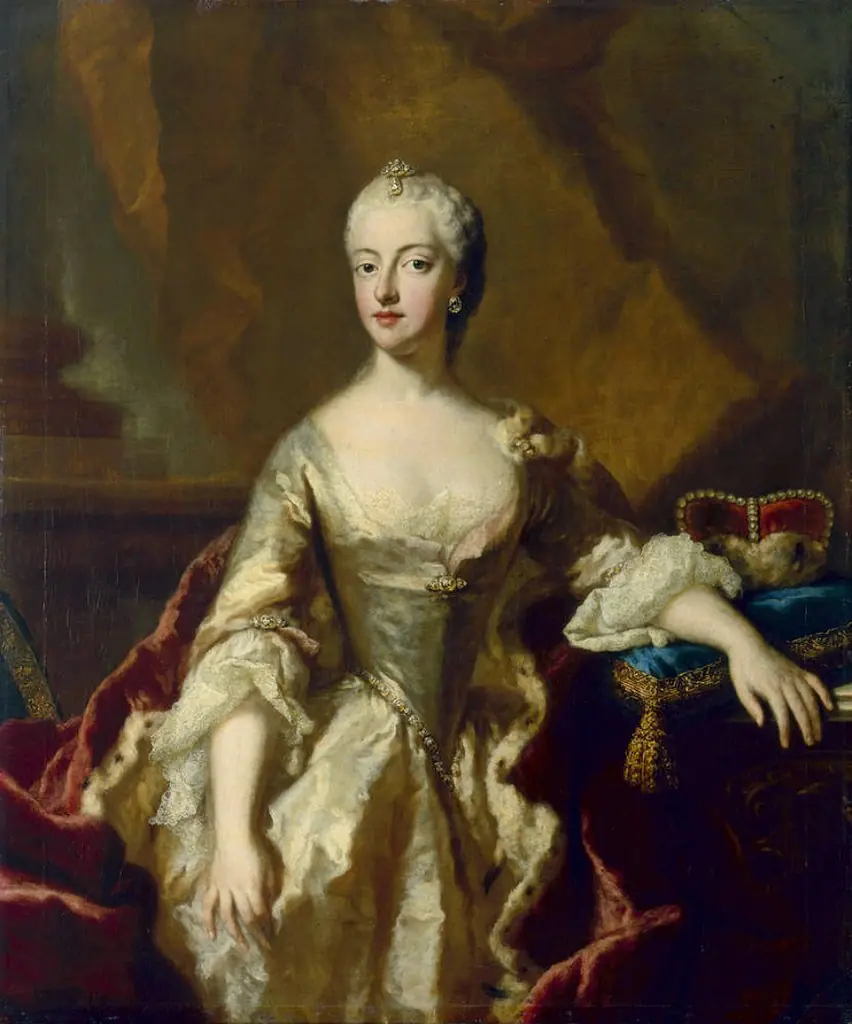 Margravine Maria Anna Josepha of Baden-Baden
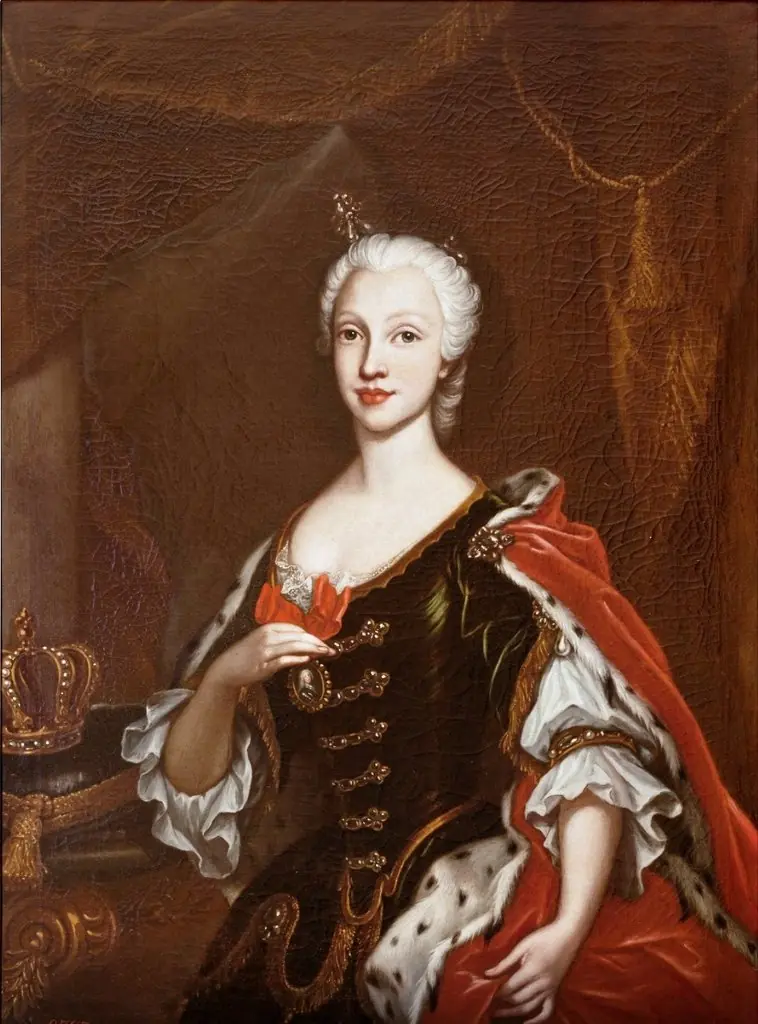 Maria Amalia of Saxony (1724-1760), Queen of Naples
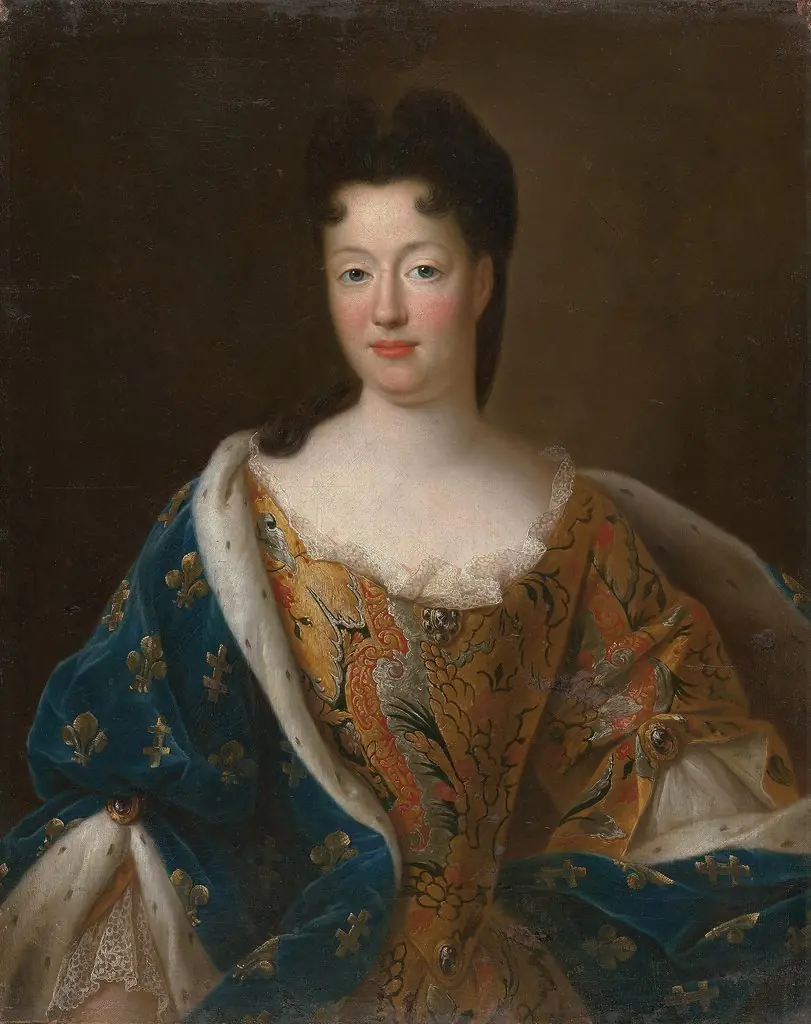 Portrait of Élisabeth Charlotte d'Orléans
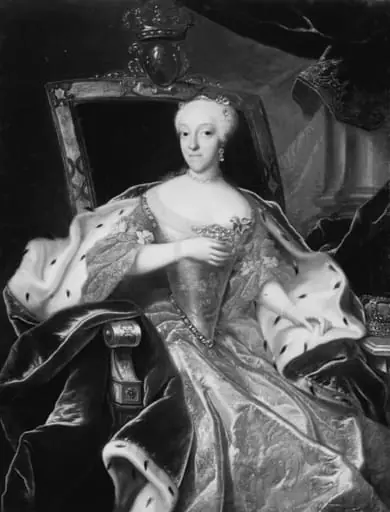 Prinsesse Charlotte Amalie, Frederik IV's datter