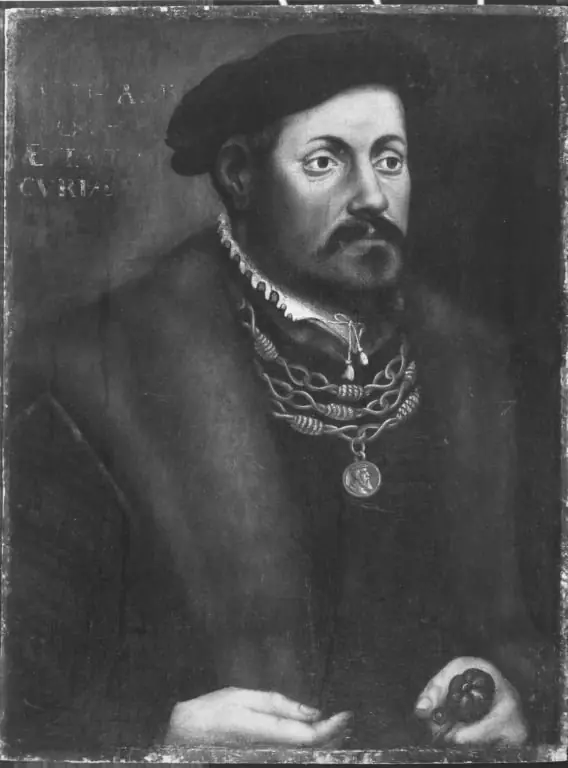
Artwork
Portræt af Joh. v. Leyden ?
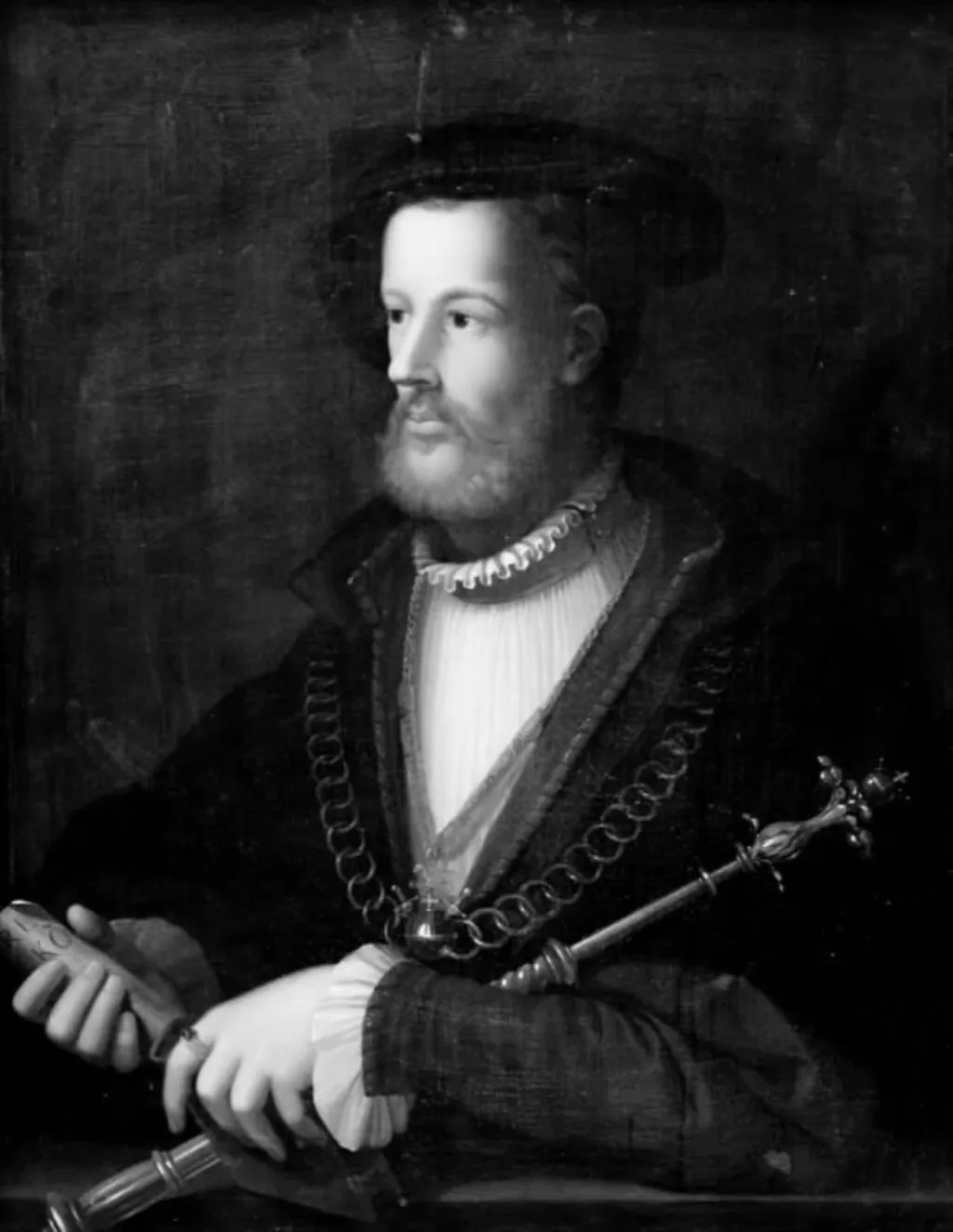
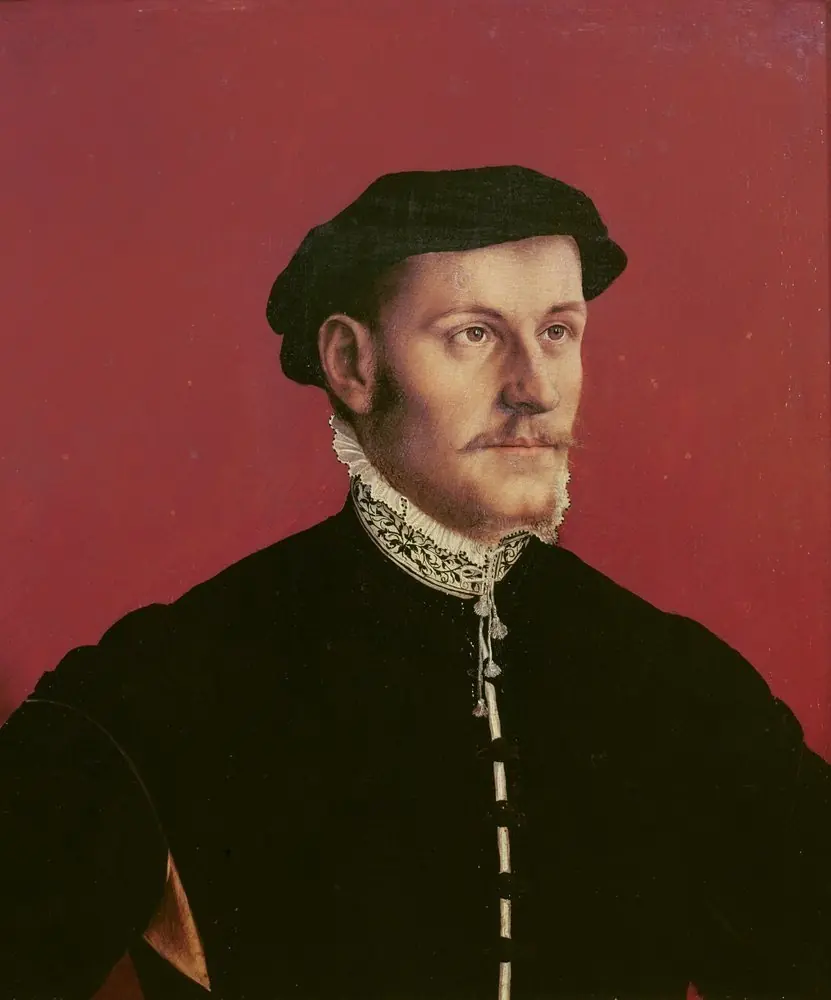
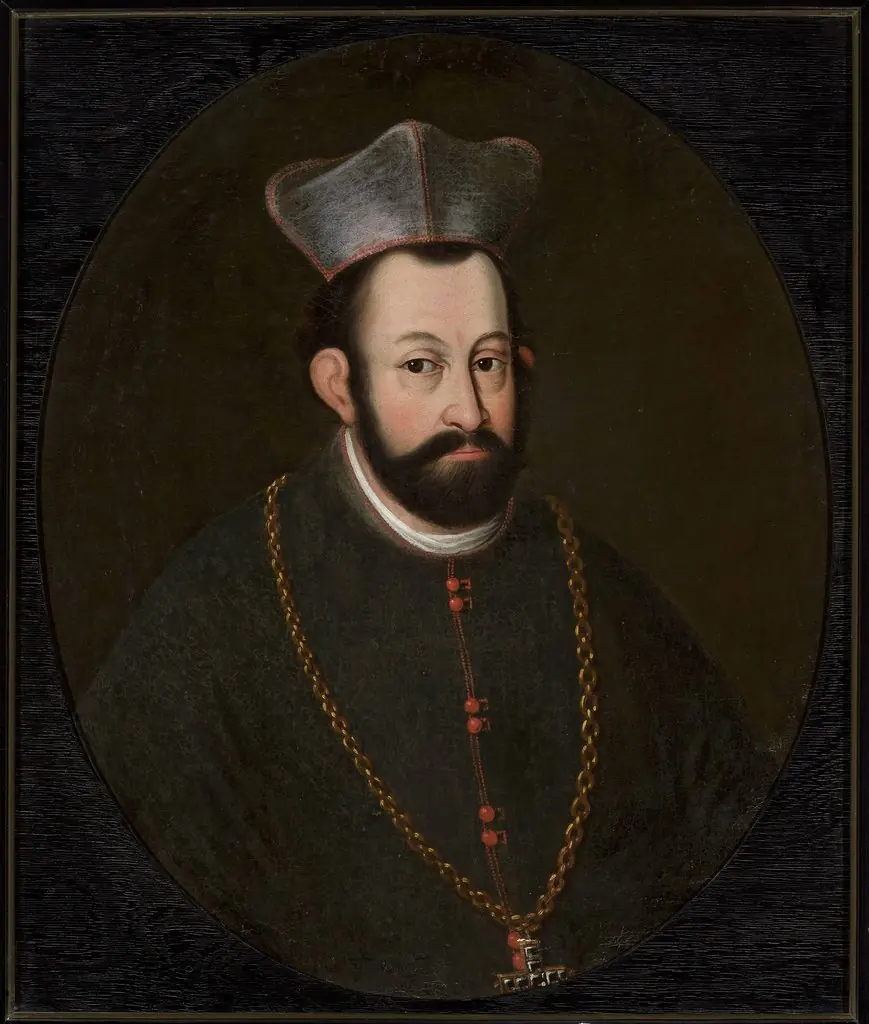
Portræt af Joh. v. Leyden ? is a photography by Unknown. It dates from 1750 and is held in the collection of the Statens Museum for Kunst. This black-and-white photographic portrait, dated around 1750, depicts a man identified as Joh.
About this work
Overview
The subject’s attire and posture suggest a position of authority, though the exact nature of his role remains unspecified in the record.
This black-and-white photographic portrait, dated around 1750, depicts a man identified as Joh. v. Leyden. It is part of the collection at the Museum of Ethnography. The image is composed with stark contrast and minimal background, directing attention entirely to the figure. The subject’s attire and posture suggest a position of authority, though the exact nature of his role remains unspecified in the record.
Subject & Meaning
The individual portrayed is likely a figure of civic or religious leadership, given the chain around his neck and the staff or sword he holds. These objects may denote official status or ceremonial function. His stern expression and firm grip imply gravitas, consistent with roles requiring public authority in the 18th century. The portrait functions less as a personal likeness and more as a visual assertion of institutional presence.
Technique & Style
The photograph employs strong tonal contrasts, emphasizing the subject’s form against a dark, neutral background. Light falls sharply across the face, collar, and object in hand, creating a sculptural effect. This use of chiaroscuro, though more typical of painted portraiture, is adapted here to heighten the subject’s presence and convey solemnity through controlled illumination and shadow.
History & Provenance
The work is attributed to an unnamed photographer, identified only by a catalog number. It entered the Museum of Ethnography’s holdings at an unknown date, likely as part of a broader collection of historical figures or regional leaders. Its origin as a photographic print suggests it may have been produced for archival or administrative purposes rather than artistic display.
Context
In mid-18th century Europe, portraiture of civic or clerical figures often served to reinforce social hierarchy. This image aligns with traditions of official representation, where attire and props communicated status. The use of photography at this time was still emerging, making such portraits rare and valuable as documentary records of individuals in positions of local authority.
Legacy
Though not widely known outside institutional archives, the portrait contributes to the visual record of 18th-century leadership in Northern Europe. It reflects the transition from painted to photographic representation in documenting authority. Its preservation underscores the museum’s role in safeguarding early photographic evidence of social structure and identity.
Artist & collection

 Domestic Scene
 Giacomo and Cardinal Marco, investing Andrea, Abbot of San Zeno, with his Benefice
 The Nymph of Fontainebleau
 Portrait of a Woman
 Madonna and Child with Saints in the Enclosed Garden
 Venus and Minerva
 Family Group of Four on Sofa
 Wall painting from Room H of the Villa of P. Fannius Synistor at Boscoreale