Artwork
Porträt des Kaisers Rudolf II.
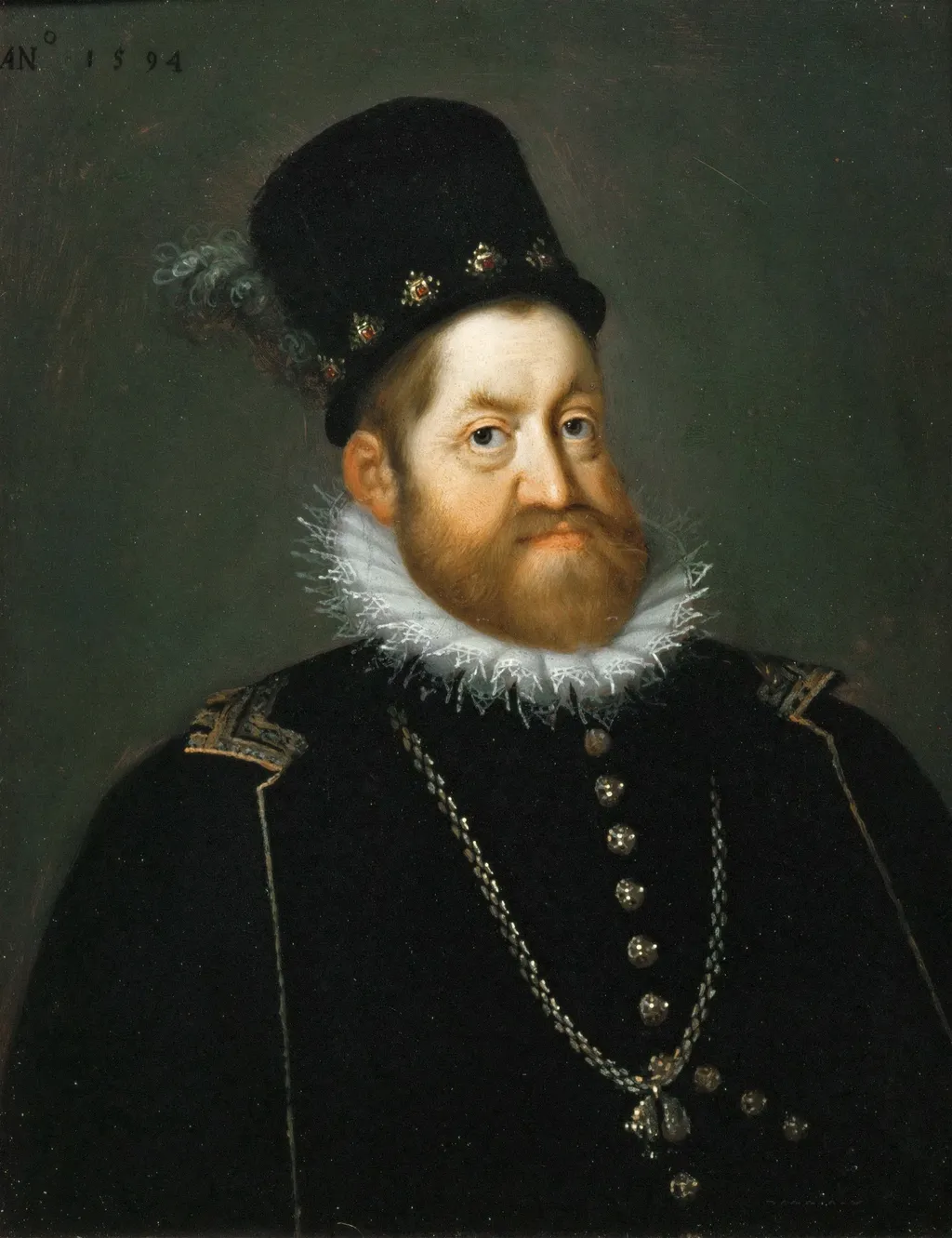
Porträt des Kaisers Rudolf II. is an oil painting by the Mannerist artist Joseph Heintz the Elder. It dates from 1598 and is held in the collection of the Kunsthistorisches Museum.
About this work
Overview
Its compact scale and precise execution reflect the emperor’s preference for intimate, controlled representations rather than grand ceremonial displays.
Painted in 1598 by Joseph Heintz the Elder, this portrait captures Emperor Rudolf II on a copper panel, a durable support favored for fine detail. The work resides in the Kunsthistorisches Museum in Vienna, where it remains a key example of late Renaissance court portraiture. Its compact scale and precise execution reflect the emperor’s preference for intimate, controlled representations rather than grand ceremonial displays.
Subject & Meaning
Rudolf II is depicted not as a warrior or ruler in action, but as a contemplative intellectual. His stillness, refined attire, and restrained gaze convey authority through composure rather than spectacle. The pearl necklace and lace collar signal status, while the dark, feathered hat evokes the somber elegance favored by Habsburg elites. The image emphasizes inner depth over outward power, aligning with Rudolf’s reputation as a patron of science and the occult.
Technique & Style
Heintz employed chiaroscuro to model the emperor’s face with subtle gradations of light and shadow, lending volume and realism to his features. The smooth surface of the copper plate allowed for fine brushwork, particularly in the rendering of lace and the sheen of velvet. Backgrounds are deliberately muted, eliminating distraction and focusing attention on the figure’s expression and texture. The technique reflects Northern European precision fused with Italianate lighting conventions.
History & Provenance
Commissioned during Rudolf’s reign in Prague, the portrait likely served as a diplomatic gift or private keepsake. It remained within imperial collections after his death, eventually entering the Kunsthistorisches Museum’s holdings in the 19th century. Its survival in near-original condition is notable, as many similar works were lost or altered during political upheavals. The painting’s consistent attribution to Heintz underscores its documented place in the emperor’s artistic circle.
Context
Rudolf II’s court in Prague was a hub for astronomers, alchemists, and artists, fostering a unique blend of mysticism and empiricism. Portraits from this era often avoided overt symbolism, favoring psychological nuance. Heintz, a Swiss artist trained in Italy, brought a hybrid style to Prague’s imperial circle. This portrait reflects the broader trend of Habsburg rulers using art to project intellectual gravitas amid religious and political instability across Europe.
Legacy
The portrait stands as a quiet testament to Rudolf’s unconventional rule and the artistic sophistication of his court. Unlike more flamboyant royal images, it prioritizes introspection, influencing later depictions of rulers as thinkers rather than conquerors. Heintz’s handling of light and texture set a standard for court portraiture in Central Europe, and the work continues to inform scholarly understanding of Habsburg visual culture in the late 16th century.
Own this work as a print
Artist & collection

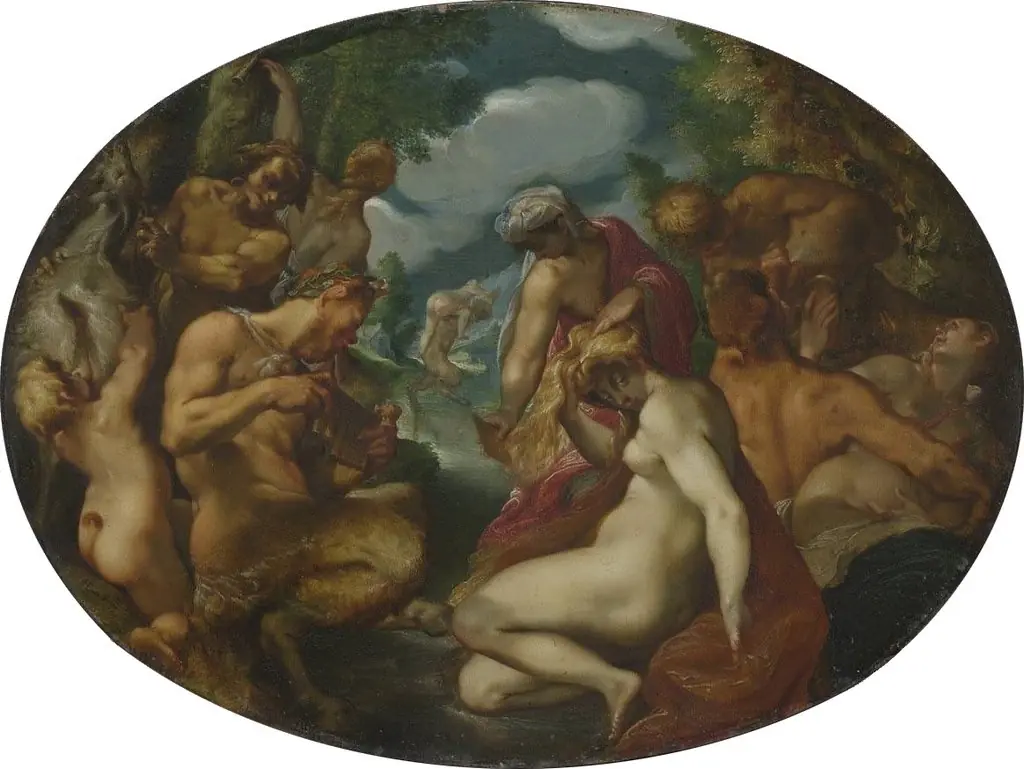 Satyrs and nymphs
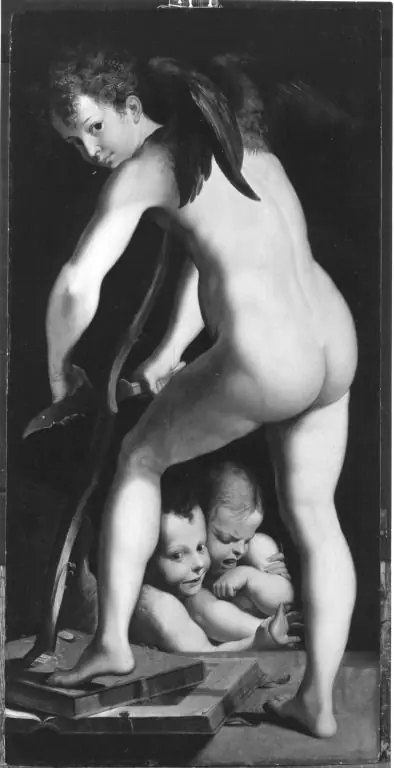 Cupid carves the bow
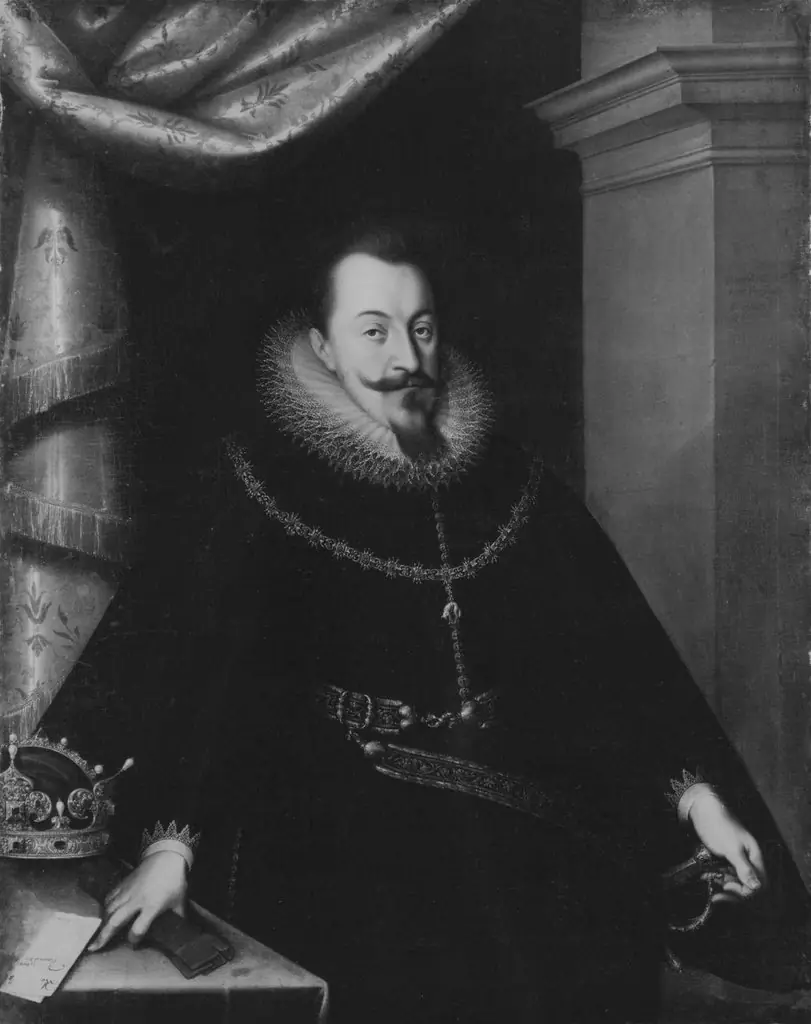 Bildnis des Königs Sigismund III. Vara von Polen und Schweden
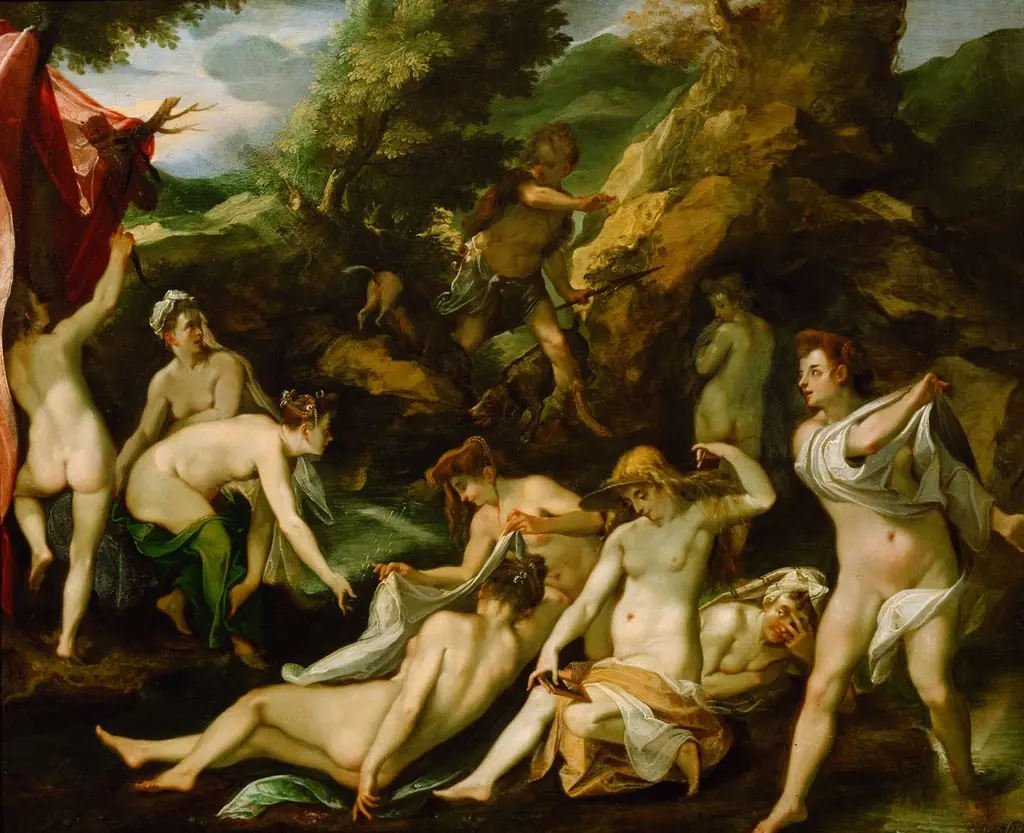 Diana and Actaeon
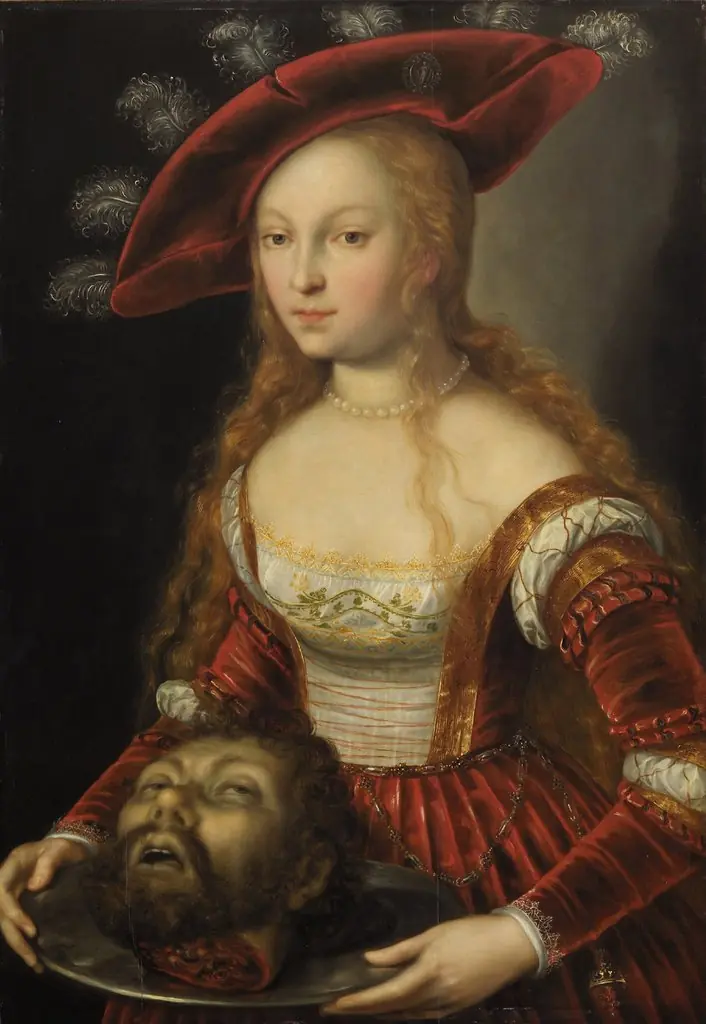 Salome with the head of John the Baptist
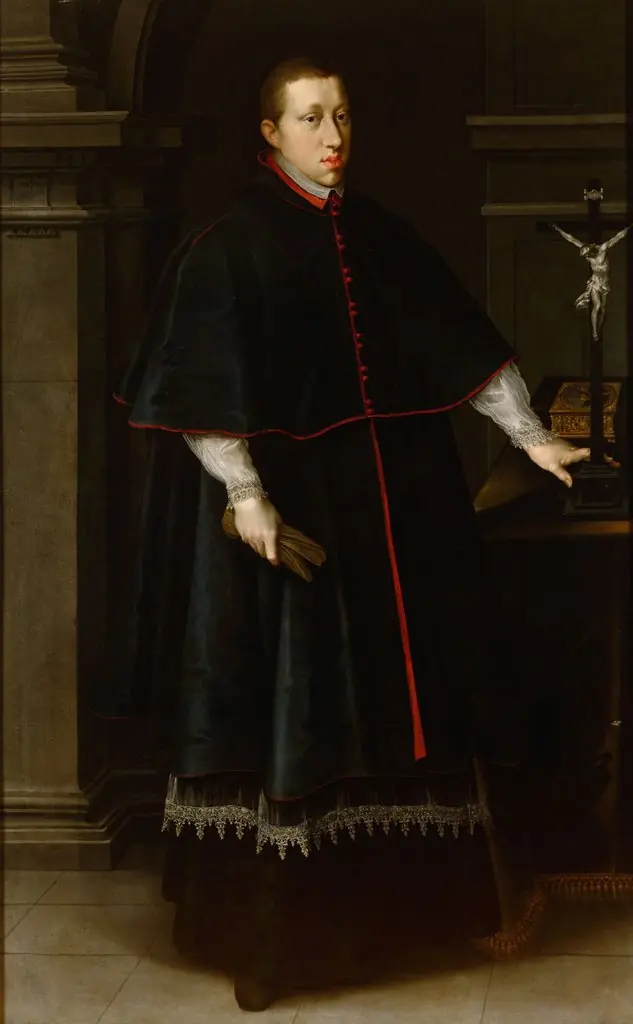 Archduke Leopold V (1586-1632) in the Spiritual Garment
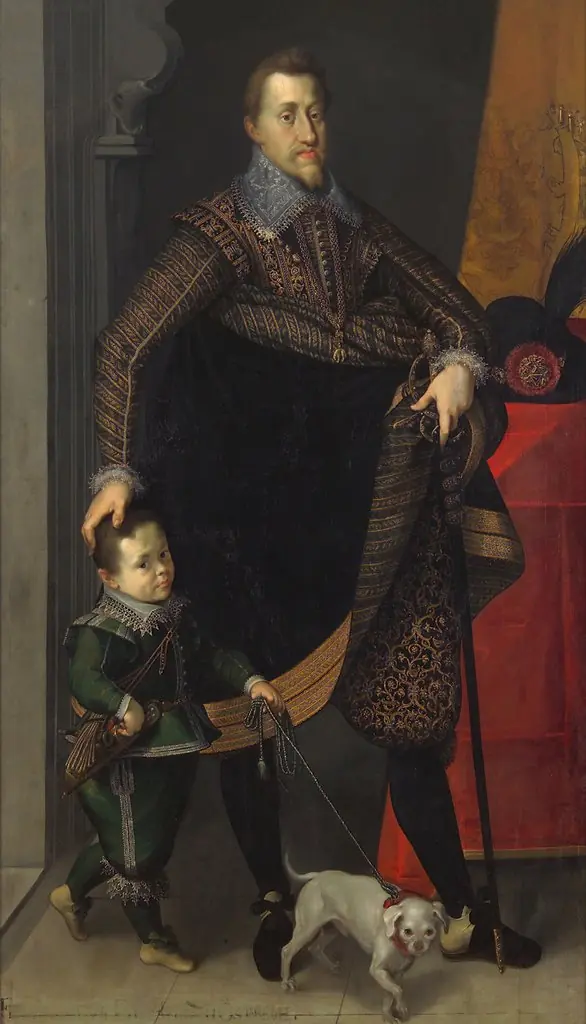 Emperor Ferdinand II (1578-1637) in Full Figure with a Court Dwarf
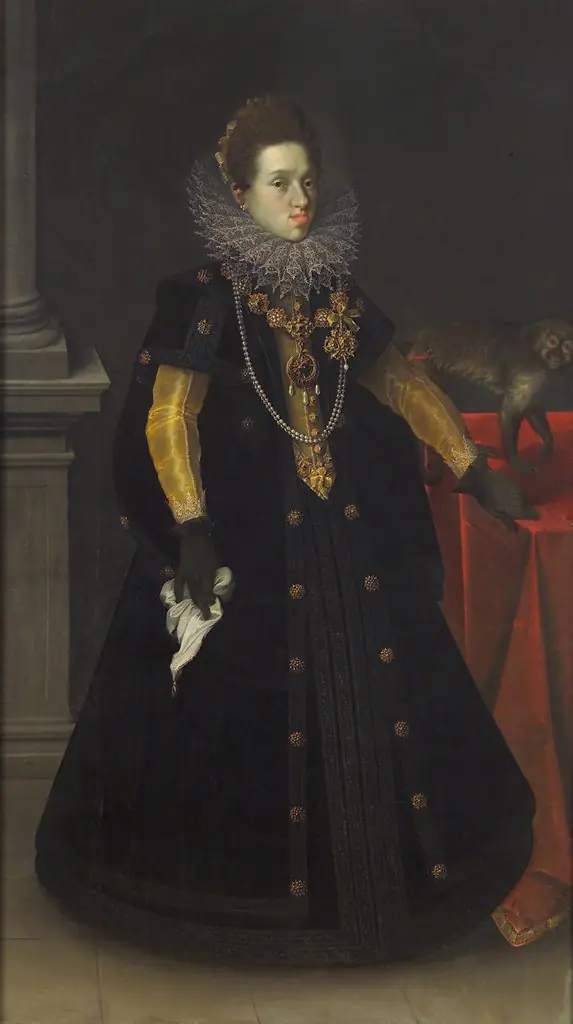 Archduchess Constance (1588-1631), Queen of Poland, with a Monkey
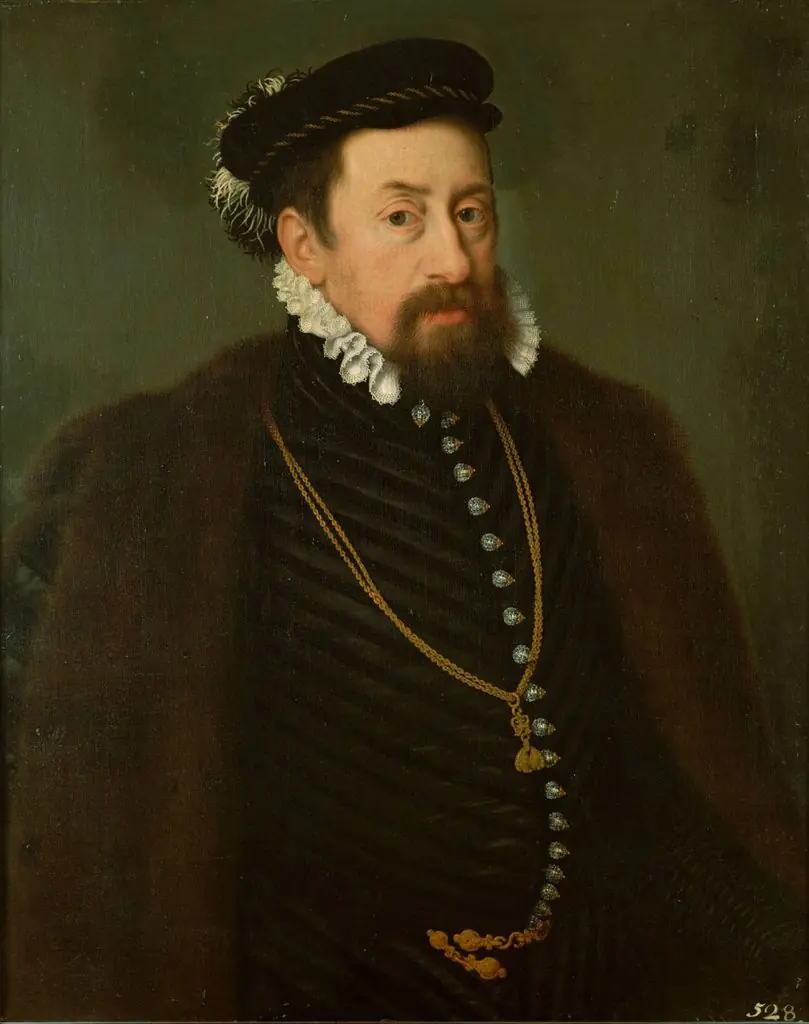 Kaiser Maximilian II. (1527-1576) als etwa Vierzigjähriger
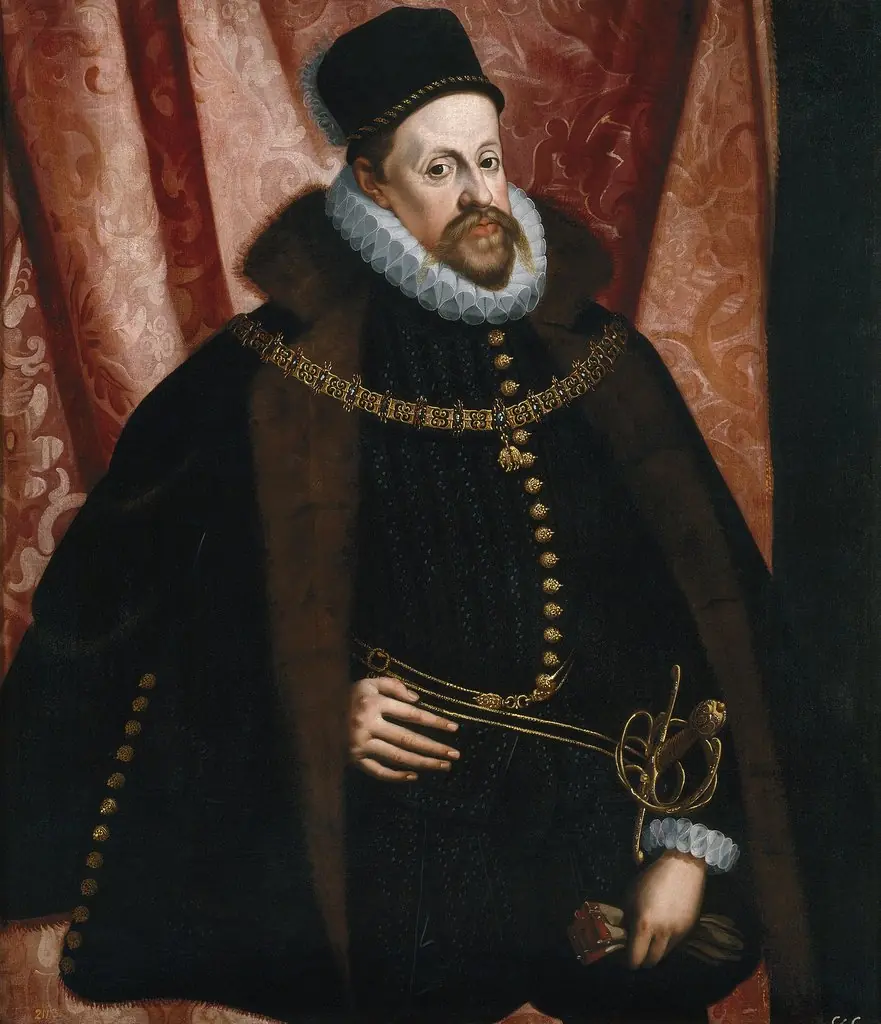 El archiduque Carlos de Austria, duque de Stiria
 Portrait of Charles V (1500-1558)
 Portrait of Philip II of Spain
 Don Sebastian (1554-nach 1578), König von Portugal, mit dem Kreuz des Christusordens, Halbfigur (beschnitten)
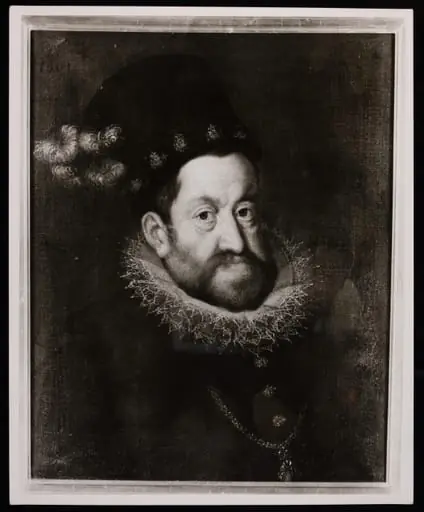 Rudolf II Habsburg
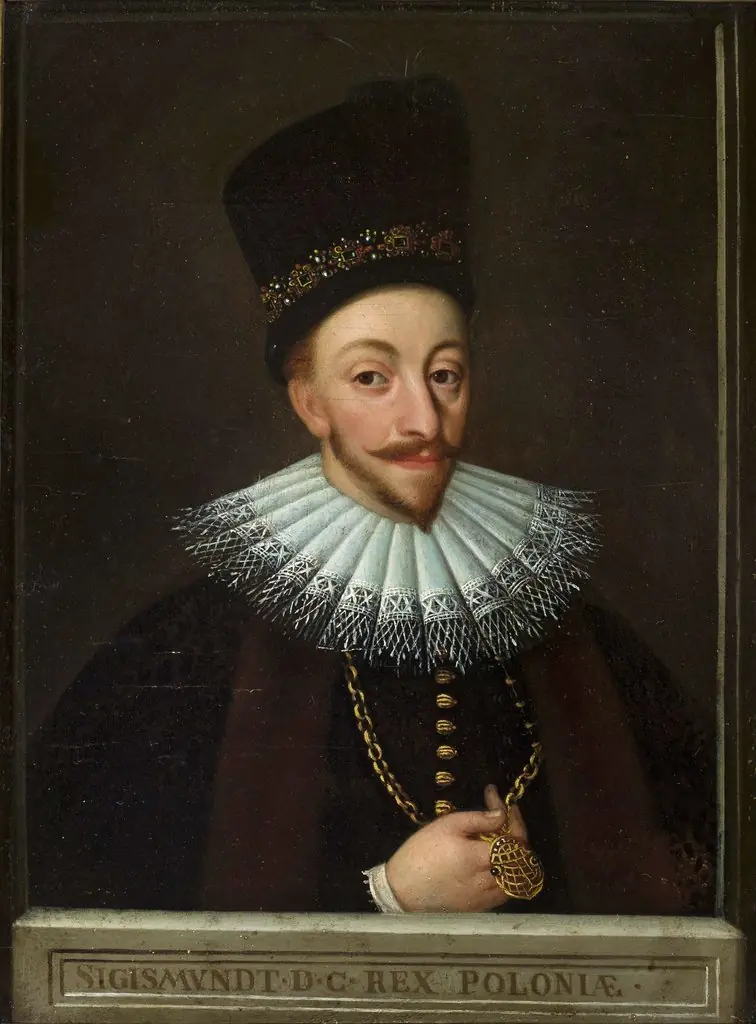 Portrait of Sigismund III Vasa (1566–1632), King of Poland
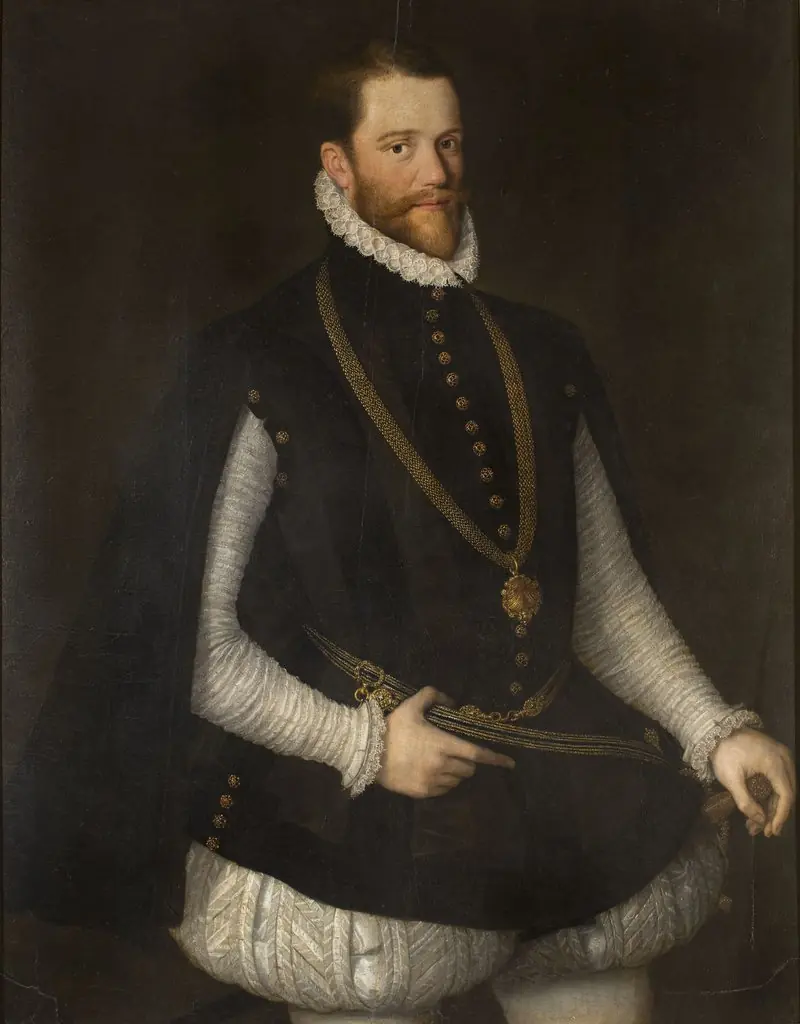 Portrait of a Gentleman of the order of Saint James
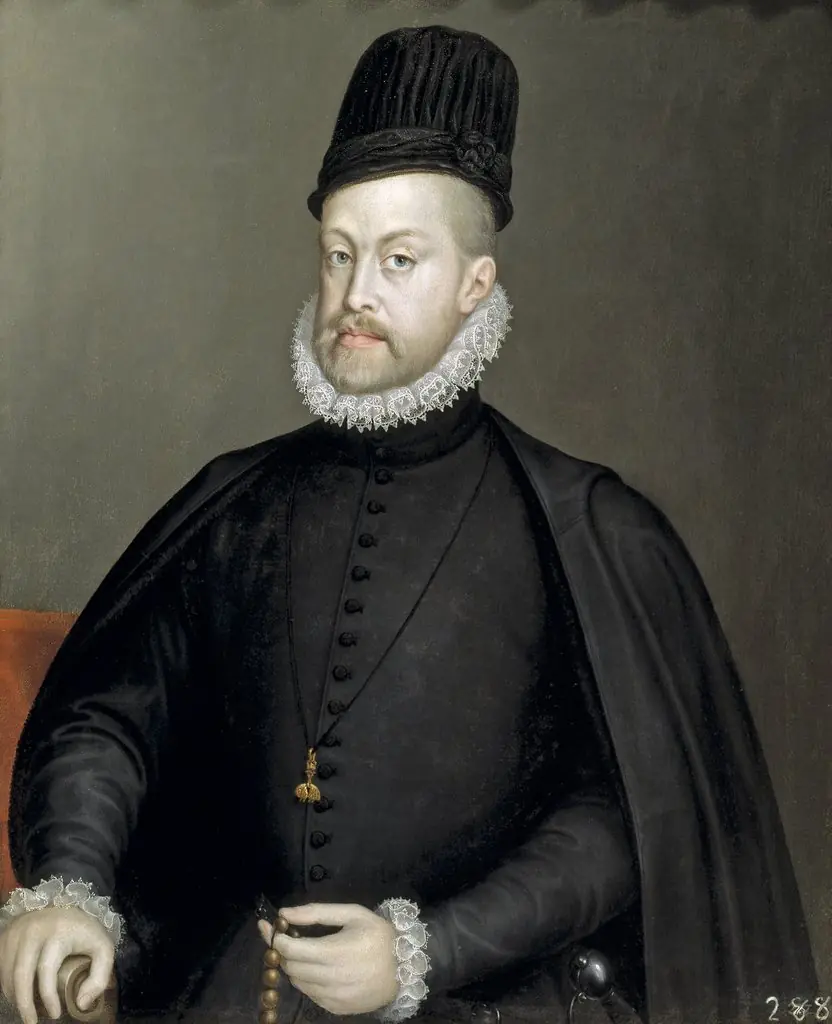 Portrait of Philip II of Spain
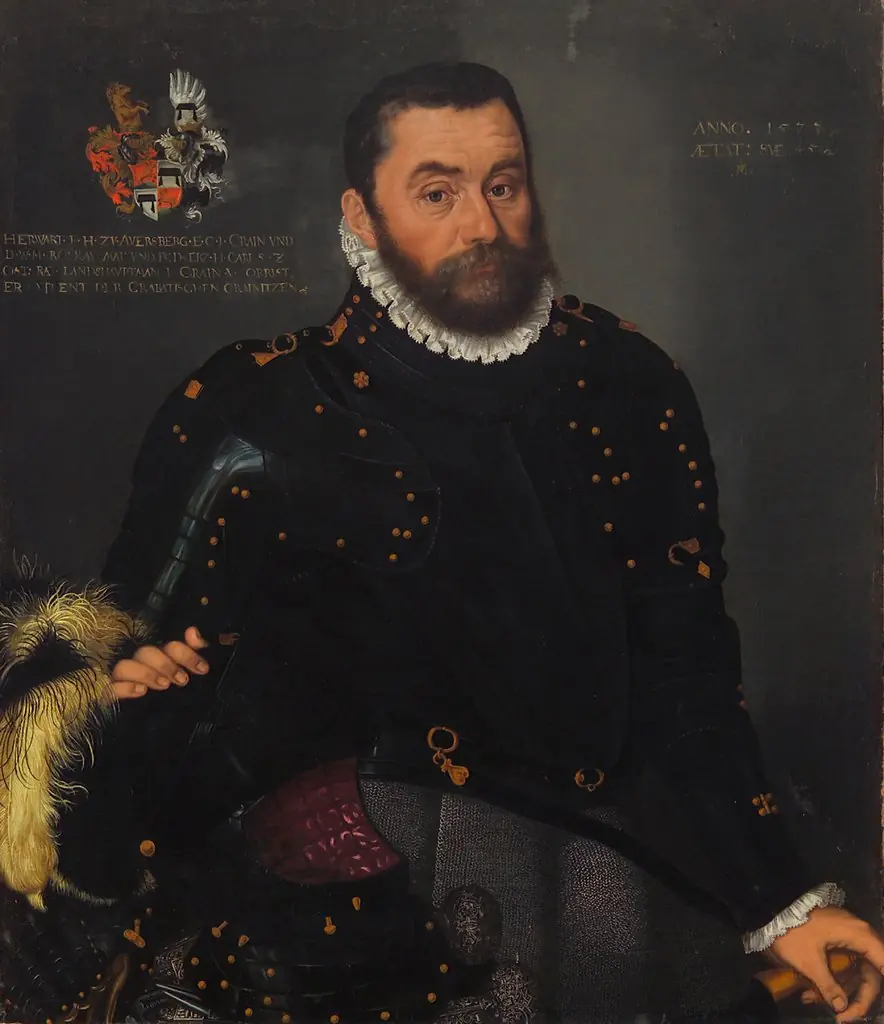 Herwart VIII. Freiherr von Auersperg (1528-1575)