Artwork
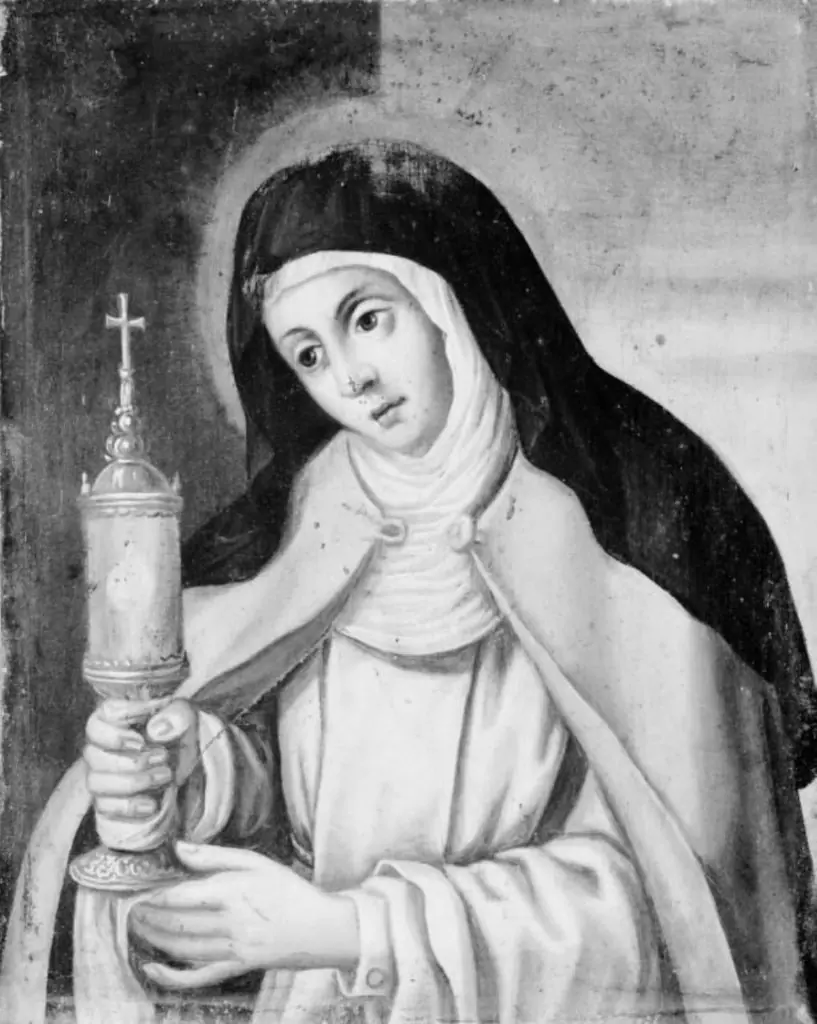
En helgeninde, udklædt som nonne i hvid dragt med sort slør, holdende monstransen i den højre hånd
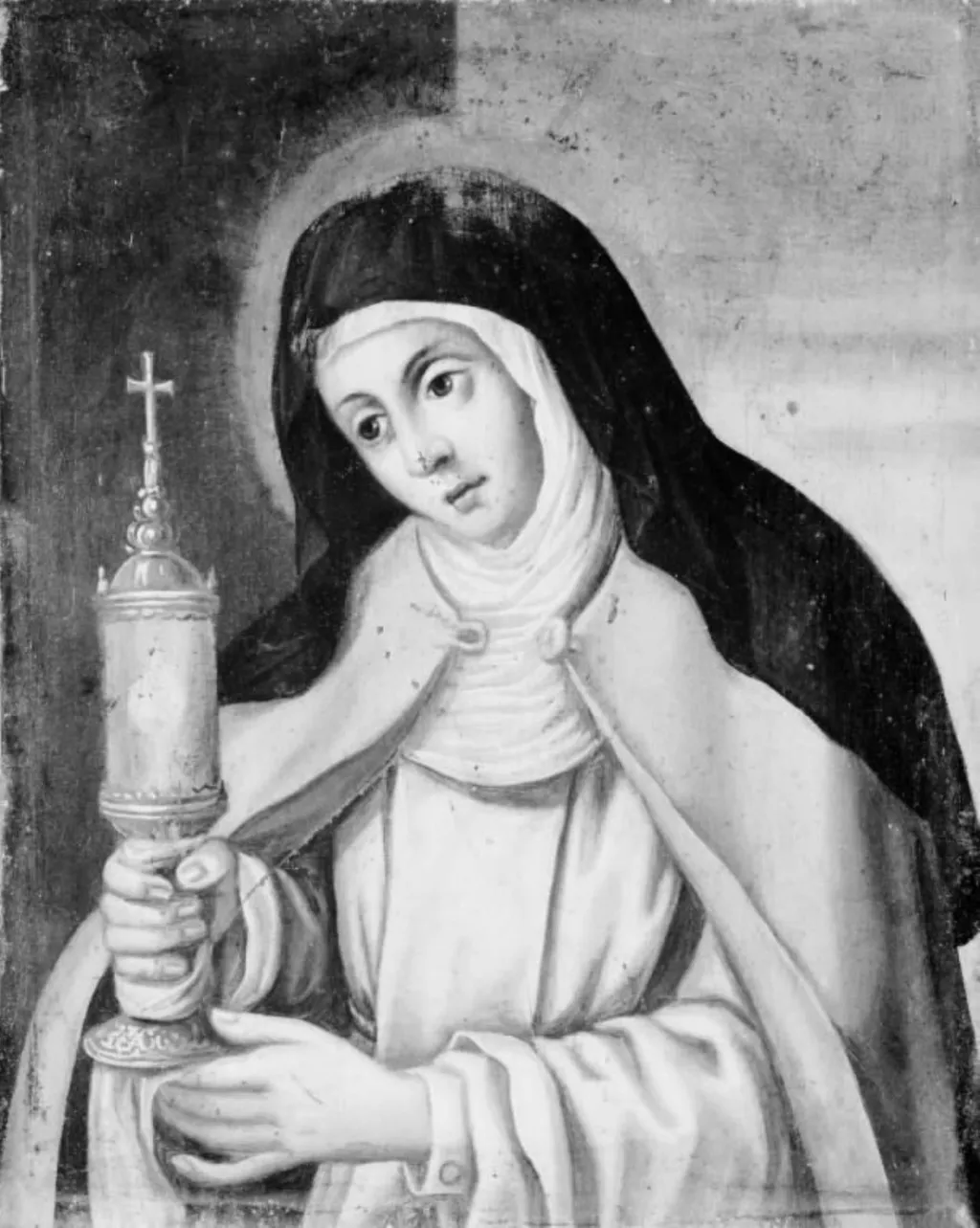
En helgeninde, udklædt som nonne i hvid dragt med sort slør, holdende monstransen i den højre hånd is a photography by Unknown. It dates from 1750 and is held in the collection of the Statens Museum for Kunst.
About this work
Overview
This painting, dated around 1750, portrays a female figure dressed as a nun, clad in a white robe and black veil, holding a monstrance in her right hand.
This painting, dated around 1750, portrays a female figure dressed as a nun, clad in a white robe and black veil, holding a monstrance in her right hand. Executed in a realistic style, it was created by an artist identified only as 37426_person. The work is part of the collection at the Museum of Ethnography, where it is preserved as a visual artifact reflecting religious iconography and artistic practice of the period.
Subject & Meaning
The figure represents a saintly woman, likely intended as a devotional image, dressed in the habit of a nun to signify piety and renunciation. The monstrance, used in Catholic liturgy to display the Eucharist, underscores her spiritual role. Her gaze and posture suggest contemplation, aligning her with sacred ideals of devotion and purity, though her specific identity remains unconfirmed.
Technique & Style
The artist employs chiaroscuro to model the figure’s form, enhancing the three-dimensionality of the robe and the metallic surface of the monstrance. Fine brushwork captures the texture of fabric and the ornate details of the sacred vessel. The composition directs attention to the face and the monstrance, creating a focal point that emphasizes spiritual presence over narrative context.
History & Provenance
The painting entered the collection of the Museum of Ethnography at an unknown date, likely as part of a broader acquisition of religious imagery from European contexts. Its origin and early ownership are undocumented. It has remained in institutional care since at least the late 19th century, preserved for its cultural and artistic value rather than its ecclesiastical function.
Context
Created during the height of Baroque religious art in Northern Europe, the work reflects enduring Catholic devotional traditions, even in regions experiencing religious change. The depiction of a nun with a monstrance may have served private worship or been produced for a convent, though its presence in an ethnographic museum suggests later reinterpretation as cultural artifact rather than liturgical object.
Legacy
The painting contributes to scholarly understanding of how religious iconography was adapted in personal and regional contexts during the 18th century. While not widely exhibited, its preservation in an ethnographic setting highlights shifting attitudes toward sacred imagery—valued now for its cultural record rather than its theological function.
Artist & collection

 Domestic Scene
 Giacomo and Cardinal Marco, investing Andrea, Abbot of San Zeno, with his Benefice
 The Nymph of Fontainebleau
 Portrait of a Woman
 Madonna and Child with Saints in the Enclosed Garden
 Venus and Minerva
 Family Group of Four on Sofa
 Wall painting from Room H of the Villa of P. Fannius Synistor at Boscoreale
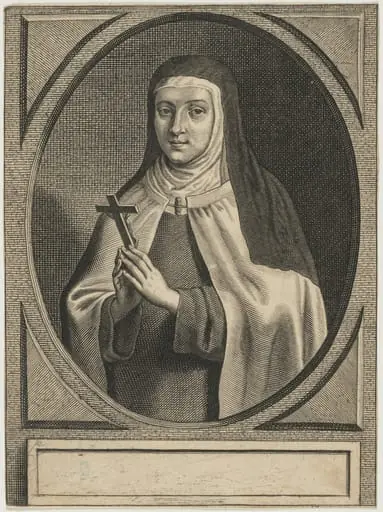 Portrait of a Nun Holding Crucifix
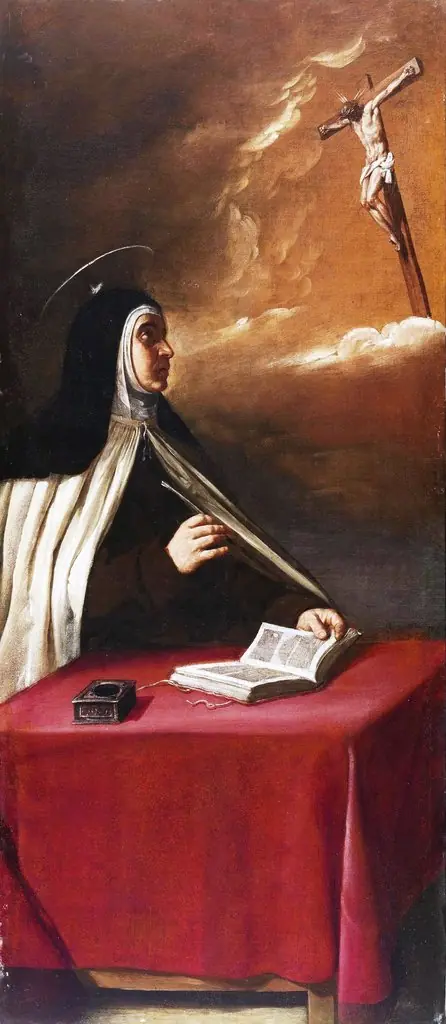 The crucified Christ appears to Saint Teresa of Avila
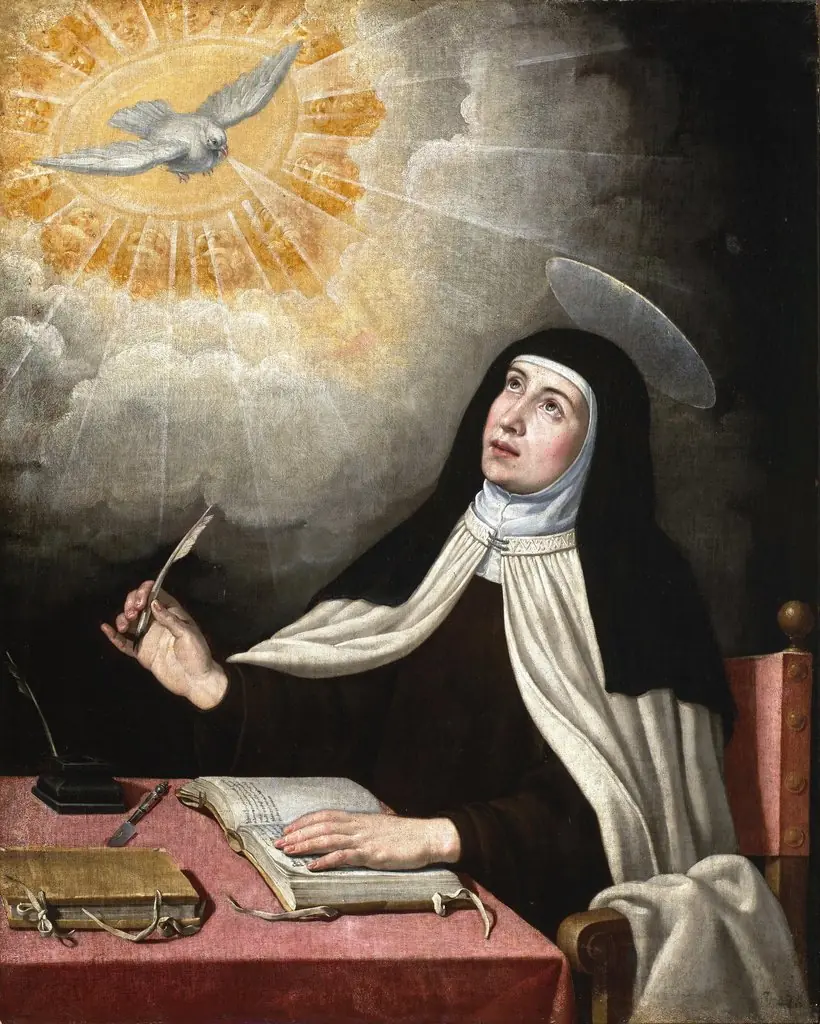 Santa Teresa de Jesús
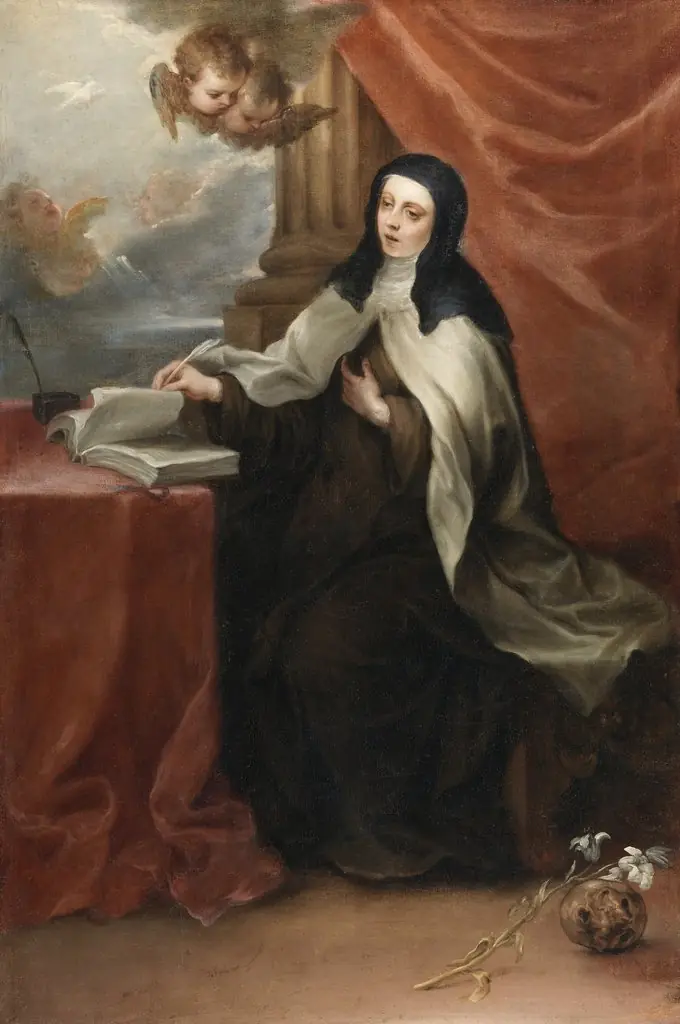 Saint Teresa of Avila
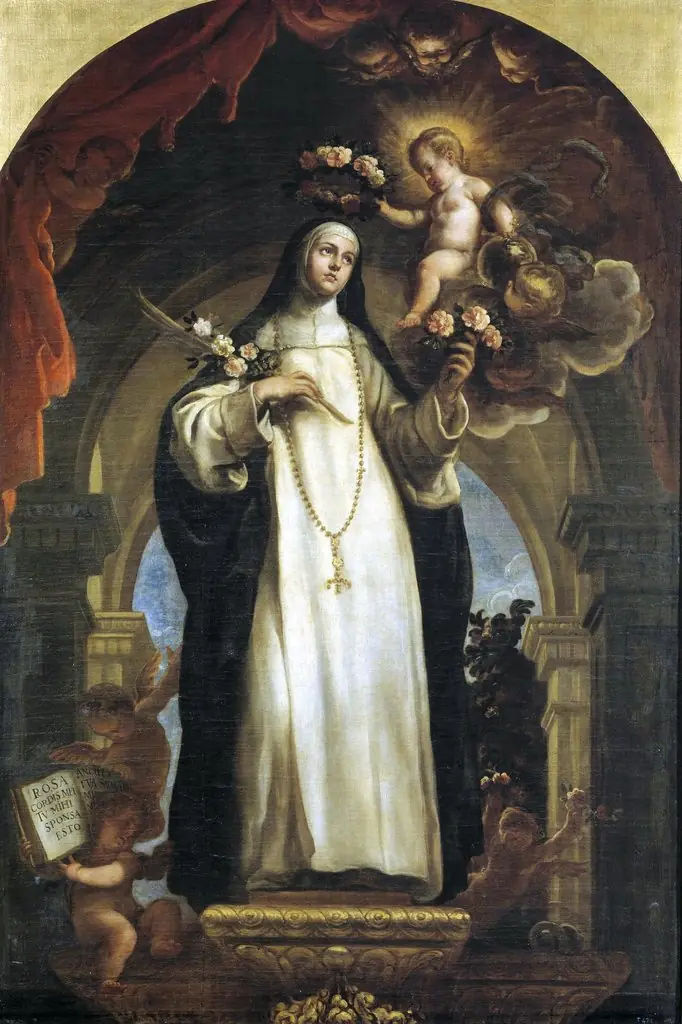 Santa Rosa de Lima
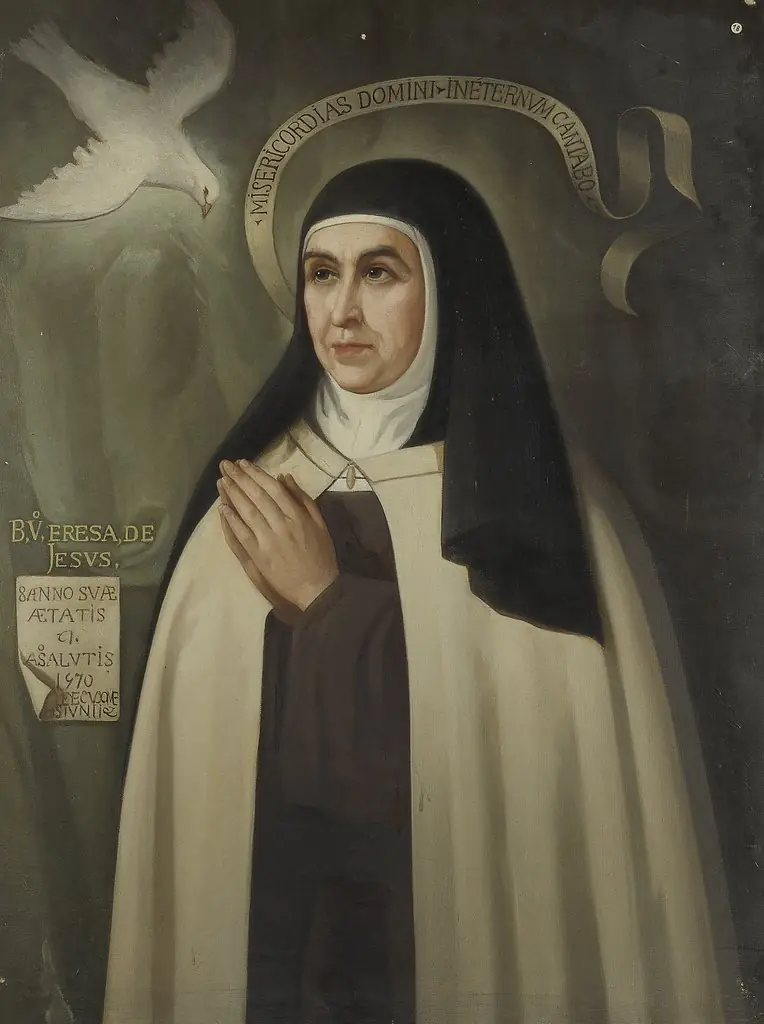 Saint Teresa of Ávila
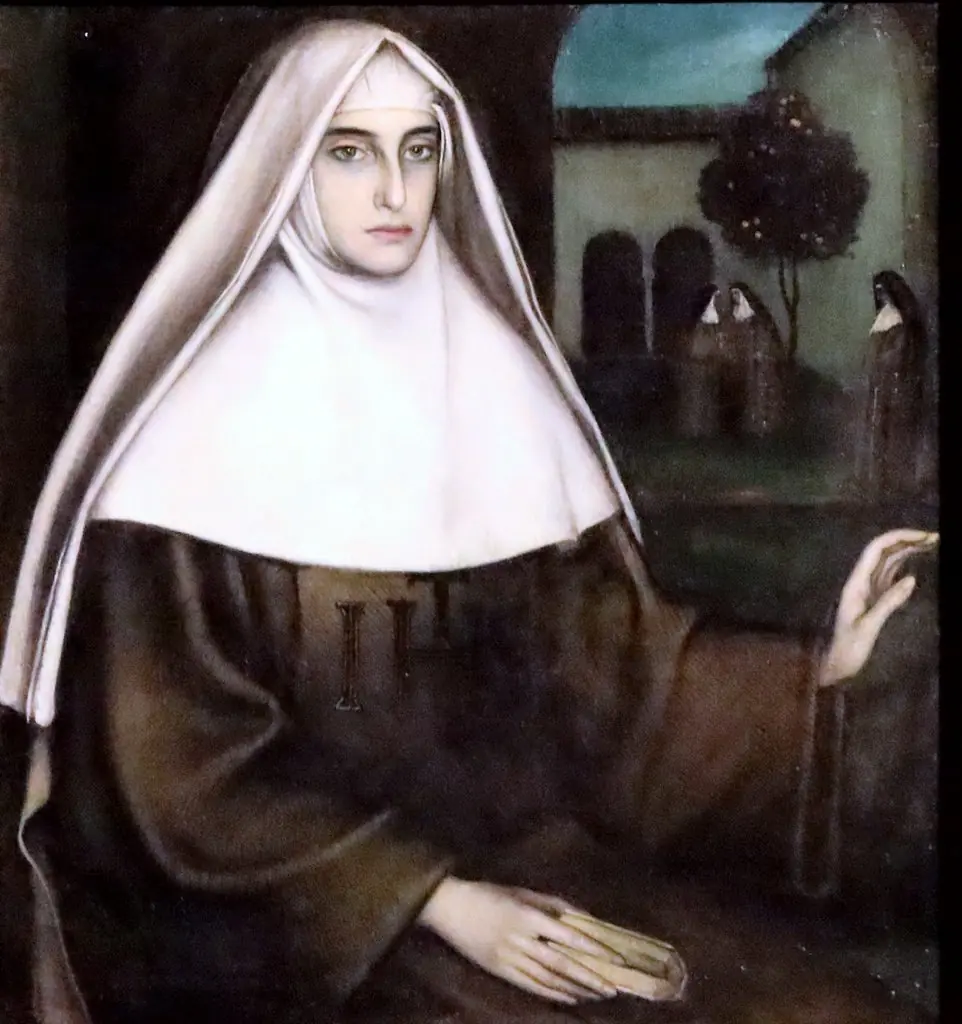 La novícia (Museu Nacional d'Art de Catalunya, inv 024157-004)
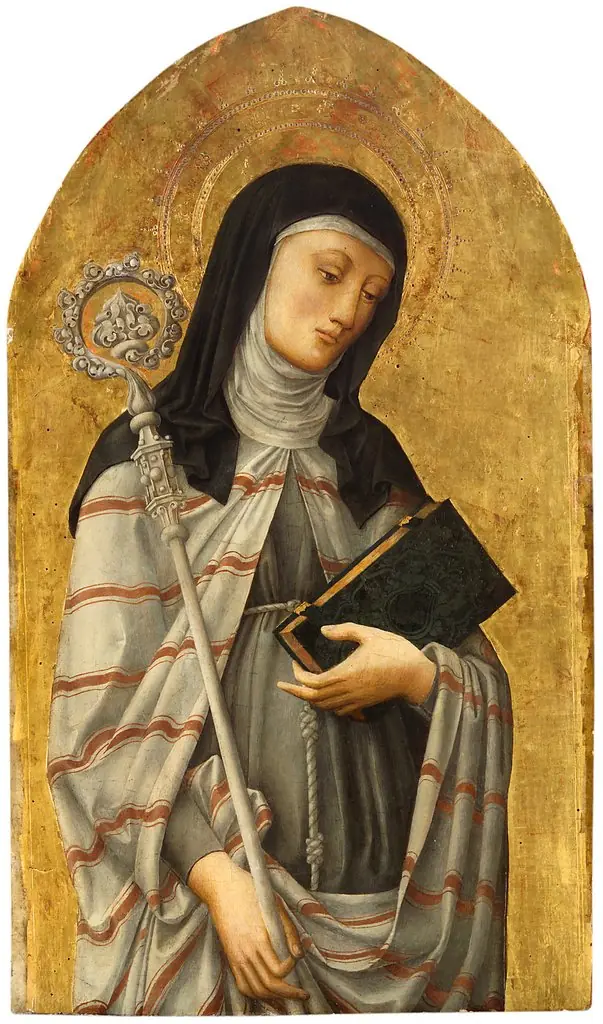 Saint Clare
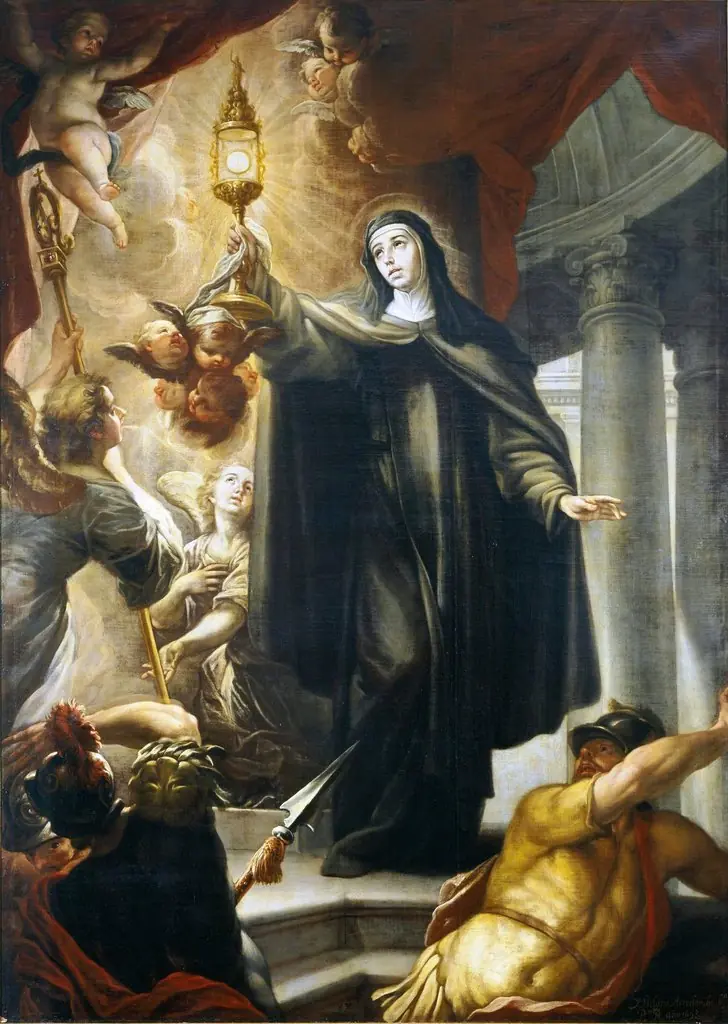 Saint Clare Driving Away the Infidels with the Eucharist
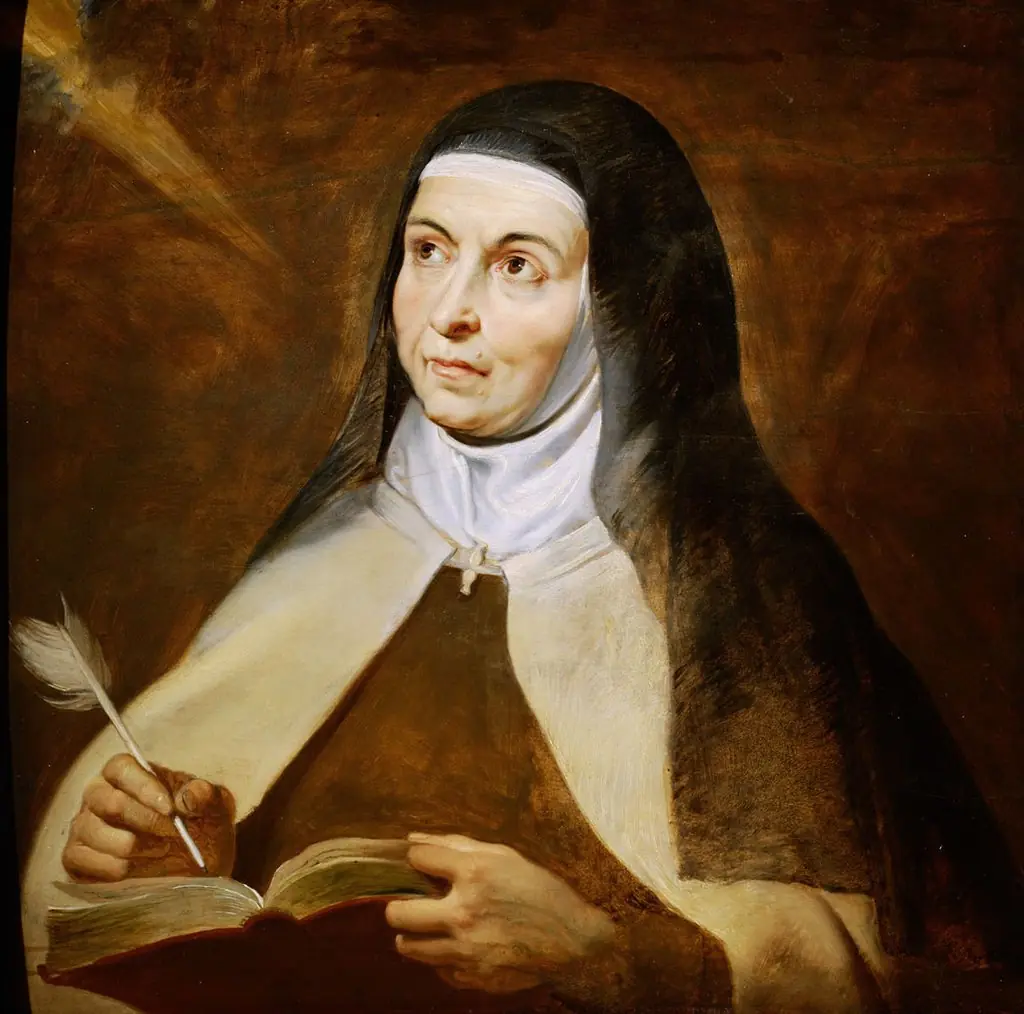 Theresa of Avila
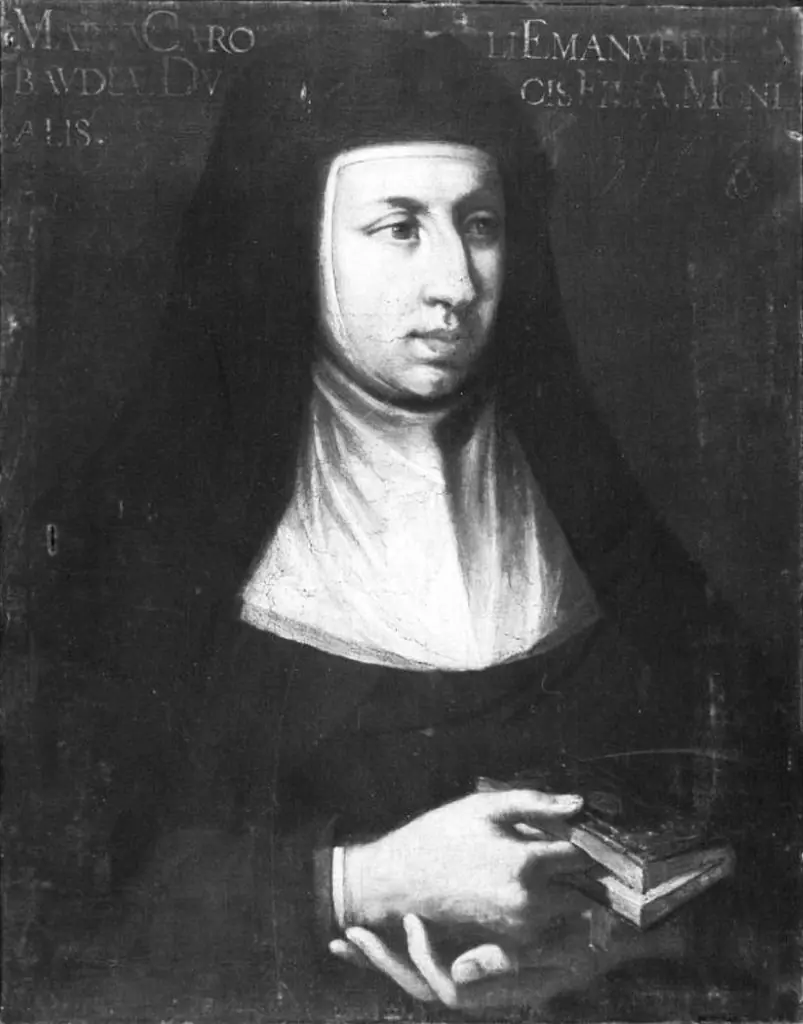 Prinzessin Maria
 En helgeninde, udklædt som nonne i hvid dragt med sort slør, holdende monstransen i den højre hånd