Artwork
Kristus og soldaterne
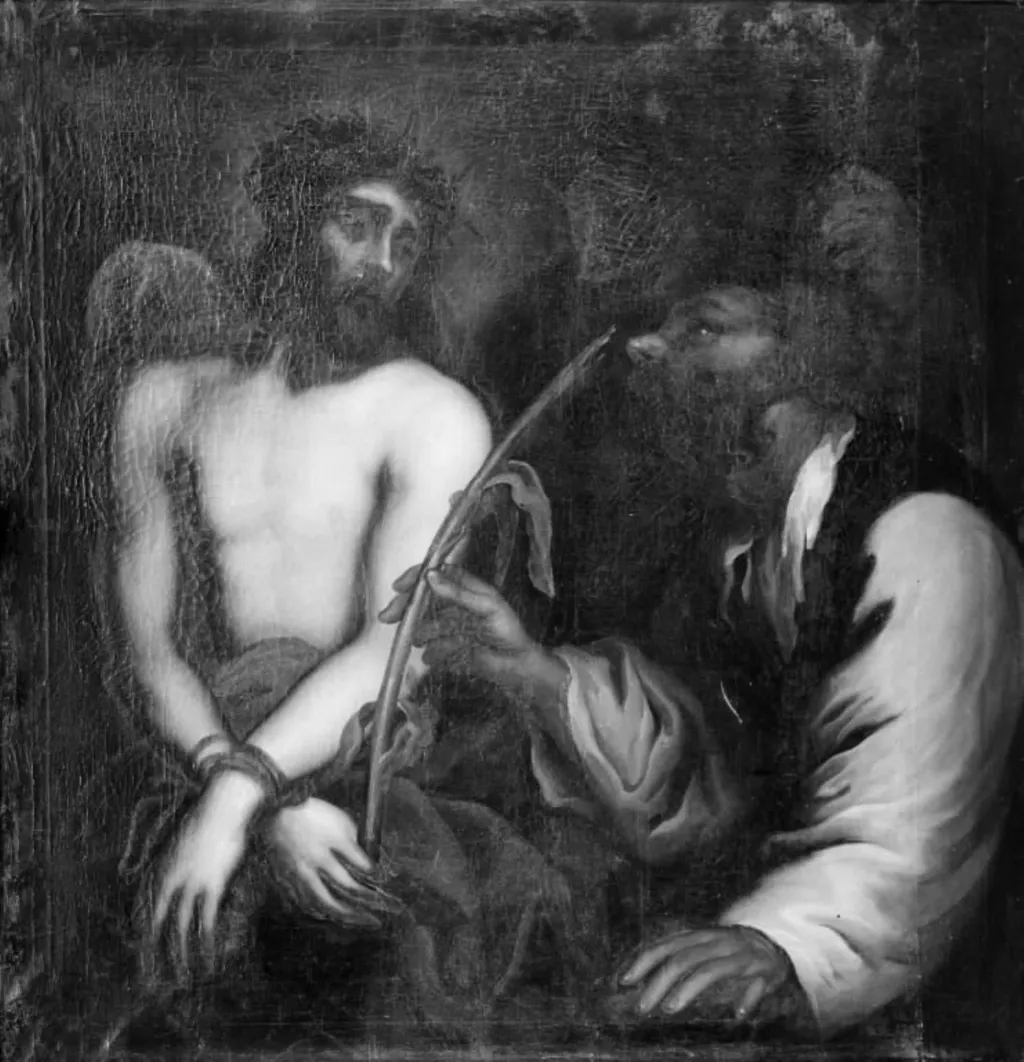
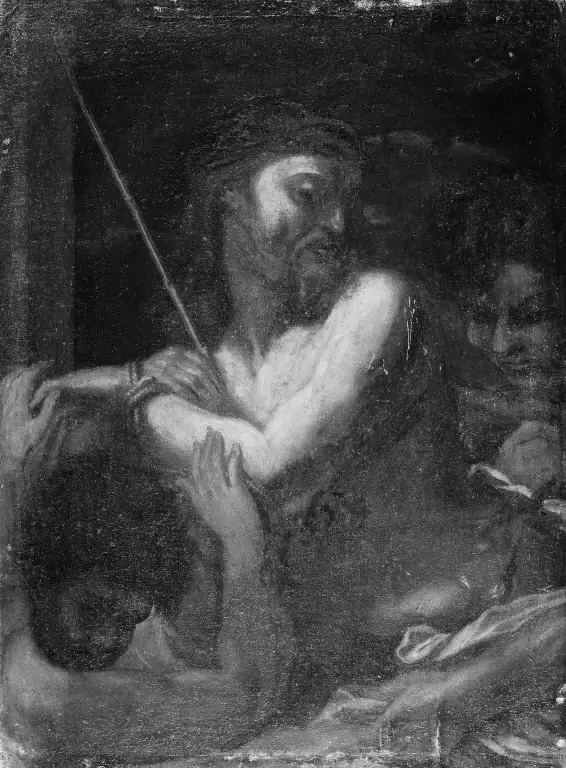
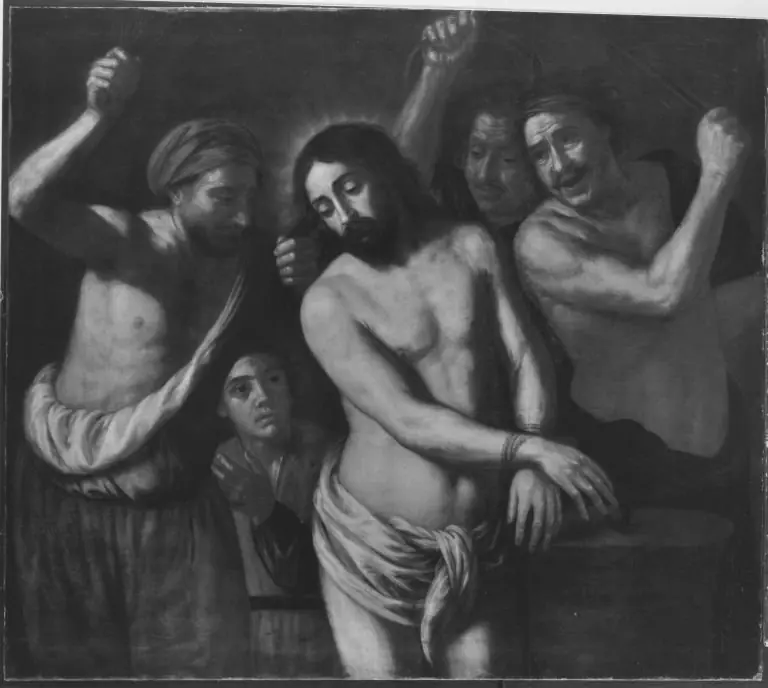
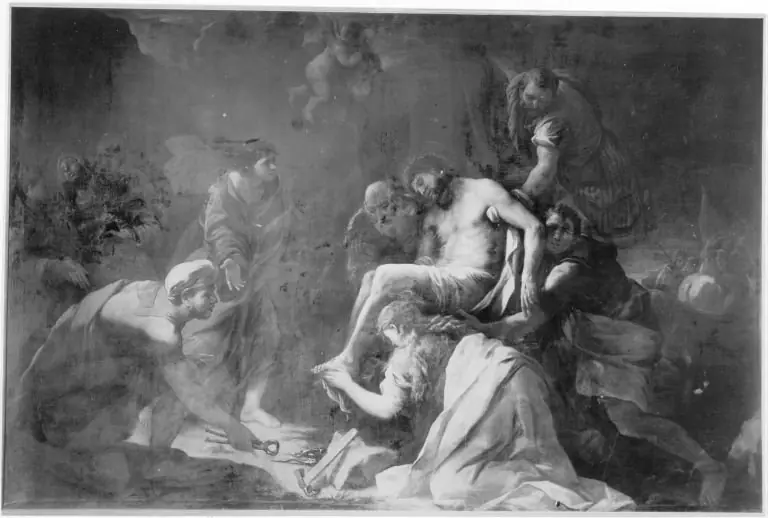
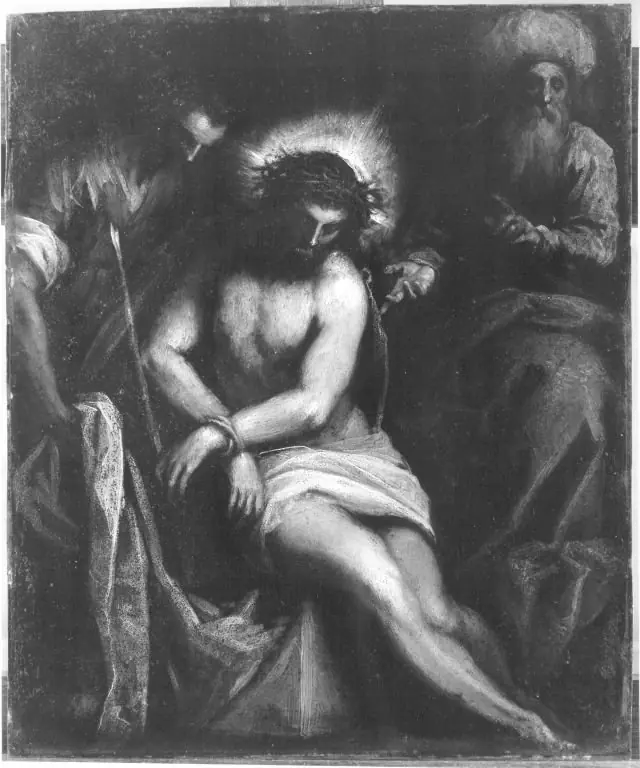
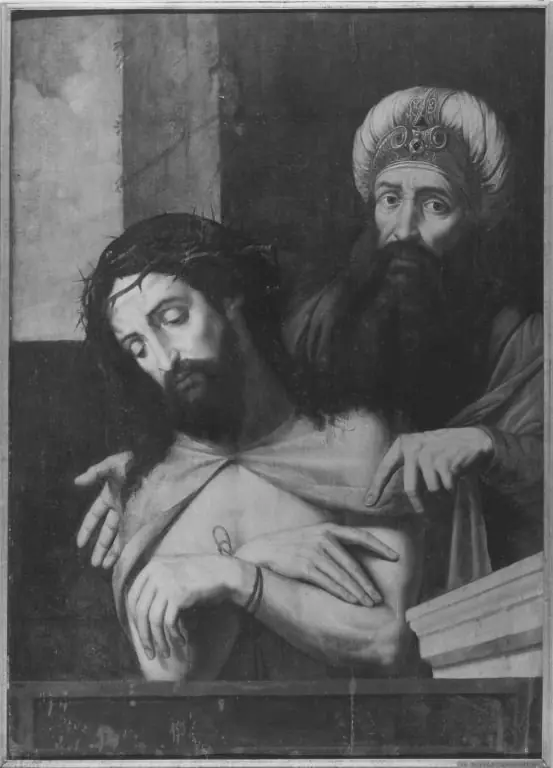
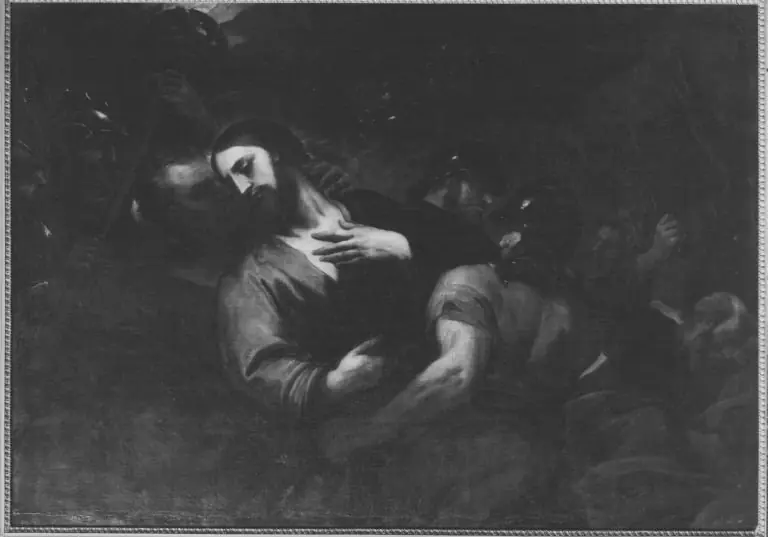
Kristus og soldaterne is a photography by Unknown. It dates from 1750 and is held in the collection of the Statens Museum for Kunst. Created around 1750, this black-and-white image depicts a moment of quiet tension between two figures.
About this work
Overview
Created around 1750, this black-and-white image depicts a moment of quiet tension between two figures. It is held in the collection of the Museum of Ethnography. The composition relies on strong contrasts between light and shadow, a technique known as chiaroscuro, which heightens the emotional weight of the scene without relying on color or fine detail.
Subject & Meaning
The posture and lighting suggest a moment of submission or confrontation, possibly referencing religious themes of Christ before his crucifixion.
One figure kneels, arms extended, holding a staff-like object, while another leans over them, hand resting on the shoulder. The posture and lighting suggest a moment of submission or confrontation, possibly referencing religious themes of Christ before his crucifixion. The ambiguity of identity and setting invites interpretation beyond literal narrative, emphasizing emotional resonance over specificity.
Technique & Style
The image uses stark chiaroscuro to isolate forms against deep darkness. The kneeling figure is rendered with clearer definition, while the standing figure appears blurred, enhancing a sense of movement or threat. The limited tonal range and sharp contrasts suggest a photographic or print medium, prioritizing mood over realism, with emphasis on gesture and atmosphere.
History & Provenance
The work is attributed to an artist identified only by a numeric code, with no documented biography. It entered the Museum of Ethnography’s collection without clear provenance prior to its cataloging. Its origins remain uncertain, though its style aligns with 18th-century devotional imagery adapted for non-Western contexts or colonial-era documentation.
Context
Produced during a period of expanding European ethnographic collection, the image may reflect missionary or colonial efforts to visually document religious scenes in non-European settings. Its simplified forms and dramatic lighting echo European religious iconography, possibly adapted for educational or evangelistic purposes in distant regions.
Legacy
Though unsigned and obscure, the image endures as an example of how religious themes were visually translated across cultural boundaries in the 18th century. Its emotional intensity, achieved through minimal means, continues to invite analysis as both artifact and aesthetic object within ethnographic and art historical discourse.
Artist & collection

 Domestic Scene
 Giacomo and Cardinal Marco, investing Andrea, Abbot of San Zeno, with his Benefice
 The Nymph of Fontainebleau
 Portrait of a Woman
 Madonna and Child with Saints in the Enclosed Garden
 Venus and Minerva
 Family Group of Four on Sofa
 Wall painting from Room H of the Villa of P. Fannius Synistor at Boscoreale