Artwork
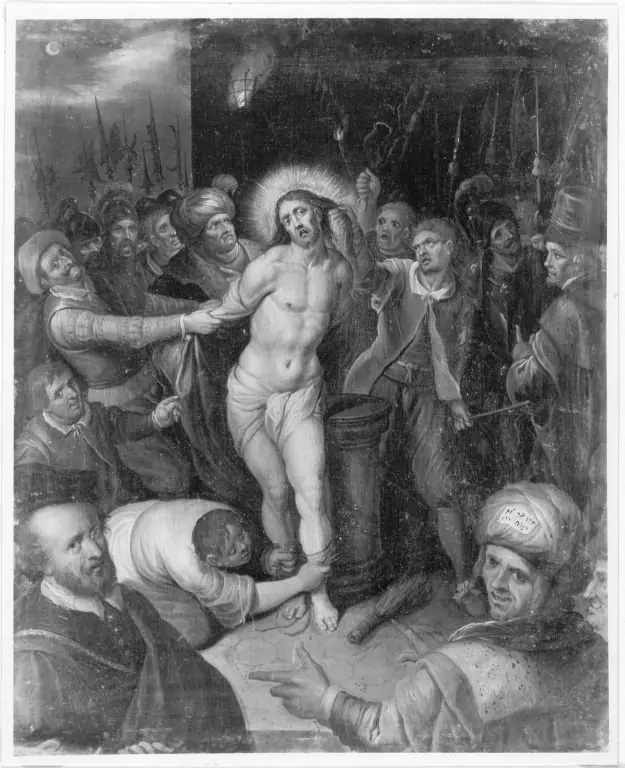
Verspottung Christi
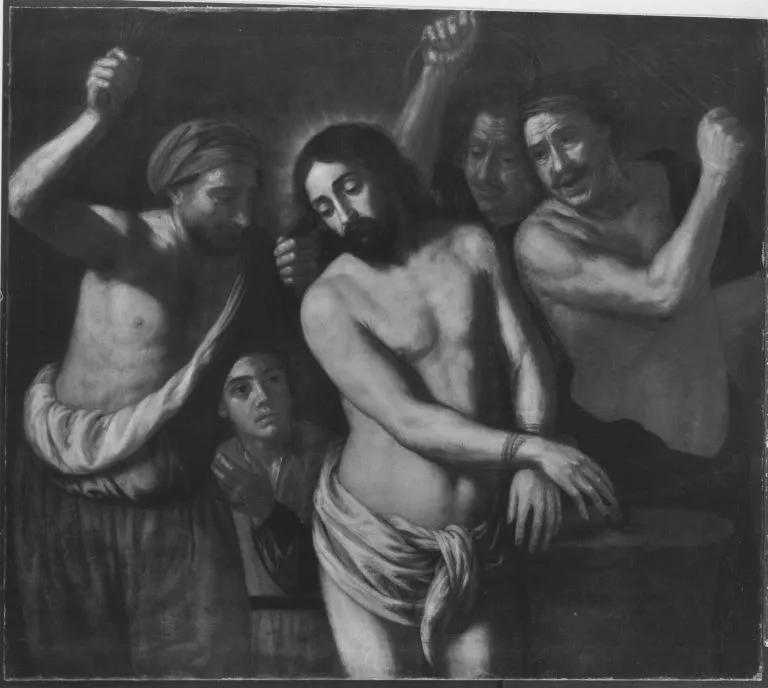
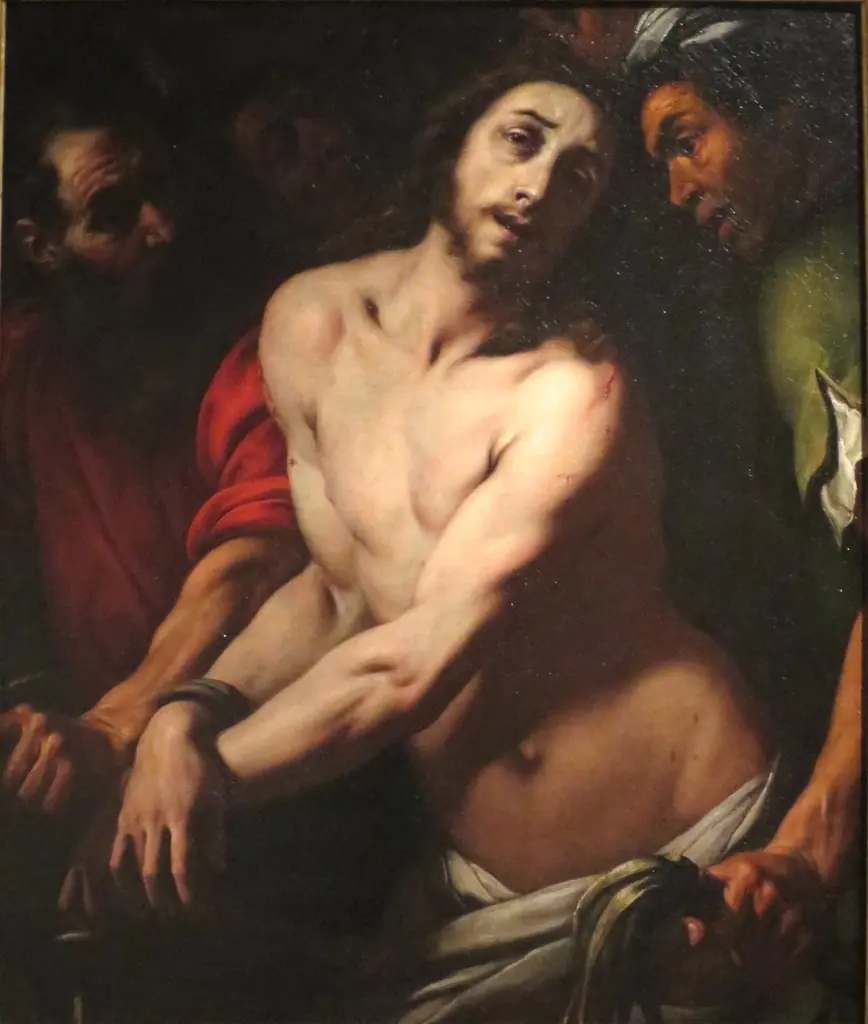
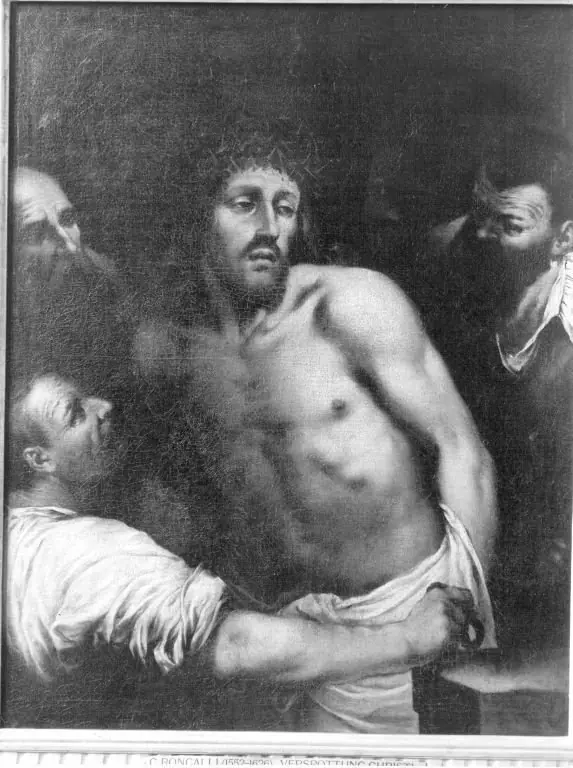
Verspottung Christi is an unspecified painting by the Dutch Golden Age artist Joannes de Cordua. It dates from 1666 and is held in the collection of the Bavarian State Painting Collections.
About this work
Overview
Created in 1666 by the Flemish artist Joannes de Cordua, *Verspottung Christi* is an oil painting that belongs to the corpus of his religious works. Executed during the later phase of the Dutch Golden Age, the canvas is now part of the Alte Pinakothek’s holdings in Munich. The composition presents a dramatic episode from the Passion, rendered with a stark contrast of light and dark.
Subject & Meaning
The scene portrays a naked figure, identified as Christ, seized by four aggressors who pull at his limbs and hair, while a grieving woman watches from the foreground. The violent grip and the sorrowful gaze evoke the humiliation and suffering endured by Jesus before his crucifixion, inviting contemplation of human cruelty and divine endurance.
Technique & Style
De Cordua employs chiaroscuro to heighten the emotional intensity, allowing the illuminated flesh and faces to emerge from a surrounding gloom.
De Cordua employs chiaroscuro to heighten the emotional intensity, allowing the illuminated flesh and faces to emerge from a surrounding gloom. The strong directional lighting creates a three‑dimensional effect, while deep shadows suggest a light source from behind the figures. The brushwork combines precise detailing in the hands and facial expressions with broader, softer modeling in the surrounding darkness.
History & Provenance
After its completion in Vienna, the work entered private collections before being acquired by the Bavarian State for the Alte Pinakothek, where it remains on display. Documentation traces its ownership through several European dealers in the 18th and 19th centuries, confirming its consistent attribution to de Cordua throughout its provenance.
Context
De Cordua’s oeuvre spans still lifes, peasant genre scenes, and portraiture, yet his religious paintings, such as this one, reflect the Counter‑Reformation’s demand for vivid, affective imagery. Executed in a period when Flemish artists were active in Vienna and Prague, the painting illustrates the cross‑regional exchange of stylistic ideas that characterized the late Dutch Golden Age.
Artist & collection
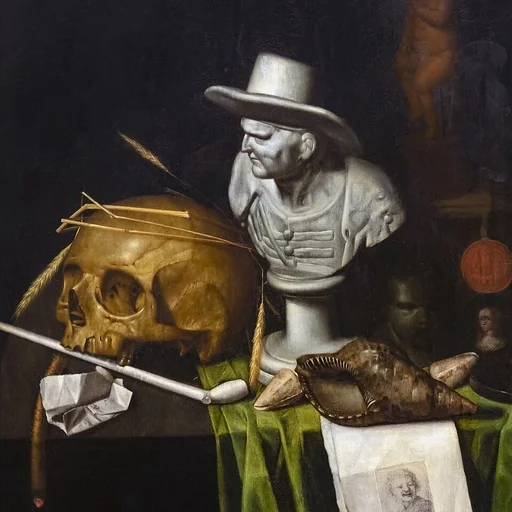
Artist
Joannes de Cordua or Johann de Cordua (c. 1630–1702) was a Flemish painter who was mainly active in Vienna and Prague. He is known for his still lifes, peasant scenes, portraits, and biblical themes.