Artwork
Frederik VI som kronprins
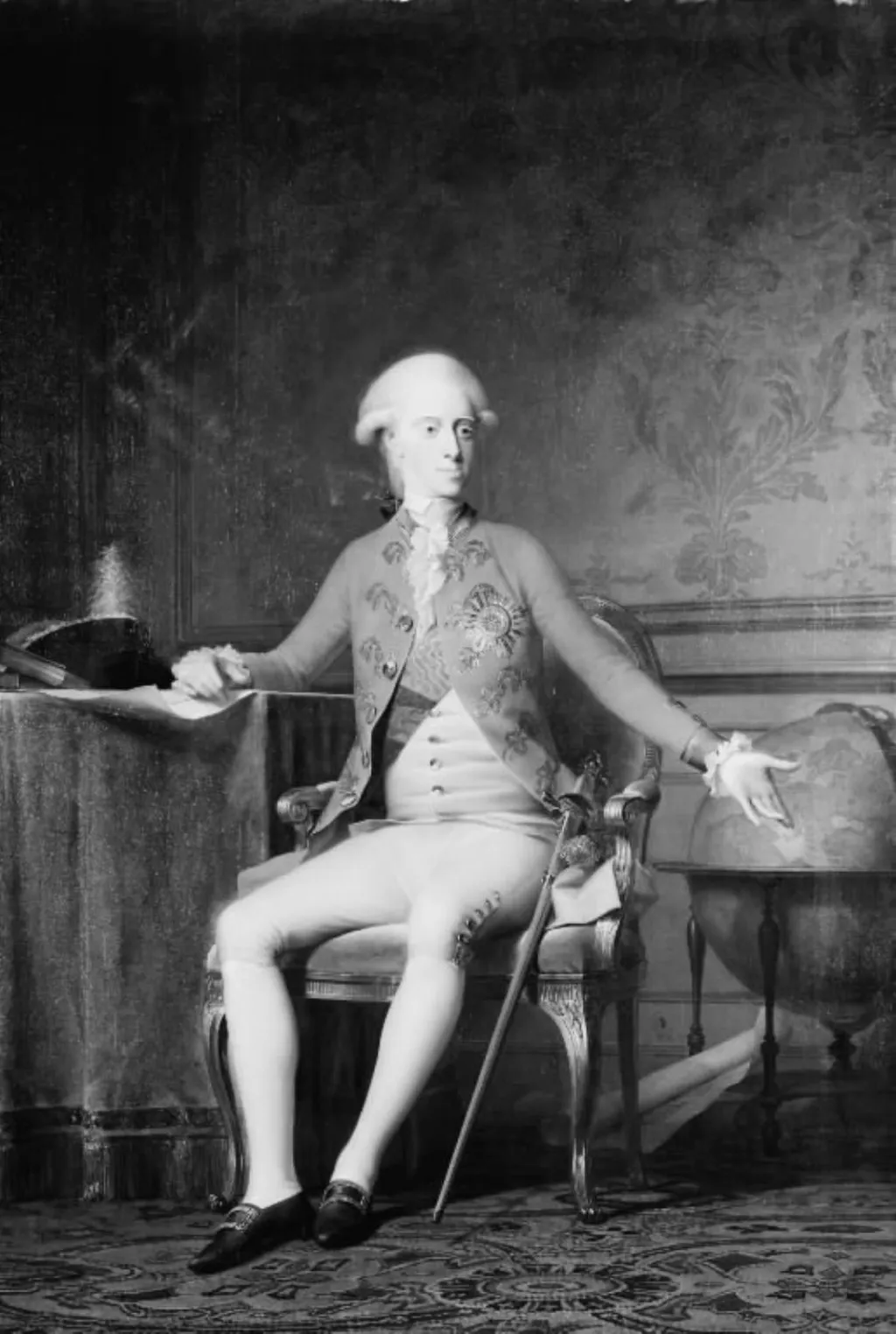
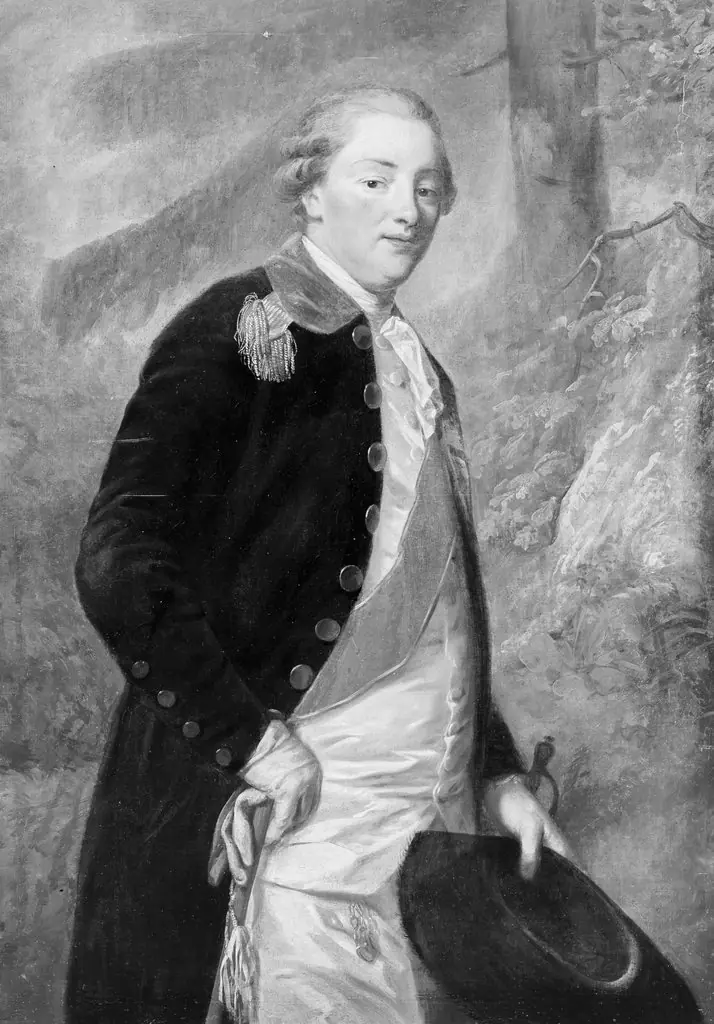
Frederik VI som kronprins is a photography by the Romanticist artist Unknown. It dates from 1786 and is held in the collection of the Statens Museum for Kunst. This portrait depicts Frederik VI as crown prince, painted in 1786 by an artist associated with the Danish court.
About this work
Overview
It resides in the Museum of Ethnography, where it serves as a record of royal representation rather than ethnographic material.
This portrait depicts Frederik VI as crown prince, painted in 1786 by an artist associated with the Danish court. The image captures him in formal attire, reflecting his status within the monarchy. Though described as a photograph, the work is in fact a painted portrait, later reproduced photographically. It resides in the Museum of Ethnography, where it serves as a record of royal representation rather than ethnographic material.
Subject & Meaning
Frederik VI, then heir to the Danish throne, is portrayed with deliberate dignity. His powdered wig, ornate jacket, and cane signal aristocratic refinement, while the paper in his hand suggests engagement with state affairs. The composed posture and restrained background emphasize authority without ostentation, aligning with Enlightenment ideals of rational leadership. The image functions as a visual assertion of legitimacy and decorum.
Technique & Style
The portrait employs soft, even lighting to highlight the prince’s facial features and textured fabrics. Brushwork is precise, rendering lace, silk, and leather with subtle variation. The dark, patterned wall behind him provides depth without distraction, while the draped table adds a touch of domestic formality. The composition follows classical portraiture conventions, favoring balance and restraint over dramatic flair.
History & Provenance
Commissioned during Frederik VI’s tenure as crown prince, the portrait was likely intended for official use or private circulation among court circles. It entered the Museum of Ethnography’s collection in the late 19th or early 20th century, possibly as part of a broader effort to document European royal imagery. Its classification there reflects institutional curatorial practices of the time rather than its original purpose.
Context
Created in 1786, the portrait emerges during a period when European monarchies sought to project stability through controlled imagery. Denmark, though neutral in global conflicts, maintained strict court protocols. The prince’s attire and demeanor reflect broader trends in royal portraiture across Northern Europe, where clothing and setting were carefully chosen to convey legitimacy and continuity.
Legacy
The portrait remains a documented artifact of Danish royal identity in the late 18th century. Though not widely exhibited, it contributes to scholarly understanding of how monarchy was visually constructed during the transition from absolutism to constitutional rule. Its presence in an ethnographic museum underscores shifting perceptions of royal imagery as cultural rather than purely political material.
Artist & collection

 Domestic Scene
 Giacomo and Cardinal Marco, investing Andrea, Abbot of San Zeno, with his Benefice
 The Nymph of Fontainebleau
 Portrait of a Woman
 Madonna and Child with Saints in the Enclosed Garden
 Venus and Minerva
 Family Group of Four on Sofa
 Wall painting from Room H of the Villa of P. Fannius Synistor at Boscoreale
 Bildnis des Kurfürsten Karl Theodor von Pfalz-Bayern (Werkstatt)
 Portrait of El General Ricardos
 Portrait of the Emperor Joseph II of Austria
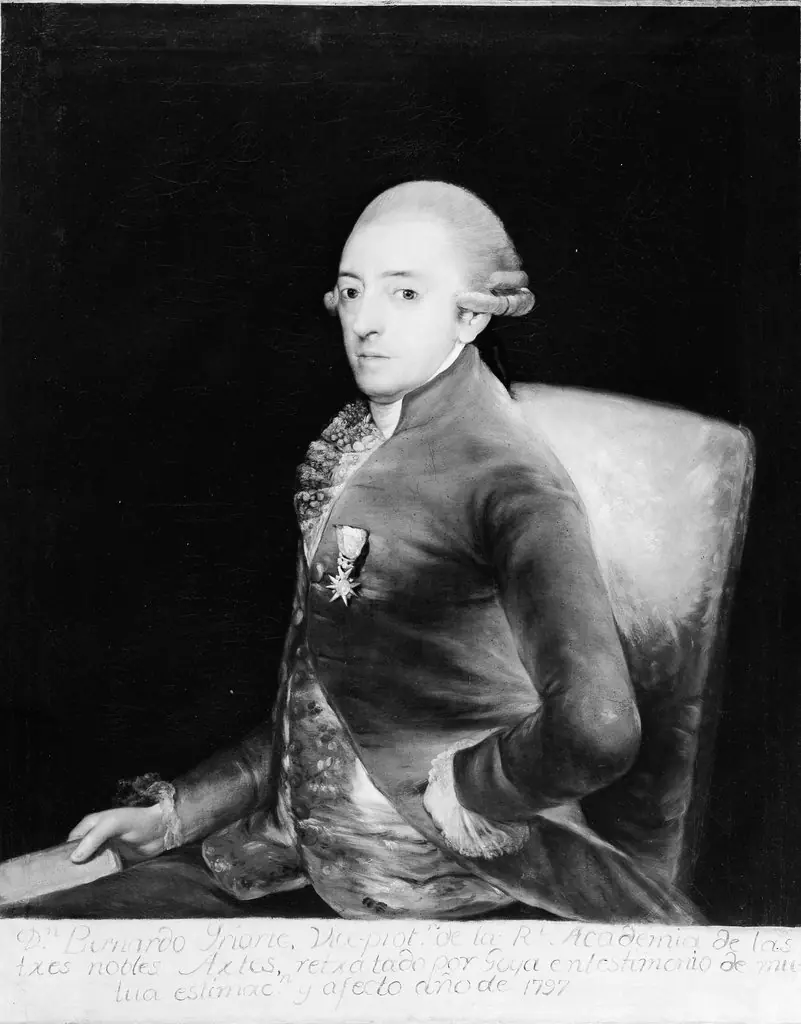 Don Bernardo de Iriarte (1735–1814)
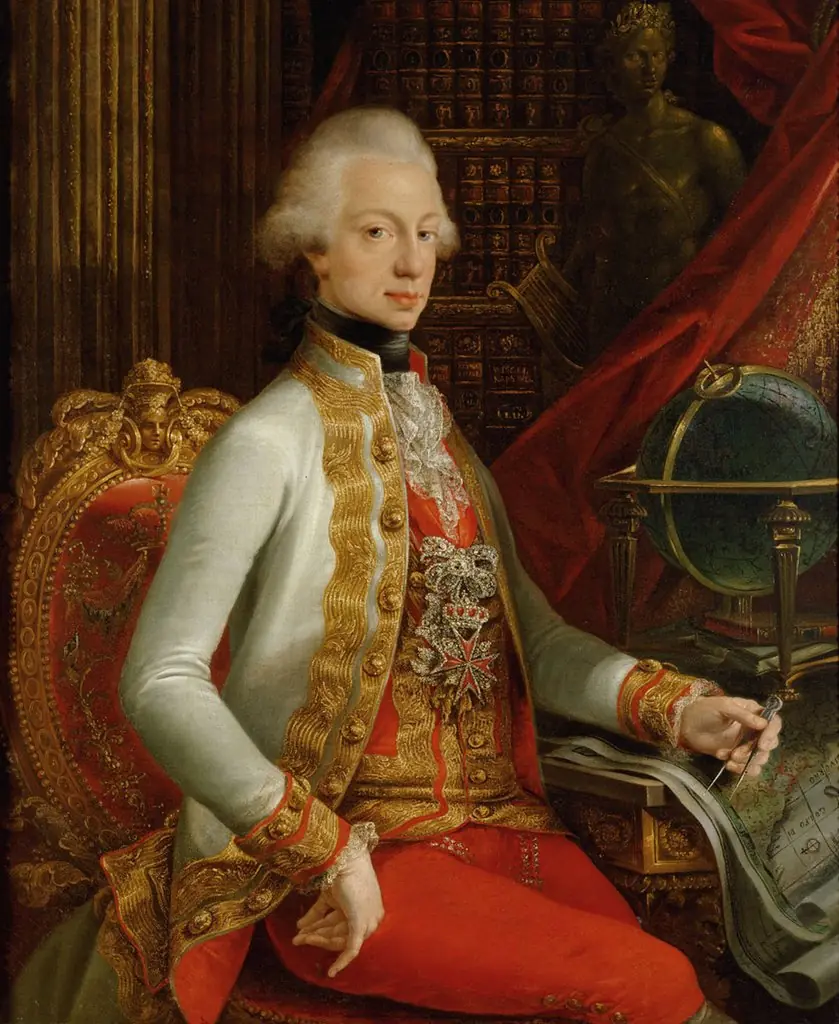 Portrait of Ferdinand III, Archduke of Austria and Grand Duke of Tuscany (1769-1824) sitting in his library
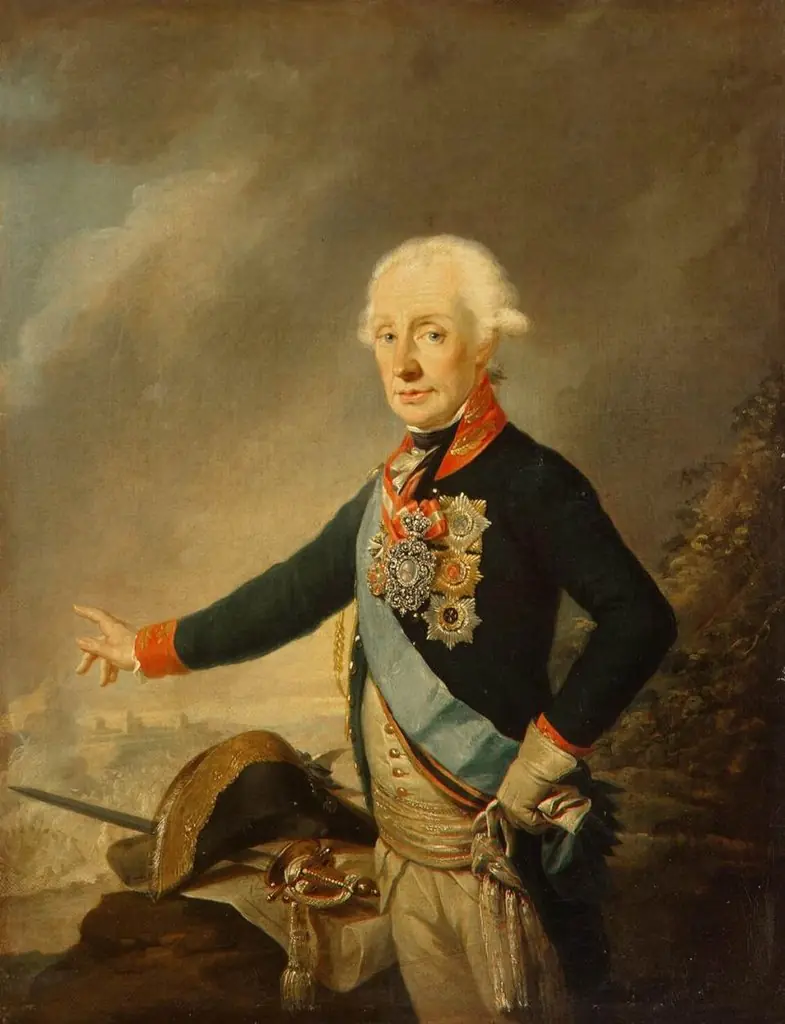 Portrait of Count Alexander Suvorov
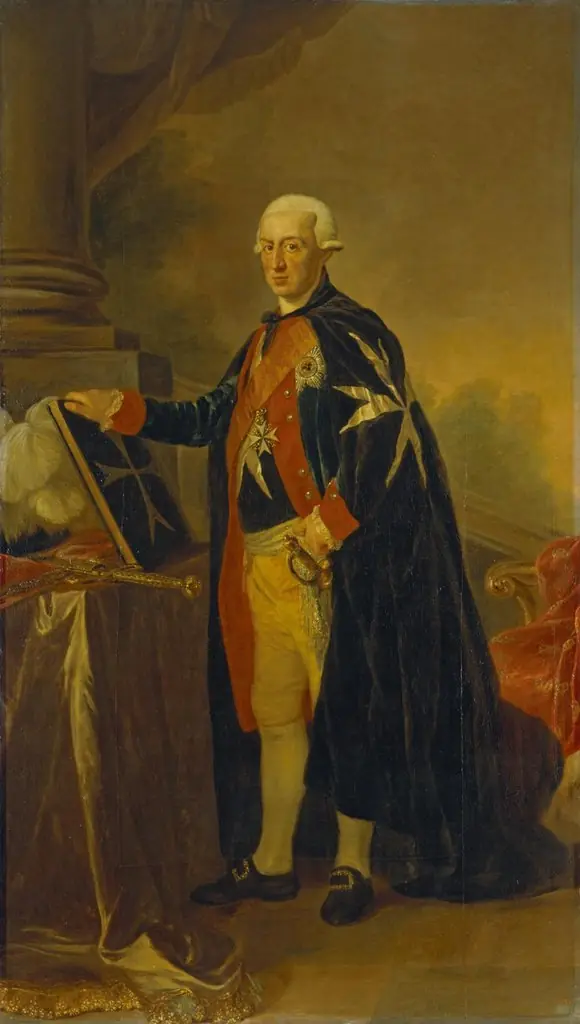 Portrait of Prince Augustus Ferdinand of Prussia
 Portrait of a German prince
 Portrait of the Emperor Joseph II of Austria