Artwork
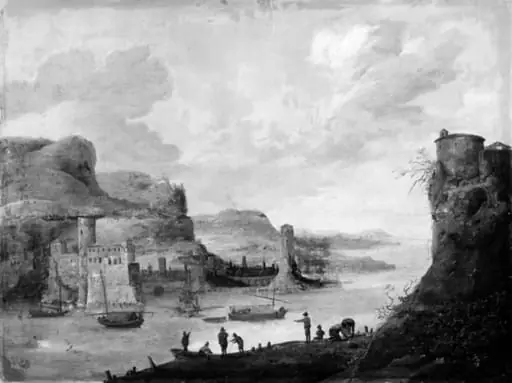
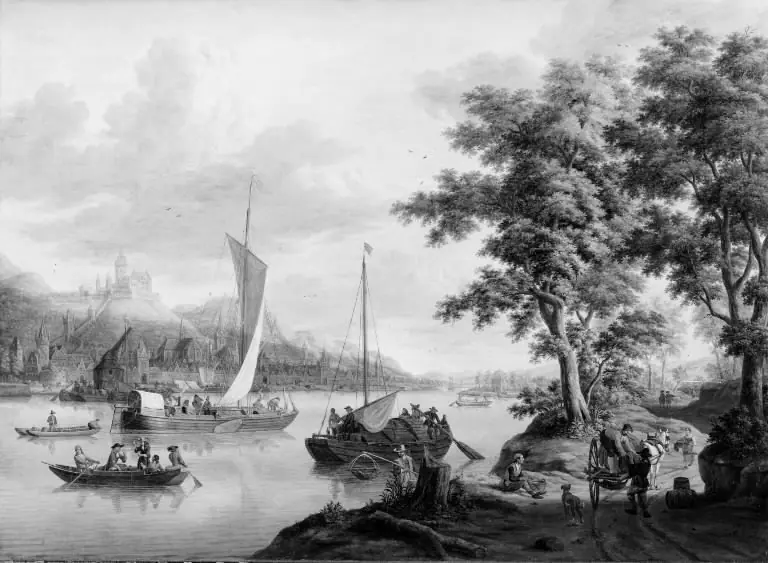
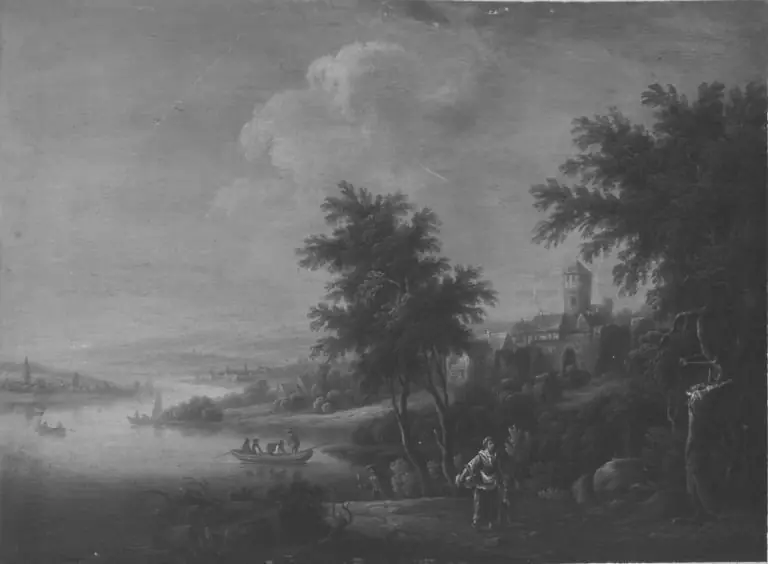
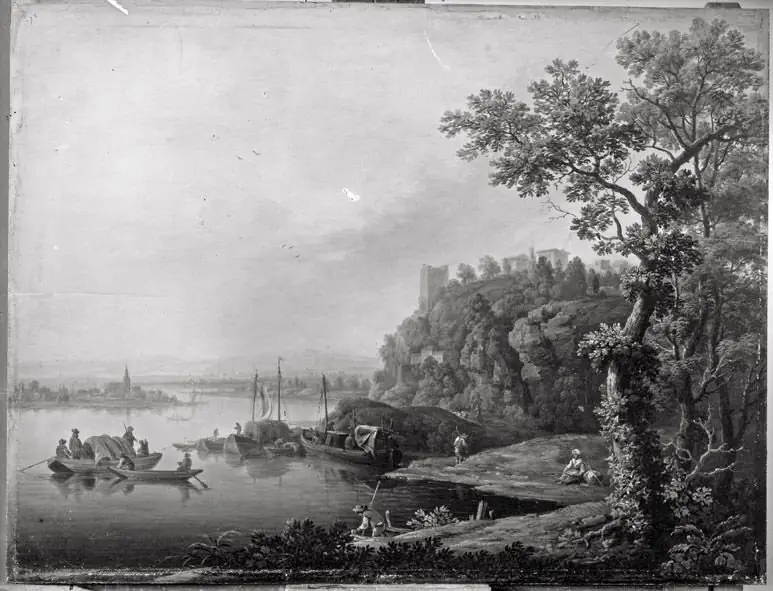
En tilfrossen sø med skøjteløbere, til venstre ses en by i mellemgrunden
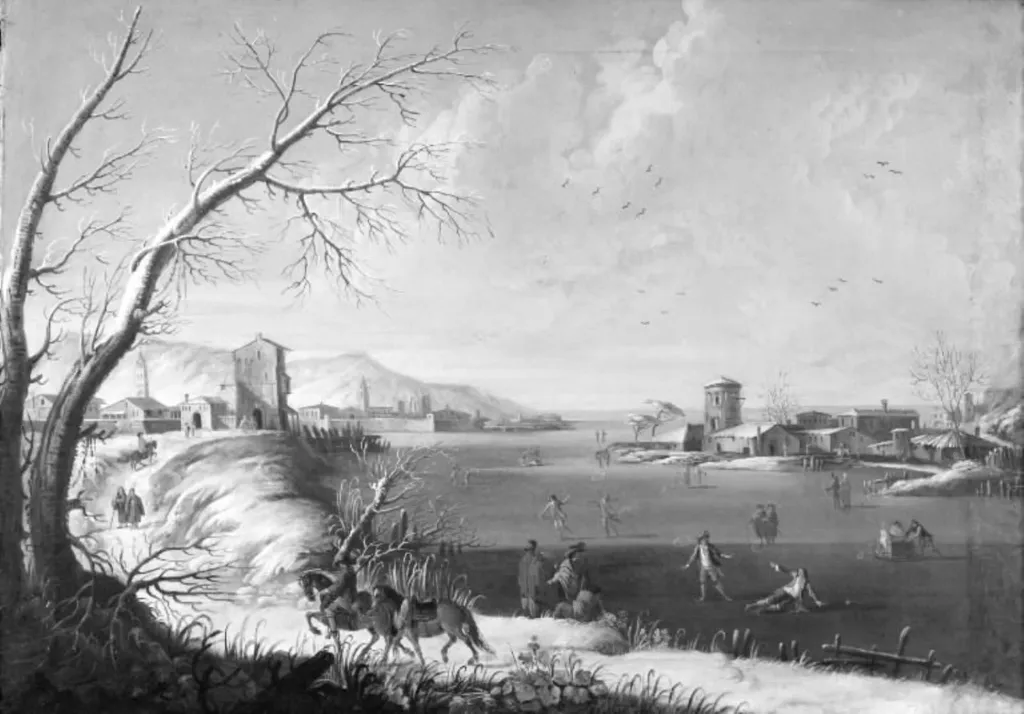
En tilfrossen sø med skøjteløbere, til venstre ses en by i mellemgrunden is a photography by Unknown. It dates from 1750 and is held in the collection of the Statens Museum for Kunst. This mid-18th-century work depicts a frozen lake populated by skaters, executed in a monochromatic palette.
About this work
Overview
This mid-18th-century work depicts a frozen lake populated by skaters, executed in a monochromatic palette. The scene balances human activity with a wintry landscape, positioning a modest town to the left as a secondary focal point. The composition relies on tonal variation rather than color to define spatial relationships and atmospheric conditions.
Subject & Meaning
The painting captures a moment of everyday winter recreation, juxtaposing the transient motion of skaters against the stillness of the frozen environment.
The painting captures a moment of everyday winter recreation, juxtaposing the transient motion of skaters against the stillness of the frozen environment. The village in the middle ground suggests community and habitation, while the bare trees and subdued sky evoke the quiet persistence of seasonal cycles. The scene may reflect contemporary rural life or the artist’s observation of nature’s contrasts.
Technique & Style
The artist employs chiaroscuro to model forms through stark contrasts of light and shadow, a method that lends volume to the ice and architecture. Linear precision defines the skaters and buildings, while softer gradations in the background create depth. The restrained palette and emphasis on tonal values align with period approaches to landscape representation.
History & Provenance
Created around 1750, the work is attributed to an artist identified as 37664_person. It resides in the collections of the Museum of Ethnography, though details of its early ownership and acquisition remain unrecorded. The absence of color suggests it may have been intended as a study or a finished work in its own right.
Context
Winter landscapes gained prominence in European art during the 17th and 18th centuries, often depicting recreational or labor-related activities on ice. Such scenes reflected both the climatic realities of the Little Ice Age and a growing interest in capturing quotidian life. The painting’s composition and technique situate it within broader traditions of northern European landscape art.
Artist & collection

 Domestic Scene
 Giacomo and Cardinal Marco, investing Andrea, Abbot of San Zeno, with his Benefice
 The Nymph of Fontainebleau
 Portrait of a Woman
 Madonna and Child with Saints in the Enclosed Garden
 Venus and Minerva
 Family Group of Four on Sofa
 Wall painting from Room H of the Villa of P. Fannius Synistor at Boscoreale