Artwork
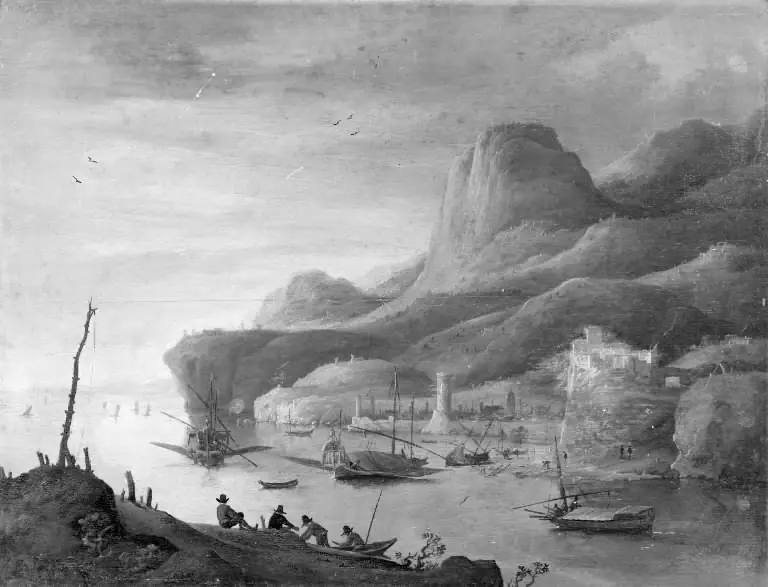
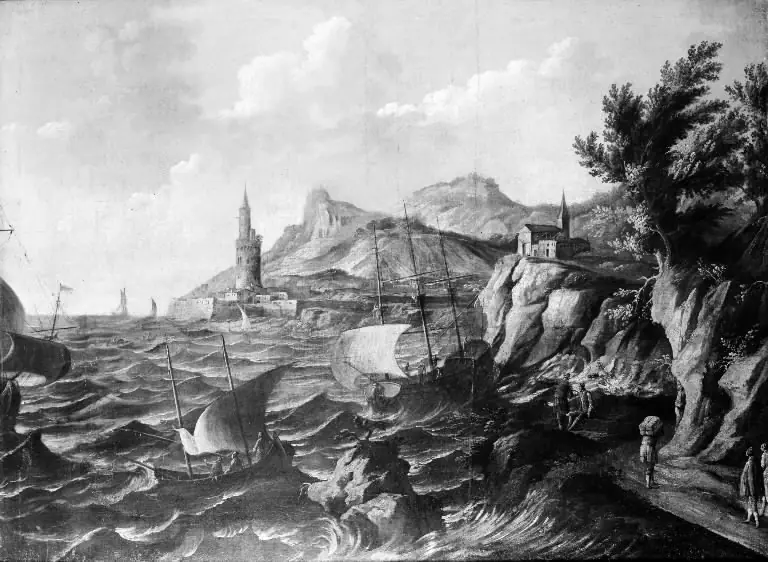
Italian Seaport
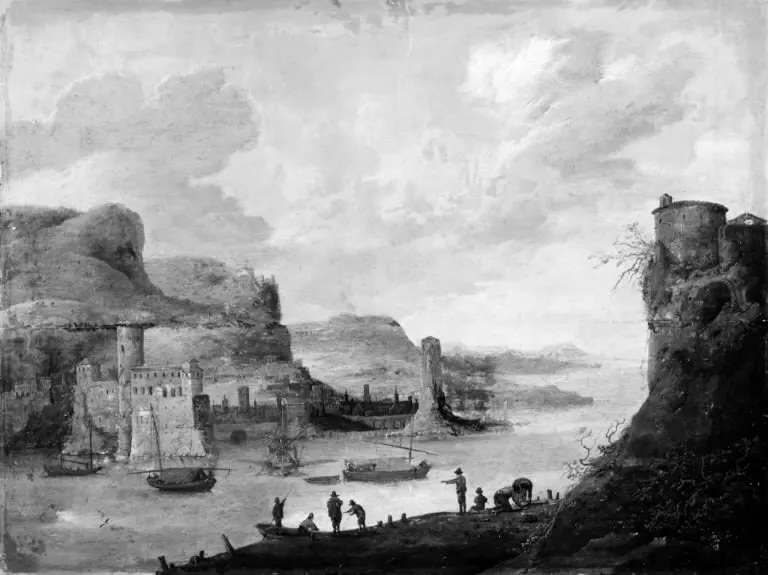
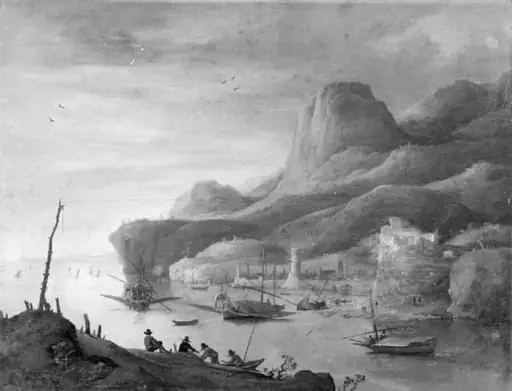
Italian Seaport is an unspecified painting by the Barbizon school artist Daniel van Heil. It dates from 1644 and is held in the collection of the Statens Museum for Kunst.
About this work
If you're interested in learning more about this style of painting, you might want to look up the artist Daniel van Heil.
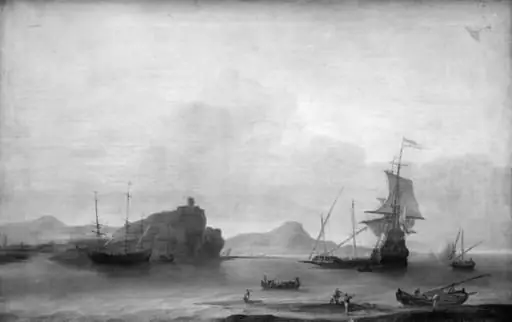
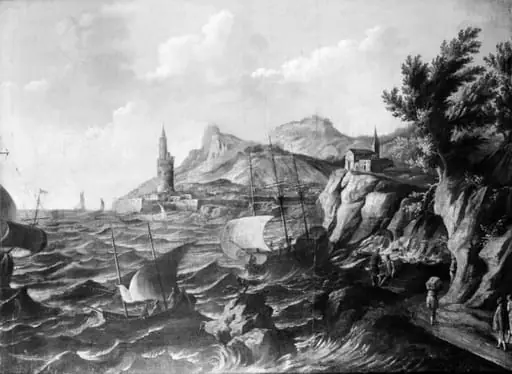
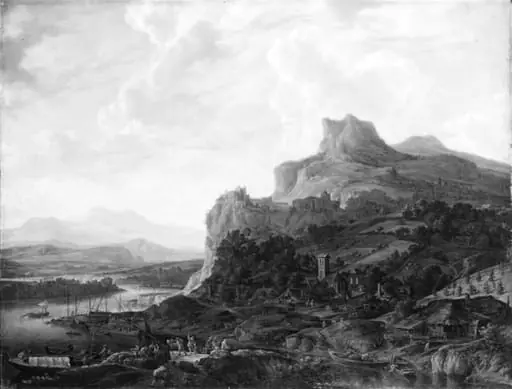
This painting shows a seaside town with several boats in the water. The buildings are built into the hills, with a few towers and walls visible. There are people on the shore and in the boats.
The painting is done in a style that suggests it's from the 17th century, with muted colors and detailed brushwork. The artist has paid close attention to the textures of the buildings and the water.
If you're interested in learning more about this style of painting, you might want to look up the artist Daniel van Heil.
Overview
Painted in 1644 by the Flemish artist Daniel van Heil, this work depicts a coastal harbor in the Italian style, though executed by a Northern European painter. Van Heil specialized in atmospheric landscapes, often incorporating architectural ruins and nocturnal or firelit scenes. This seaport composition reflects his interest in combining natural and built environments with careful attention to light and texture, characteristic of mid-17th-century Flemish landscape traditions.
Subject & Meaning
The scene portrays a bustling Mediterranean port with vessels at anchor and figures engaged in daily maritime tasks. Classical-style buildings cling to the hillside, suggesting an idealized Italian coastline rather than a specific location. The absence of overt narrative or religious symbolism points to a focus on quiet observation—emphasizing the rhythm of trade, labor, and architecture in a coastal community, typical of genre-inflected landscape painting of the period.
Technique & Style
Van Heil employed fine, controlled brushwork to render the textures of stone facades, rippling water, and weathered wood. The palette is subdued, dominated by earth tones and soft blues, enhancing the sense of atmospheric depth. Light falls evenly across the scene, avoiding dramatic contrasts, which aligns with Flemish landscape conventions rather than the heightened drama of Italian Baroque. Details in the architecture and figures are rendered with precision, suggesting close study of real sites.
History & Provenance
The painting entered the collection of Statens Museum for Kunst in Copenhagen, where it remains today. While its early ownership history is undocumented, its presence in a major Danish national collection indicates it was acquired during the 19th-century surge of interest in Northern European Old Master paintings. It was never attributed to the Barbizon school, a 19th-century French movement; that association appears to be a misattribution.
Context
In mid-17th-century Antwerp, landscape painting flourished as a distinct genre, with artists like van Heil drawing inspiration from Italianate views popular among Northern collectors. Though never traveling to Italy, Flemish painters often relied on prints and travelers’ accounts to construct idealized southern scenes. This work reflects that trend—merging observed detail with imaginative reconstruction to satisfy demand for exotic, yet familiar, seascapes.
Legacy
Daniel van Heil’s seaport paintings, though not widely known today, represent a quiet but significant strand of Flemish Baroque landscape art. His focus on architectural harmony and atmospheric nuance influenced later Northern European topographical painters. While overshadowed by contemporaries like Rubens, his works offer insight into how Northern artists interpreted and reimagined Mediterranean subjects without direct experience.
Artist & collection
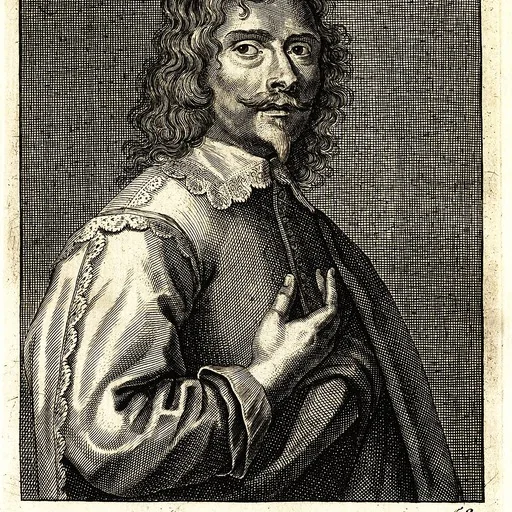
Artist
Daniel van Heil or Daniël van Heil (1604 – 1664) was a Flemish Baroque landscape painter. He specialised in three types of landscapes: scenes with fire, landscapes with ruins and winter landscapes.