Artwork
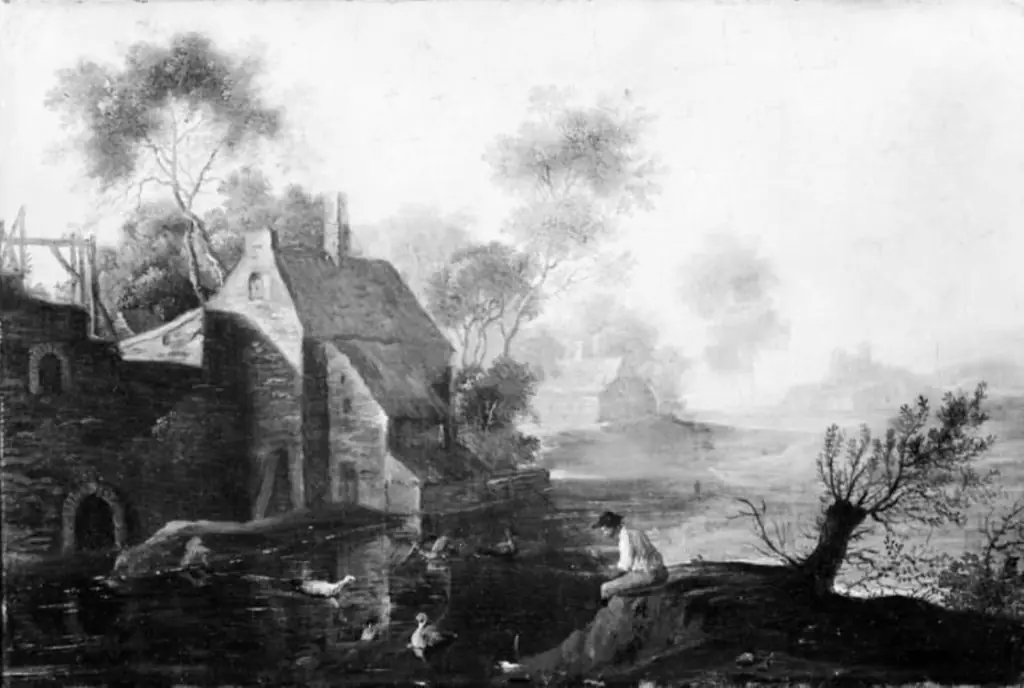
Vandløb med svømmende svaner
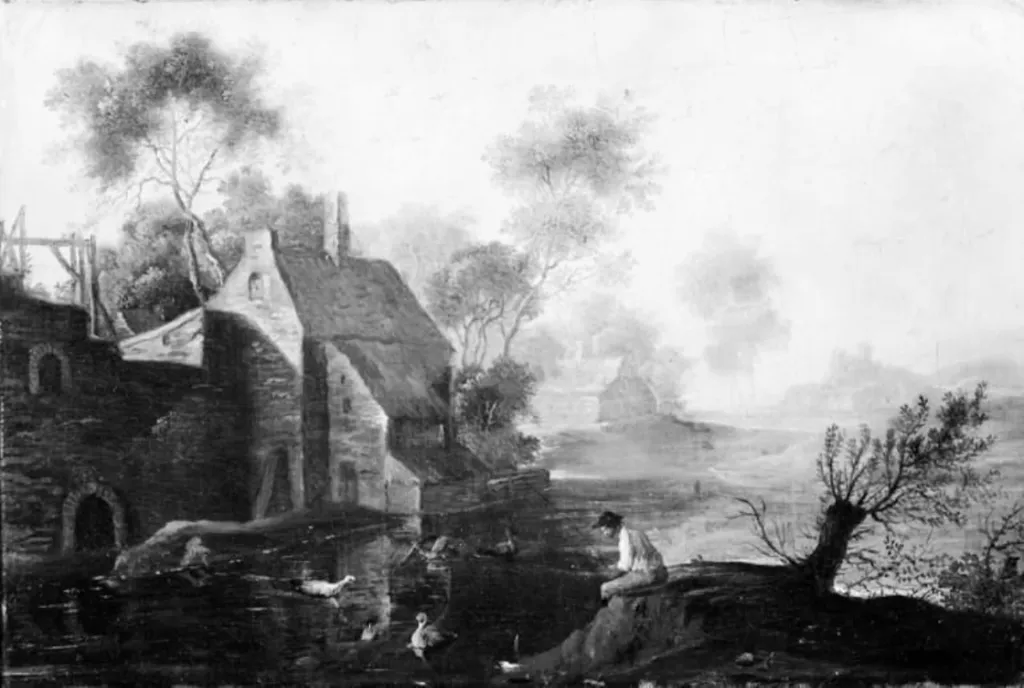
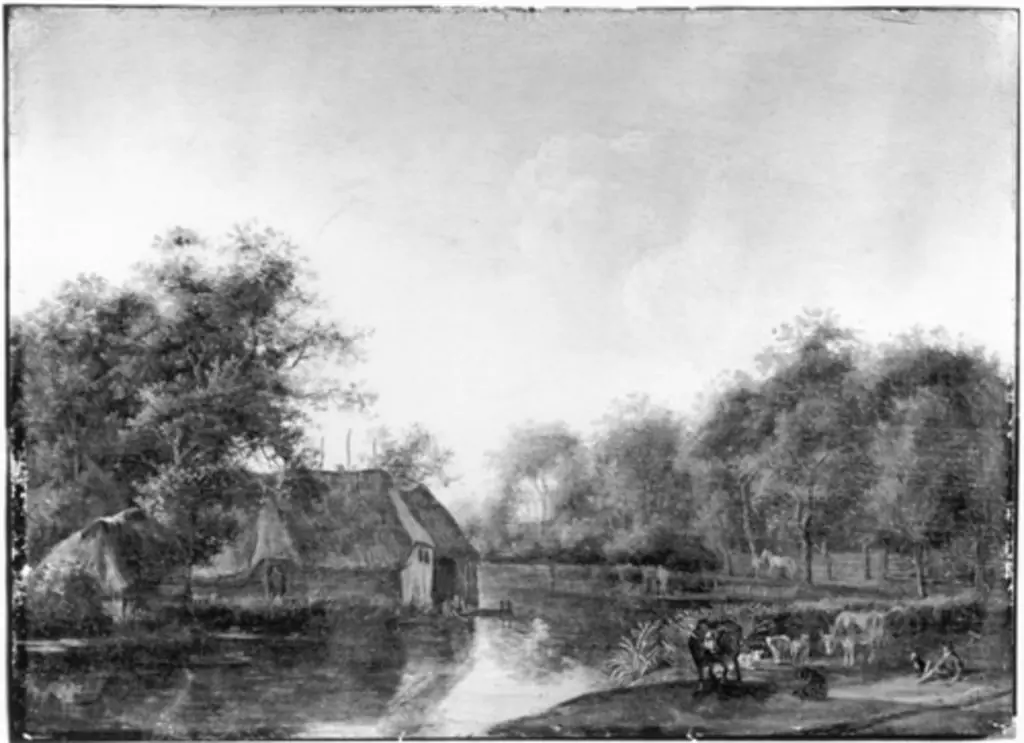
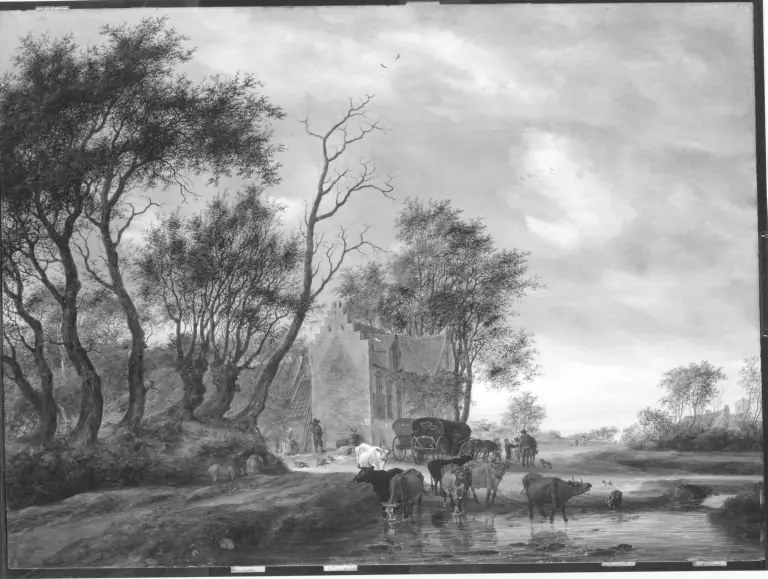
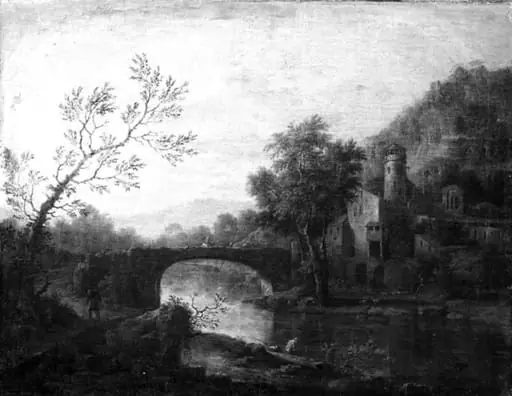
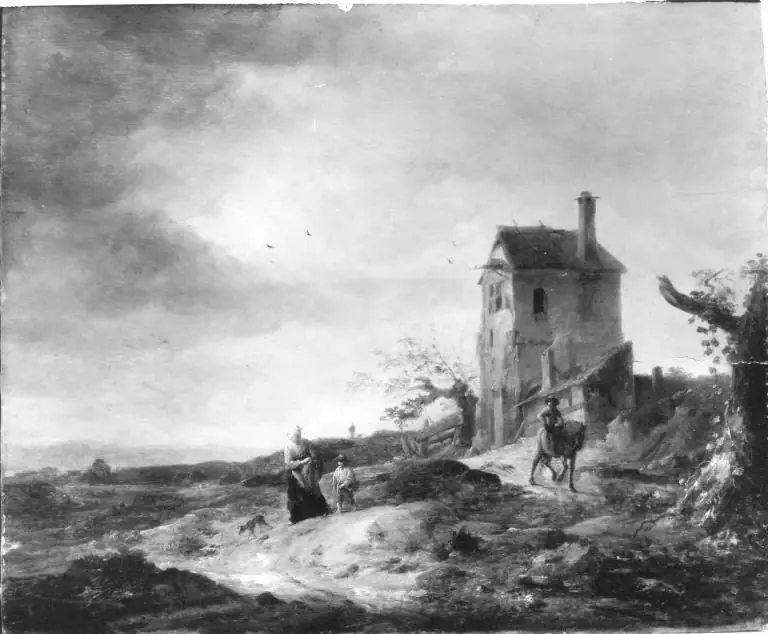
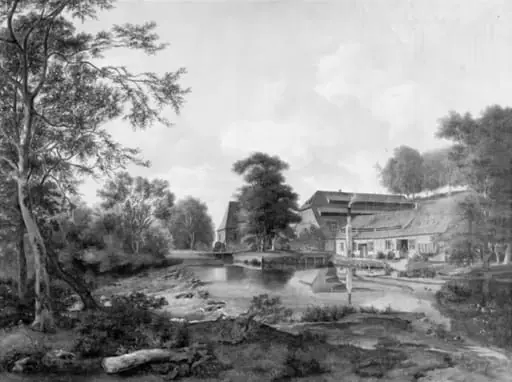
Vandløb med svømmende svaner is a photography by the Impressionist artist Unknown. It dates from 1860 and is held in the collection of the Statens Museum for Kunst. Created in 1860 by an anonymous photographer, this image captures a tranquil riverside in rural Denmark.
About this work
Overview
Its quiet composition and atmospheric handling of light suggest a deliberate move away from documentary realism toward a more contemplative visual language.
Created in 1860 by an anonymous photographer, this image captures a tranquil riverside in rural Denmark. The photograph is part of the Museum of Ethnography’s collection and reflects early photographic efforts to emulate the aesthetic qualities of painting. Its quiet composition and atmospheric handling of light suggest a deliberate move away from documentary realism toward a more contemplative visual language.
Subject & Meaning
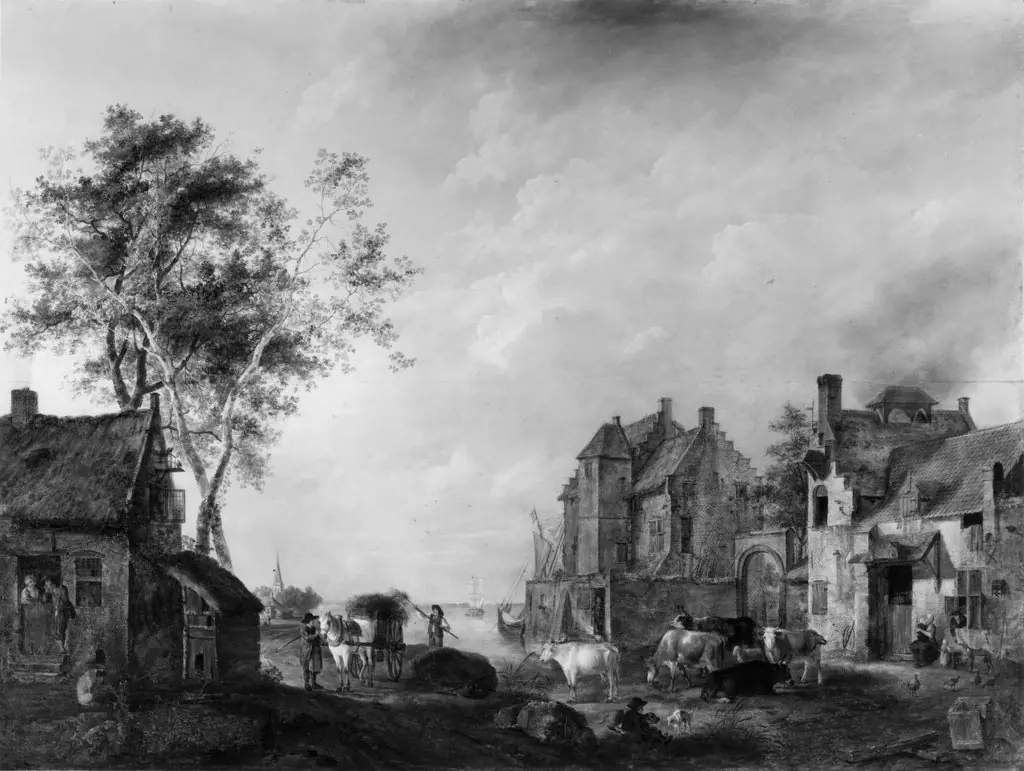
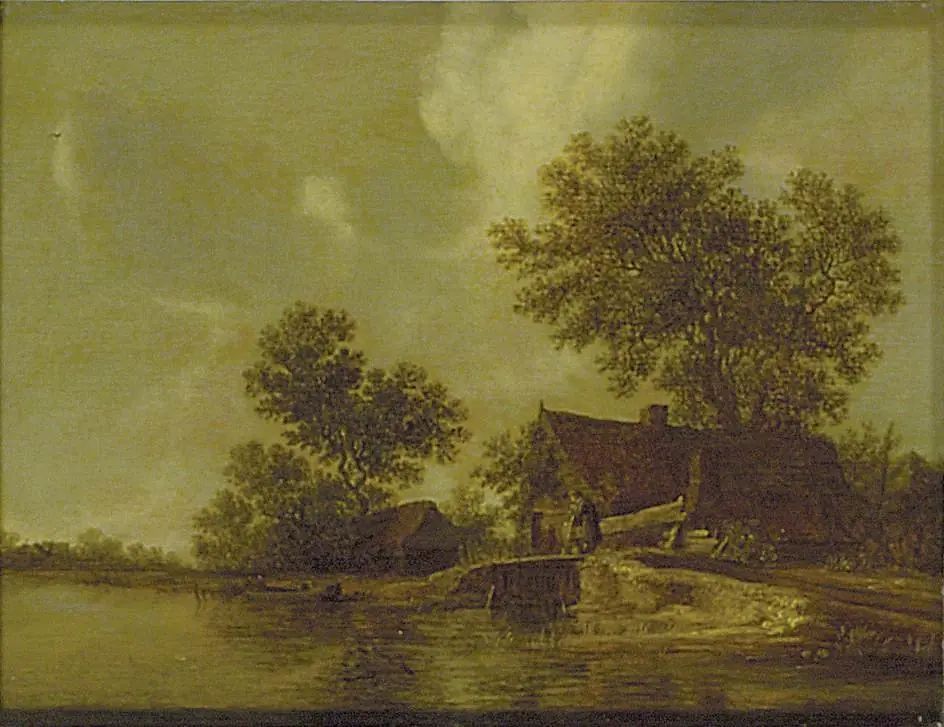
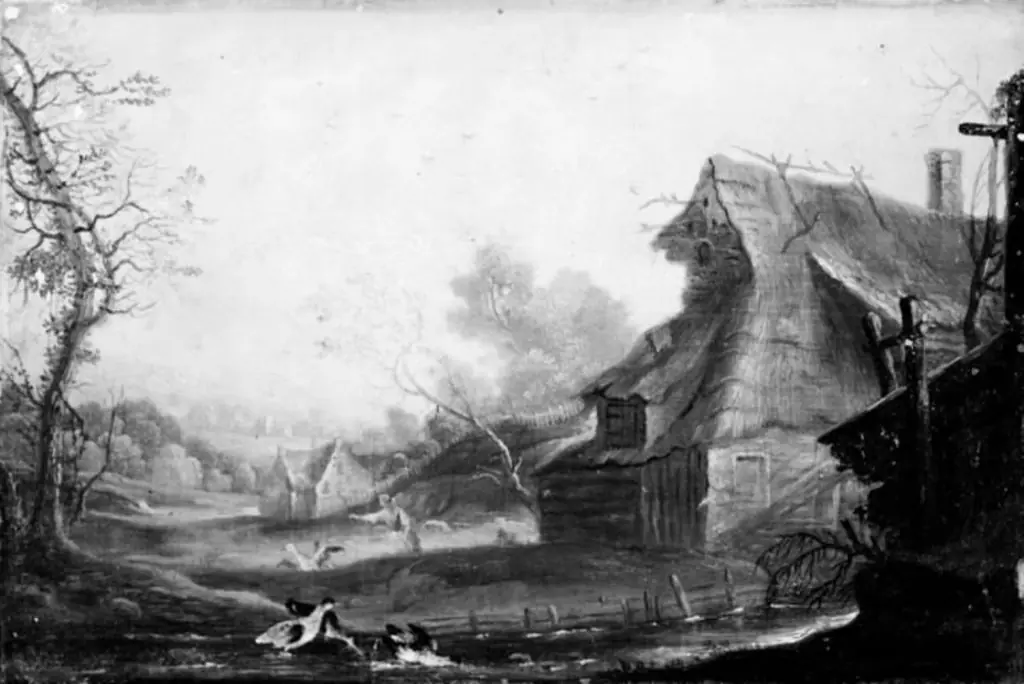
The scene centers on a solitary figure seated on a log beside a slow-moving stream, with waterfowl gliding nearby. A wooden bridge leads to a stone path, while distant stone cottages with thatched roofs rise on a mist-covered slope. The absence of human activity and the stillness of the environment evoke a sense of solitude and harmony with nature, common themes in 19th-century Nordic visual culture.
Technique & Style
Soft focus and diffused lighting were employed to blur the outlines of trees and buildings, creating a hazy, luminous atmosphere. This technique mimicked the painterly effects of contemporary landscape art, particularly those associated with early Impressionist tendencies. The photographer avoided sharp detail, instead favoring tonal gradations to suggest depth and mood rather than precise representation.
History & Provenance
The photograph entered the Museum of Ethnography’s holdings in the late 19th or early 20th century, likely as part of a broader collection documenting rural Scandinavian life. Its creator remains unidentified, and no exhibition or publication history is documented prior to its inclusion in the museum’s archive. It was preserved as an example of vernacular photographic practice rather than fine art.
Context
In the 1860s, photography in Denmark was still emerging as a medium capable of artistic expression. Many practitioners experimented with soft focus and compositional harmony to align their work with established painting traditions. This image reflects a cultural moment when photographers sought legitimacy by emulating the aesthetics of Romantic and early Impressionist landscapes.
Legacy
Though not widely exhibited or reproduced, the photograph stands as a quiet testament to early photographic experimentation in Denmark. Its preservation in an ethnographic context highlights how images of everyday landscapes were valued for their cultural record rather than their artistic innovation. It remains a subtle example of how photography began to shape regional visual identity.
Artist & collection

 Domestic Scene
 Giacomo and Cardinal Marco, investing Andrea, Abbot of San Zeno, with his Benefice
 The Nymph of Fontainebleau
 Portrait of a Woman
 Madonna and Child with Saints in the Enclosed Garden
 Venus and Minerva
 Family Group of Four on Sofa
 Wall painting from Room H of the Villa of P. Fannius Synistor at Boscoreale