Artwork
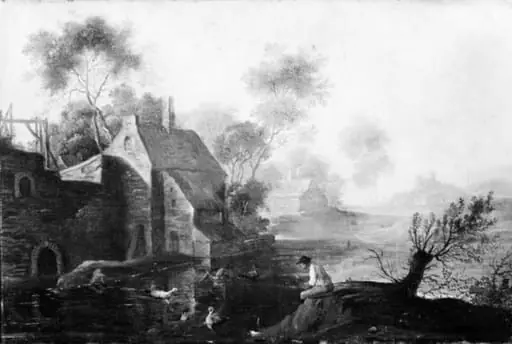
Pige der sælger gæs
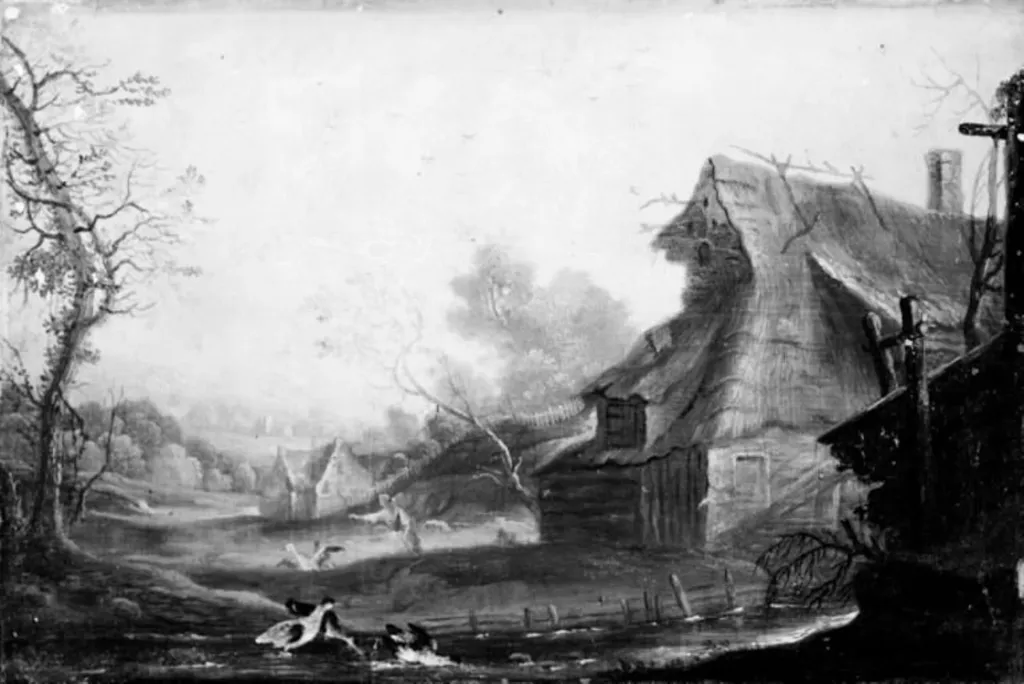
Pige der sælger gæs is a photography by the Impressionist artist Unknown. It dates from 1860 and is held in the collection of the Statens Museum for Kunst.
About this work
Overview
Pige der sælger gæs is a 19th-century painting attributed to an artist associated with Danish rural realism. Created in 1860, it portrays a quiet countryside moment, focusing on daily life in a modest agricultural setting. The work is part of the collection at the Museum of Ethnography, where it is preserved as an example of regional visual culture from the period.
Subject & Meaning
The painting shows a young woman selling geese, likely near her family’s home, amid a calm rural landscape. The scene emphasizes ordinary labor and self-sufficiency, reflecting the rhythms of peasant life in Denmark. No dramatic events are depicted; instead, the quiet dignity of routine activity is central, suggesting a reverence for local traditions and quiet resilience.
Technique & Style
The composition balances foreground elements—water, fence, tree—with distant buildings, creating depth without distraction.
The artist employs soft, muted tones and gentle brushwork to evoke stillness and harmony. Light is diffused, avoiding strong contrasts, which enhances the sense of tranquility. The composition balances foreground elements—water, fence, tree—with distant buildings, creating depth without distraction. The handling of texture in the thatched roof and foliage suggests close observation of natural forms.
History & Provenance
The painting entered the Museum of Ethnography’s collection in the late 19th or early 20th century, likely as part of a broader effort to document Danish folk life. Its attribution remains tied to a single artist, though documentation from the time is sparse. The work has remained in institutional care since acquisition, with no known public exhibitions prior to the 1950s.
Context
Created during a period of social change in Denmark, the painting reflects a growing interest in rural identity amid urbanization. Artists and ethnographers alike sought to record vanishing ways of life. This work aligns with a national movement to preserve visual records of peasant customs, not as idealized nostalgia, but as ethnographic evidence of everyday existence.
Legacy
Pige der sælger gæs contributes to a modest but enduring body of Danish genre painting that values quiet observation over grand narrative. While not widely reproduced, it remains a reference point for scholars studying 19th-century rural representation. Its preservation in an ethnographic context underscores its role as a cultural artifact, valued for its authenticity rather than artistic innovation.
Artist & collection

 Domestic Scene
 Giacomo and Cardinal Marco, investing Andrea, Abbot of San Zeno, with his Benefice
 The Nymph of Fontainebleau
 Portrait of a Woman
 Madonna and Child with Saints in the Enclosed Garden
 Venus and Minerva
 Family Group of Four on Sofa
 Wall painting from Room H of the Villa of P. Fannius Synistor at Boscoreale
 Rassdorfs papirværk mellem Preetz og Plön i Holsten
 Rassdorfs papirværk mellem Preetz og Plön i Holsten
 Flusslandschaft mit Hütten und Vieh
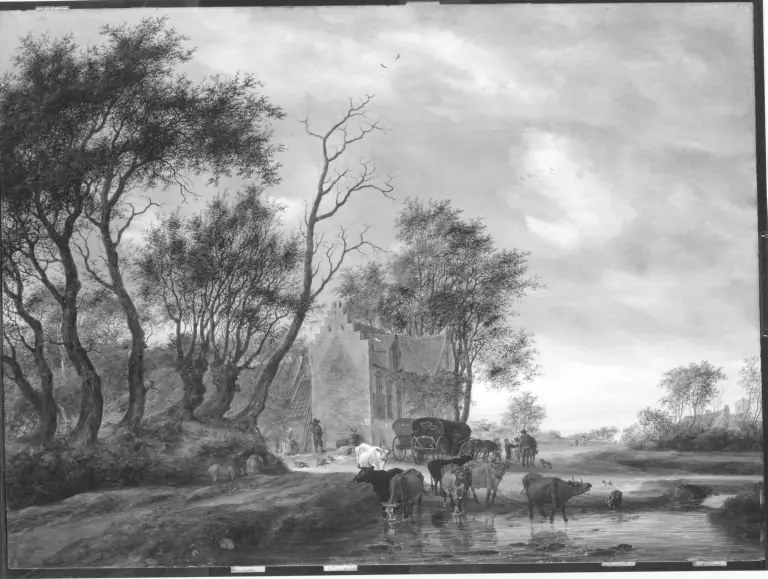 Halt vor der Herberge
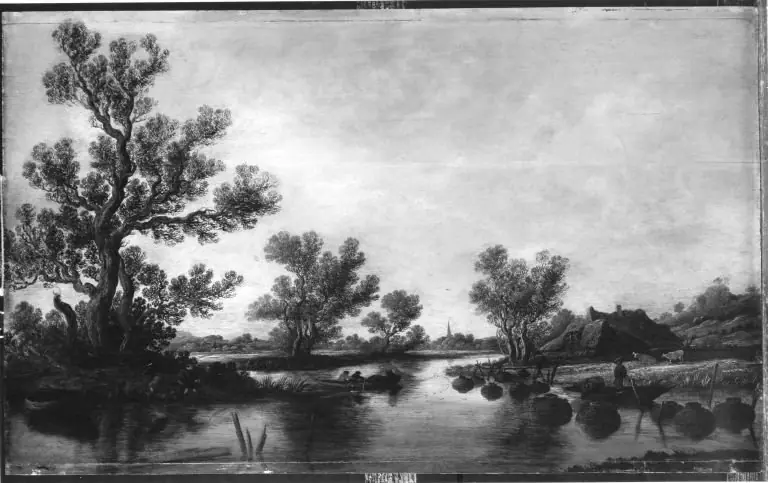 Kanallandschaft
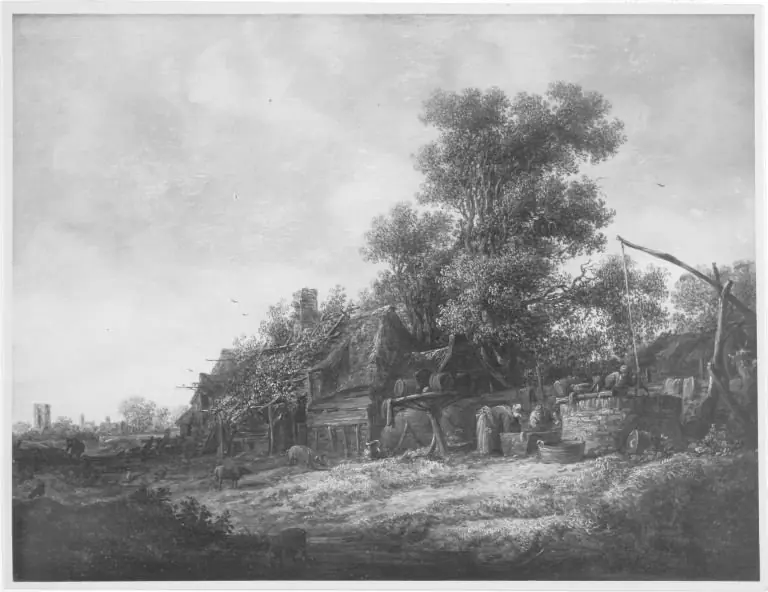 Gehöft mit Ziehbrunnen
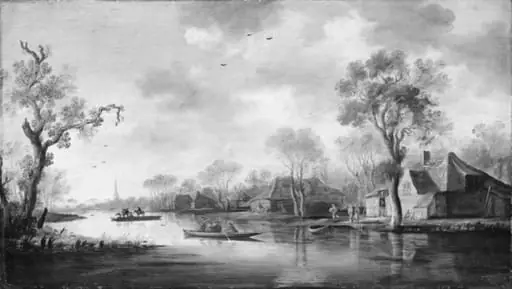 Dutch River Scene
 Baumlose Gegend mit Haus
 Road near Village
 Baumlandschaft mit Bauernhof
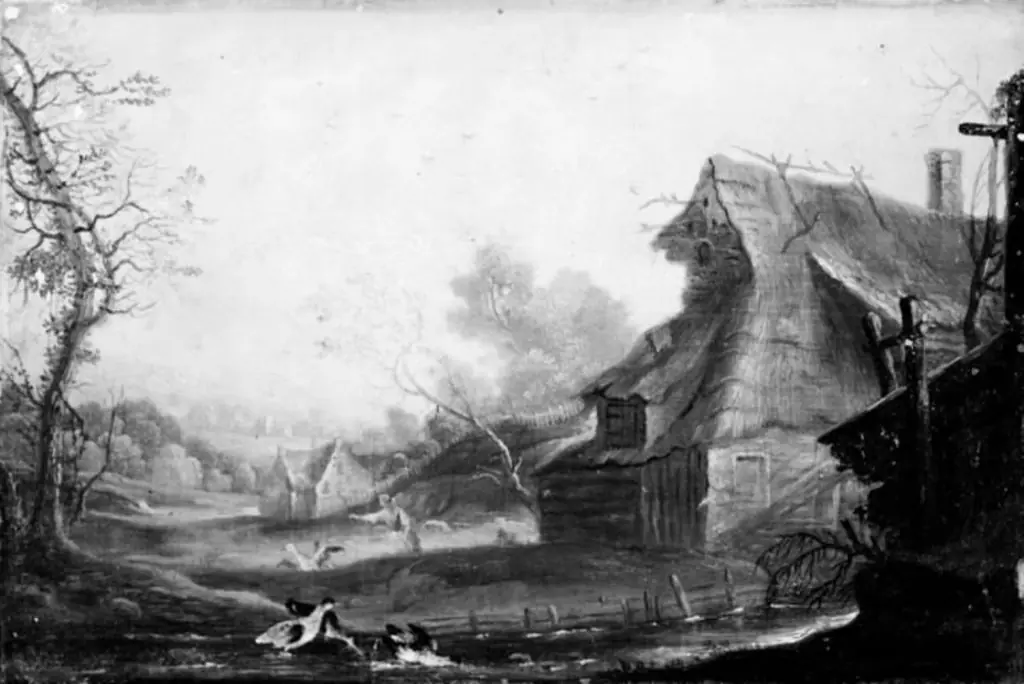 Pige der sælger gæs
 Vandløb med svømmende svaner