Artwork
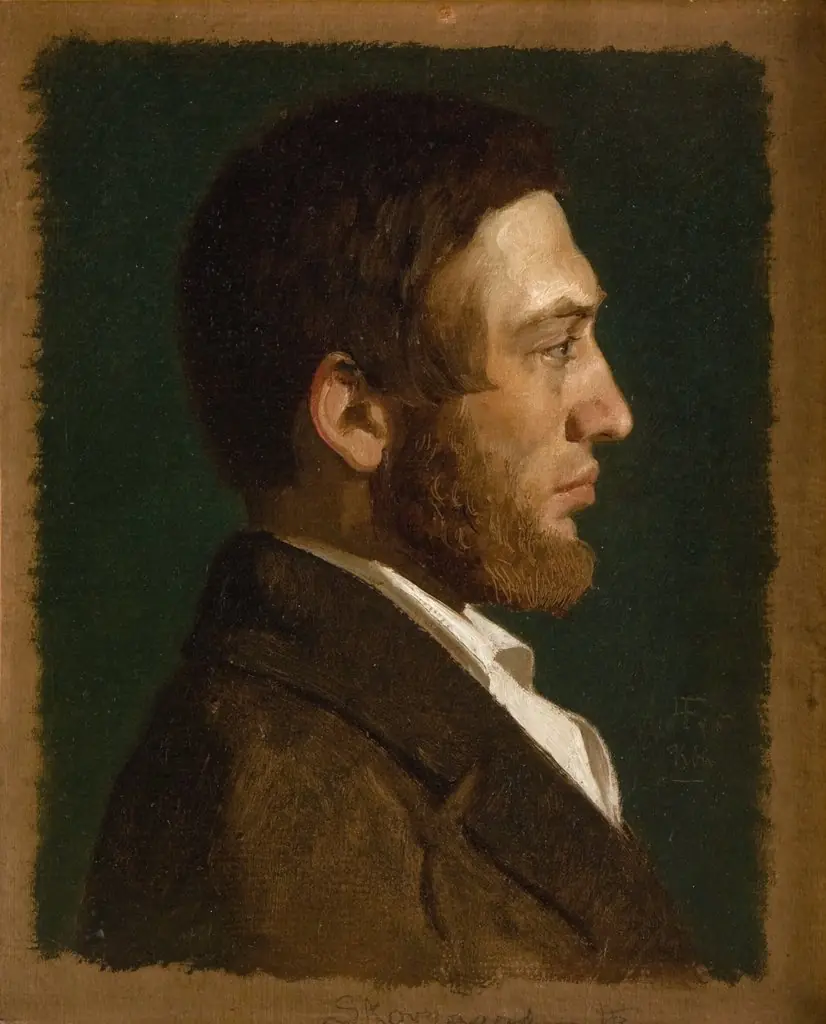
Portrait of the Painter P.C. Skovgaard
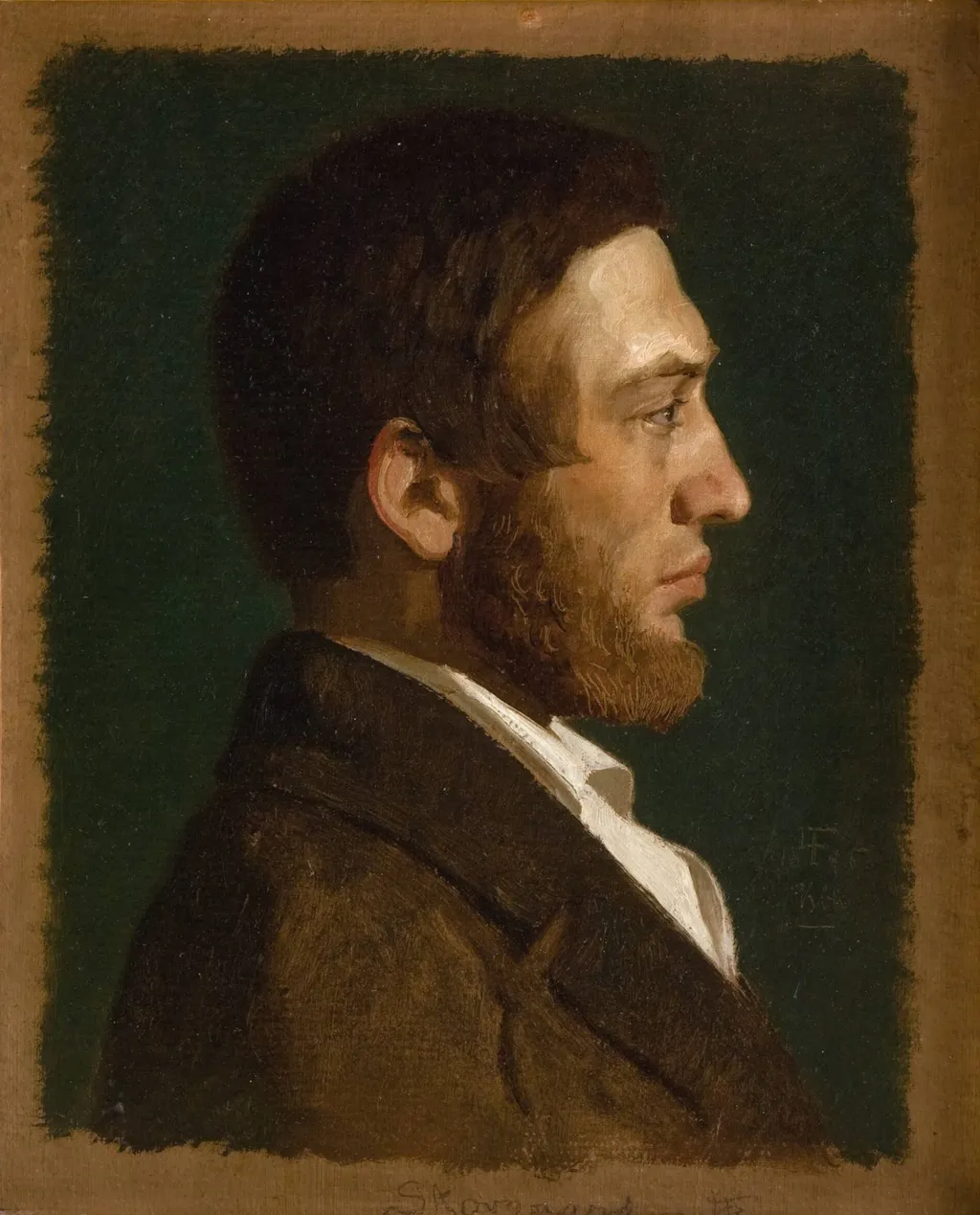
Portrait of the Painter P.C. Skovgaard is an unspecified painting by the Romanticist artist Unknown. It dates from 1845 and is held in the collection of the Statens Museum for Kunst. This 1845 portrait depicts the Danish landscape painter P.
About this work
Overview
The work is attributed to an artist associated with the Danish Golden Age, though the creator’s identity remains unconfirmed in public records.
This 1845 portrait depicts the Danish landscape painter P.C. Skovgaard, rendered in oil on canvas. The work is attributed to an artist associated with the Danish Golden Age, though the creator’s identity remains unconfirmed in public records. It is currently held in the collection of the Museum of Ethnography in Copenhagen, where it is displayed as part of a broader documentation of 19th-century Nordic cultural figures.
Subject & Meaning
P.C. Skovgaard, a central figure in Danish landscape painting, is portrayed with quiet intensity. His beard and dark hair, coupled with a somber gaze directed to the right, convey a contemplative demeanor. The absence of symbolic objects or landscape elements shifts focus entirely to his identity as an artist, emphasizing personal presence over professional achievement, reflecting a shift toward introspective portraiture in mid-century Denmark.
Technique & Style
The painting employs a realistic approach with careful attention to texture and form. Brushwork is visible but controlled, particularly in the rendering of fabric and facial features. The dark, uniform background isolates the figure, enhancing the three-dimensionality of his form. The palette is restrained—dominated by browns, blacks, and white—reinforcing the gravity of the subject and aligning with the sober aesthetic of Danish Romantic portraiture.
History & Provenance
The portrait was likely commissioned during Skovgaard’s rise to prominence in the 1840s. It entered the Museum of Ethnography’s collection in the late 19th or early 20th century, possibly as part of an effort to document national cultural figures. Its placement in an ethnographic institution, rather than a fine arts museum, suggests an early interest in preserving the likenesses of influential individuals as cultural artifacts.
Context
Created during Denmark’s Golden Age, the portrait reflects a broader cultural movement that valued national identity and individual character. While Romanticism influenced the emotional depth and naturalism of the depiction, the work avoids theatricality. It aligns with contemporaneous Danish portraiture that favored sincerity over grandeur, mirroring the nation’s artistic turn toward domestic and introspective themes.
Legacy
Though not widely reproduced, the portrait remains a key visual record of P.C. Skovgaard, whose landscapes helped define Denmark’s national artistic voice. Its preservation in an ethnographic context underscores its role as a document of cultural heritage. The image continues to inform scholarly understanding of how artists were perceived and represented in 19th-century Denmark.
Artist & collection

 Domestic Scene
 Giacomo and Cardinal Marco, investing Andrea, Abbot of San Zeno, with his Benefice
 The Nymph of Fontainebleau
 Portrait of a Woman
 Madonna and Child with Saints in the Enclosed Garden
 Venus and Minerva
 Family Group of Four on Sofa
 Wall painting from Room H of the Villa of P. Fannius Synistor at Boscoreale
 Portrait of the Painter Fritz Melbye (1826-69)
 Portrait of the Painter Fritz Melbye (1826-69)
 Self-Portrait
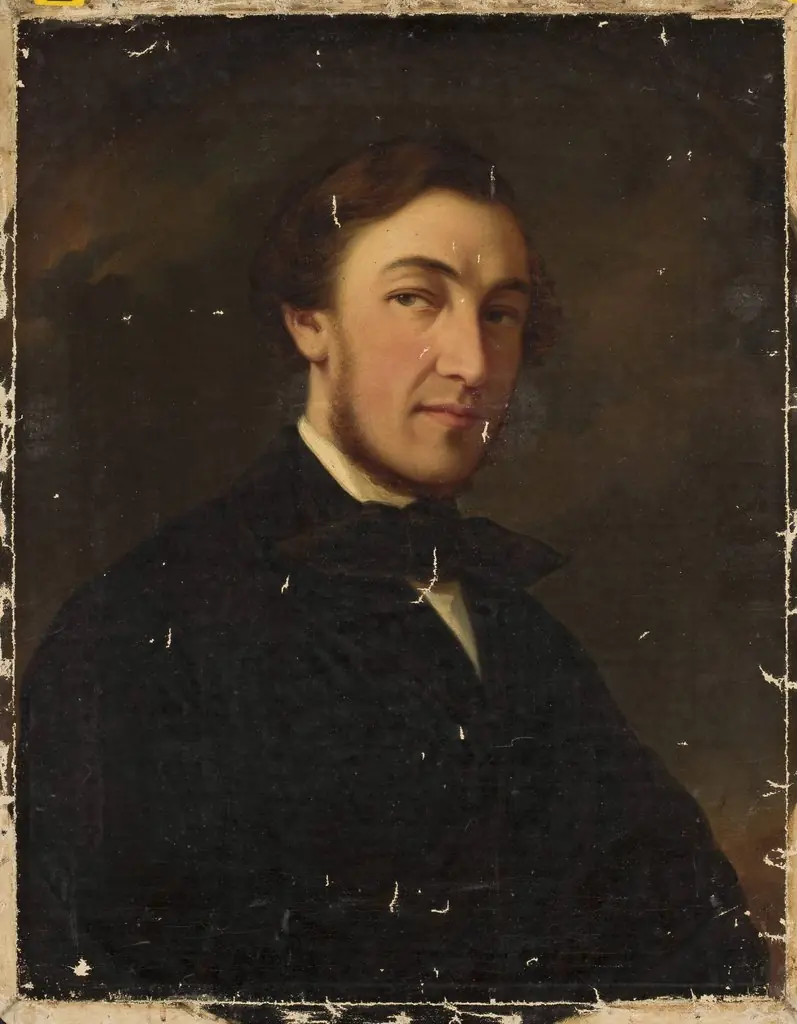 Portrait of a man
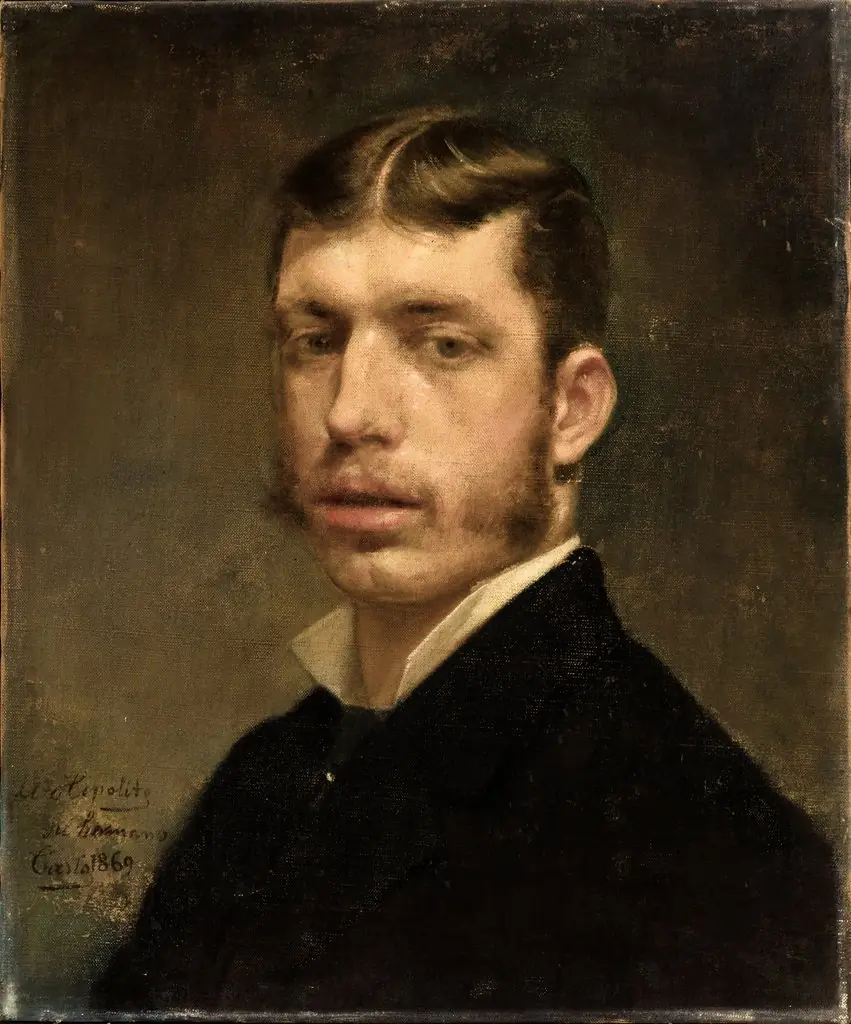 Retrato de Hipólito Rossy y Paul
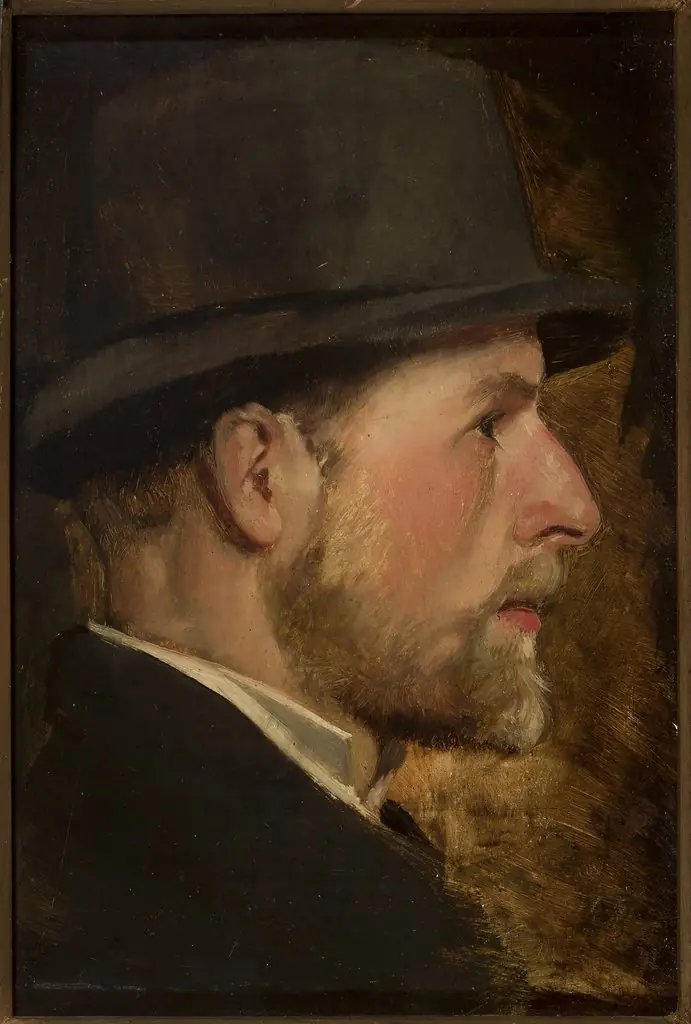 Portrait of Stanisław Czachórski (1853–1904), artist’s brother
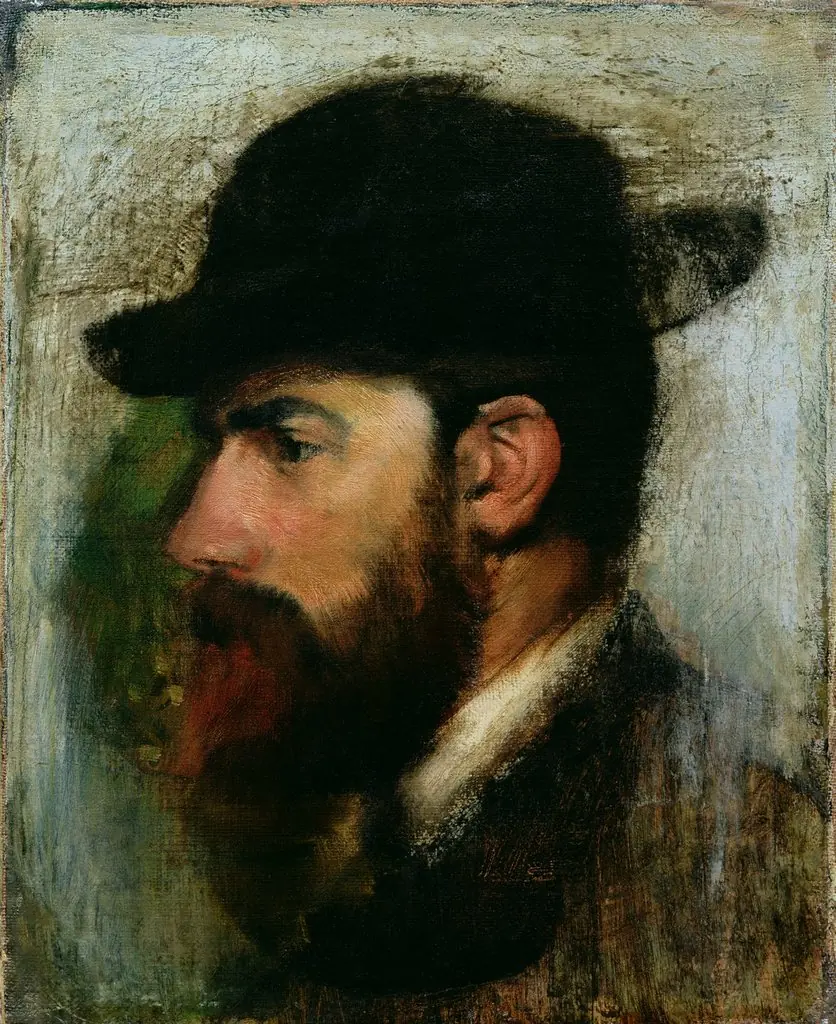 Portrait d’Henri Rouart
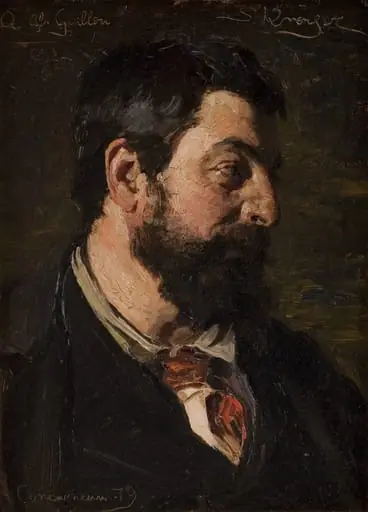 Portræt af den franske maler Alfred Guillou
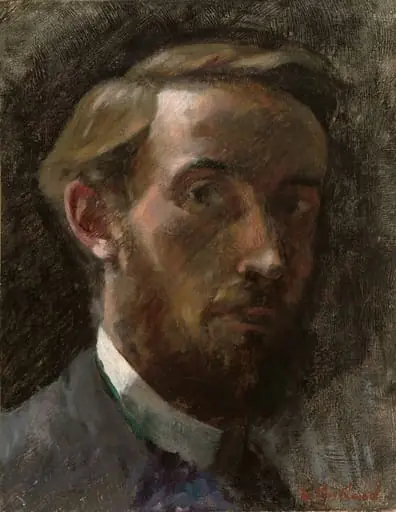 Self-Portrait, Aged 21
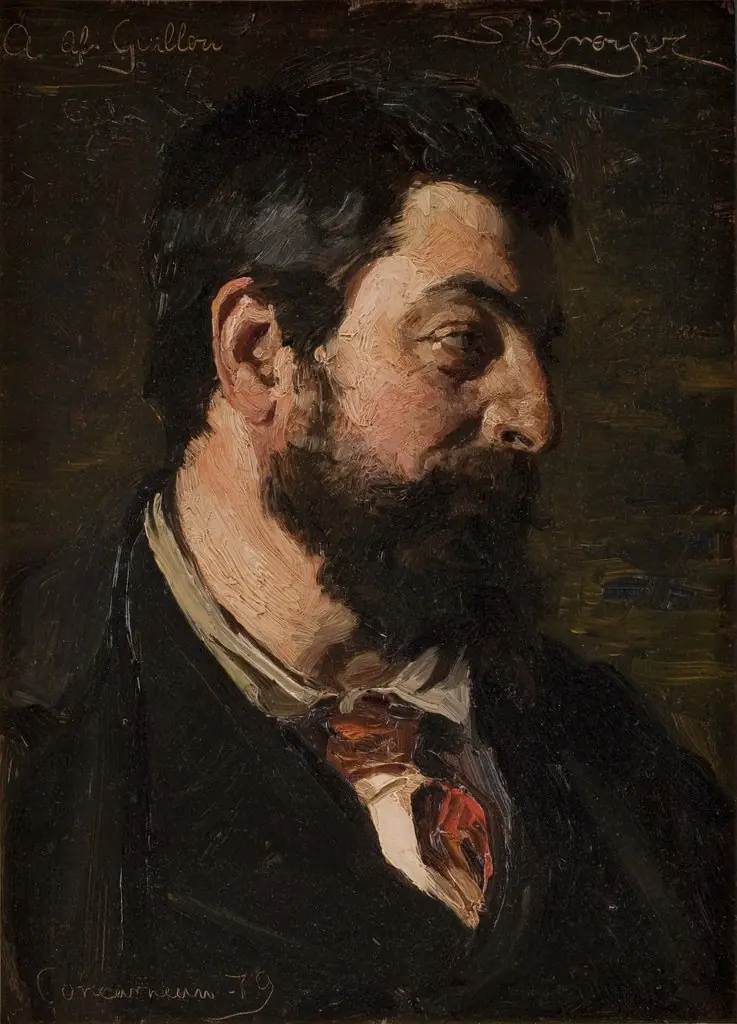 Portrait of the French painter Alfred Guillou
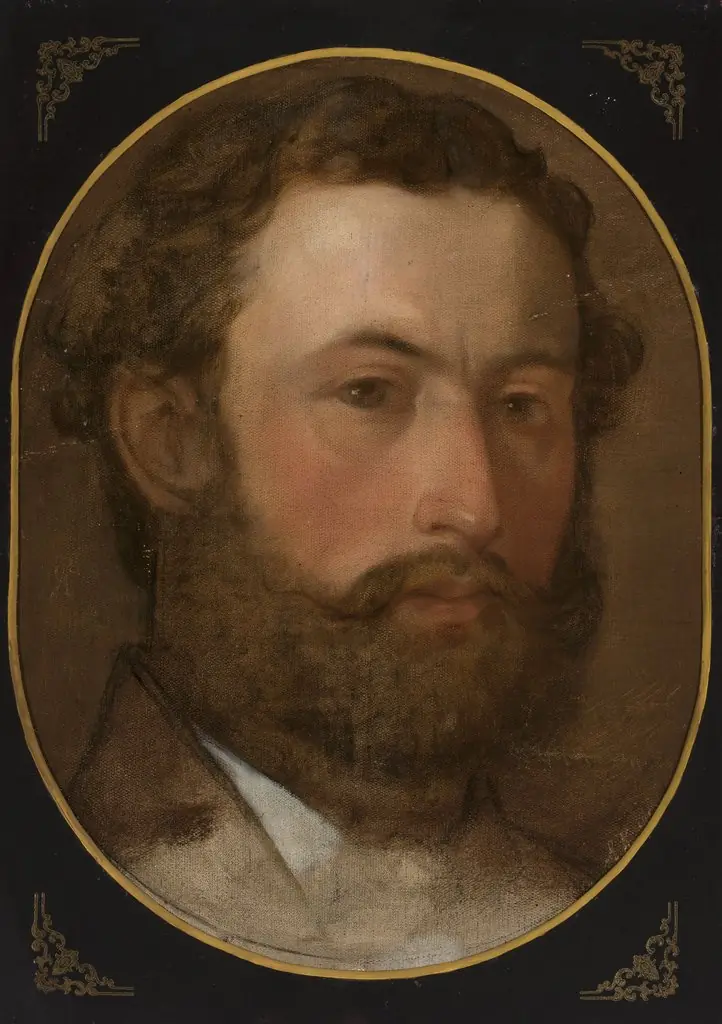 Self-portrait
 Portrait of the Painter P.C. Skovgaard