Artwork
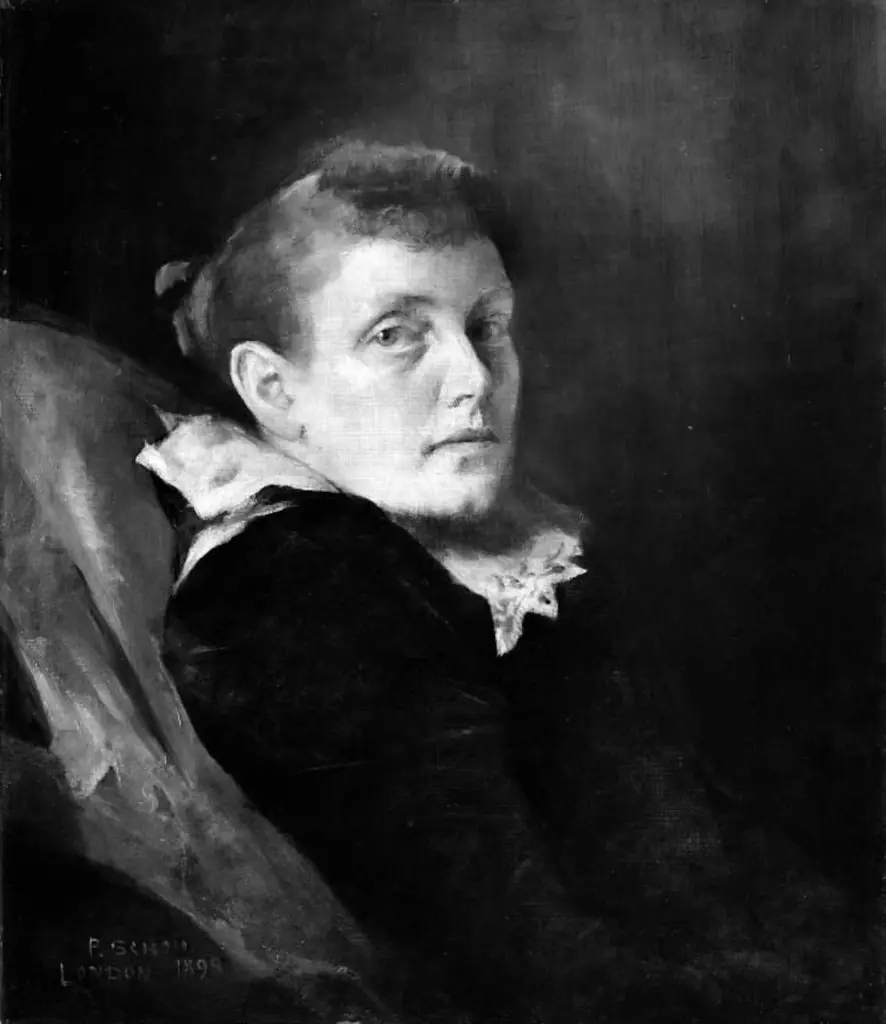
Kvindeportræt. London
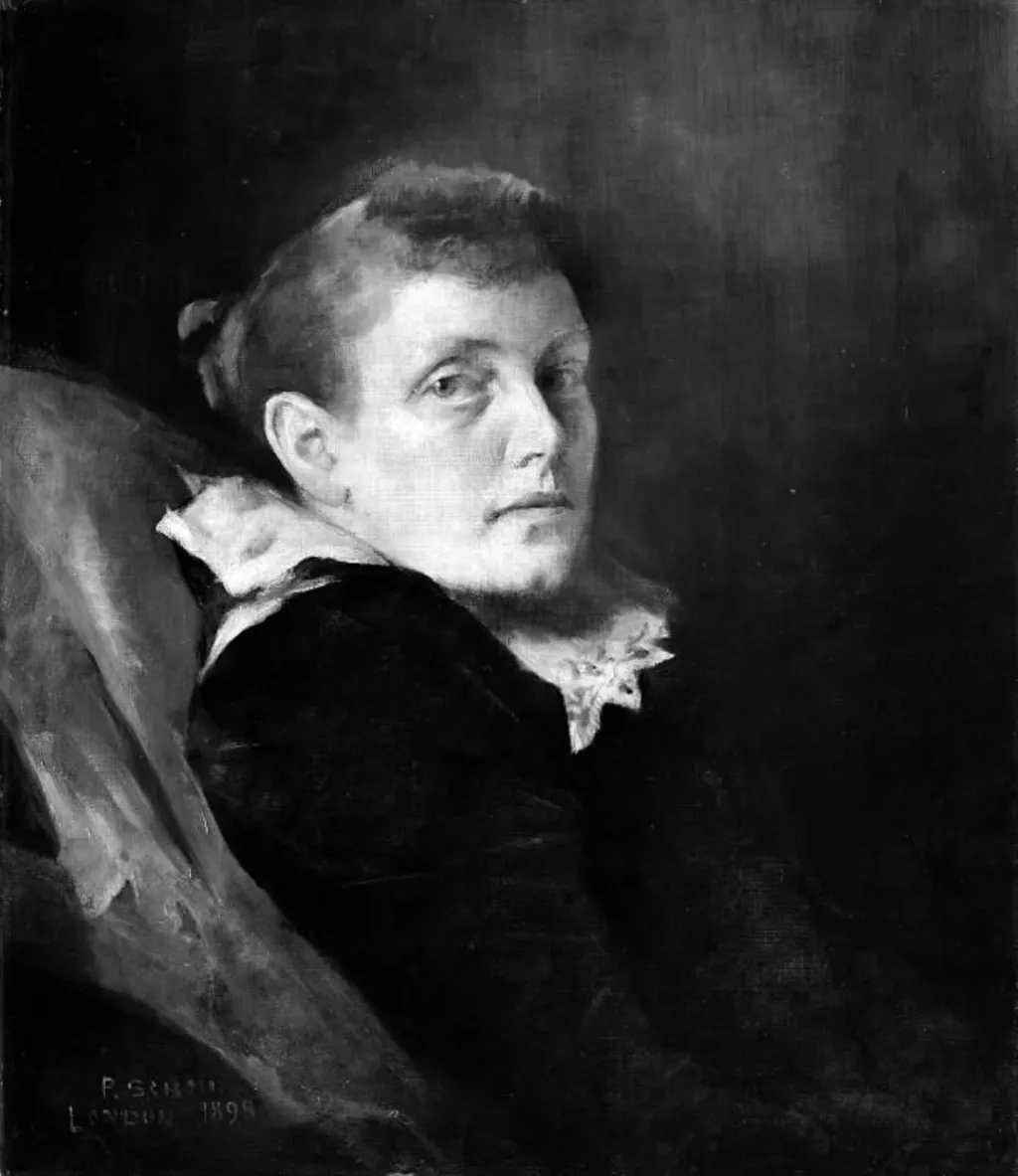
Kvindeportræt. London is a photography by the Impressionist artist Unknown. It dates from 1898 and is held in the collection of the Statens Museum for Kunst. Kvindeportræt.
About this work
Overview
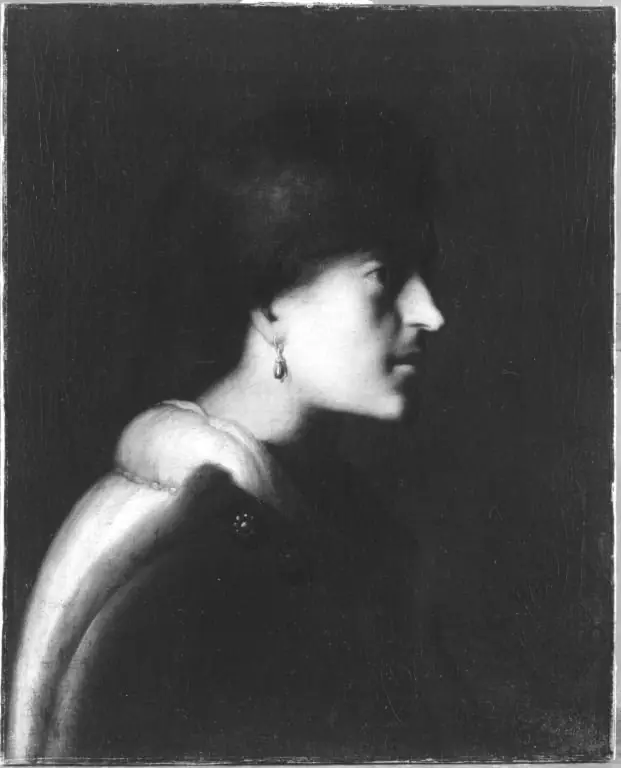
Kvindeportræt. London is a black-and-white photographic portrait created in 1898 by 563_person. It is part of the collection at the Museum of Ethnography. The image captures a male subject in a quiet, intimate pose, rendered with careful attention to tonal gradation. Though titled as a portrait of a woman, the subject depicted is male, suggesting a possible translation or cataloging discrepancy.
Subject & Meaning
The absence of identifying details or setting shifts focus to his expression and presence, inviting contemplation rather than narrative.
The subject is a man positioned in profile, his head tilted gently as if caught in a moment of reflection. He wears a collared shirt and bow tie, indicating a formal, perhaps urban, social context. The absence of identifying details or setting shifts focus to his expression and presence, inviting contemplation rather than narrative. The image resists overt symbolism, emphasizing quiet dignity over theatricality.
Technique & Style
The portrait employs chiaroscuro, using stark contrasts between light and shadow to model the face and shoulders. Soft, directional lighting isolates the upper torso against a dark, indistinct background, enhancing three-dimensionality. The technique, rooted in Renaissance painting traditions, is adapted here to photographic means, demonstrating an intentional use of tone to convey depth and emotional stillness.
History & Provenance
Created in 1898, the work entered the collection of the Museum of Ethnography, likely as part of a broader anthropological or cultural documentation effort. Its title, Kvindeportræt. London, implies a Danish origin and possible connection to London, though the subject’s identity remains unverified. The photograph’s provenance reflects late 19th-century interests in recording human forms across global contexts.
Context
In the late 1890s, photography was increasingly used in ethnographic studies to classify and document populations. This portrait aligns with that trend, though its artistic lighting suggests a deliberate aesthetic beyond mere record-keeping. The tension between scientific intent and expressive form mirrors broader debates in visual anthropology during the period.
Legacy
The work endures as an example of early photographic portraiture that merges documentary practice with artistic technique. While not widely exhibited, it contributes to discussions on how light and composition shape perceptions of identity in ethnographic imagery. Its quiet composition continues to invite analysis of the relationship between gaze, representation, and cultural framing.
Artist & collection

 Domestic Scene
 Giacomo and Cardinal Marco, investing Andrea, Abbot of San Zeno, with his Benefice
 The Nymph of Fontainebleau
 Portrait of a Woman
 Madonna and Child with Saints in the Enclosed Garden
 Venus and Minerva
 Family Group of Four on Sofa
 Wall painting from Room H of the Villa of P. Fannius Synistor at Boscoreale
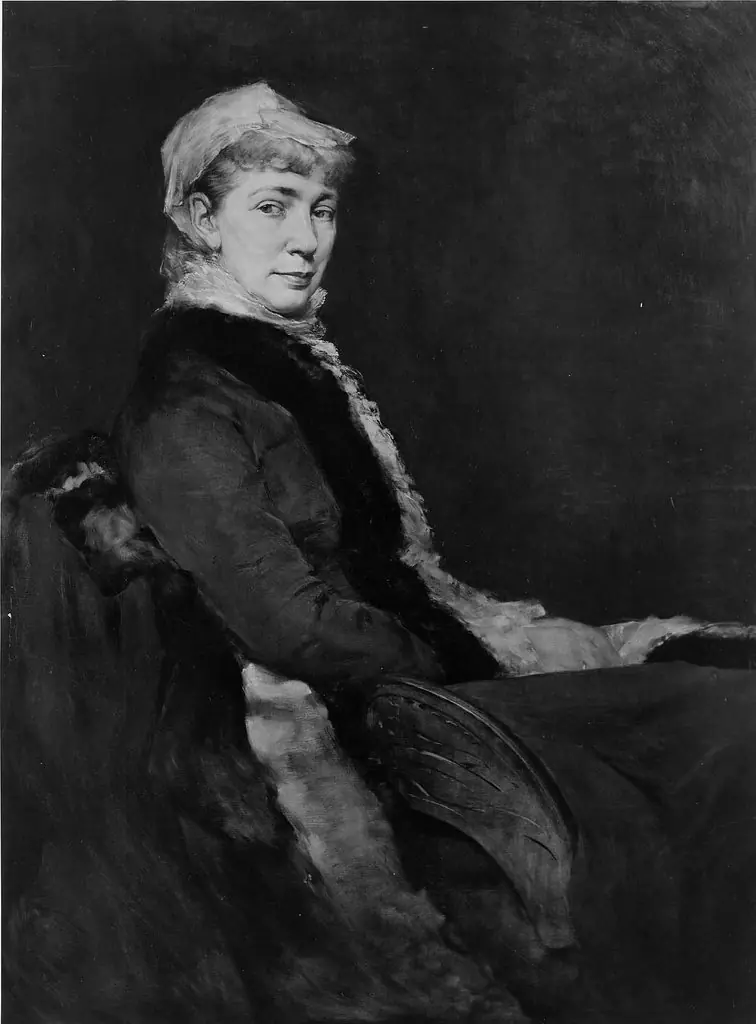 Mrs. Samuel Tilton (Helen Reed)
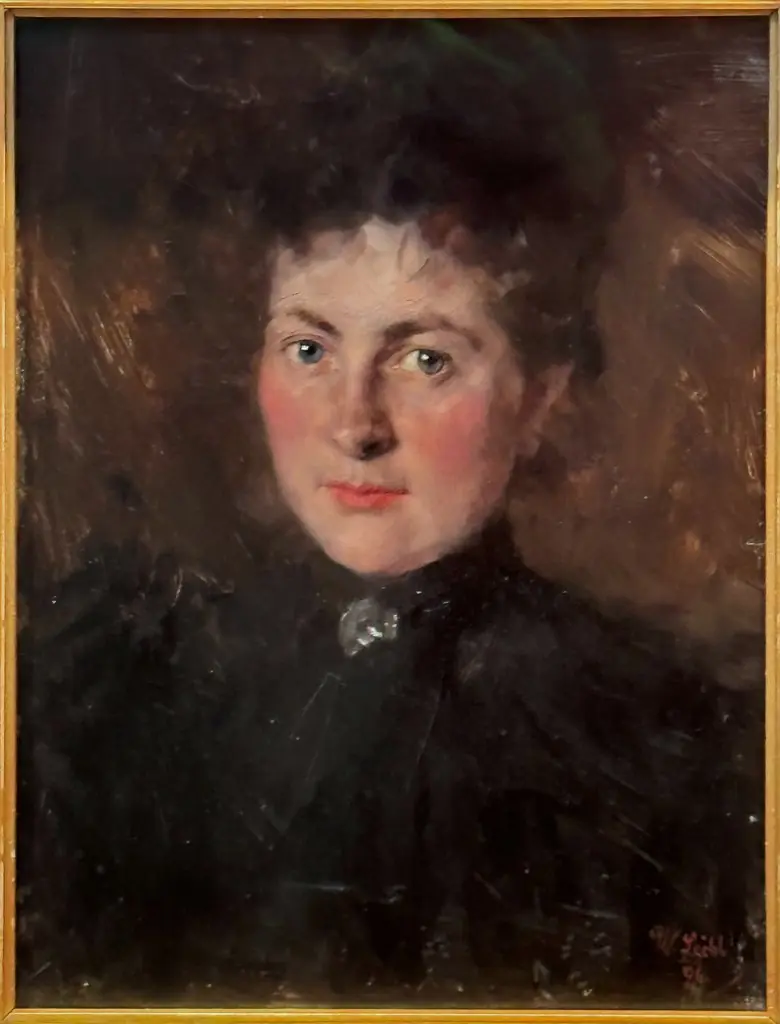 Felicia Kirchdorffer, die Nichte des Künstlers
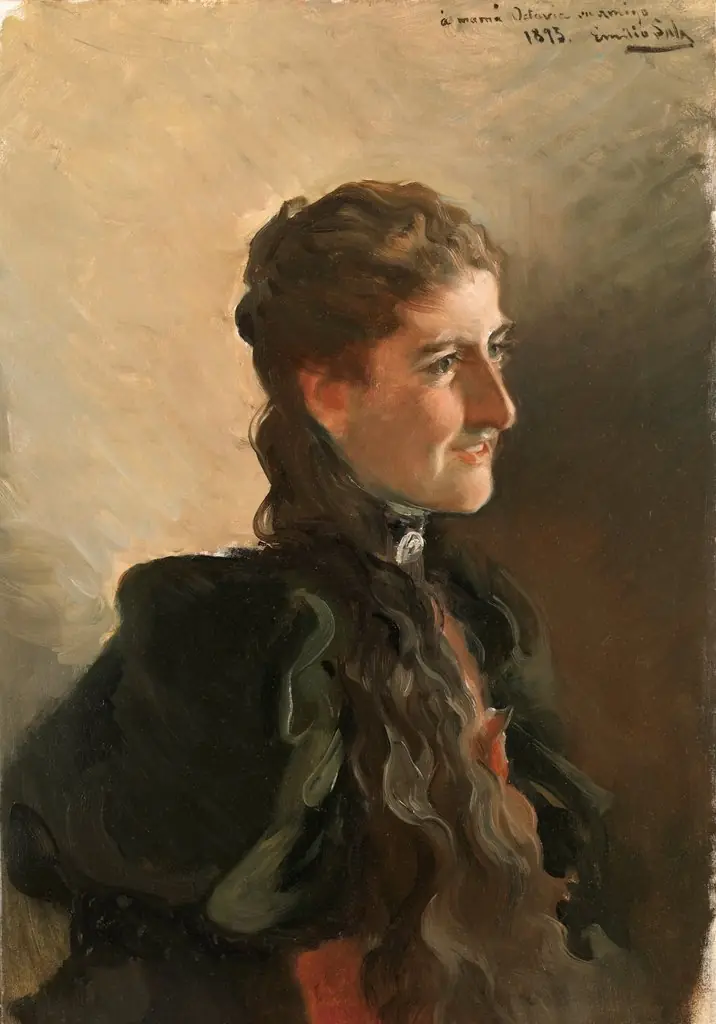 María Octavia Picón y Pardiñas
 Head of a Girl
 Saimin kihlajaismuotokuva
 Dameportræt
 Aristizza Romanescu
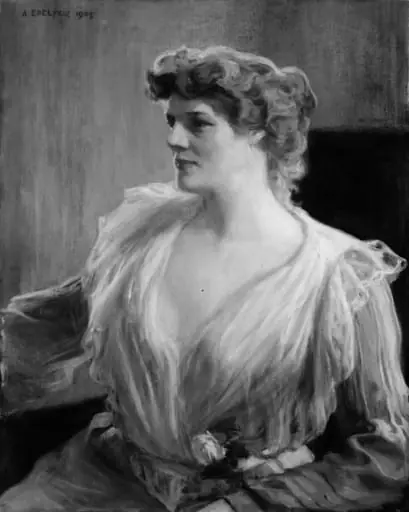 Portrait of Madame Suzanne Potre
 Selbstbildnis (Kopie nach)
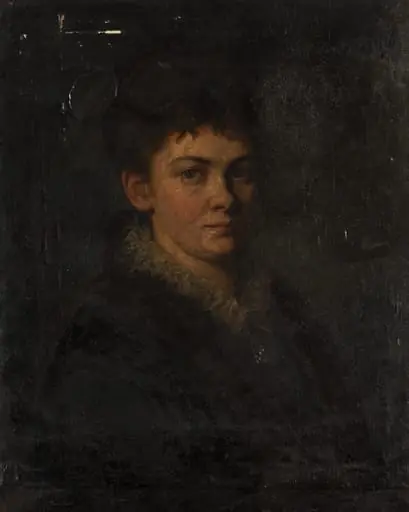 Goebeler, Elise: Portrait of an Unknown Lady
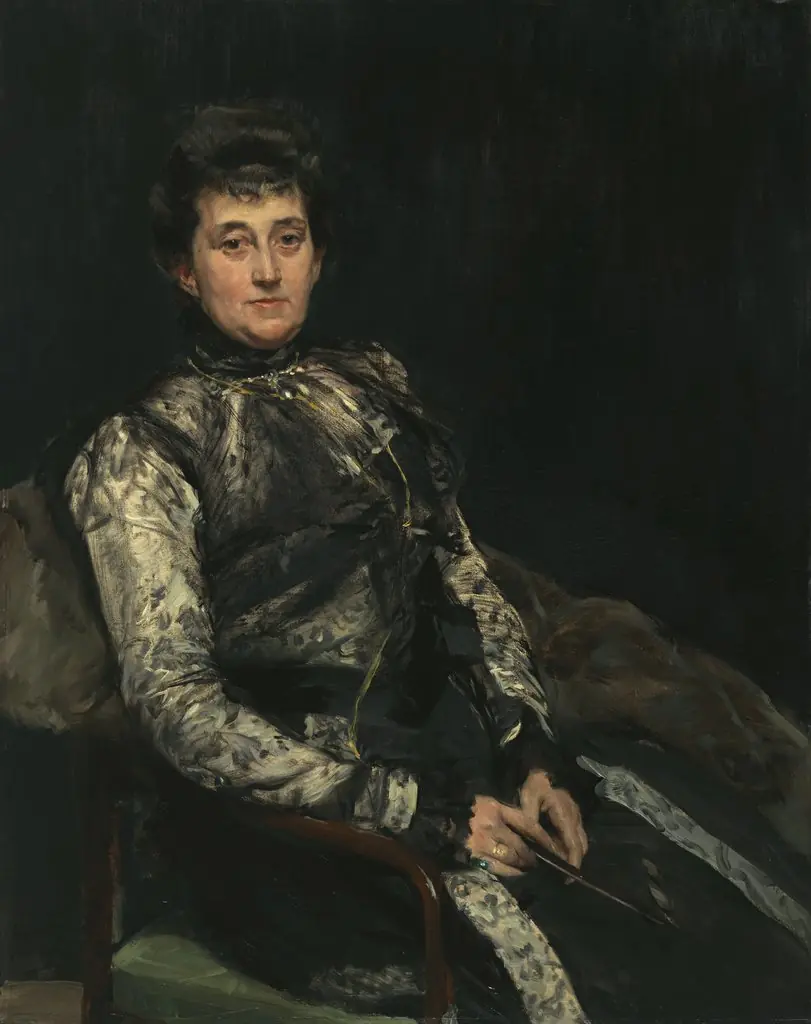 María Teresa Moret
 Kvindeportræt. London