Artwork
María Octavia Picón y Pardiñas
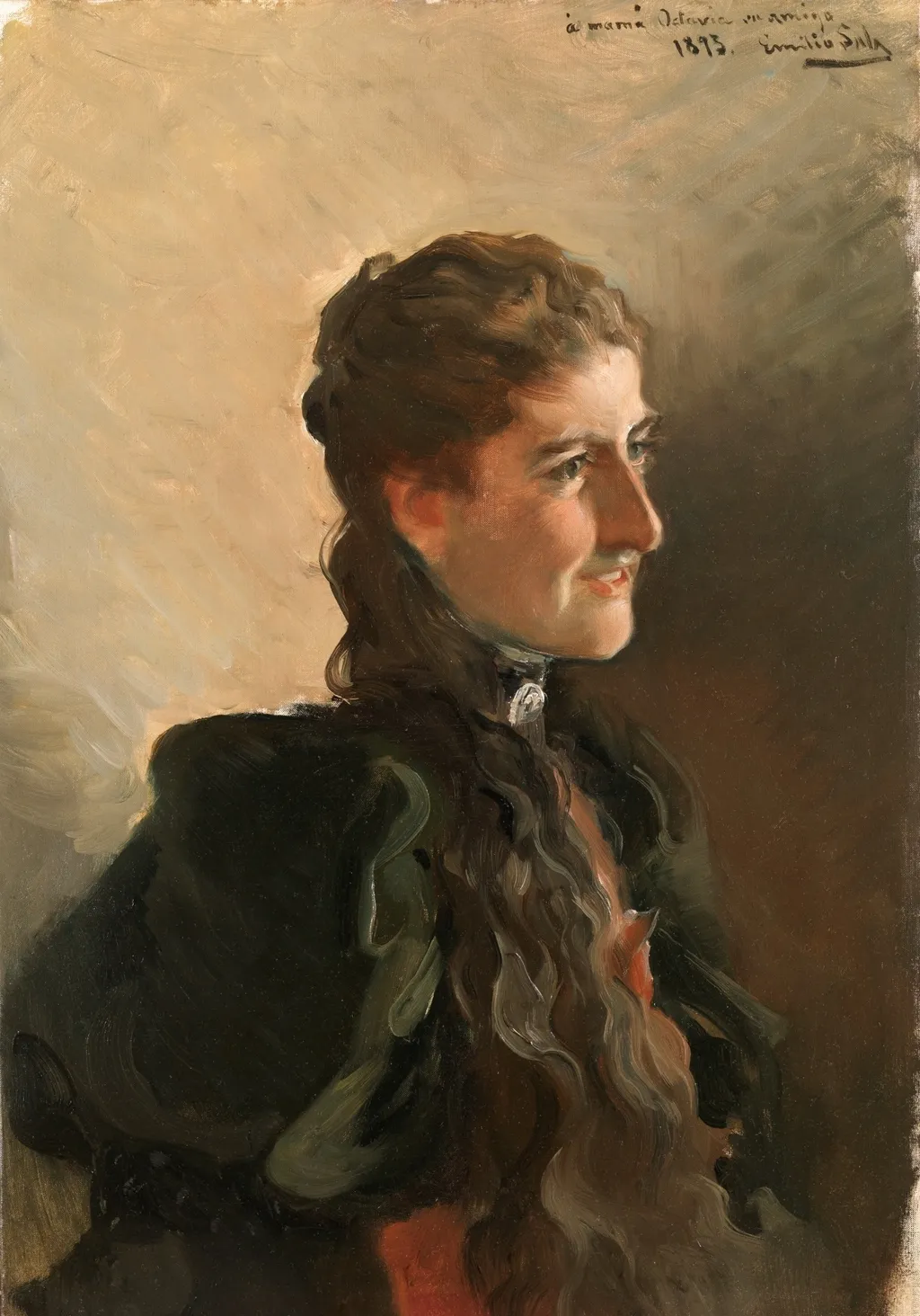
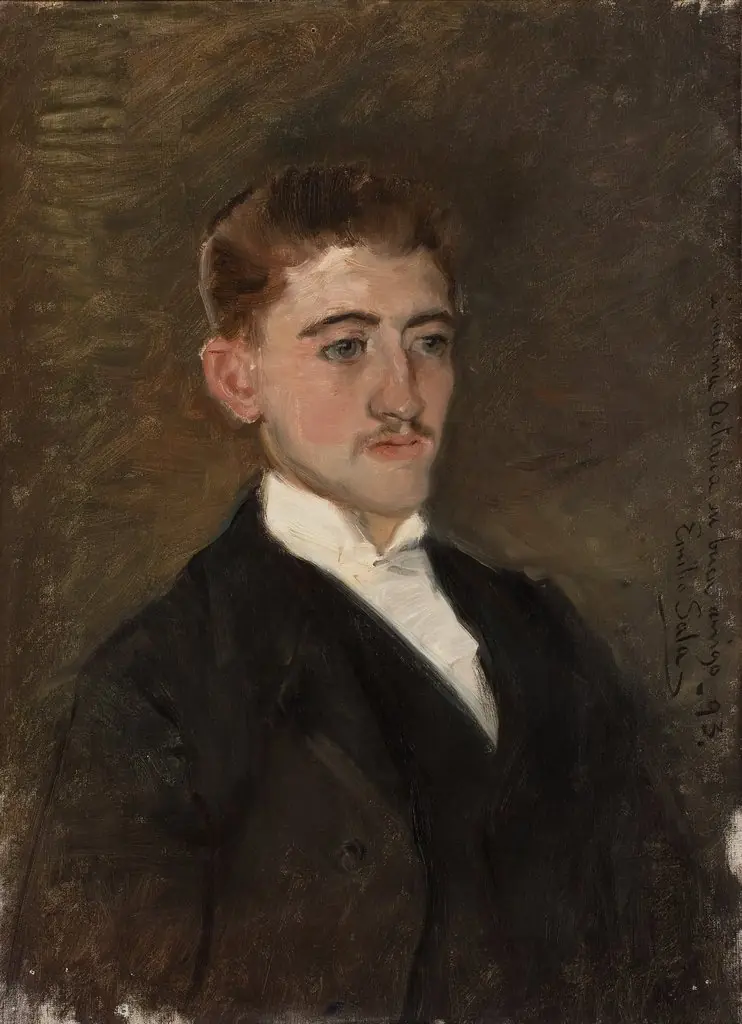
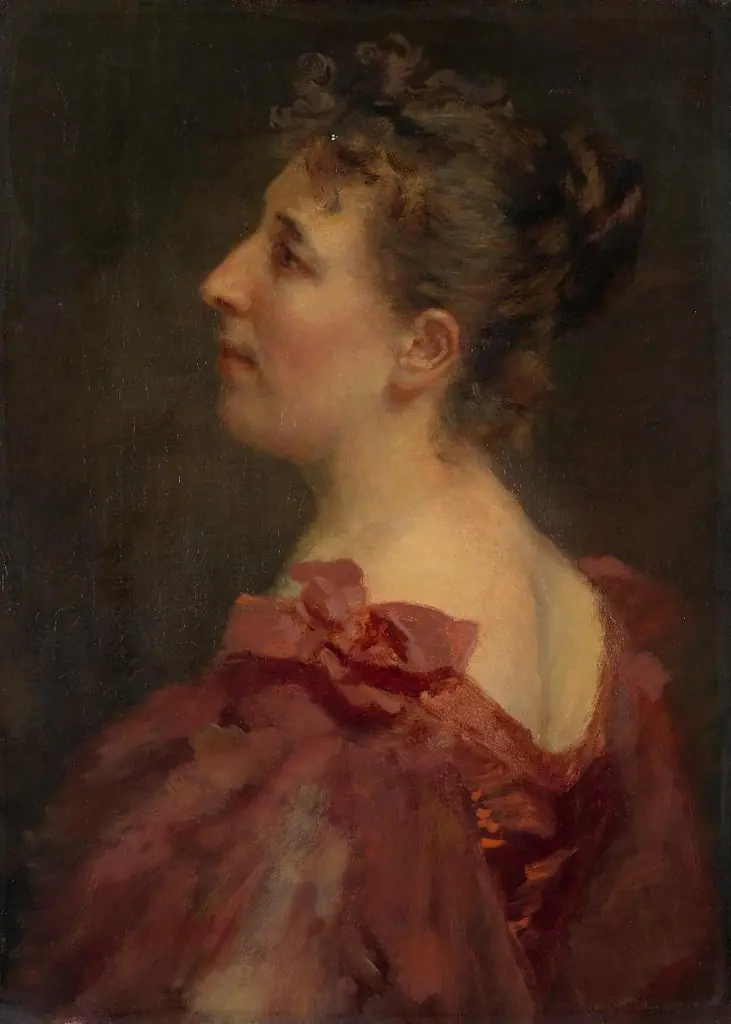
María Octavia Picón y Pardiñas is an oil painting by the Post-Impressionist artist Emilio Sala. It dates from 1897 and is held in the collection of the Museo del Prado.
About this work
Overview
Painted in 1897 by Emilio Sala, this oil portrait depicts María Octavia Picón y Pardiñas. The work resides in the Museo del Prado in Madrid, where it is cataloged as part of the museum’s 19th-century Spanish portraiture collection. Its restrained palette and composed demeanor reflect the formal conventions of elite portraiture during the period.
Subject & Meaning
Her dark attire and minimal adornment suggest modesty and social restraint, consistent with the values of upper-class Spanish women of the era.
The sitter, María Octavia Picón y Pardiñas, is portrayed with quiet composure, her gaze turned slightly to the right, avoiding direct engagement with the viewer. Her dark attire and minimal adornment suggest modesty and social restraint, consistent with the values of upper-class Spanish women of the era. The absence of symbolic objects or elaborate settings emphasizes her identity through presence rather than status markers.
Technique & Style
Sala employed smooth brushwork to render the texture of fabric and hair, with subtle gradations of tone defining the folds of the dress and the softness of the ribbon. The warm beige background recedes gently, focusing attention on the figure’s form. Light falls evenly across the face and shoulders, avoiding dramatic contrasts, reinforcing the painting’s subdued and introspective character.
History & Provenance
The painting entered the Museo del Prado’s collection following its creation in 1897, likely acquired through direct donation or state acquisition typical of the period. No record of prior ownership or exhibition beyond the artist’s studio is documented, suggesting it was commissioned privately and later transferred to public care as part of a broader effort to preserve contemporary Spanish art.
Context
In late 19th-century Spain, portraiture remained a key genre for documenting social figures, particularly among the aristocracy and professional classes. Sala, known for his academic training and attention to detail, contributed to this tradition by capturing individuals with psychological restraint rather than theatrical flair, aligning with broader European trends toward understated realism.
Legacy
Though not widely exhibited or reproduced, the portrait endures as an example of Sala’s skill in capturing quiet dignity. It contributes to the Prado’s representation of Spanish women in art during a time of social transition, offering insight into the visual language of femininity and class in post-Romantic Spain.
Own this work as a print
Artist & collection

 Felicia Kirchdorffer, die Nichte des Künstlers
 María Teresa Moret
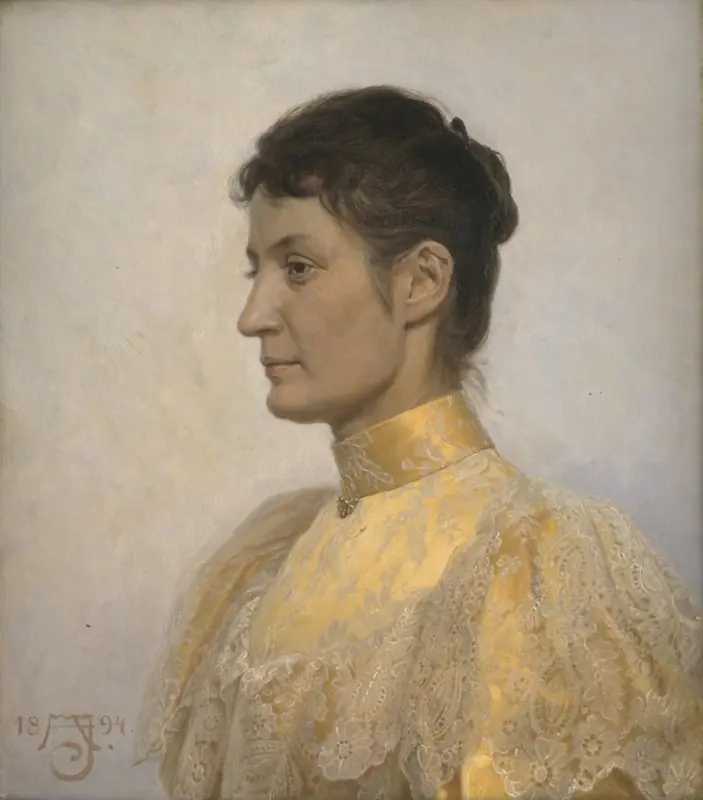 Portrait of Marie Oppermann
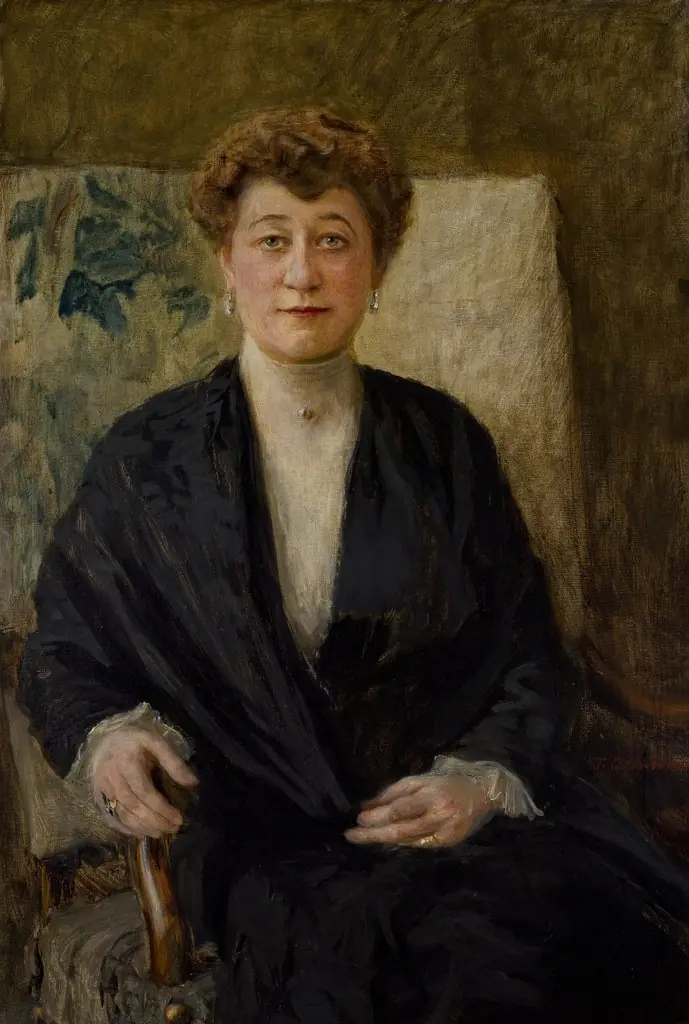 Portrait of Zofia Dolińska née Niesiołowska
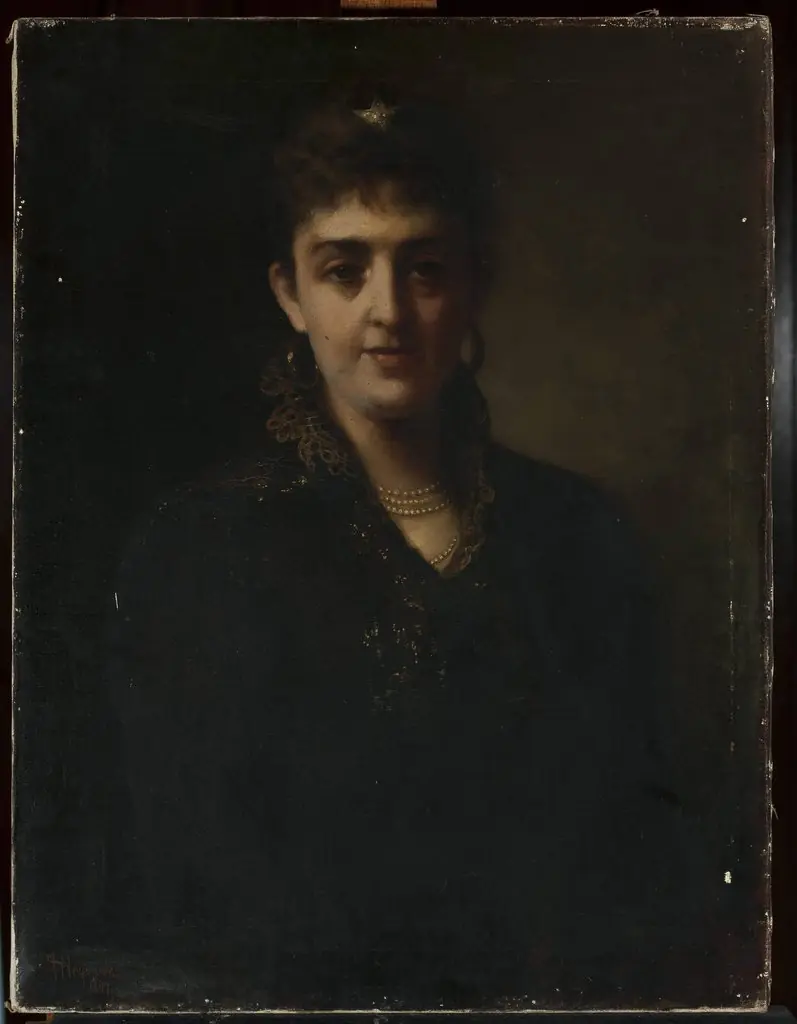 Portrait of a woman
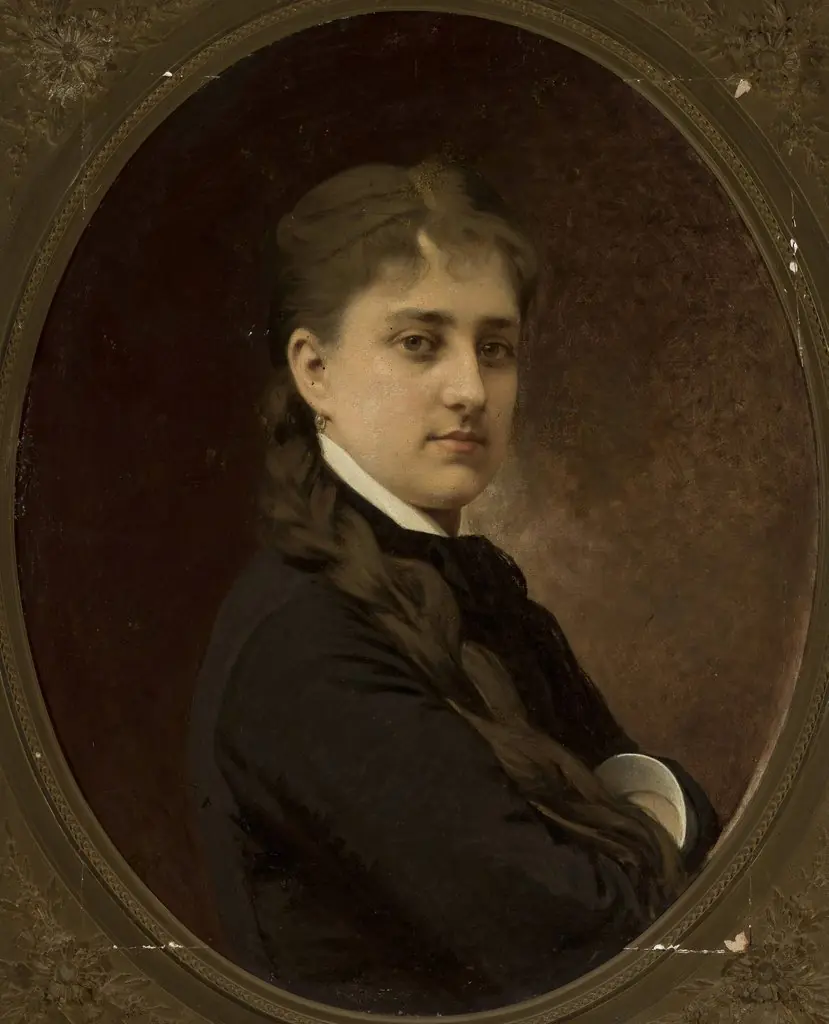 Portrait of Mrs. Śmiarowska
 Portrait of Marie Oppermann
 Portrait of Mrs Geale-Wybrants
 Elizabeth Virginia Laning Bradner Smith (Mrs. George Cotton Smith)
 Portrait of Lady Armstrong (née Ferrard)
 Bildnis Leonie Scheller-Kuhn
 Portret de femeie