Artwork
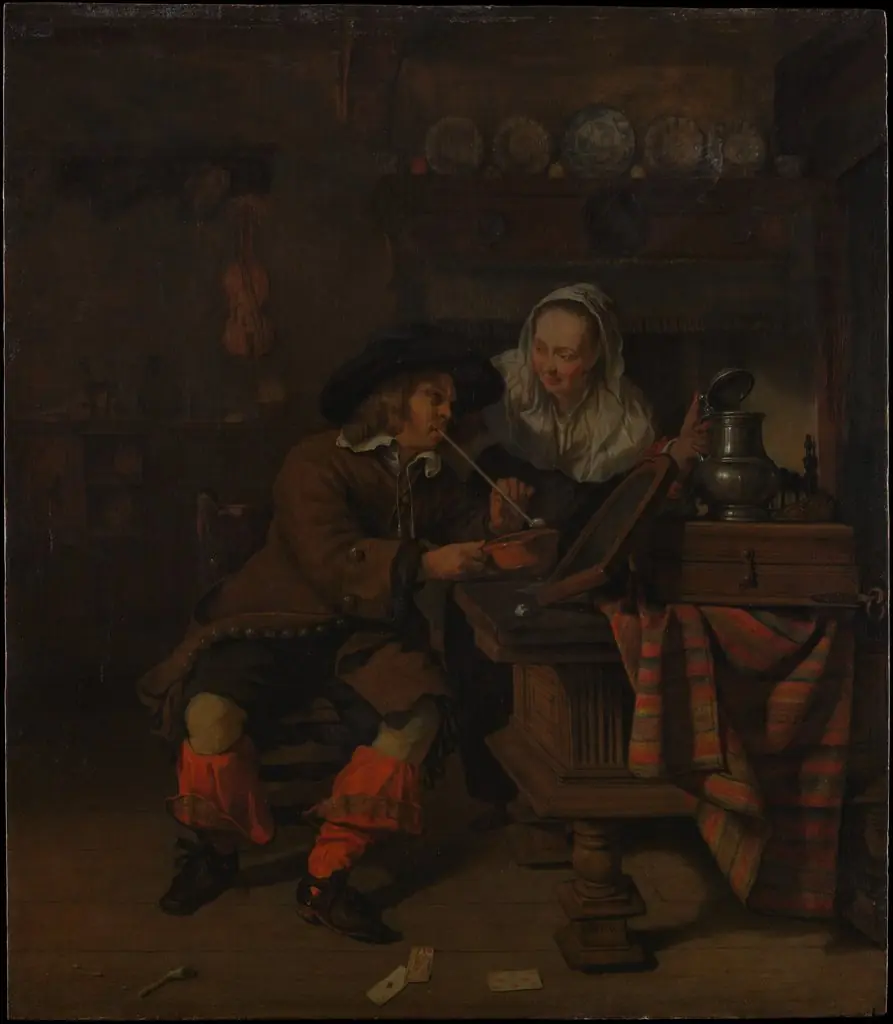
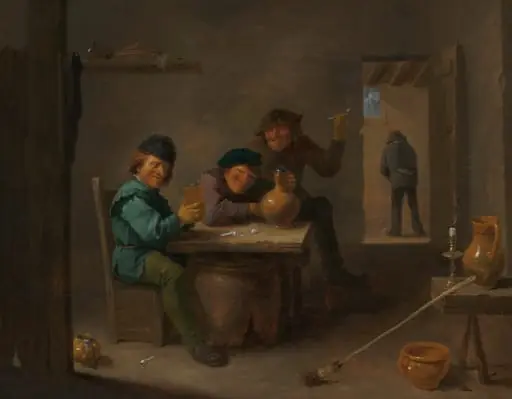
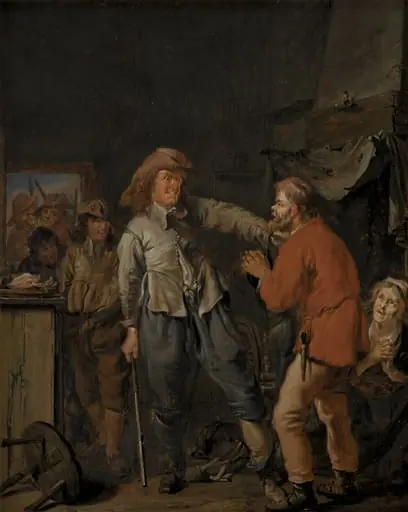
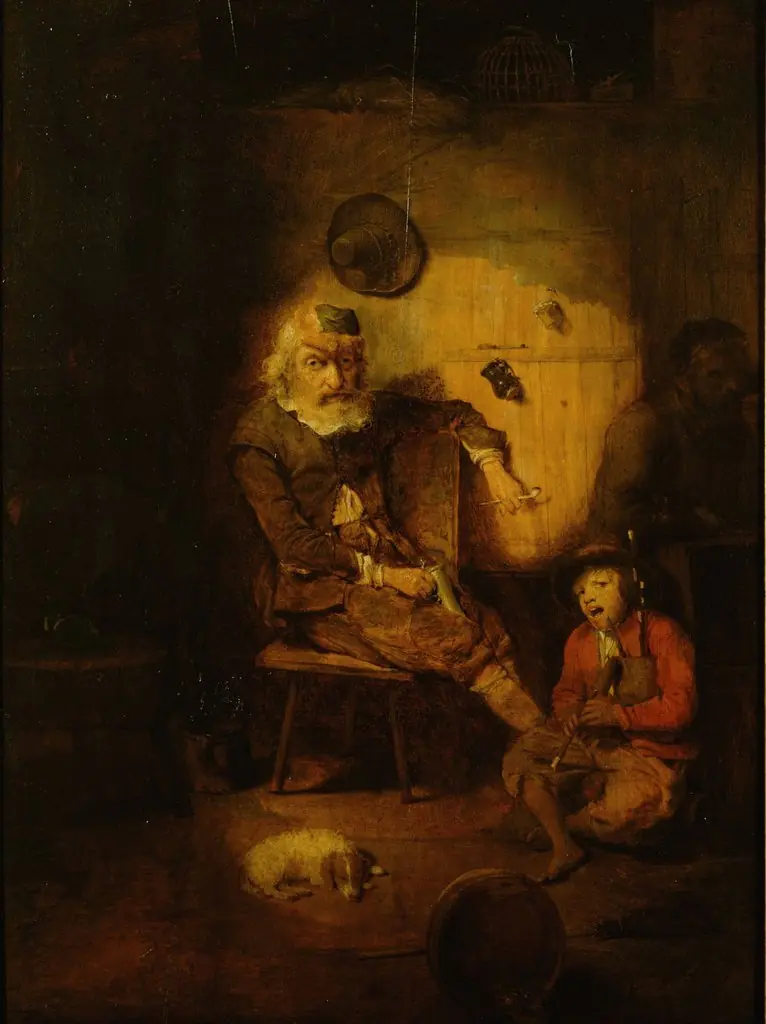
A Peasant Giving his Son Something to Drink
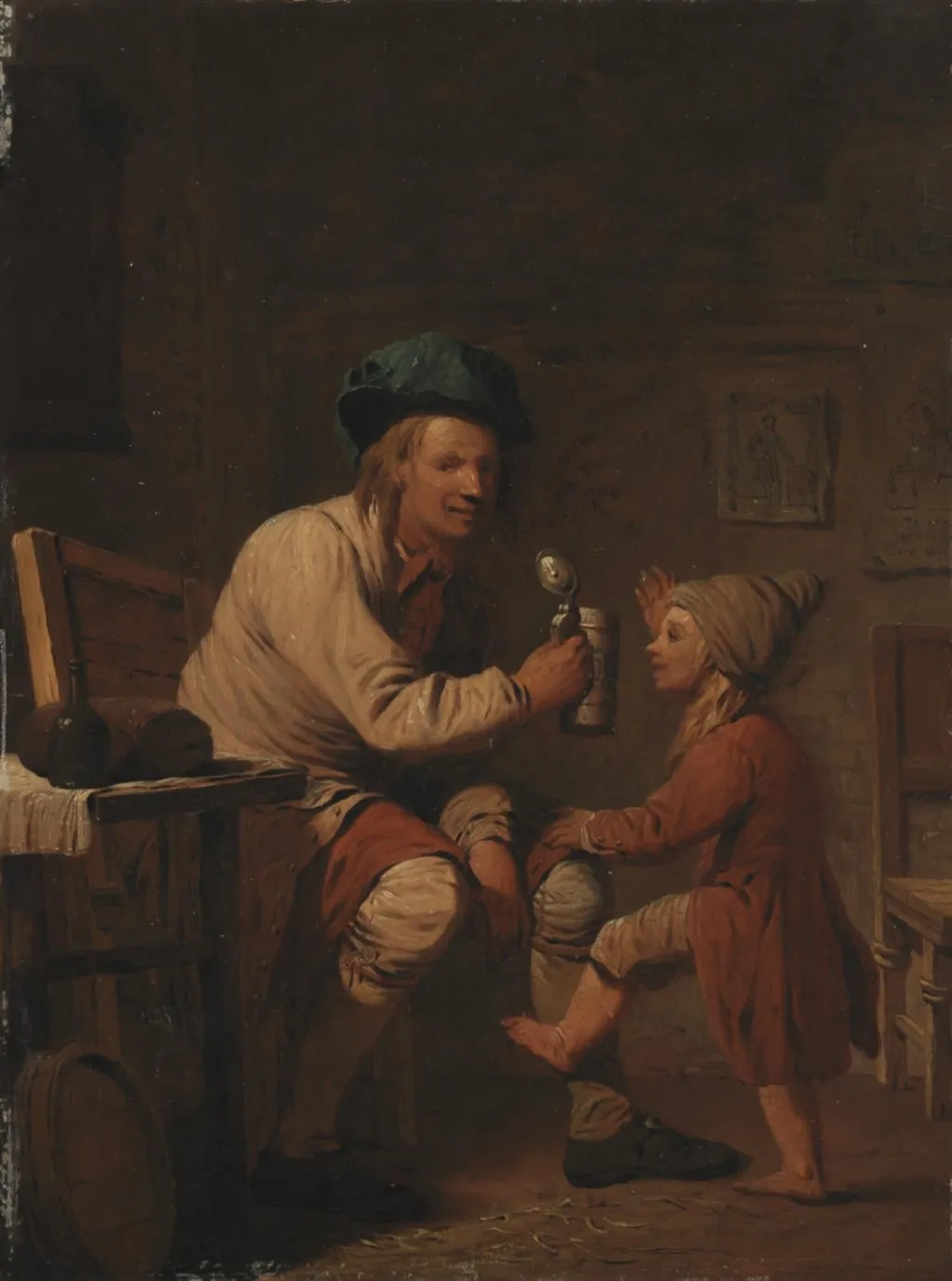
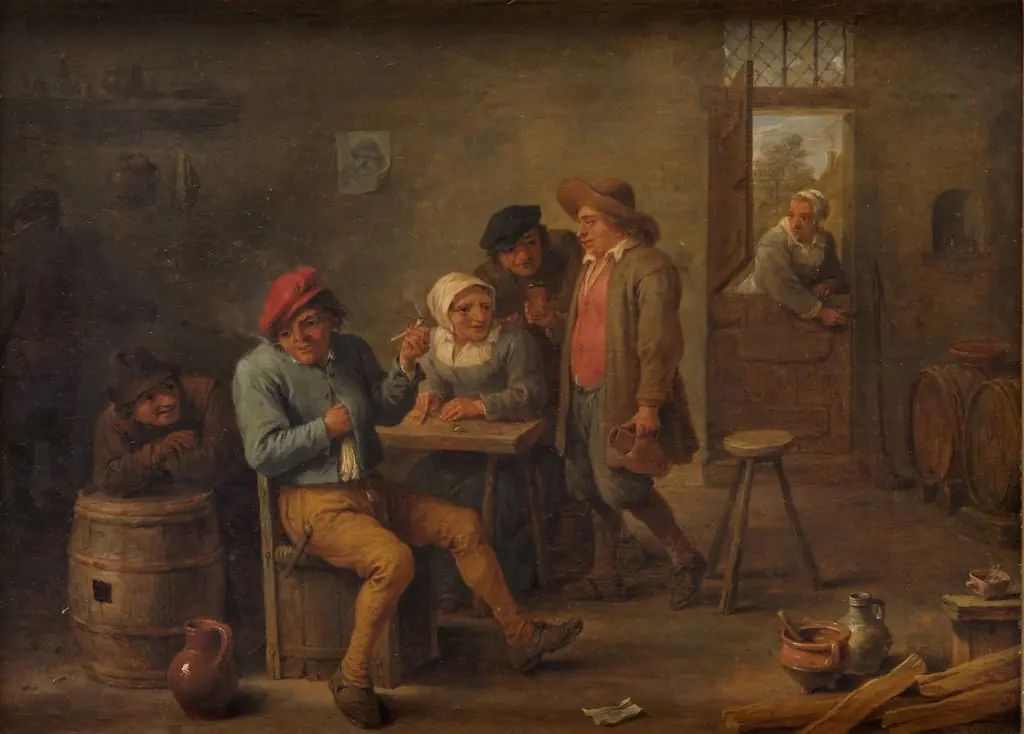
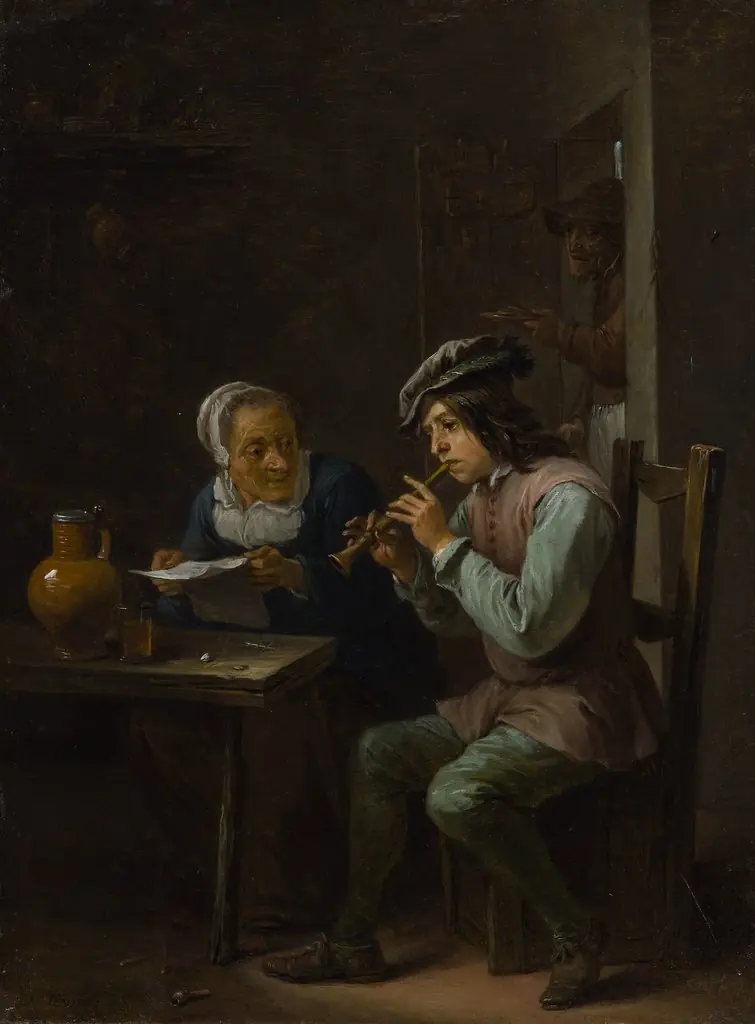
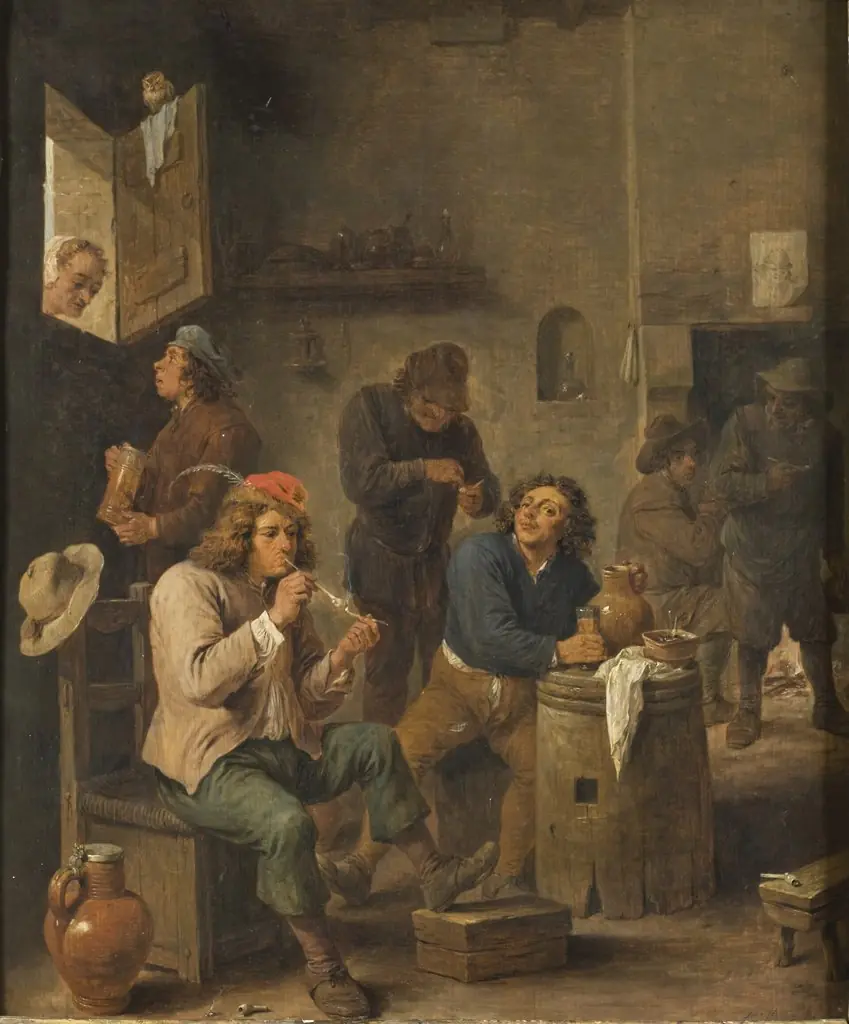
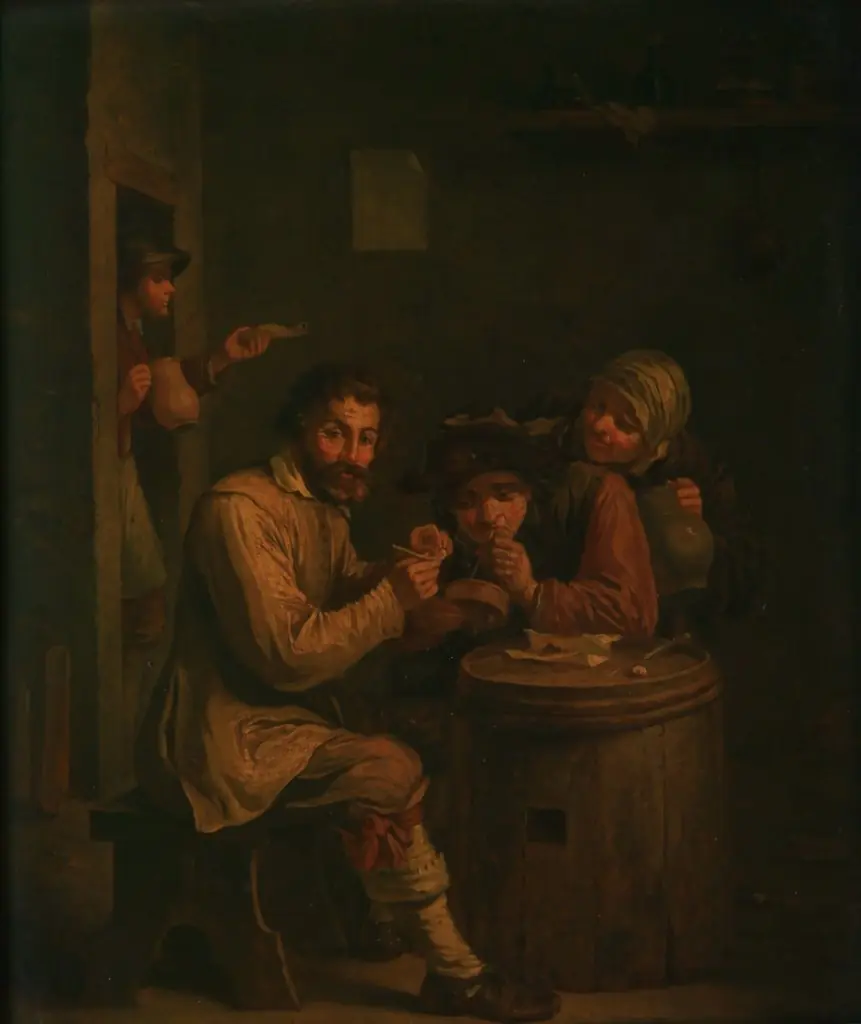
A Peasant Giving his Son Something to Drink is a photography by the Romanticist artist Unknown. It dates from 1781 and is held in the collection of the Statens Museum for Kunst.
About this work
Overview
Created in 1781 by an artist associated with rural Dutch genre painting, this work depicts a quiet domestic moment between a father and child.
Created in 1781 by an artist associated with rural Dutch genre painting, this work depicts a quiet domestic moment between a father and child. Painted on a modest scale, it is held in the collection of the Museum of Ethnography. The composition focuses on a single, unadorned interaction, emphasizing everyday life rather than grand narrative. The absence of elaborate detail grounds the scene in realism.
Subject & Meaning
The painting captures a father offering a drink to his young son, a gesture of care within a humble setting. The act is unremarkable in its simplicity, yet rendered with emotional weight. No symbolic elements or allegorical references are present; the meaning lies in the tenderness of the moment itself. It reflects a value placed on familial bonds in agrarian communities, where such gestures were central to daily survival.
Technique & Style
The artist employs chiaroscuro to model the figures, with light falling from the left to highlight the peasant’s hands and the child’s upturned face. Brushwork is restrained, favoring texture over flourish—fabric folds, wooden grain, and skin are suggested with subtle tonal shifts. The dark, undefined background isolates the figures, directing attention to their interaction and eliminating contextual distractions.
History & Provenance
The painting entered the Museum of Ethnography’s collection in the late 19th century, likely as part of a broader effort to document rural European life. Its attribution to the artist remains consistent across institutional records, though little documentation exists regarding its early ownership or exhibition history prior to museum acquisition.
Context
In the late 18th century, genre scenes of peasant life gained traction among collectors and artists seeking authenticity beyond aristocratic subjects. This work aligns with a regional tradition in the Low Countries that portrayed laboring families with dignity, avoiding caricature. It reflects a growing interest in the moral and emotional dimensions of ordinary existence during the Enlightenment.
Legacy
Though not widely reproduced or studied, the painting contributes to a body of work that redefined the artistic value of domestic rural scenes. Its quiet sincerity influenced later realist movements, particularly in Northern Europe, where artists continued to explore the emotional resonance of everyday gestures without embellishment.
Artist & collection

 Domestic Scene
 Giacomo and Cardinal Marco, investing Andrea, Abbot of San Zeno, with his Benefice
 The Nymph of Fontainebleau
 Portrait of a Woman
 Madonna and Child with Saints in the Enclosed Garden
 Venus and Minerva
 Family Group of Four on Sofa
 Wall painting from Room H of the Villa of P. Fannius Synistor at Boscoreale