Artwork
Portrait of an Elderly Gentleman
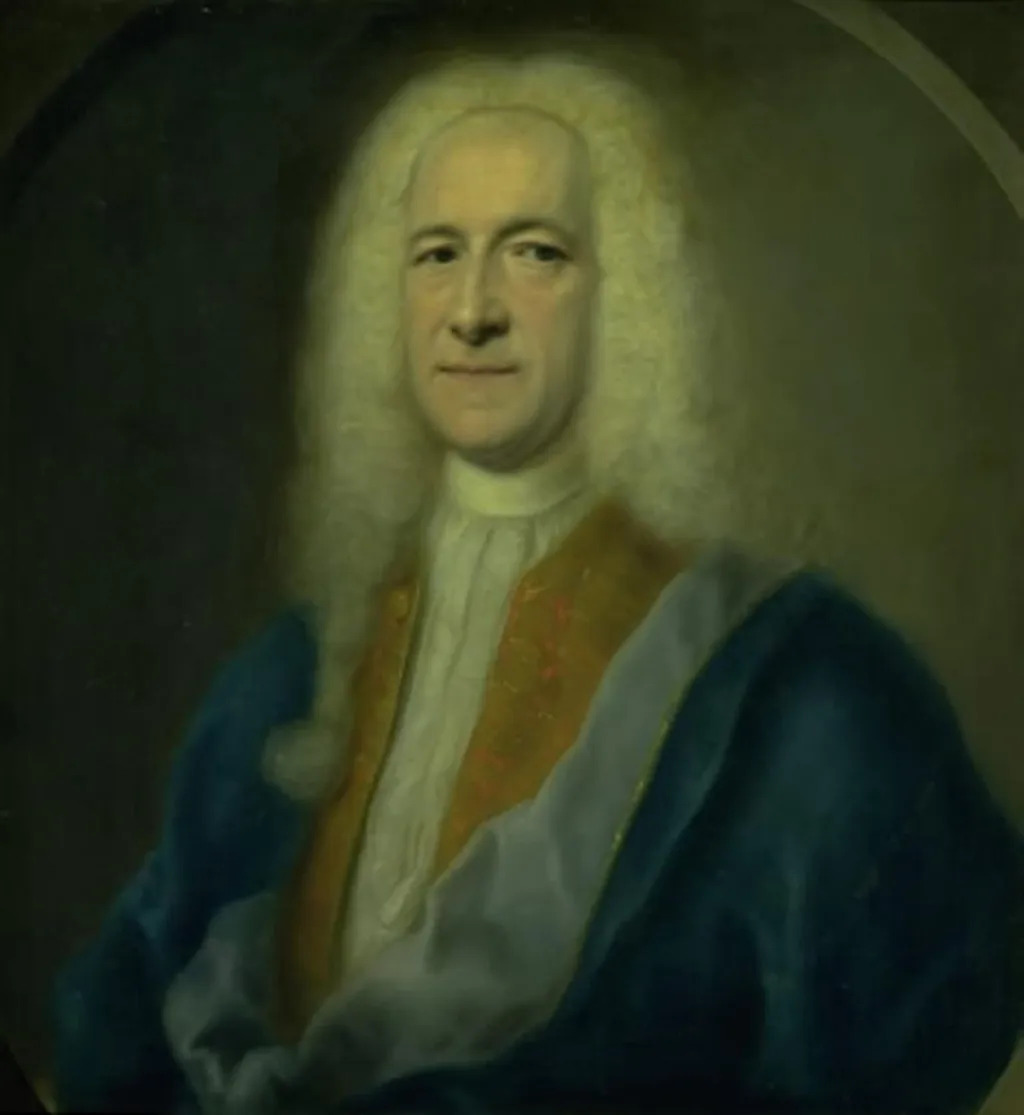
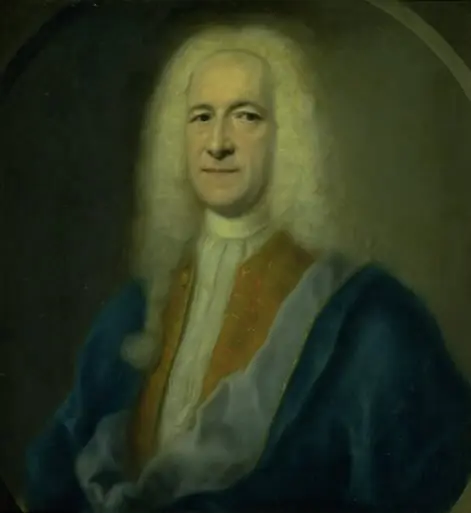
Portrait of an Elderly Gentleman is an unspecified painting by Unknown. It dates from 1750 and is held in the collection of the Statens Museum for Kunst. Painted around 1750, this portrait depicts an older man with quiet dignity.
About this work
Overview
Painted around 1750, this portrait depicts an older man with quiet dignity. Executed in oil on canvas, it is part of the collection at the Museum of Ethnography. The composition is deliberately restrained, with no decorative elements to distract from the sitter’s presence. The artist’s focus on the figure’s expression and attire suggests an interest in character rather than status.
Subject & Meaning
The subject is an elderly man, his pale hair and composed expression conveying age and introspection. His clothing—white collar, brown vest, and dark blue cloak—hints at modest refinement, not aristocracy. The absence of symbols or settings implies a portrait concerned with inner stillness rather than social role. The gaze is direct but unassuming, inviting quiet contemplation.
Technique & Style
Soft illumination falls gently on the forehead and cheek, while deeper tones around the neck and cloak create volume without harsh contrast.
The artist employs chiaroscuro to model the face and fabric with subtle gradations of light and shadow. Soft illumination falls gently on the forehead and cheek, while deeper tones around the neck and cloak create volume without harsh contrast. Brushwork is restrained, favoring smooth transitions over texture. The dark, neutral background eliminates context, reinforcing the portrait’s intimate focus.
History & Provenance
The painting entered the Museum of Ethnography’s collection in the late 19th century, though its earlier ownership remains undocumented. Its attribution to 608_person is based on stylistic comparison with other works from the period. No inscriptions or signatures are visible, and its journey from studio to museum is largely unknown, adding to its air of quiet anonymity.
Context
Created in the mid-18th century, this portrait reflects a growing interest in individual character over grandeur in European portraiture. While aristocrats still commissioned elaborate likenesses, this work aligns with quieter, more personal depictions favored by the educated middle class. Its simplicity mirrors broader cultural shifts toward introspection and restraint in visual representation.
Legacy
Though not widely exhibited, the portrait remains a quiet example of 18th-century observational painting. Its emphasis on light, texture, and expression influenced later artists seeking emotional depth without theatricality. In the museum’s collection, it serves as a reference for studies in portraiture that prioritize humanity over hierarchy.
Artist & collection

 Domestic Scene
 Giacomo and Cardinal Marco, investing Andrea, Abbot of San Zeno, with his Benefice
 The Nymph of Fontainebleau
 Portrait of a Woman
 Madonna and Child with Saints in the Enclosed Garden
 Venus and Minerva
 Family Group of Four on Sofa
 Wall painting from Room H of the Villa of P. Fannius Synistor at Boscoreale
 Portrait of a man
 William Murray, 1st Earl of Mansfield
 Portrait of an Historian
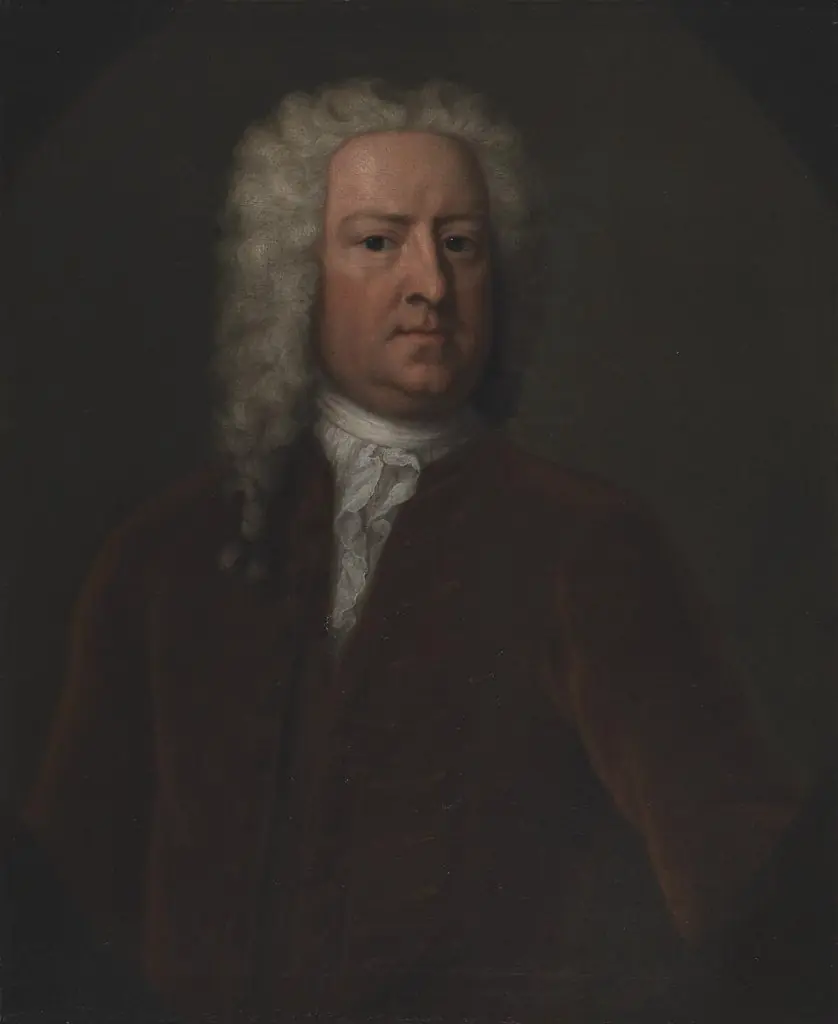 Sir Watkin Williams-Wynn (1692 -1749)
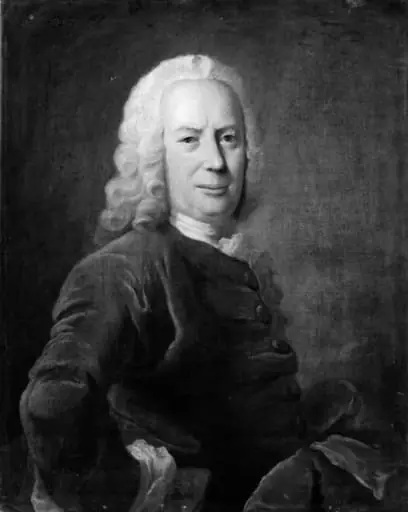 Portræt af brygger M. Christensen
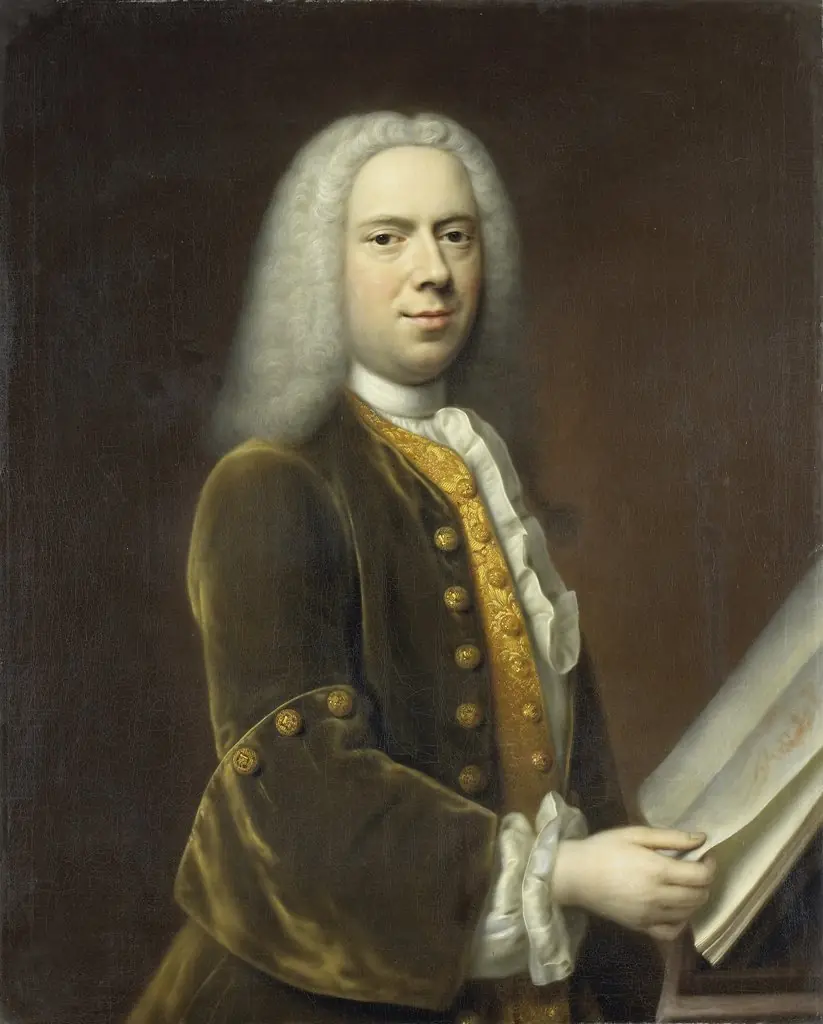 Portrait of a Man, probably Cornelis Troost
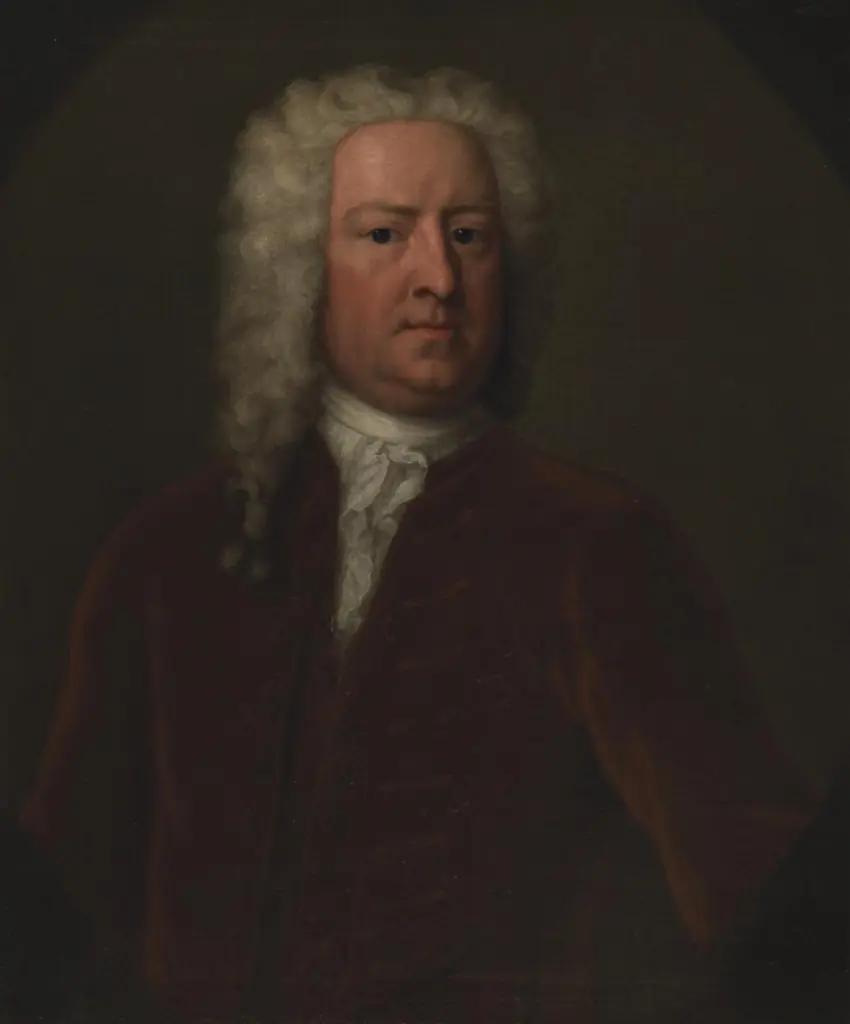 Sir Watkin Williams Wynn Bt.(1692-1749)
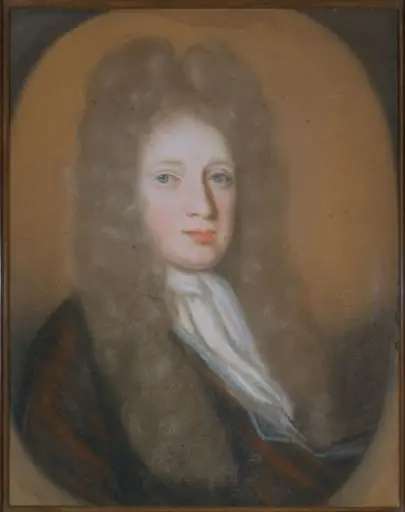 Pierre Bacot
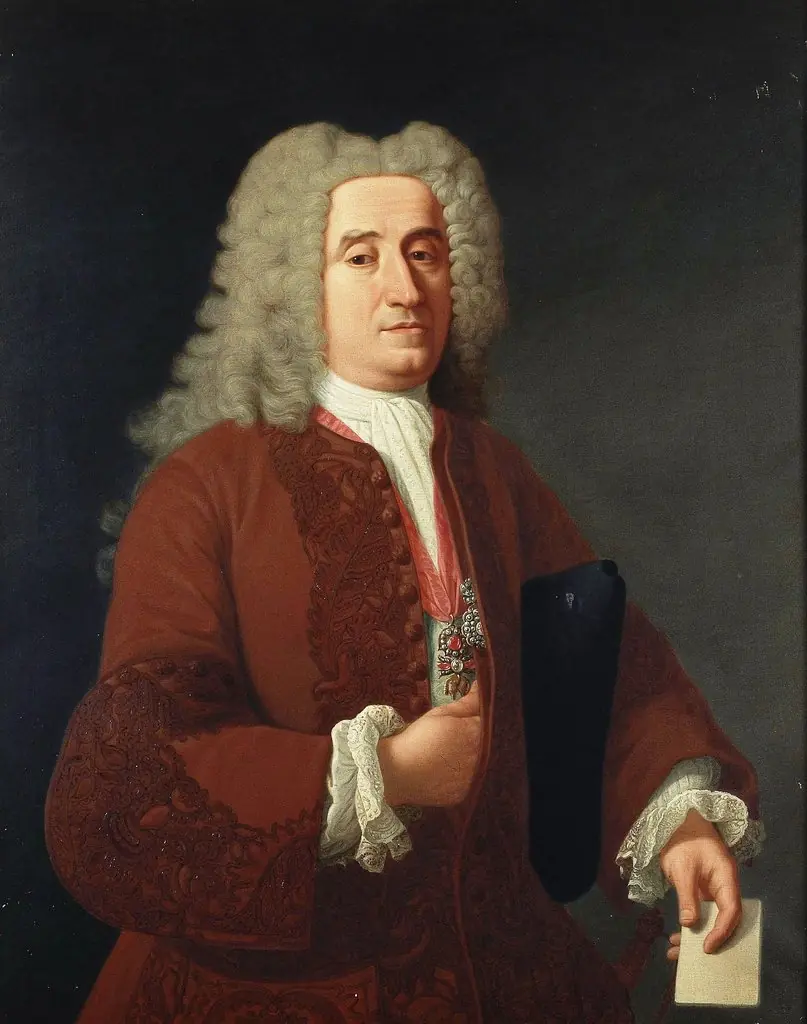 José Patiño Rosales
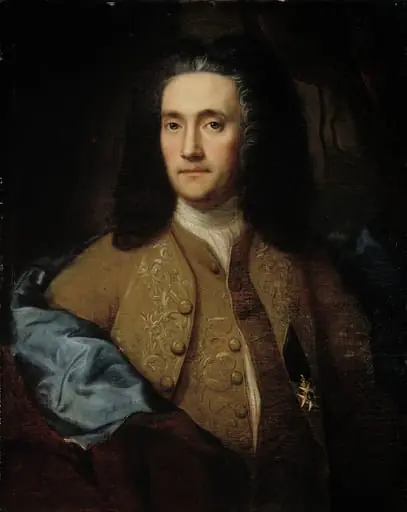 Miehen muotokuva
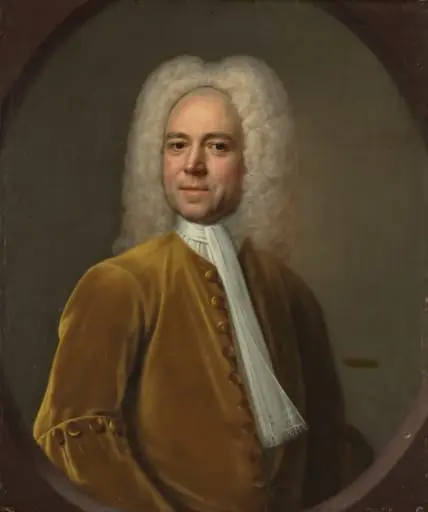 Portrait of a Man
 Portrait of an Elderly Gentleman