Artwork
Portrait of a Man
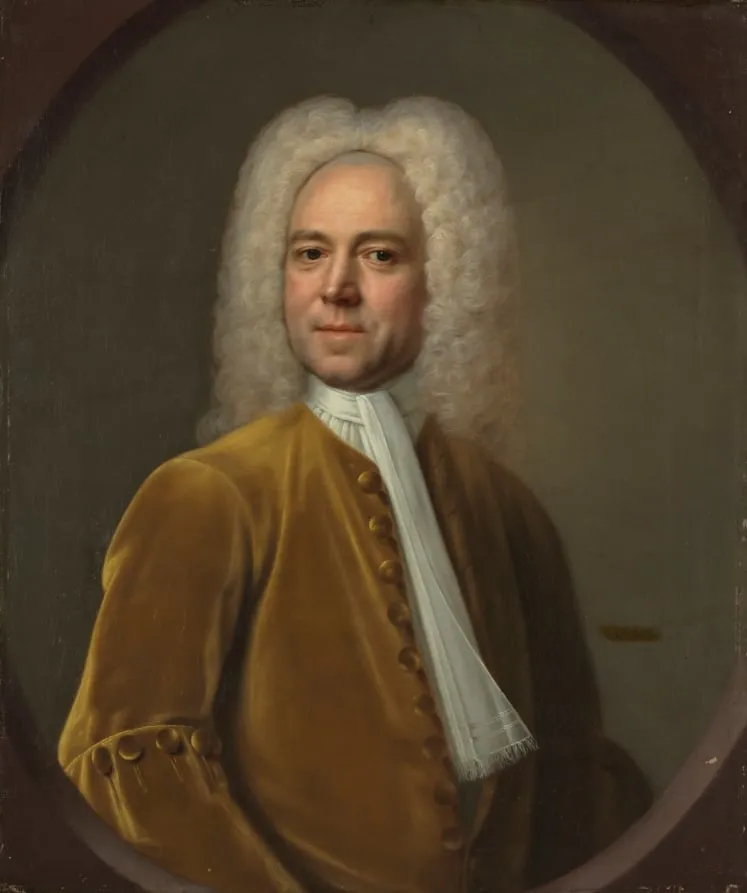
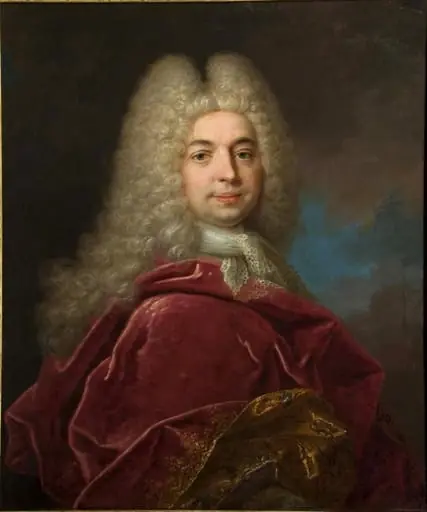
Portrait of a Man is an unspecified painting by the Baroque artist Unknown. It dates from 1730 and is held in the collection of the Cleveland Museum of Art. This oil painting portrays a man in formal 18th-century dress, rendered against a deep, unadorned background.
About this work
He wears a white cravat around his neck, and his right arm is visible, with the cuff of his jacket featuring buttons as well.
This painting depicts a man with long, curly white hair and a yellow velvet jacket adorned with buttons down the front. He wears a white cravat around his neck, and his right arm is visible, with the cuff of his jacket featuring buttons as well.
The man's attire and hairstyle suggest that the painting was created in the 18th century. The use of a dark background and the subject's formal clothing are characteristic of the Baroque style.
If you're interested in learning more about this artistic movement, you might want to explore the Baroque period further.
Overview
This oil painting portrays a man in formal 18th-century dress, rendered against a deep, unadorned background. His attire—yellow velvet jacket with buttoned cuffs, white cravat, and long, curled white hair—reflects the sartorial norms of aristocratic or upper-class men of the period. The composition emphasizes stillness and dignity, typical of portraiture from the late Baroque era.
Subject & Meaning
The identity of the sitter remains unknown, but his clothing and grooming suggest a man of social standing, possibly a nobleman or wealthy professional. The deliberate formality of his pose and attire conveys status and self-possession rather than emotional expression, aligning with conventions of portraiture that valued decorum over individuality.
Technique & Style
The artist employs chiaroscuro to model the figure against the dark ground, enhancing the volume of the velvet jacket and the texture of the cravat. Brushwork is refined but not overly detailed, focusing on the play of light on fabric and hair. The restrained palette and emphasis on texture reflect Baroque tendencies toward dramatic realism without theatrical excess.
History & Provenance
The painting’s origin and early ownership are undocumented. It has no known inscription or signature, and its path from creation to current collection remains unclear. Its preservation suggests it was valued by private collectors, though no record of commission or exhibition history has been established.
Context
Created during the height of Baroque portraiture in Europe, the work aligns with trends in Northern and Central European courts where elaborate dress and controlled composition signaled authority. Similar portraits by artists like Rembrandt or Van Dyck used comparable lighting and fabric treatment, though this piece lacks the psychological depth often found in their work.
Legacy
As an unattributed portrait, it contributes to the broader understanding of 18th-century civilian portraiture outside major artistic centers. It serves as an example of how formal dress and lighting conventions were adapted across regions to convey social identity, even in works by lesser-known hands.
Artist & collection

 Domestic Scene
 Giacomo and Cardinal Marco, investing Andrea, Abbot of San Zeno, with his Benefice
 The Nymph of Fontainebleau
 Portrait of a Woman
 Madonna and Child with Saints in the Enclosed Garden
 Venus and Minerva
 Family Group of Four on Sofa
 Wall painting from Room H of the Villa of P. Fannius Synistor at Boscoreale
 Portrait of a Man
 Self-Portrait
 Portrait of a Man, probably Cornelis Troost
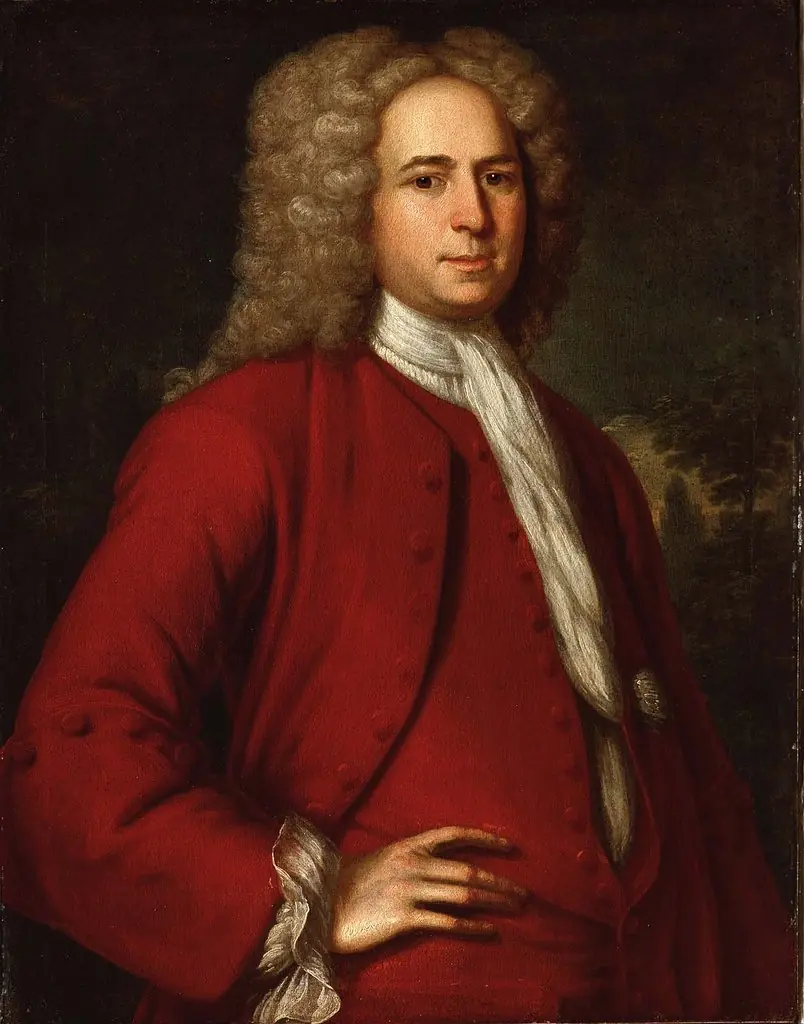 William Dudley
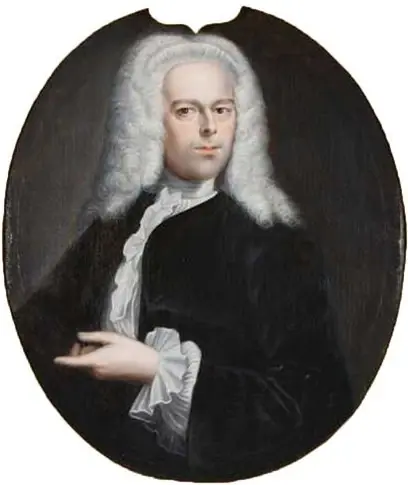 Engelbert van Berckel (1686-1768), gekozen in 1715
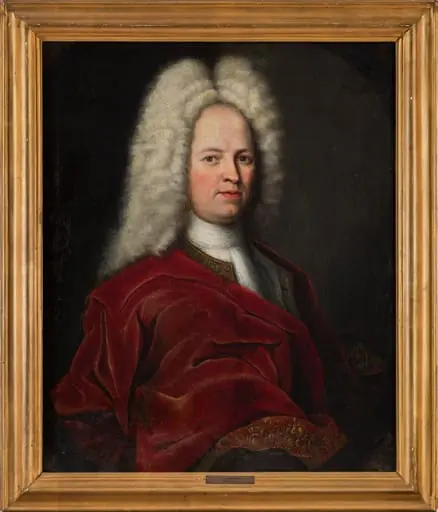 Valtiomies Georg Heinrich von Görtz
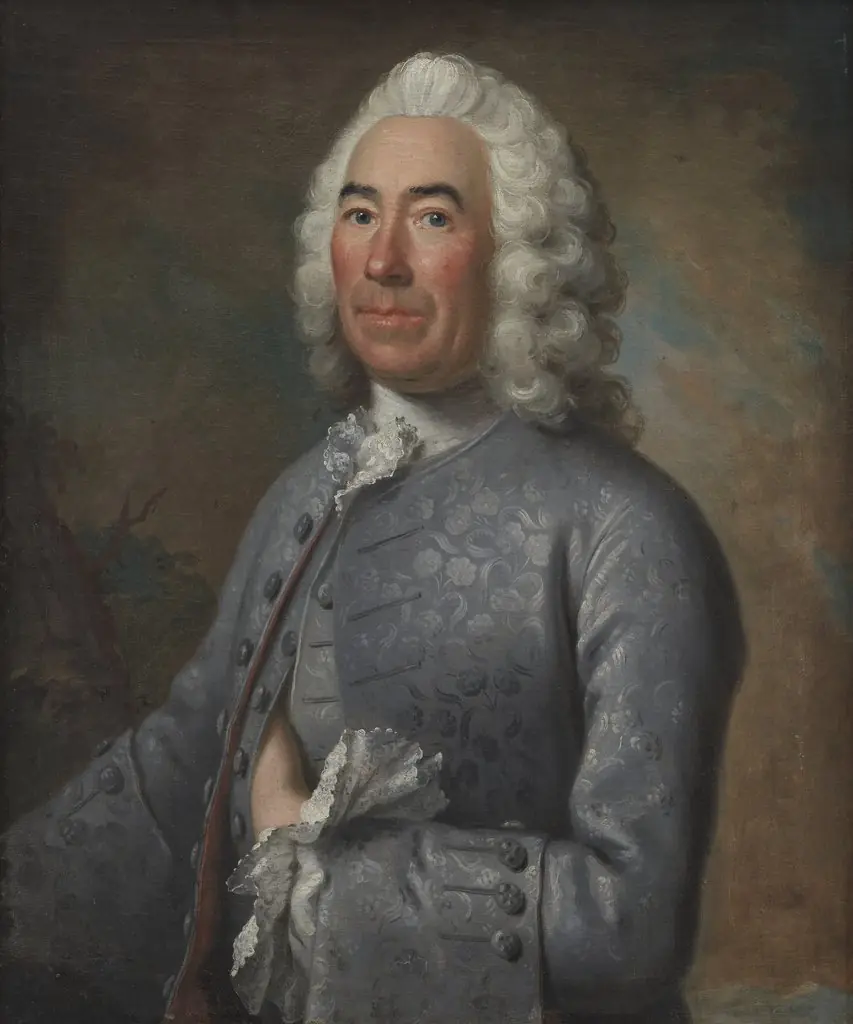 Portrait og an Elderly Gentleman
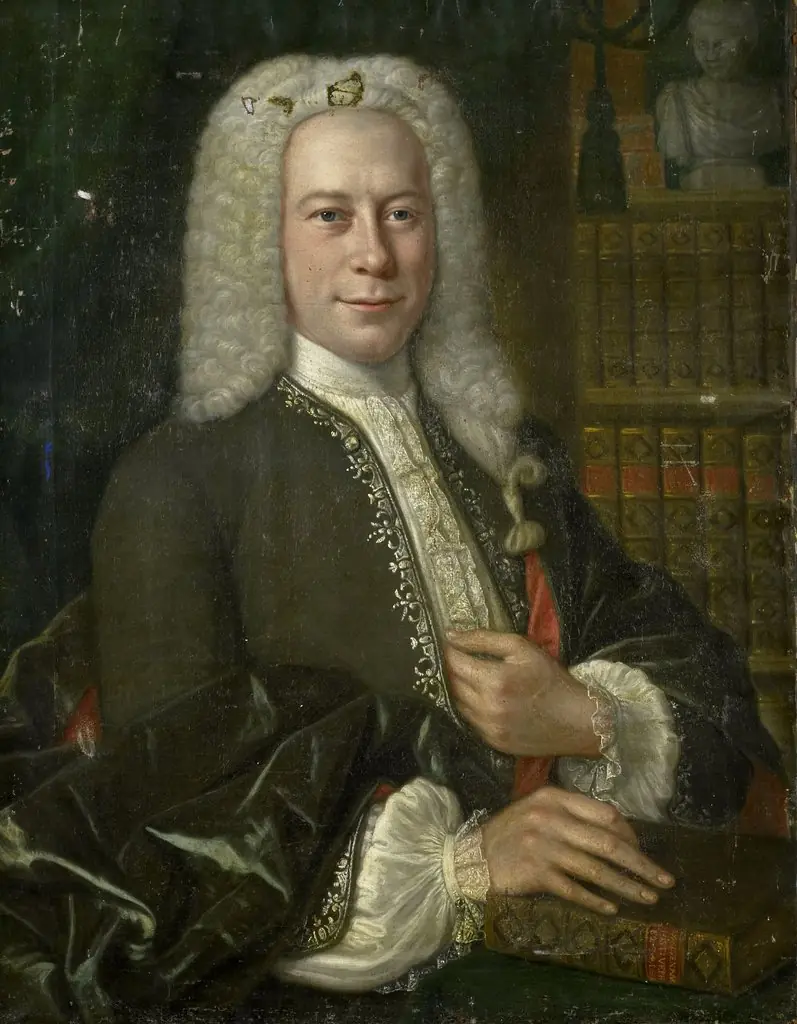 Portrait of an Historian
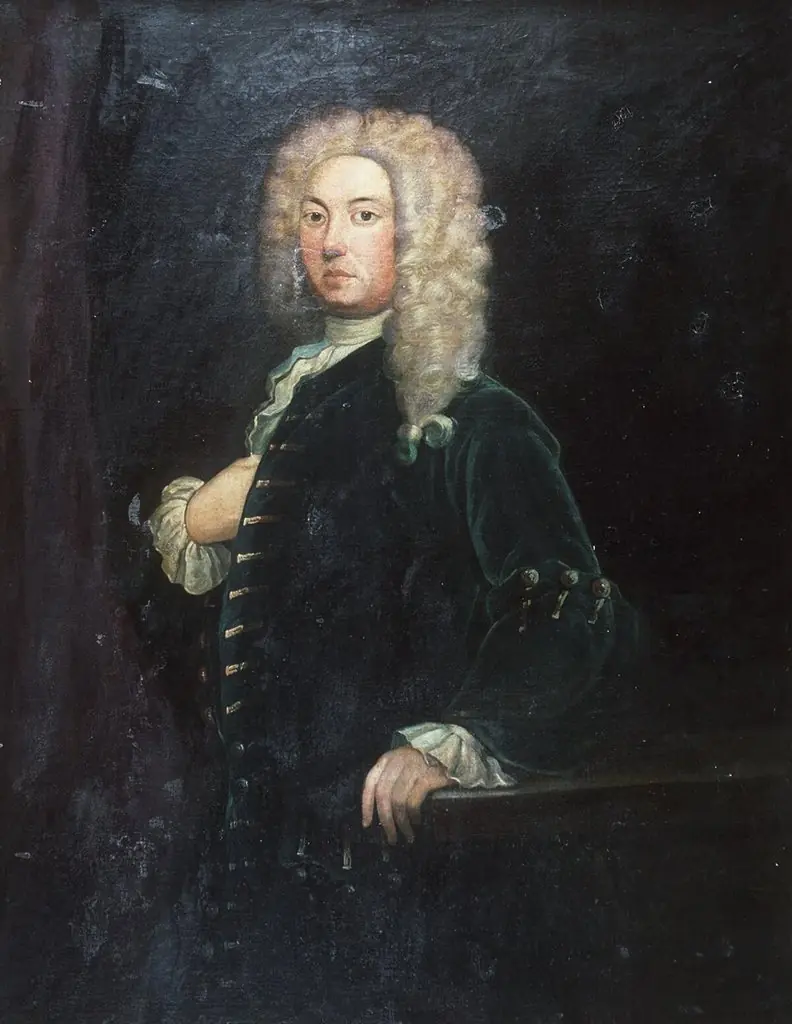 Councillor Richard Lloyd (died 1757)
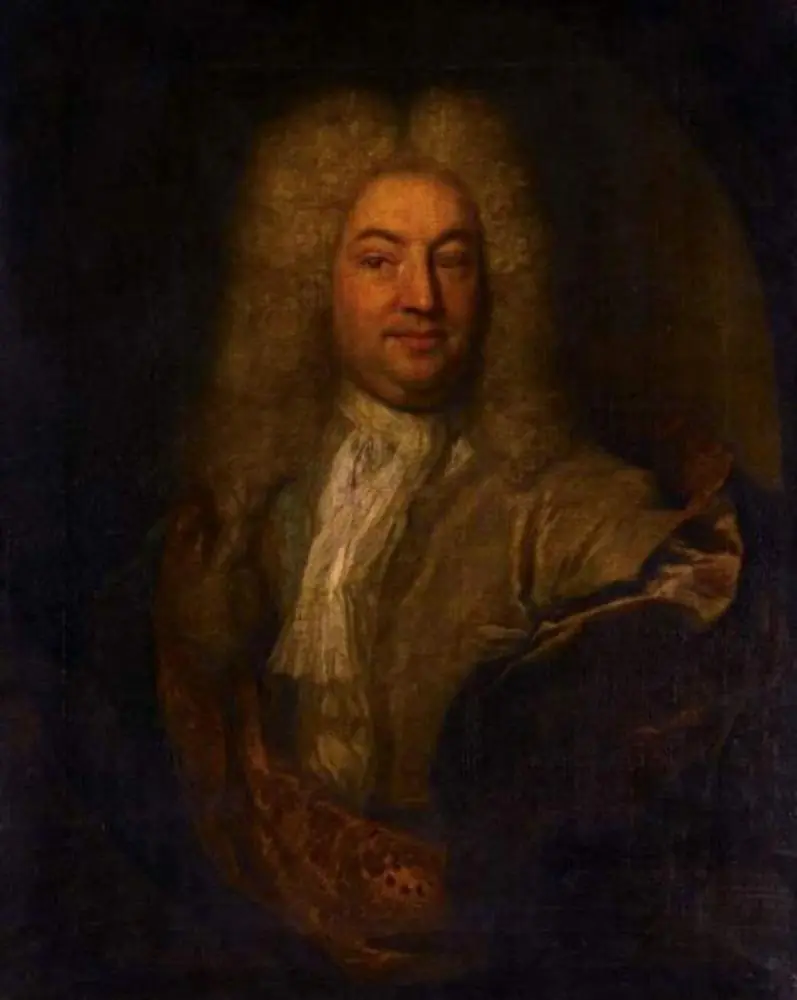 Portrait of Sir Matthew Decker, Bart
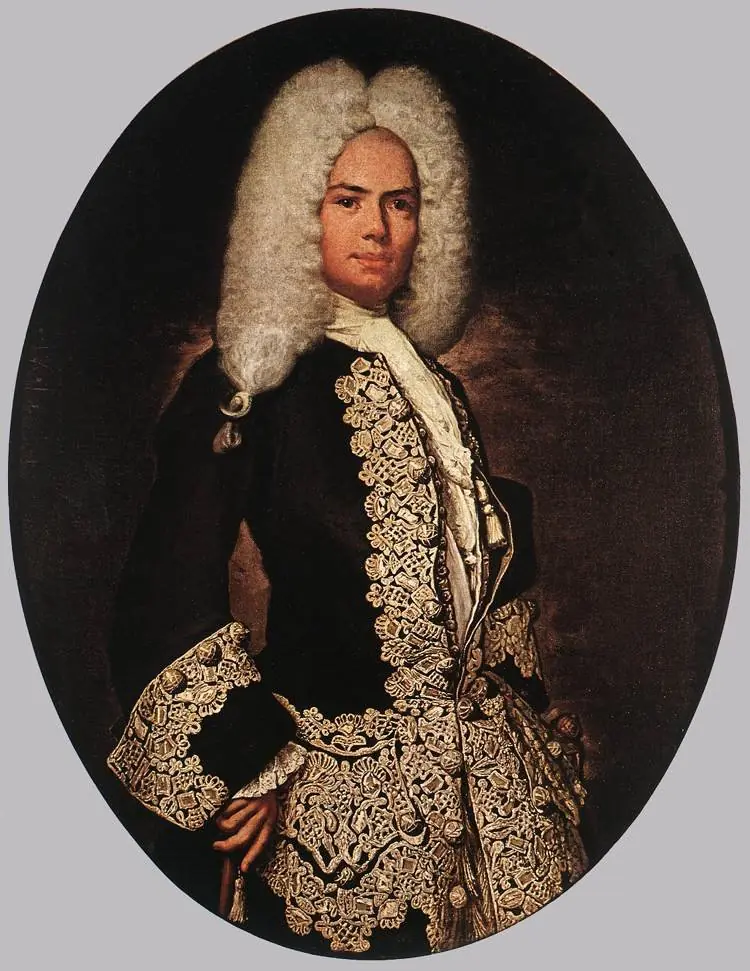 Portrait of Count Flaminio Tassi (?)
 Portret de bărbat