Artwork
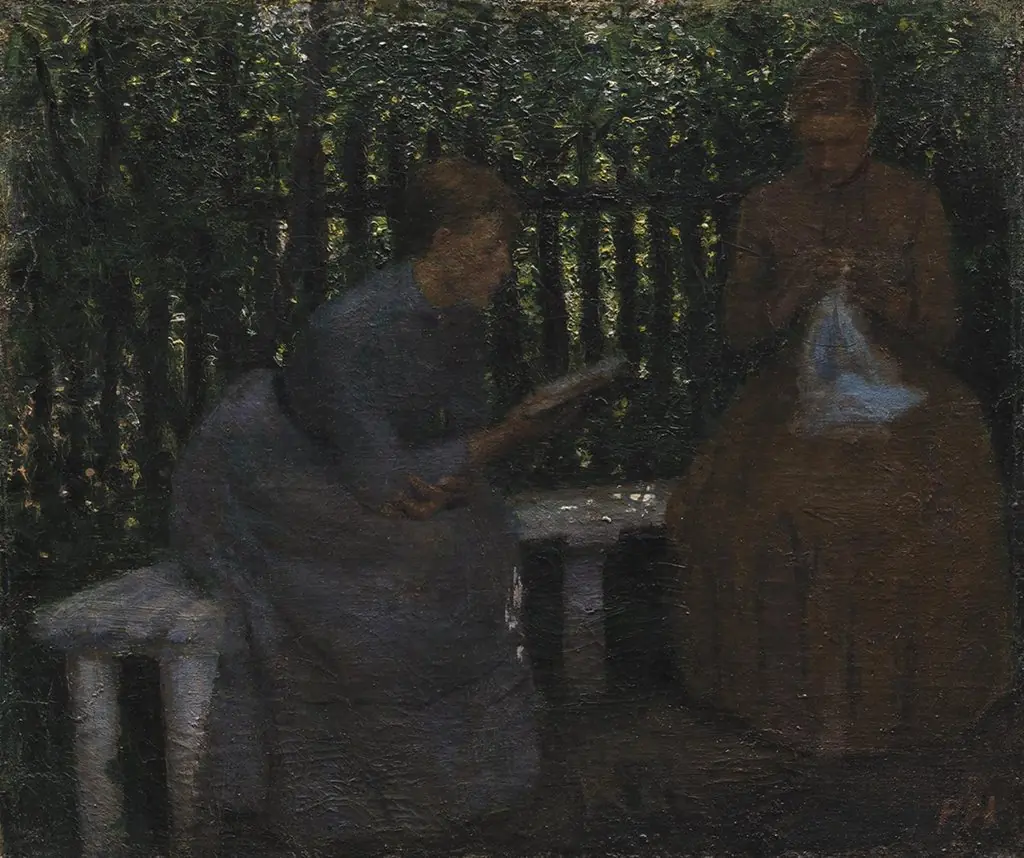
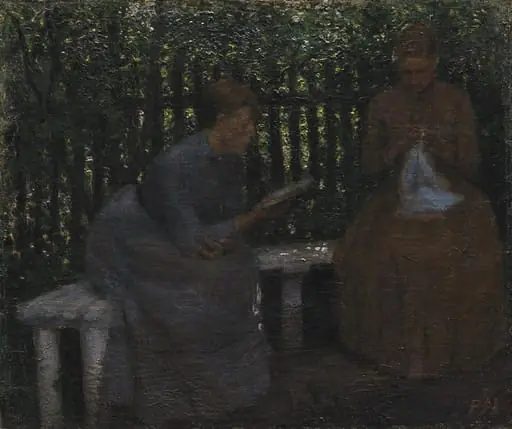
En sommerklædt dame i et lysthus
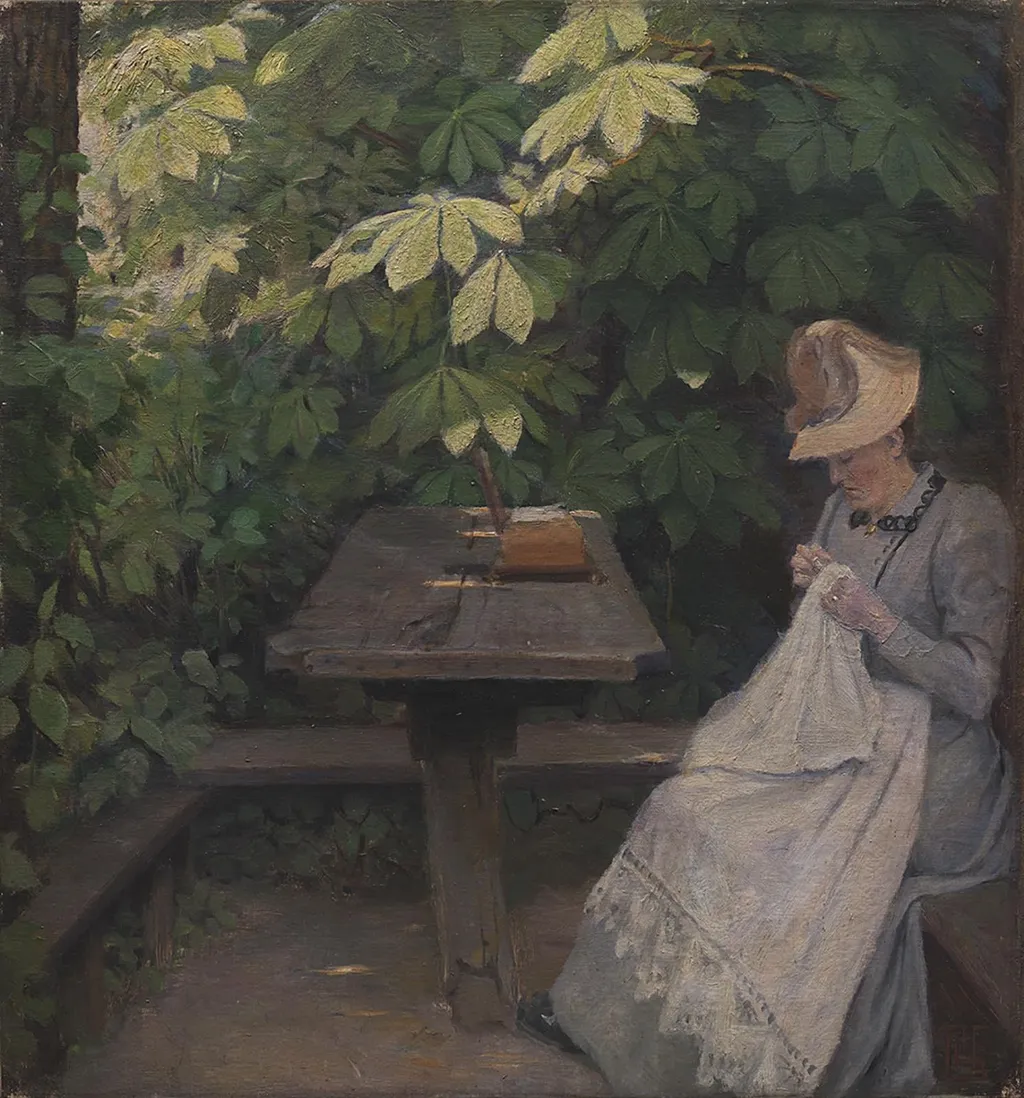
En sommerklædt dame i et lysthus is a photography by the Impressionist artist Unknown. It dates from 1891 and is held in the collection of the Statens Museum for Kunst. Painted in 1891, this work depicts a woman in summer attire within a modest wooden pavilion.
About this work
Overview
The scene captures a quiet, unposed moment, rendered with loose brushwork that emphasizes natural light and atmosphere.
Painted in 1891, this work depicts a woman in summer attire within a modest wooden pavilion. Created by the Danish artist Anna Ancher, it is part of the collection at the Museum of Ethnography. The scene captures a quiet, unposed moment, rendered with loose brushwork that emphasizes natural light and atmosphere. The painting reflects a broader interest in domestic and outdoor leisure among late 19th-century Nordic artists.
Subject & Meaning
The figure, seated calmly in a shaded pavilion, holds a fragment of fabric, suggesting a pause in needlework or a moment of rest. Her attire—a light dress and wide-brimmed hat—indicates a summer outing, likely in a private garden or countryside retreat. The setting conveys intimacy and stillness, avoiding narrative drama in favor of an unembellished glimpse into everyday life, typical of the artist’s focus on personal, domestic spaces.
Technique & Style
The painting employs loose, rapid brushstrokes to convey the play of light through foliage and the texture of fabric. Colors are muted yet harmonious, with soft greens and pale tones dominating the palette. The composition avoids sharp detail, instead favoring atmospheric suggestion. These qualities align with the principles of Nordic Impressionism, where perception of light and mood take precedence over precise representation.
History & Provenance
Created during Anna Ancher’s mature period, the work was produced in Skagen, Denmark, where she and her husband, Michael Ancher, were central figures in the local artist colony. It entered the Museum of Ethnography’s collection in the early 20th century, likely through donation or acquisition from the artist’s estate. Its preservation reflects institutional interest in documenting domestic life in Nordic art.
Context
This painting emerged alongside a broader Scandinavian movement that valued quiet realism and the depiction of ordinary life. Unlike French Impressionism’s urban scenes, Nordic artists often turned to rural and domestic interiors. Ancher’s focus on women in private moments aligned with contemporary shifts in gender roles and the growing cultural emphasis on the home as a site of artistic significance.
Legacy
Anna Ancher’s work, including this piece, helped define a distinctly Nordic approach to Impressionism—one rooted in restraint, naturalism, and intimate observation. Though less widely known internationally than her French counterparts, her influence endures in Danish art education and regional collections. The painting remains a quiet testament to the dignity found in everyday stillness.
Artist & collection

 Domestic Scene
 Giacomo and Cardinal Marco, investing Andrea, Abbot of San Zeno, with his Benefice
 The Nymph of Fontainebleau
 Portrait of a Woman
 Madonna and Child with Saints in the Enclosed Garden
 Venus and Minerva
 Family Group of Four on Sofa
 Wall painting from Room H of the Villa of P. Fannius Synistor at Boscoreale