Artwork
Mrs. James K. Bogert, Jr.
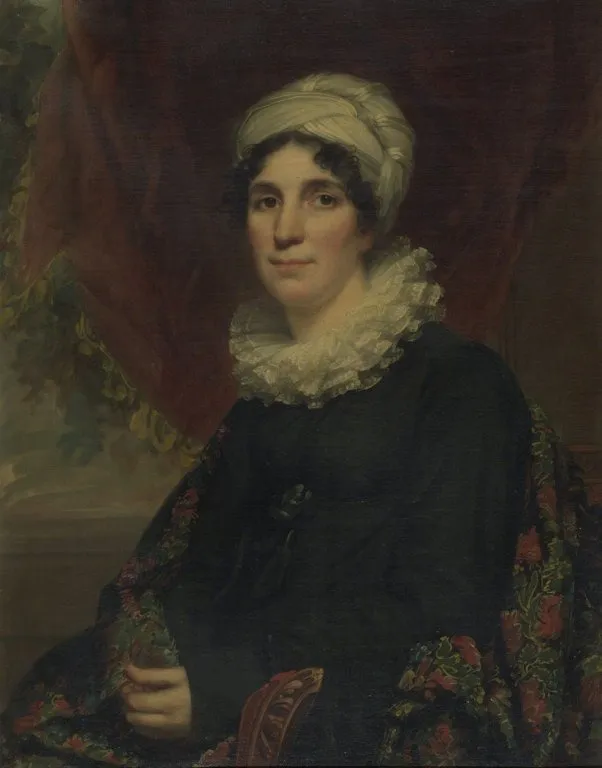
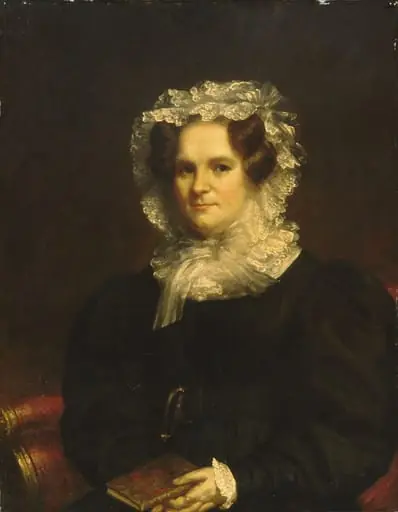
Mrs. James K. Bogert, Jr. is an oil painting by Unknown. It dates from 1819 and is held in the collection of the Brooklyn Museum. This oil painting presents a formal portrait of a woman identified as Mrs.
About this work
Overview
This oil painting presents a formal portrait of a woman identified as Mrs. James K. Bogert, Jr. Rendered in muted tones, the composition centers on her poised figure against a dark, curtained background. The interplay of light and shadow emphasizes her facial features and hands, establishing a quiet intensity that defines the work’s restrained elegance.
Subject & Meaning
The subject is depicted in formal attire—a black dress, white ruffled collar, and a floral-patterned shawl—suggesting both mourning and social propriety.
The subject is depicted in formal attire—a black dress, white ruffled collar, and a floral-patterned shawl—suggesting both mourning and social propriety. The white head covering, paired with visible dark hair beneath, implies cultural or religious convention. Her hand resting on the shawl conveys a subtle gesture of composure, reinforcing an atmosphere of dignified reserve rather than emotional display.
Technique & Style
The artist employs chiaroscuro to model the figure with subtle gradations of light, enhancing the three-dimensionality of the face and hands. The dark background, accented by a deep red curtain, isolates the subject and directs focus inward. Brushwork is controlled and precise, avoiding ornamentation in favor of tonal harmony and spatial clarity.
History & Provenance
The painting was commissioned to commemorate Mrs. James K. Bogert, Jr., likely during the late 19th or early 20th century. It remained within the Bogert family for generations before entering institutional collection. Documentation confirms its origin as a private portrait, reflecting the tastes and social standing of its subject’s household.
Context
Portraits of women during this period often emphasized modesty, status, and moral character through dress and posture. The somber palette and formal composition align with conventions of American academic portraiture, where emotional restraint was valued over theatricality. The inclusion of a shawl and head covering may reflect contemporary norms around female decorum in domestic or public life.
Legacy
The painting endures as a quiet example of early 20th-century American portraiture, notable for its psychological stillness and technical discipline. While not widely exhibited, it contributes to the understanding of how private commissions reflected societal expectations of gender, class, and mourning in its time.
Artist & collection

 Domestic Scene
 Giacomo and Cardinal Marco, investing Andrea, Abbot of San Zeno, with his Benefice
 The Nymph of Fontainebleau
 Portrait of a Woman
 Madonna and Child with Saints in the Enclosed Garden
 Venus and Minerva
 Family Group of Four on Sofa
 Wall painting from Room H of the Villa of P. Fannius Synistor at Boscoreale
 Mrs. Owen, Penymynydd
 Lady Delves Broughton
 Sarah McCall, Mrs Alexander Bonar
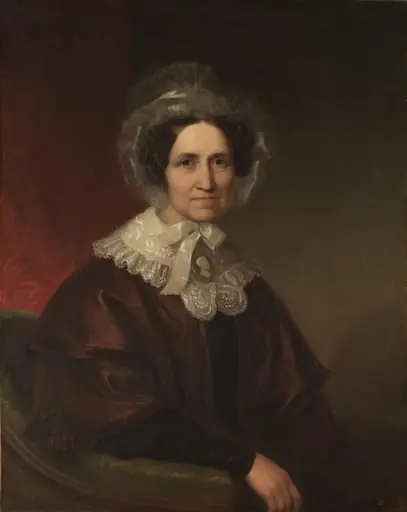 Sarah Eliot Scoville
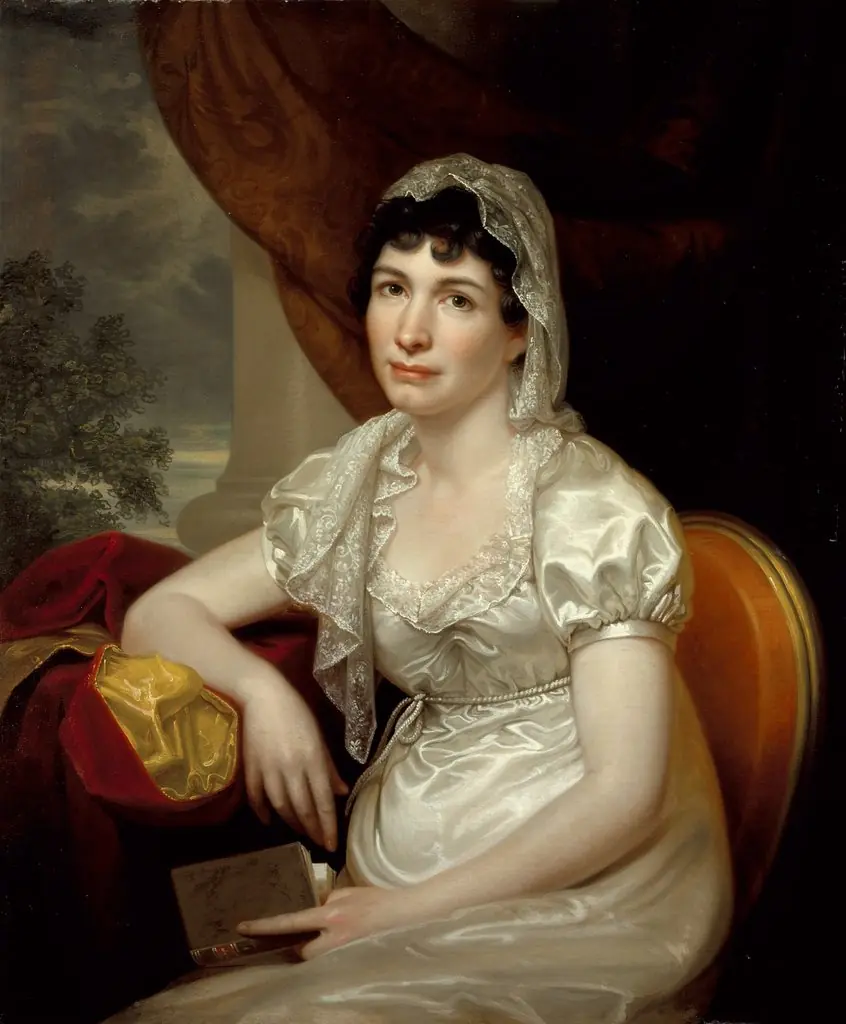 Portrait of Jane Griffith Koch
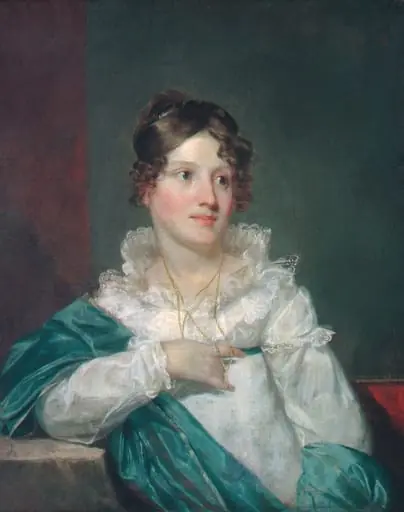 Mrs. Daniel DeSaussure Bacot
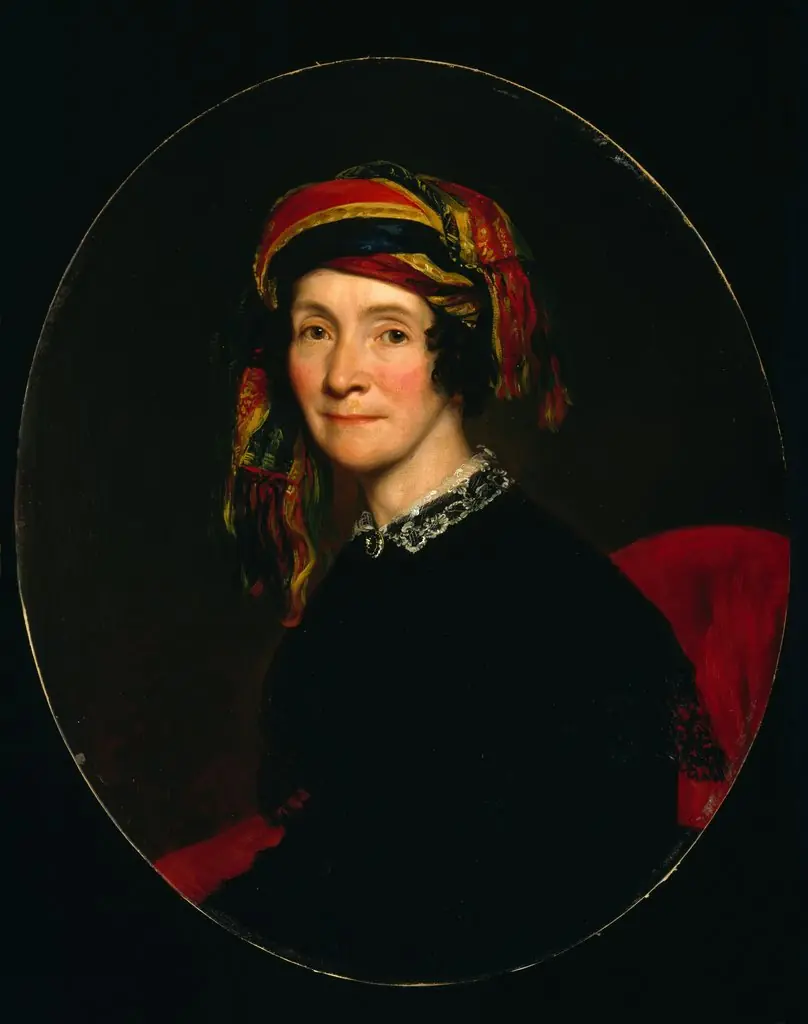 Portrait of Mrs. Jonathan Russell (Lydia Smith, 1786–1859)
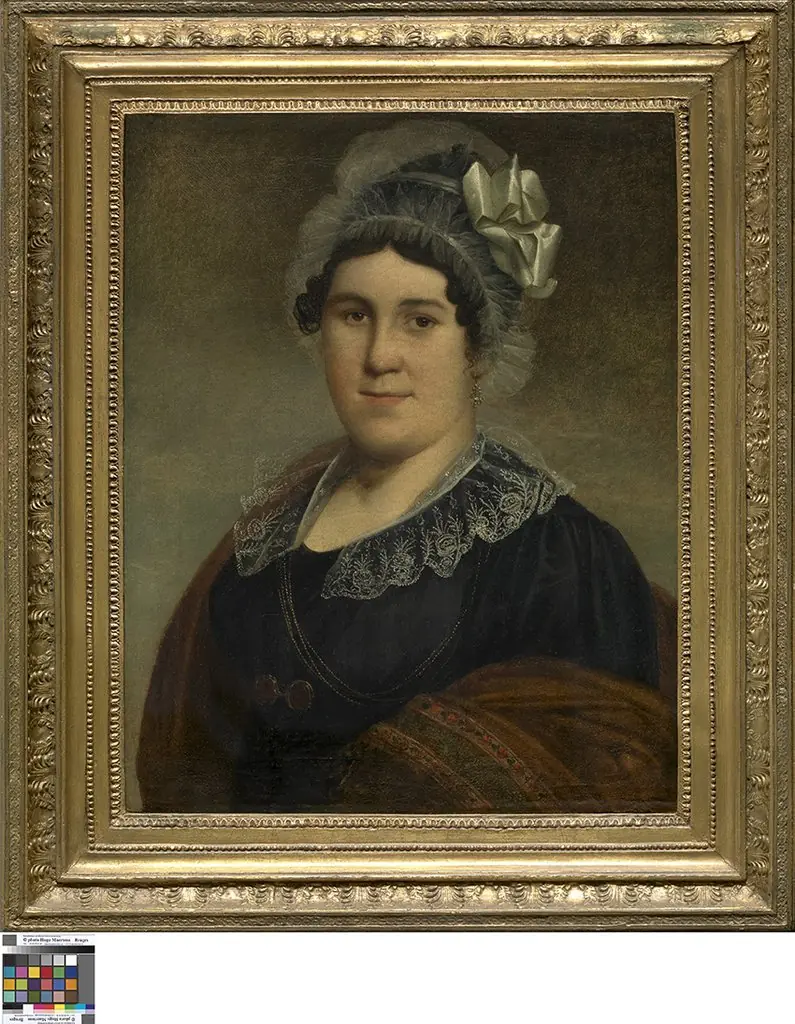 Portret van Isabella van Lutsenborgh, echtgenote van Jacobus Dumery
 Portrait of Mrs Cregan (Jane Schwerzell)
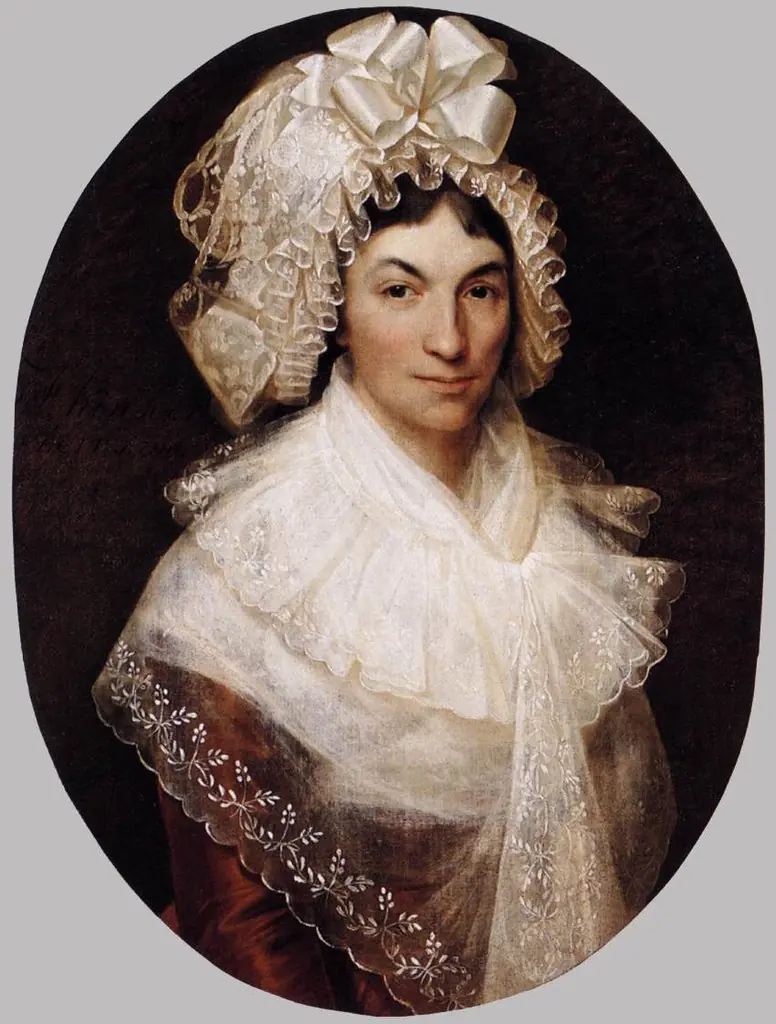 Portret van Jeanne Bauwens-van Peteghem
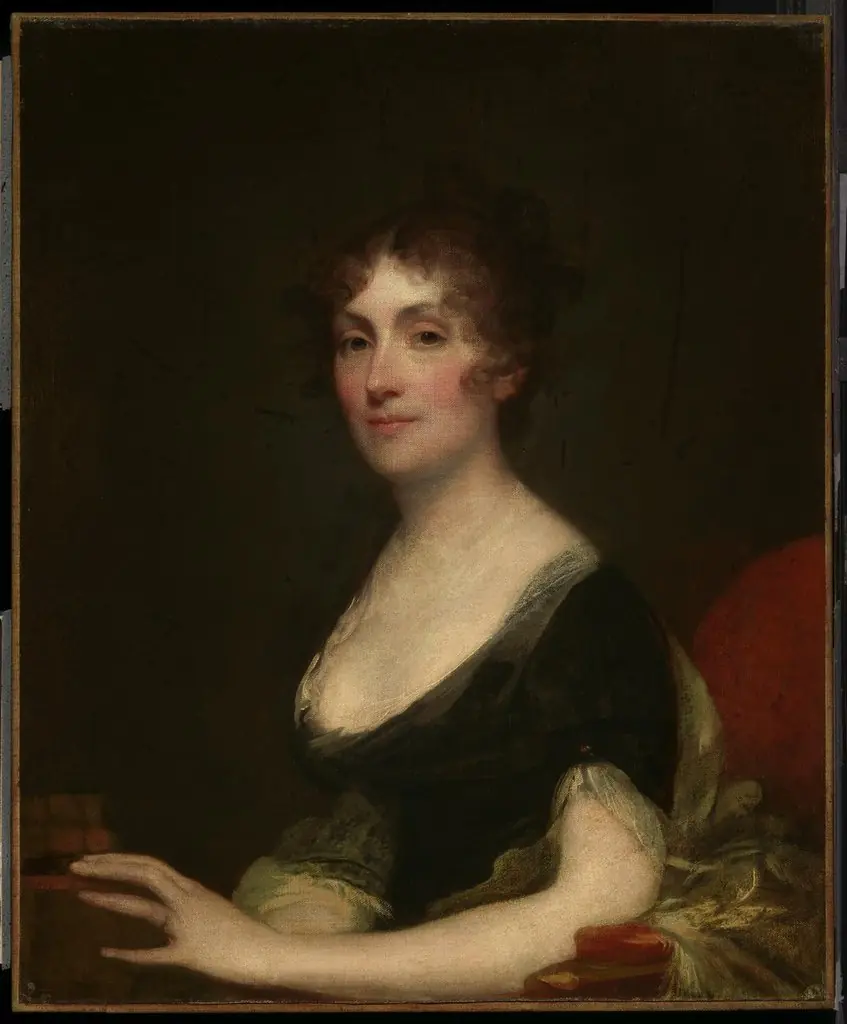 Mrs. Perez Morton (Sarah Wentworth Apthorp)
 Mrs. Edward Kellogg