Artwork
En gammel tigger ved døren får almisse af husets børn
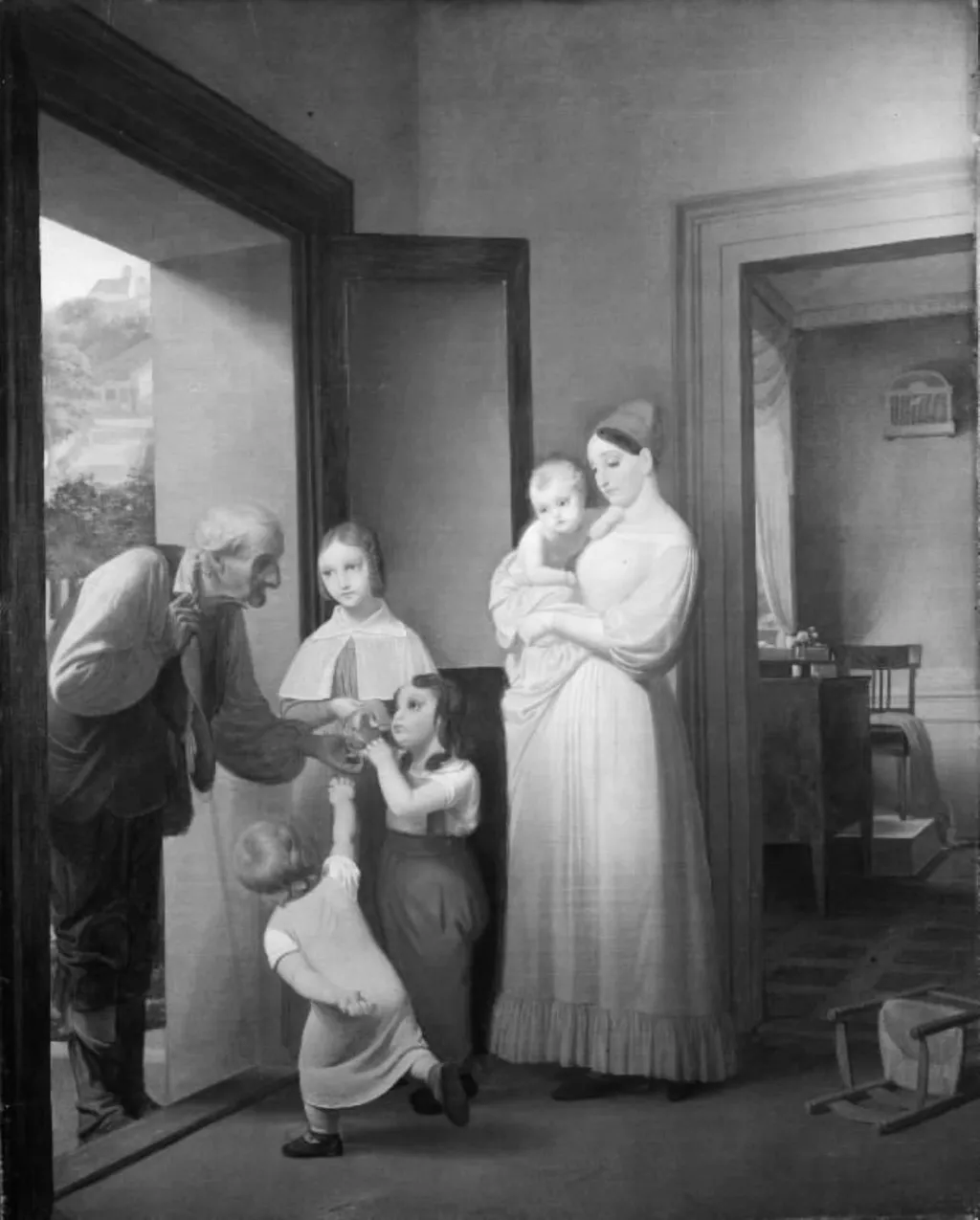
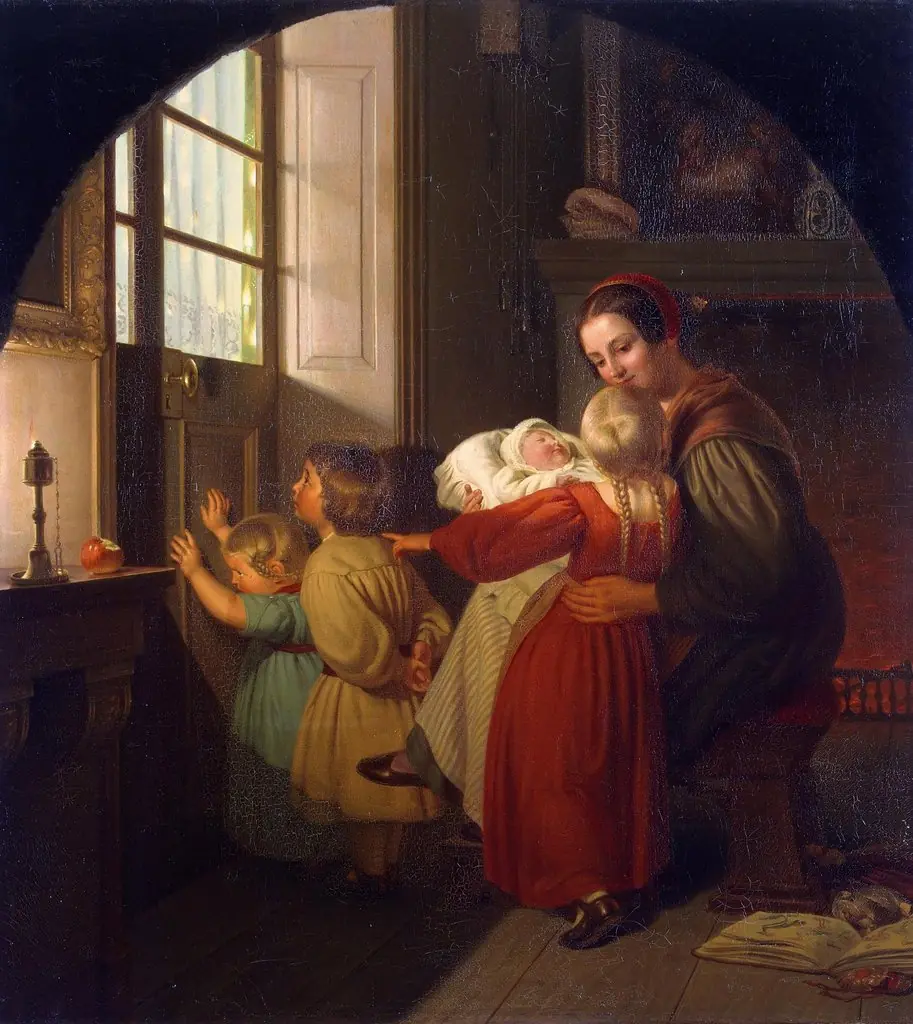
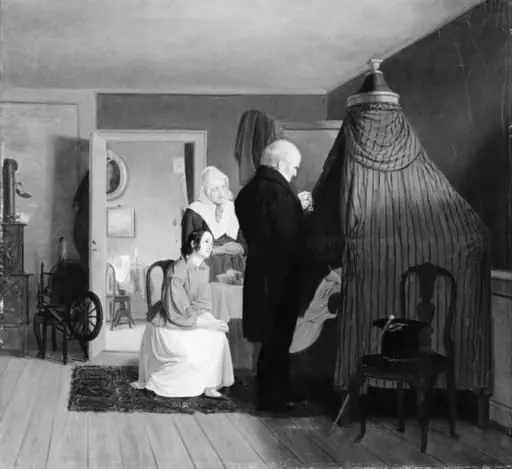
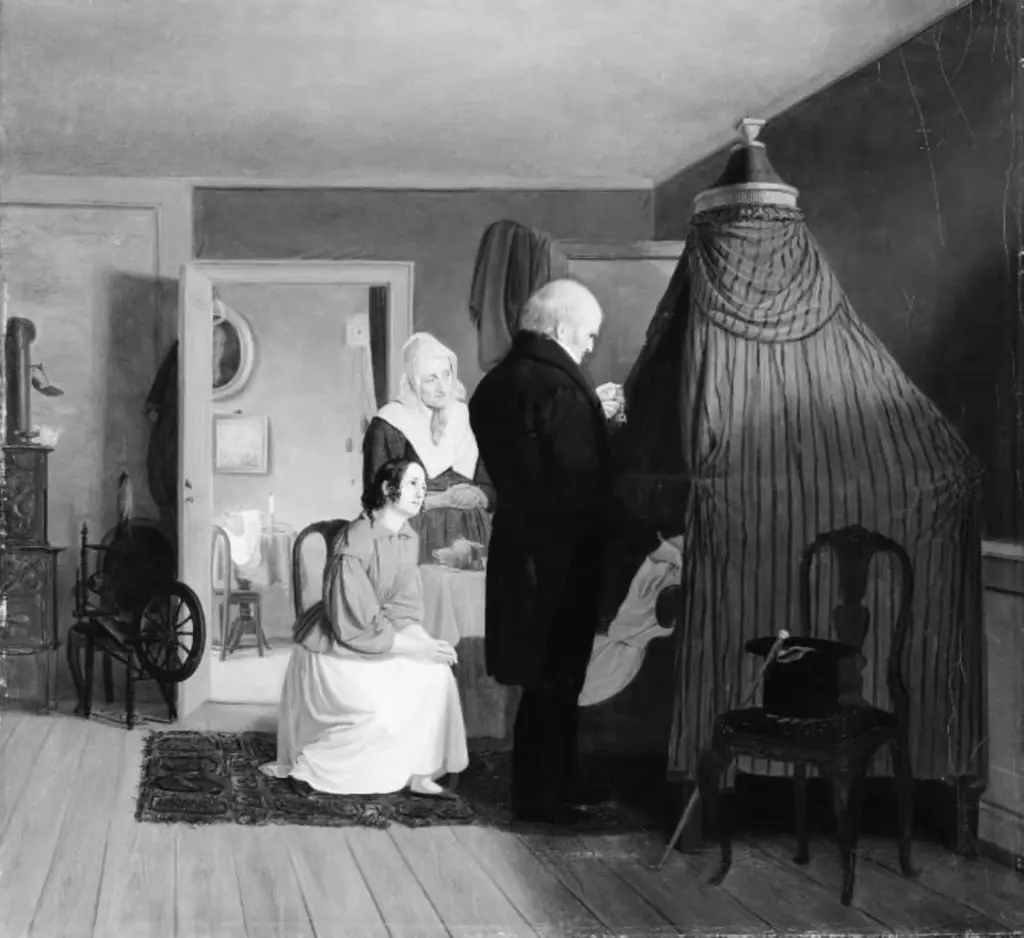
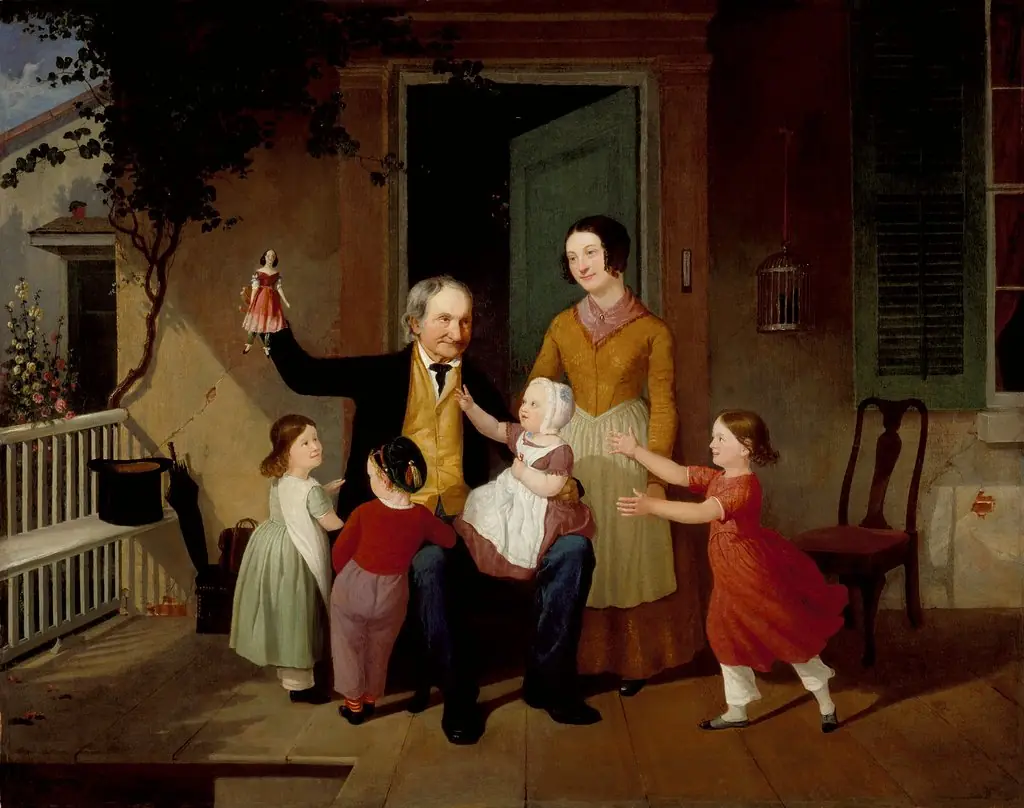
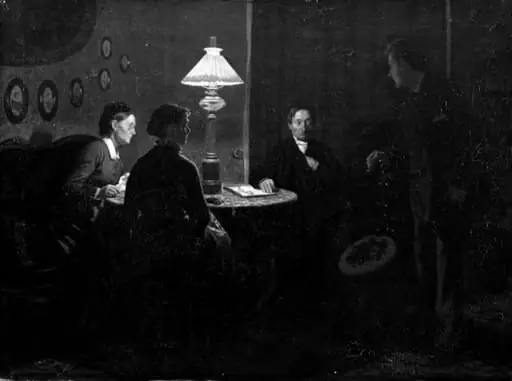
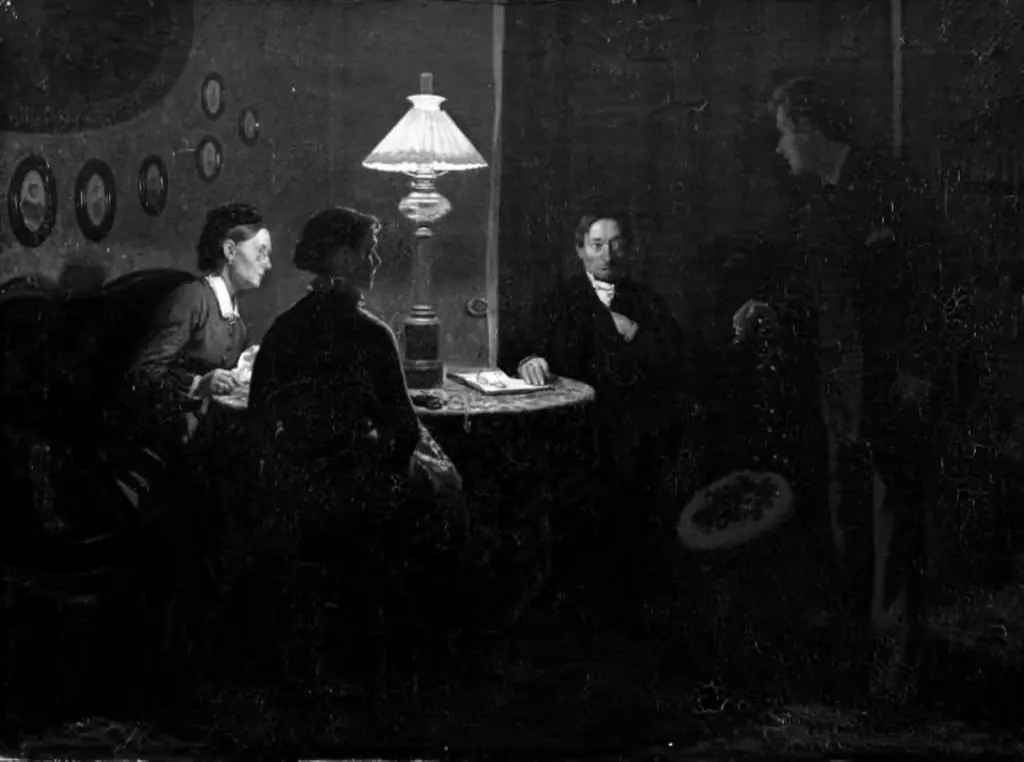
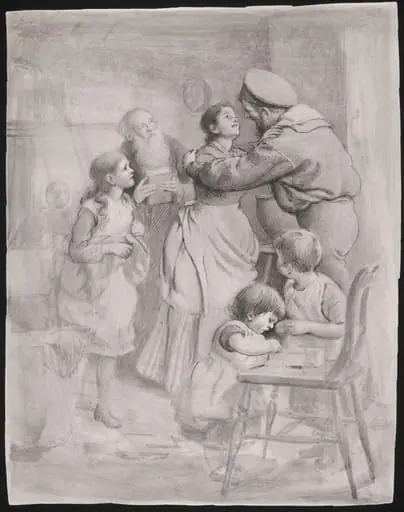
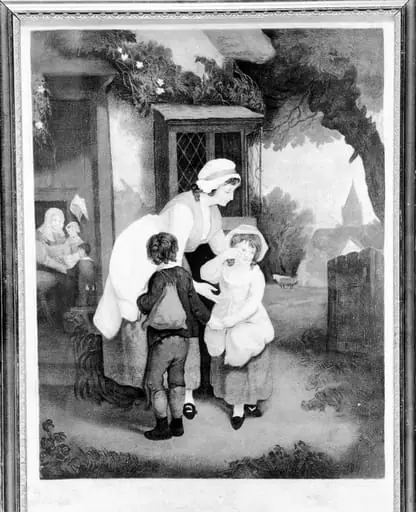
En gammel tigger ved døren får almisse af husets børn is a photography by Unknown. It dates from 1850 and is held in the collection of the Statens Museum for Kunst. Painted around 1850, this work depicts a moment of quiet generosity in a modest home.
About this work
Overview
Painted around 1850, this work depicts a moment of quiet generosity in a modest home. An elderly beggar stands at the threshold, receiving an offering from children inside. The scene is rendered with careful attention to domestic detail and human interaction, reflecting a common theme in 19th-century Nordic genre painting: everyday acts of compassion within the household.
Subject & Meaning
The act suggests moral instruction embedded in domestic life, emphasizing empathy and the transmission of kindness across generations.
The painting captures a transient act of charity, where children, not adults, initiate the gesture of giving. The beggar, cloaked in dark, worn garments, stands passively at the door, while the children, dressed in lighter tones, gather around him with curiosity and tenderness. The act suggests moral instruction embedded in domestic life, emphasizing empathy and the transmission of kindness across generations.
Technique & Style
The artist employs a restrained realism, with precise rendering of fabric textures, facial expressions, and interior furnishings. Light falls selectively across the figures, creating subtle contrasts that draw focus to the exchange between the beggar and the children. The composition is tightly framed, anchoring the viewer’s attention on the threshold — a symbolic boundary between need and provision.
History & Provenance
The painting entered the collection of the Museum of Ethnography in the late 19th or early 20th century, likely acquired as part of a broader effort to document social customs and domestic life in Scandinavia. Its attribution to the artist 685_person remains tentative, as records from the period are incomplete, but stylistic analysis aligns it with regional genre painters of the mid-1800s.
Context
In mid-19th century Denmark and Norway, urban poverty was increasingly visible, and charitable acts were often framed as moral duties, especially within the home. This painting reflects a cultural emphasis on familial responsibility and the education of children in benevolence, mirroring contemporary literature and religious teachings that idealized domestic virtue.
Legacy
Though not widely exhibited beyond regional collections, the work contributes to a visual record of how charity was perceived in Nordic households during industrialization. It stands as a quiet testament to the role of children in sustaining social ethics, offering a counterpoint to more dramatic depictions of poverty in contemporary art.
Artist & collection

 Domestic Scene
 Giacomo and Cardinal Marco, investing Andrea, Abbot of San Zeno, with his Benefice
 The Nymph of Fontainebleau
 Portrait of a Woman
 Madonna and Child with Saints in the Enclosed Garden
 Venus and Minerva
 Family Group of Four on Sofa
 Wall painting from Room H of the Villa of P. Fannius Synistor at Boscoreale