Artwork
Det lykkelige Skibbrud, IV akt, 6. scene
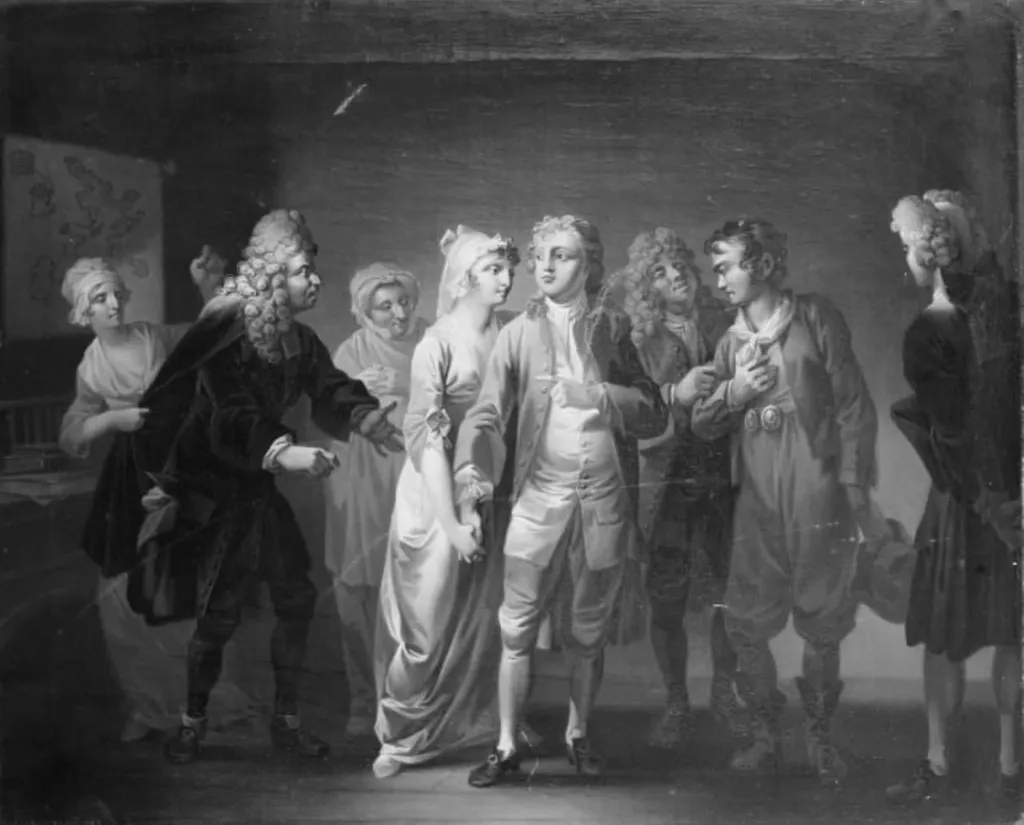
Det lykkelige Skibbrud, IV akt, 6. scene is a photography by the Romanticist artist Unknown. It dates from 1813 and is held in the collection of the Statens Museum for Kunst.
About this work
Overview
The image documents a theatrical performance, not a painted composition, and is preserved in the collection of the Museum of Ethnography.
This black-and-white photograph captures a stage scene from the fourth act, sixth scene of the play Det lykkelige Skibbrud, created in 1813 by the Danish playwright Johan Herman Wessel. The image documents a theatrical performance, not a painted composition, and is preserved in the collection of the Museum of Ethnography. It records a moment of ensemble drama, frozen in time through early photographic means.
Subject & Meaning
The scene illustrates a pivotal moment in the comedic play, where a group of characters gathers around a document, likely revealing a twist in the plot. The central figure holding the paper and another gesturing emphatically suggest revelation or confrontation. The title, meaning 'The Happy Shipwreck,' hints at a resolution born from apparent disaster — a common trope in 18th-century Danish comedy, blending irony with emotional clarity.
Technique & Style
The image is a photographic record, rendered in monochrome, capturing the actors in period costume with precise detail. Lighting is subdued, emphasizing the figures against a dark, curtained backdrop. The composition is tightly framed, focusing attention on the group’s physical proximity and expressive gestures, reflecting the theatrical conventions of the time rather than cinematic or painterly techniques.
History & Provenance
The photograph originates from a 19th-century Danish theater production and was later acquired by the Museum of Ethnography as part of its documentation of cultural performance. Its preservation reflects early efforts to archive theatrical traditions, particularly those tied to national literary works. The image serves as a material trace of a performance now lost to time.
Context
The play was written during a period when Danish theater was cultivating a national identity through satire and moral comedy. Romanticism’s emphasis on emotion and narrative was beginning to influence stagecraft, even in comedic forms. This scene, with its heightened gestures and clustered composition, aligns with the period’s shift toward more expressive, psychologically charged performances.
Legacy
As a rare surviving visual record of early 19th-century Danish theater, the photograph offers insight into performance practices and costume design of the era. It remains a key artifact for scholars studying the transition from Enlightenment-era comedy to more emotionally resonant dramatic forms in Nordic culture.
Artist & collection

 Domestic Scene
 Giacomo and Cardinal Marco, investing Andrea, Abbot of San Zeno, with his Benefice
 The Nymph of Fontainebleau
 Portrait of a Woman
 Madonna and Child with Saints in the Enclosed Garden
 Venus and Minerva
 Family Group of Four on Sofa
 Wall painting from Room H of the Villa of P. Fannius Synistor at Boscoreale
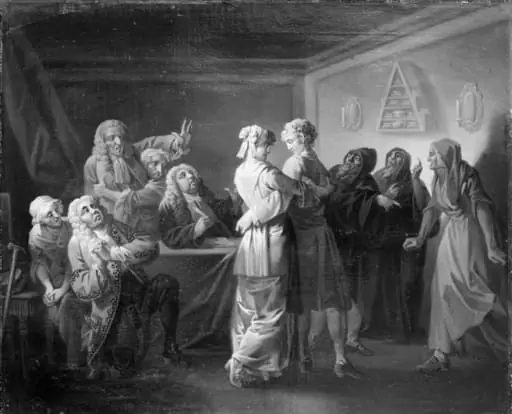 Pernilles korte Frøkenstand, III akt, 7. scene
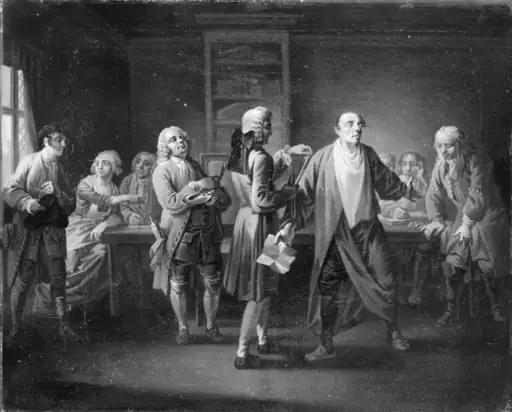 Den Stundesløse, I akt, 6. scene
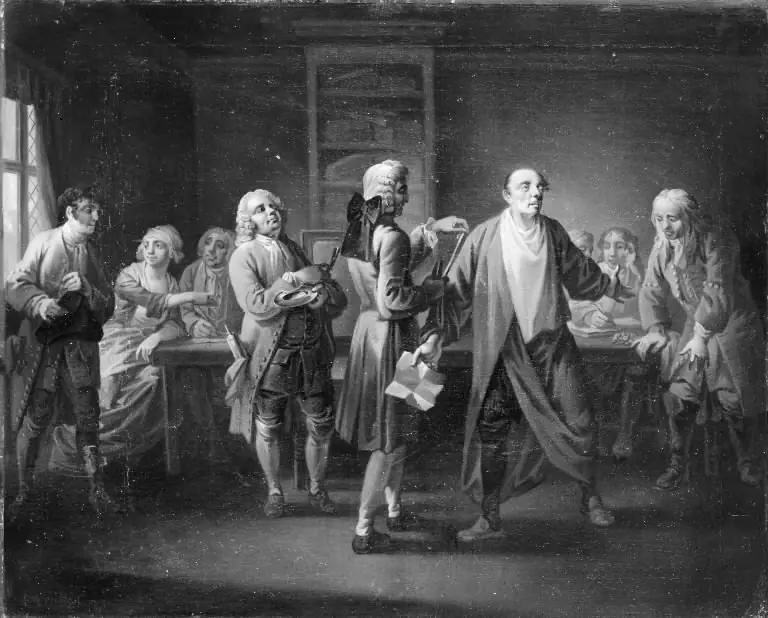 Den Stundesløse, I akt, 6. scene
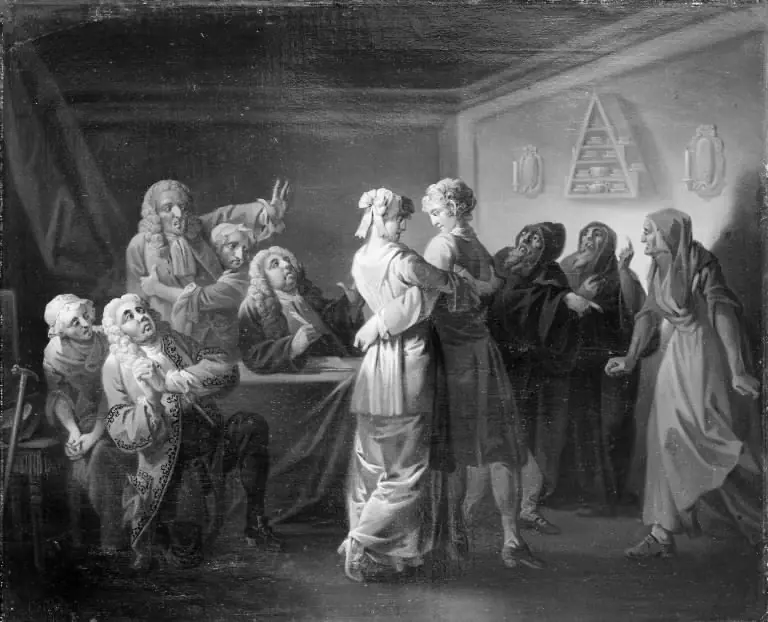 Pernilles korte Frøkenstand, III akt, 7. scene
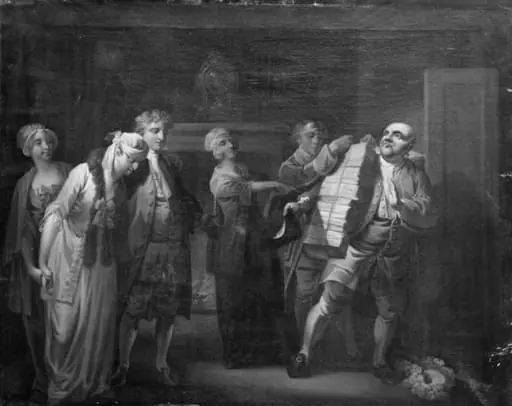 Republikken eller Det gemene Bedste, III akt, 10. scene
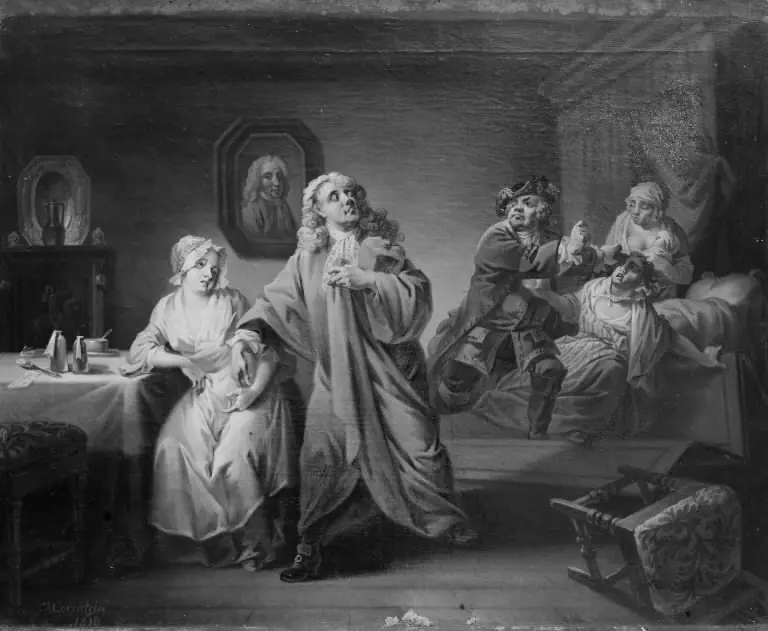 Barselstuen, III akt, 6. scene
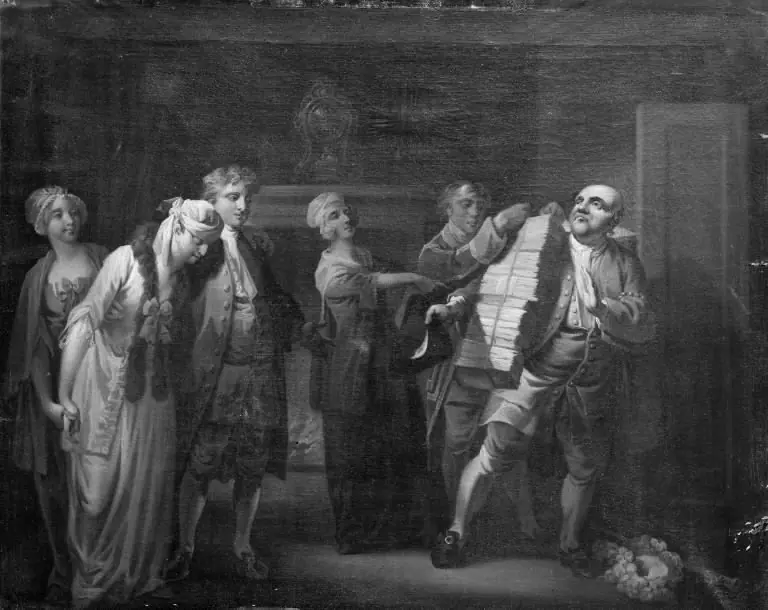 Republikken eller Det gemene Bedste, III akt, 10. scene
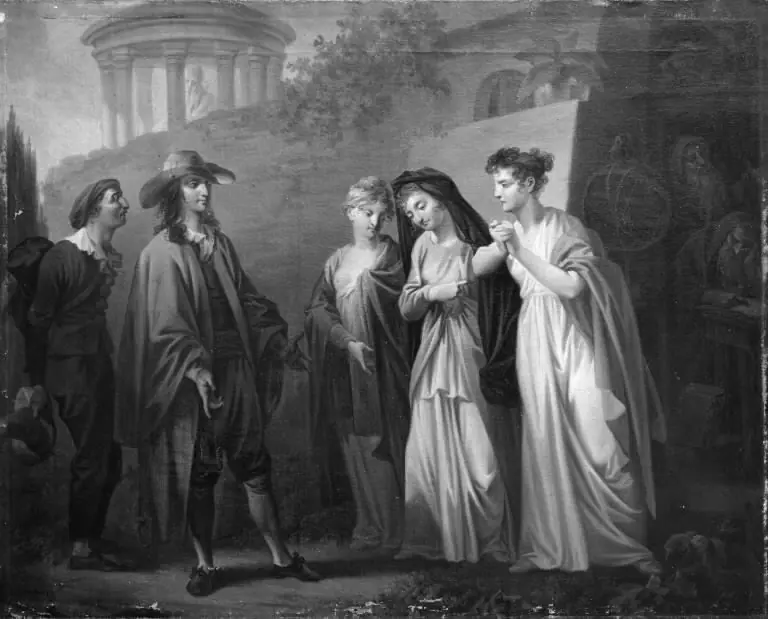 Sganarels Rejse til det philosophiske Land, 9. scene
 Sganarels Rejse til det philosophiske Land, 9. scene
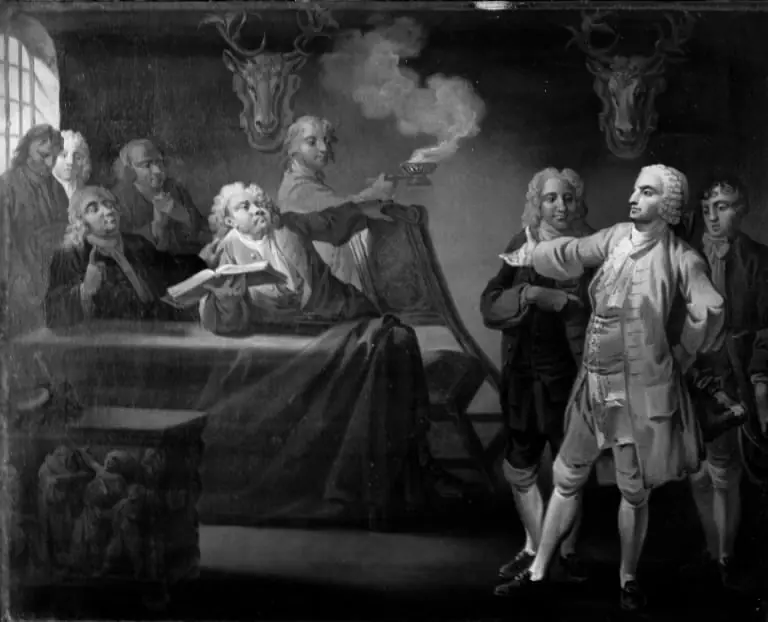 Hekserie eller blind Alarm, V. akt, 1. scene
 Hekserie eller blind Alarm, V. akt, 1. scene