Artwork
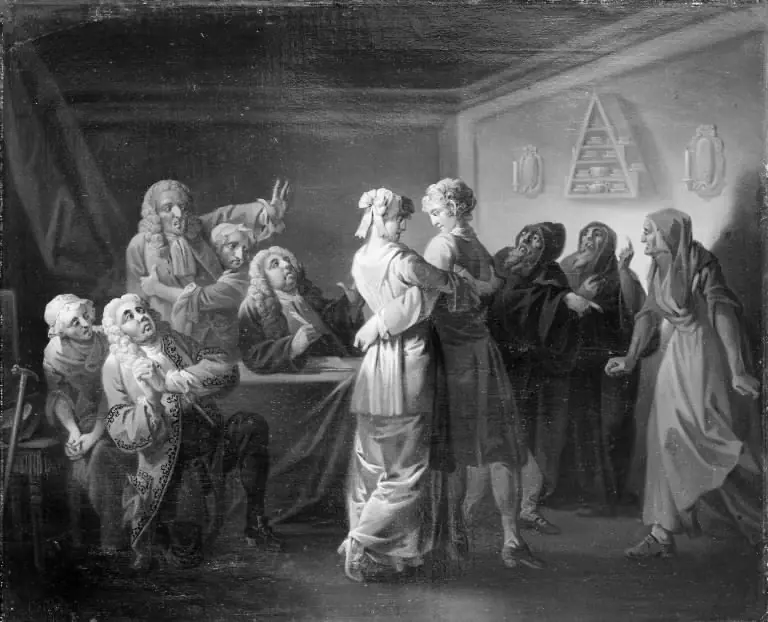
Hekserie eller blind Alarm, V. akt, 1. scene
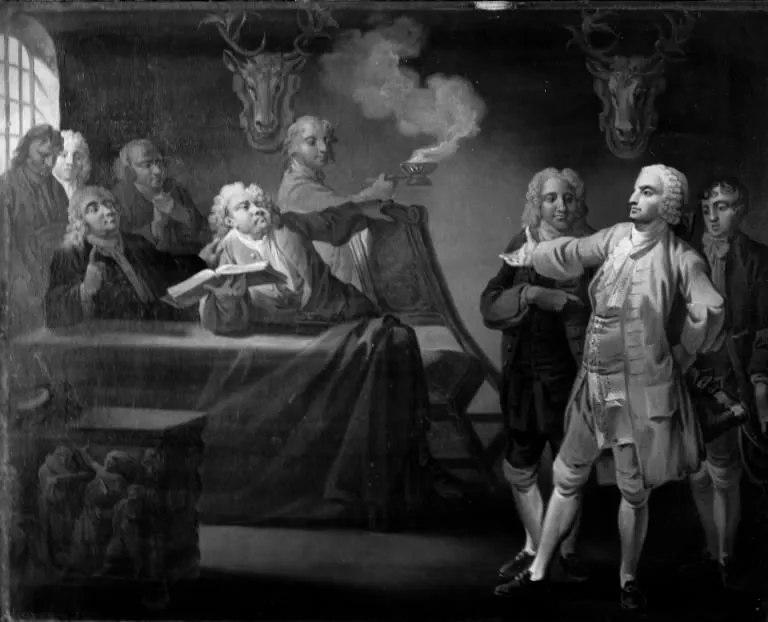
Hekserie eller blind Alarm, V. akt, 1. scene is an oil painting by Christian August Lorentzen. It dates from 1814 and is held in the collection of the Statens Museum for Kunst.
About this work
Overview
Christian August Lorentzen’s oil on canvas, dated 1814, portrays a theatrical moment titled Hekserie eller blind Alarm, V. akt, 1. scene. The work resides in the collection of Denmark’s Statens Museum for Kunst and measures a modest size, typical of early‑19th‑century genre paintings that capture staged episodes rather than grand historical narratives.
Subject & Meaning
The composition shows several gentlemen in period dress gathered around a table, with one figure standing forward and gesturing toward an unseen point. Their attire—wigged heads, long coats, and formal accessories—suggests an audience or participants in a staged performance, possibly a scene from a contemporary play or opera that explores themes of alarm or deception.
Technique & Style
Lorentzen employs a pronounced chiaroscuro, juxtaposing deep shadows with a narrow band of illumination entering from the left. This contrast heightens the sense of tension and draws attention to the central gestures. The brushwork is relatively smooth, rendering fabrics and furnishings with a restrained realism that aligns with the Danish neoclassical tendency of the period.
History & Provenance
Created in the immediate aftermath of the Napoleonic Wars, the painting entered the Statens Museum for Kunst’s holdings during the 19th‑century expansion of the national collection. Documentation indicates it has remained in public ownership, with no recorded sales or private ownership transfers since its acquisition by the museum.
Context
The work reflects a broader interest in theatrical subjects that circulated in Copenhagen’s cultural circles in the early 1800s. Lorentzen, known for portraiture and genre scenes, often depicted contemporary social rituals, and this piece aligns with the era’s fascination with stagecraft, costume, and the dramatization of everyday anxieties.
Artist & collection
Artist
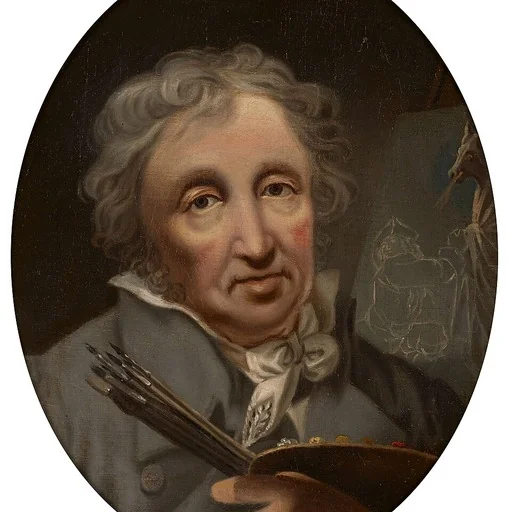
Christian August Lorentzen (1749–1828) was an artist, born in Sønderborg.

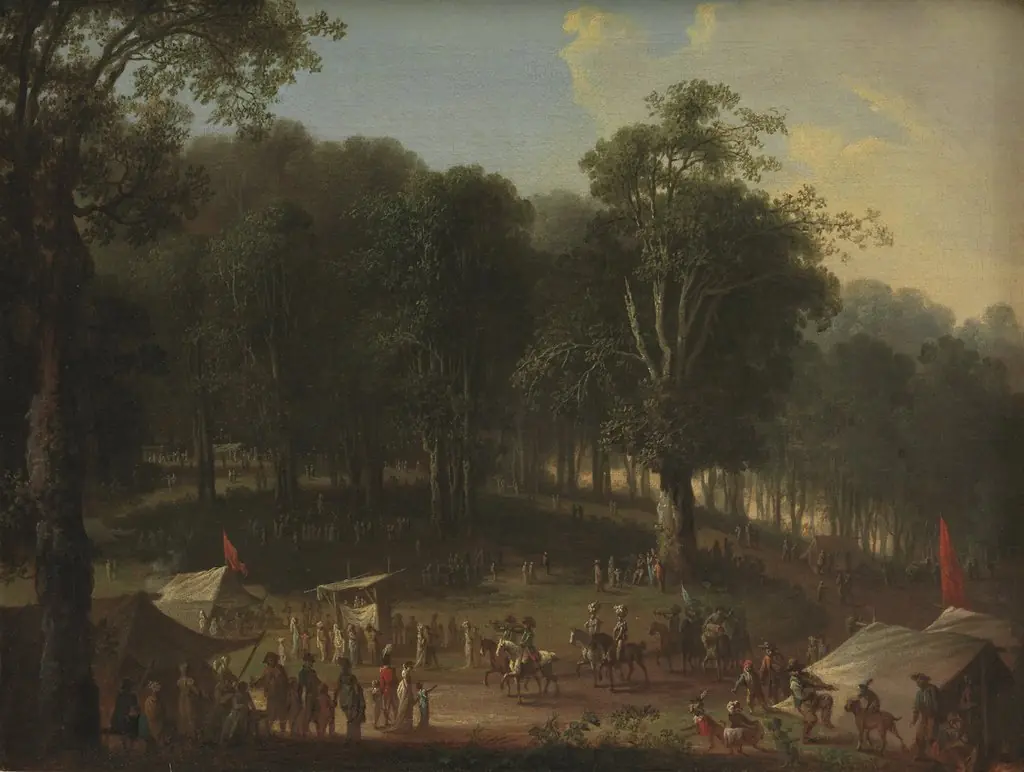 A Troup of Performers Arriving at the Fair at Dyrehavsbakken Near the Deer Park, North of Copenhagen
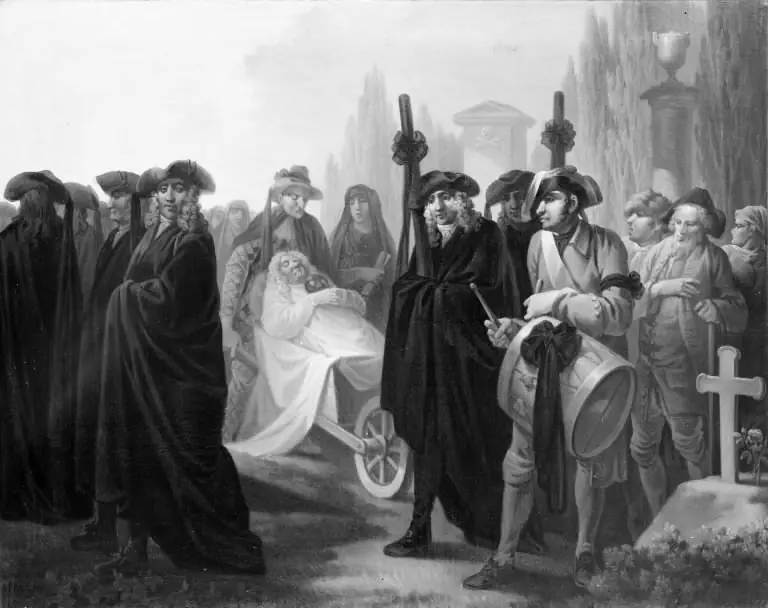 Den danske Comedies Ligbegængelse, 5. scene
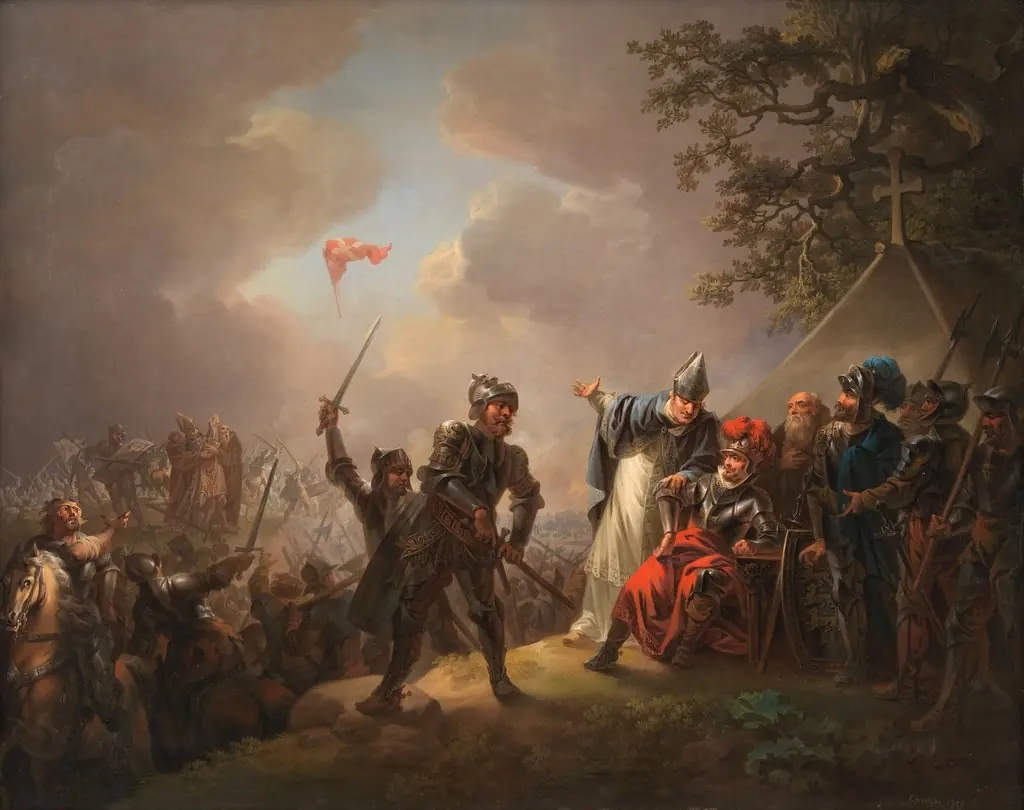 The Legend of the Danish Flag (the Dannebrog) Falling from the Heavens during the Battle of Lyndanise in Estonia in 1219
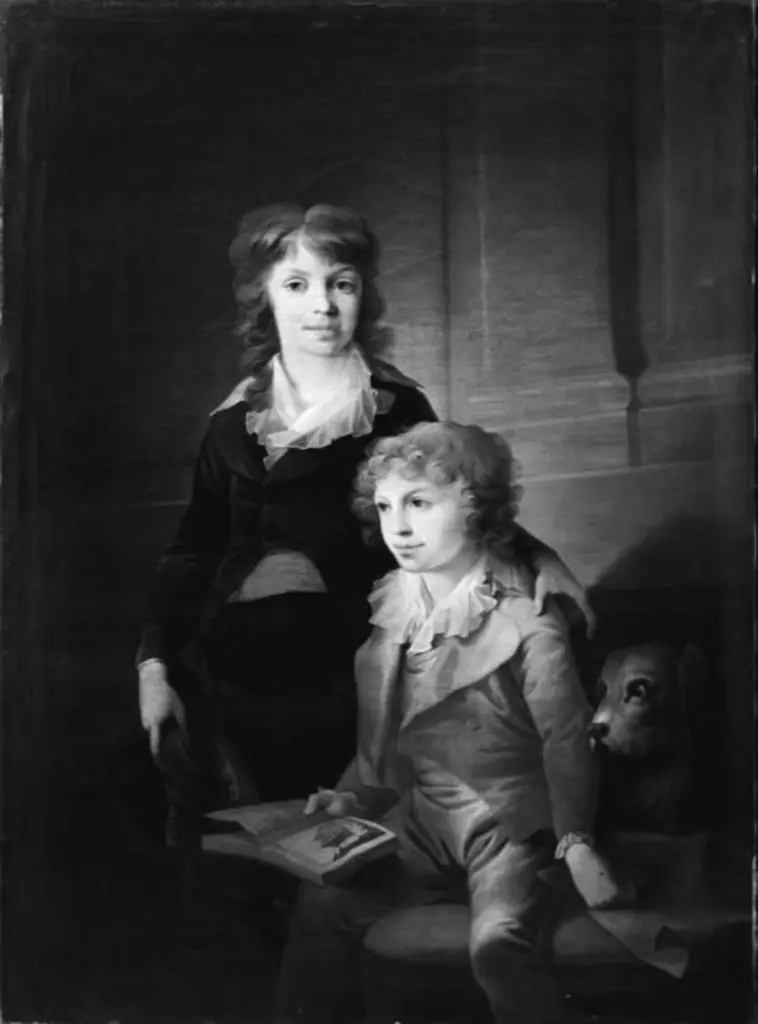 To ynglinge med en hund
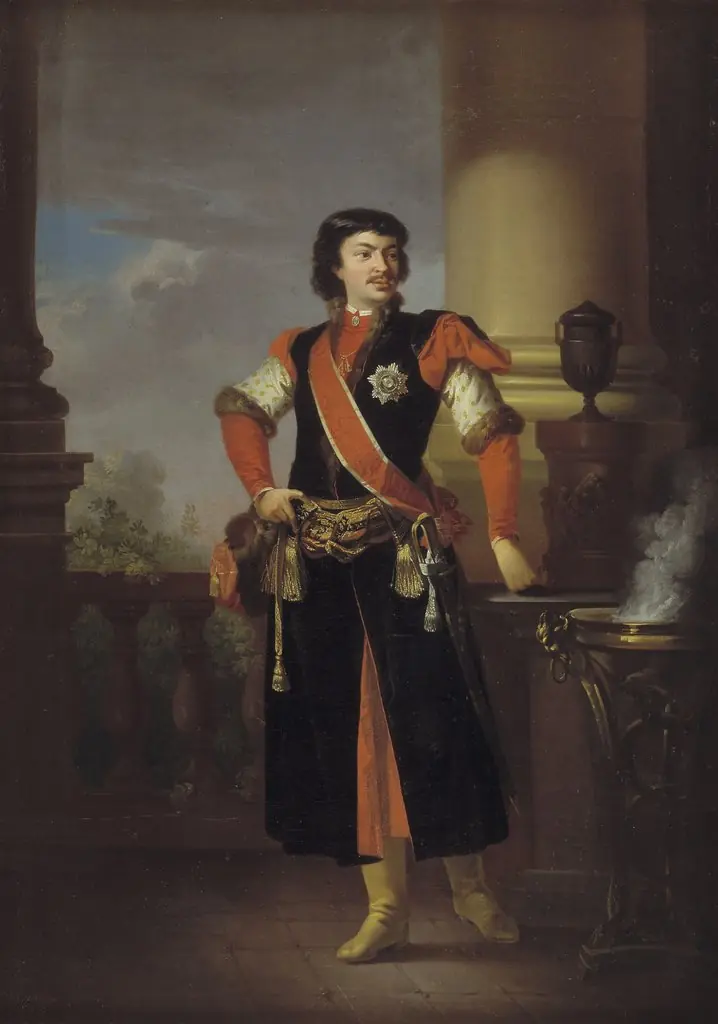 Portrait of Count Rzewuski, Polish Ambassador to Denmark
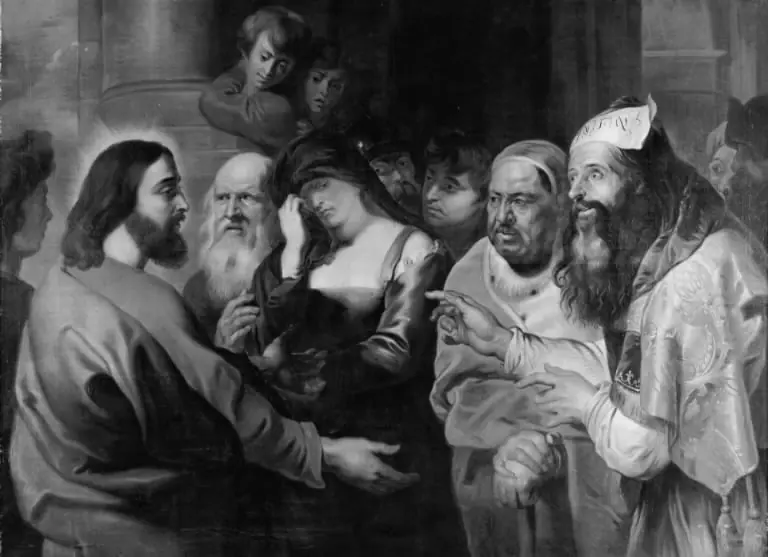 Kristus og synderinden
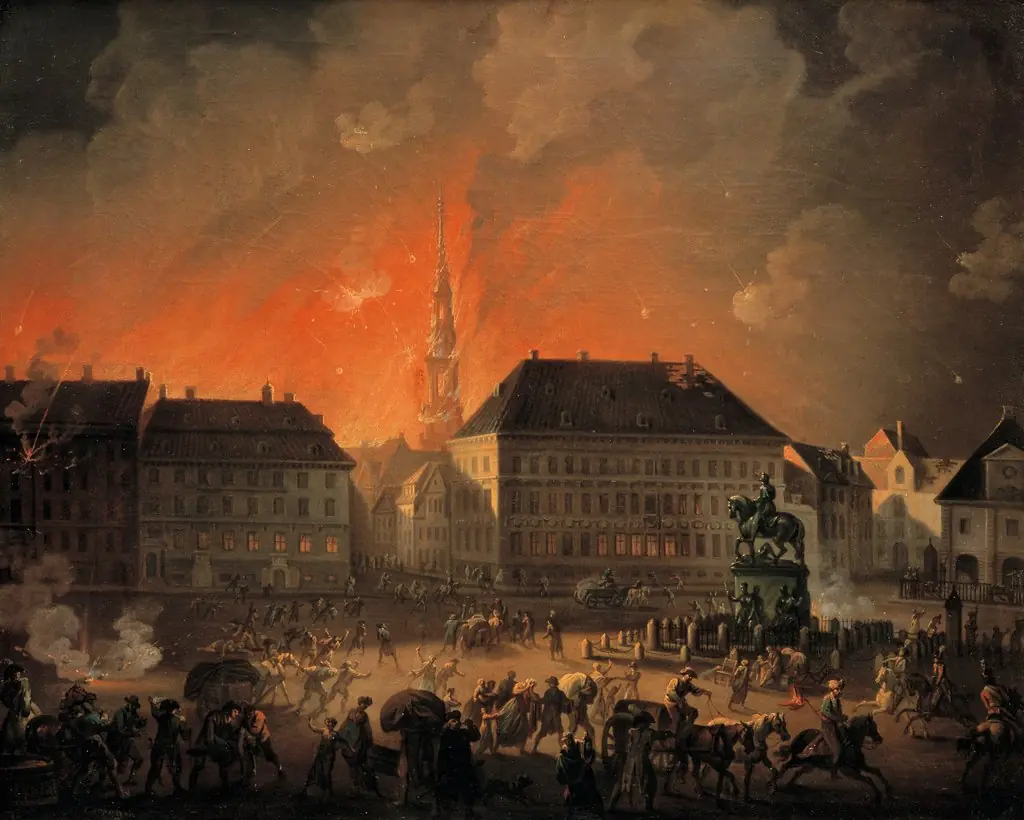 The Most Terrible Night. View of Kongens Nytorv in Copenhagen During the English Bombardement of Copenhagen at Night between 4 and 5 September 1807
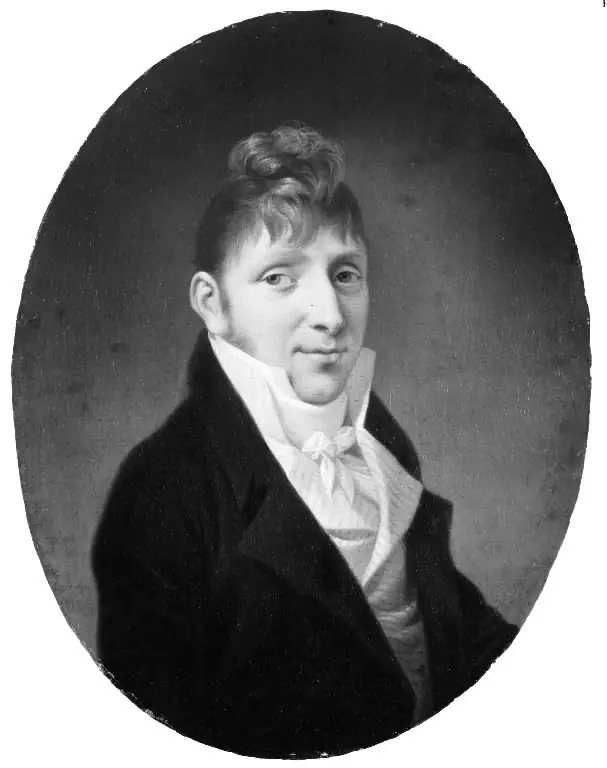 Mandsportræt
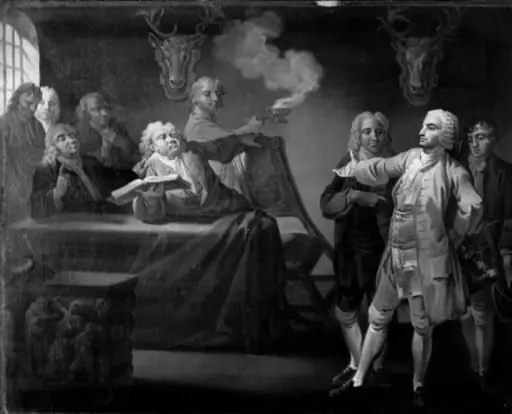 Hekserie eller blind Alarm, V. akt, 1. scene
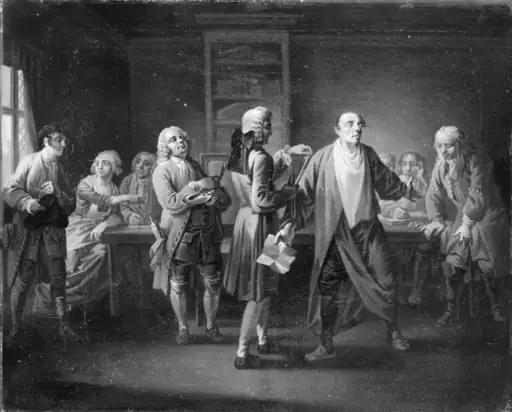 Den Stundesløse, I akt, 6. scene
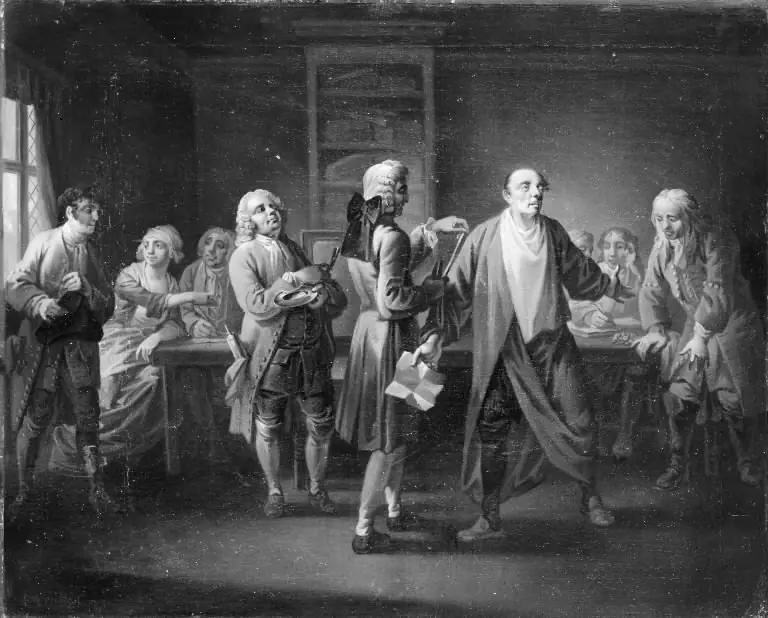 Den Stundesløse, I akt, 6. scene
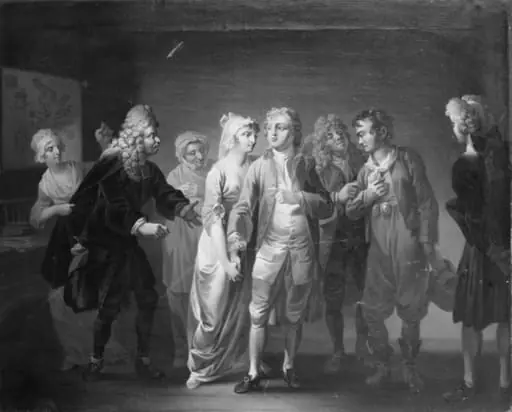 Det lykkelige Skibbrud, IV akt, 6. scene
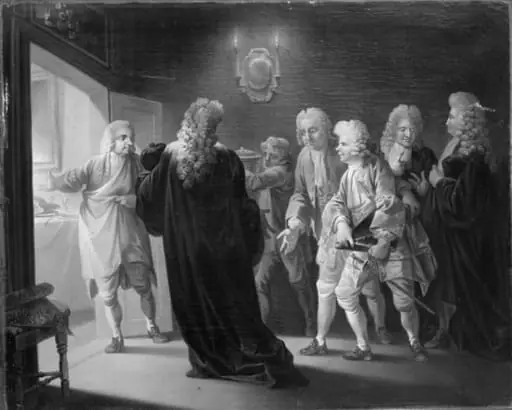 Den pantsatte Bondedreng, II akt, 8. scene
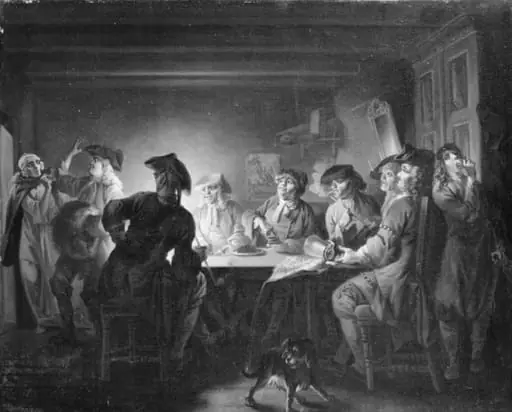 Den politiske Kandestøber, II akt, 2. scene
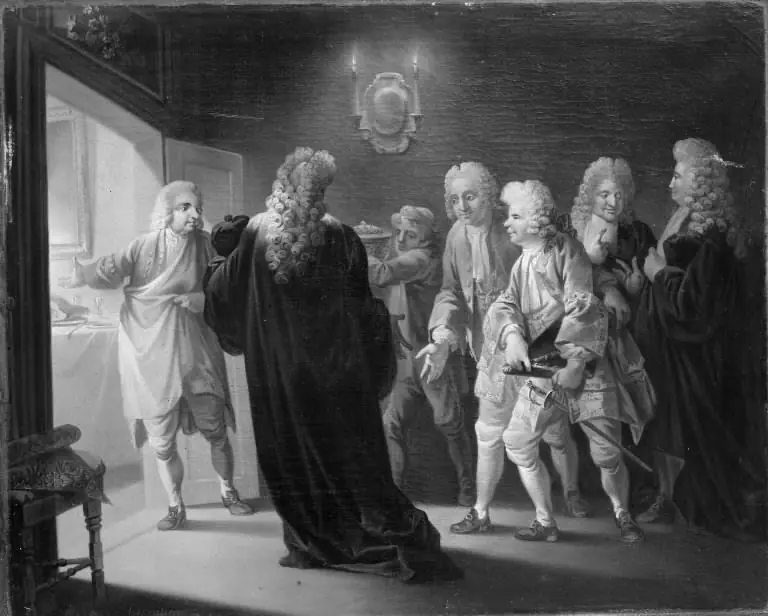 Den pantsatte Bondedreng, II akt, 8. scene
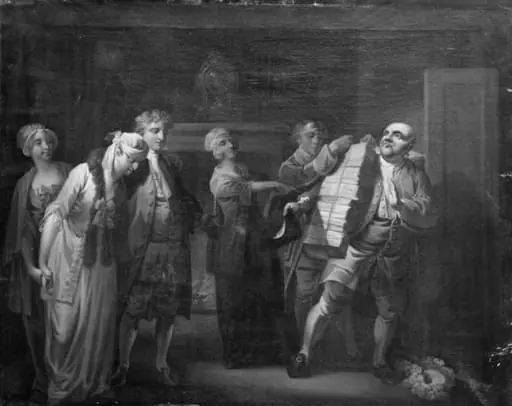 Republikken eller Det gemene Bedste, III akt, 10. scene
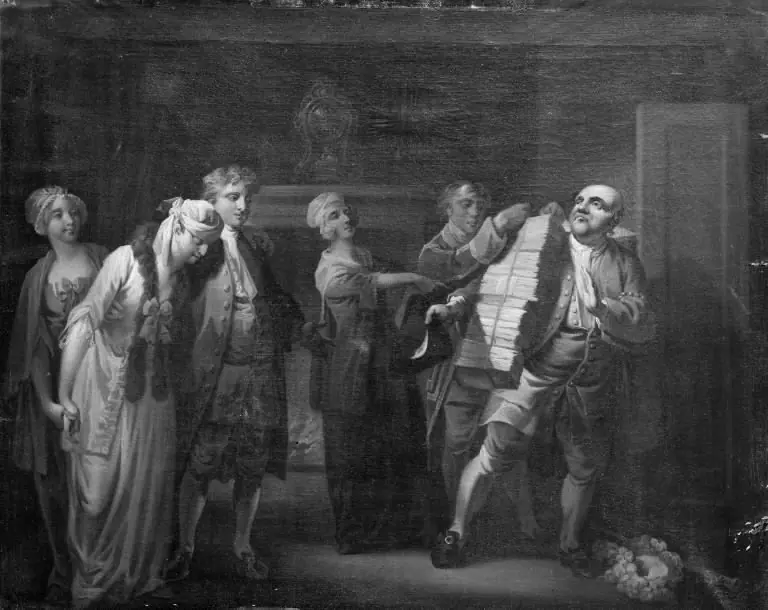 Republikken eller Det gemene Bedste, III akt, 10. scene
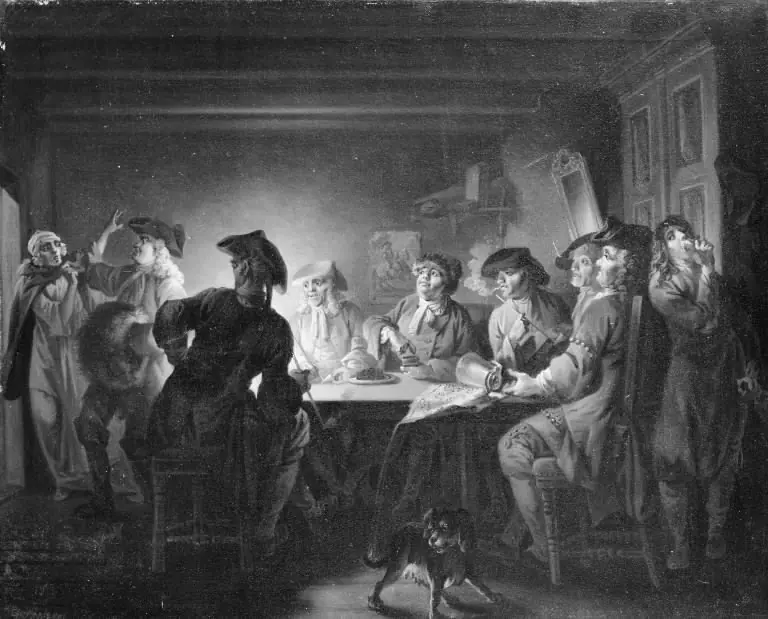 Den politiske Kandestøber, II akt, 2. scene
 Pernilles korte Frøkenstand, III akt, 7. scene
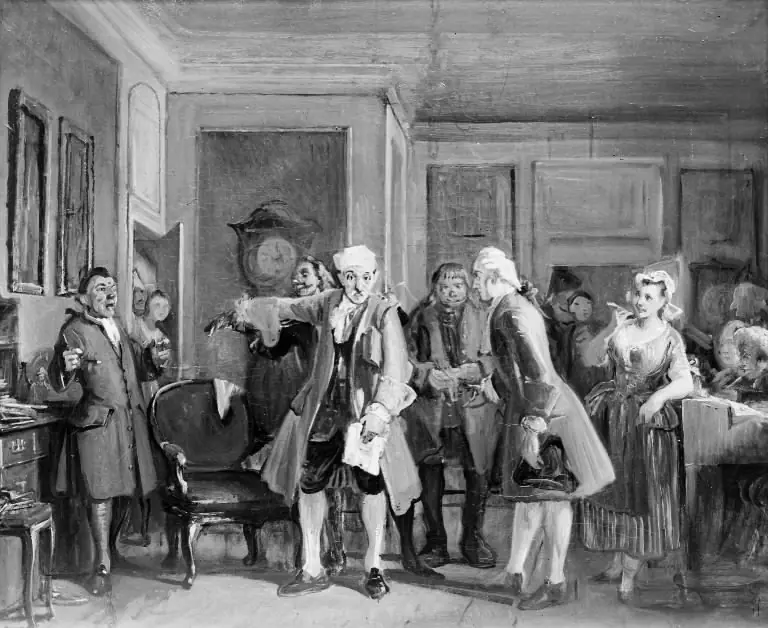 Fra Ludvig Holbergs "Den Stundesløse", I akt, 6. scene