Artwork
Republikken eller Det gemene Bedste, III akt, 10. scene
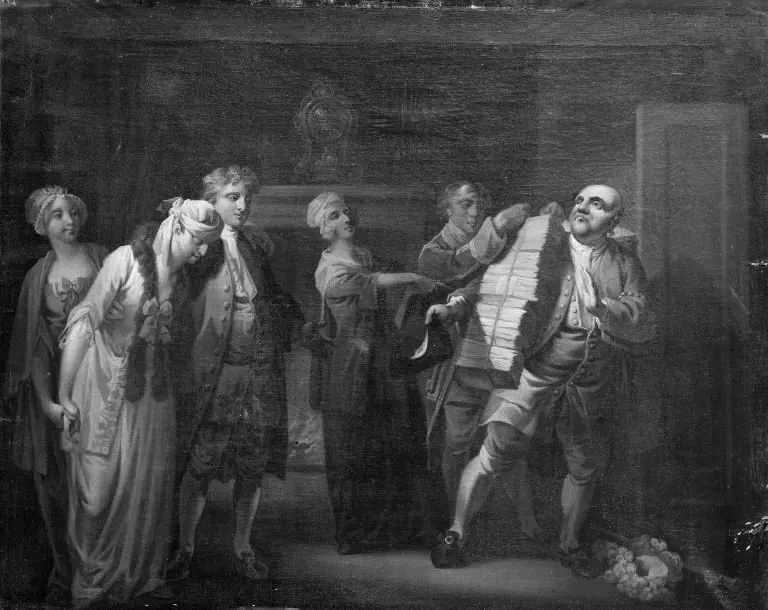
Republikken eller Det gemene Bedste, III akt, 10. scene is an oil painting by the Neoclassicist artist Christian August Lorentzen. It dates from 1814 and is held in the collection of the Statens Museum for Kunst.
About this work
Overview
Painted in 1814 by Christian August Lorentzen, this oil work depicts a moment from the third act, tenth scene of the Danish play 'Republikken eller Det gemene Bedste.' The painting is part of the collection at Statens Museum for Kunst in Copenhagen. It captures a theatrical ensemble in a dimly lit interior, emphasizing gesture and expression over detailed setting.
Subject & Meaning
The scene portrays a pivotal moment in a political drama, where a central figure holds a document and addresses a group of onlookers. Their varied postures suggest debate, surprise, or dissent. The composition reflects Enlightenment-era tensions between authority and public discourse, framing the act of reading aloud as a catalyst for civic engagement.
Technique & Style
Lorentzen employs a restrained palette dominated by dark tones, with subtle highlights on fabric and skin to define form. The figures are arranged in a loose semicircle, directing attention to the central man. Brushwork is precise yet unobtrusive, favoring clarity of gesture over ornamental detail, aligning with Danish Neoclassical tendencies of the period.
History & Provenance
Created shortly after Denmark’s constitutional reforms, the painting was likely commissioned to reflect contemporary political discourse. It entered the collection of Statens Museum for Kunst in the 19th century and has remained there since. No record suggests it was exhibited publicly during the artist’s lifetime, but it was recognized as a significant interpretation of national theater.
Context
The painting responds to a wave of Danish patriotic theater in the early 1800s, which used historical and political drama to explore civic identity. Lorentzen, known for portraits and historical scenes, engaged with this cultural movement by translating stage action into static imagery, bridging performance and public memory in a time of political transition.
Legacy
Though not widely reproduced, the painting remains a key example of how Danish artists visualized civic dialogue during the early national period. It contributes to the understanding of how theater influenced visual culture and how public spaces—real and imagined—were used to represent collective decision-making in 19th-century Denmark.
Artist & collection
Artist
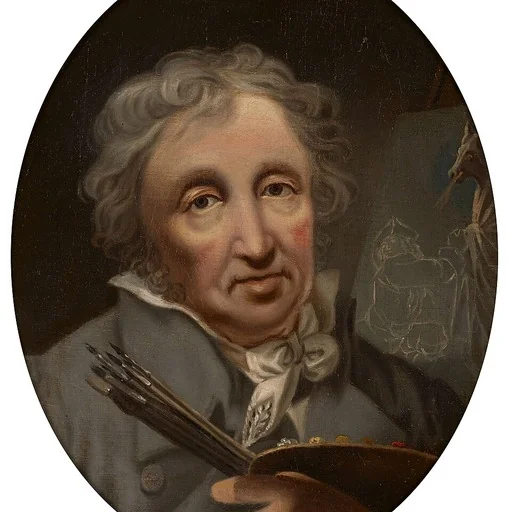
Christian August Lorentzen (1749–1828) was an artist, born in Sønderborg.

 A Troup of Performers Arriving at the Fair at Dyrehavsbakken Near the Deer Park, North of Copenhagen
 Den danske Comedies Ligbegængelse, 5. scene
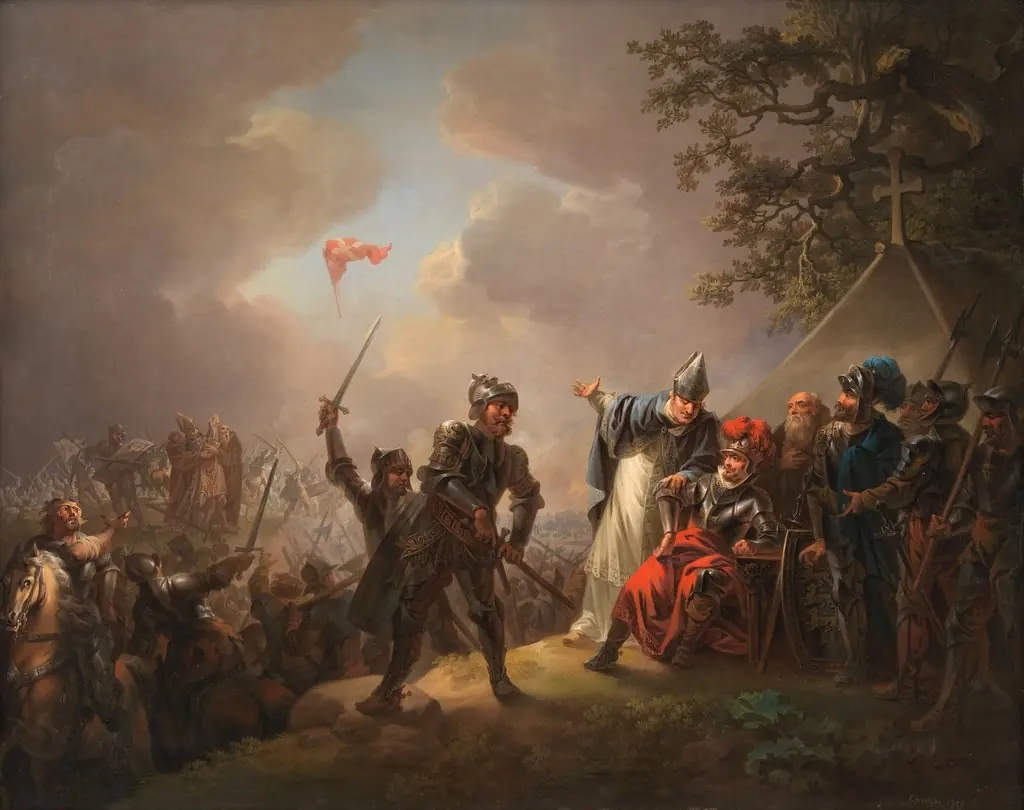 The Legend of the Danish Flag (the Dannebrog) Falling from the Heavens during the Battle of Lyndanise in Estonia in 1219
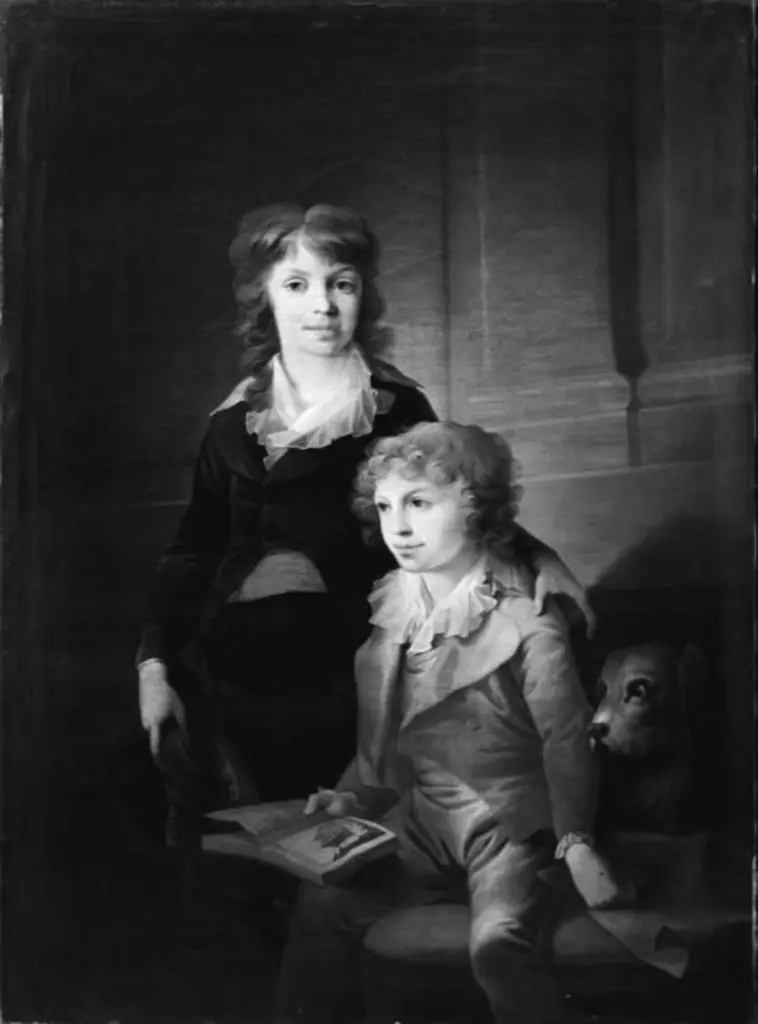 To ynglinge med en hund
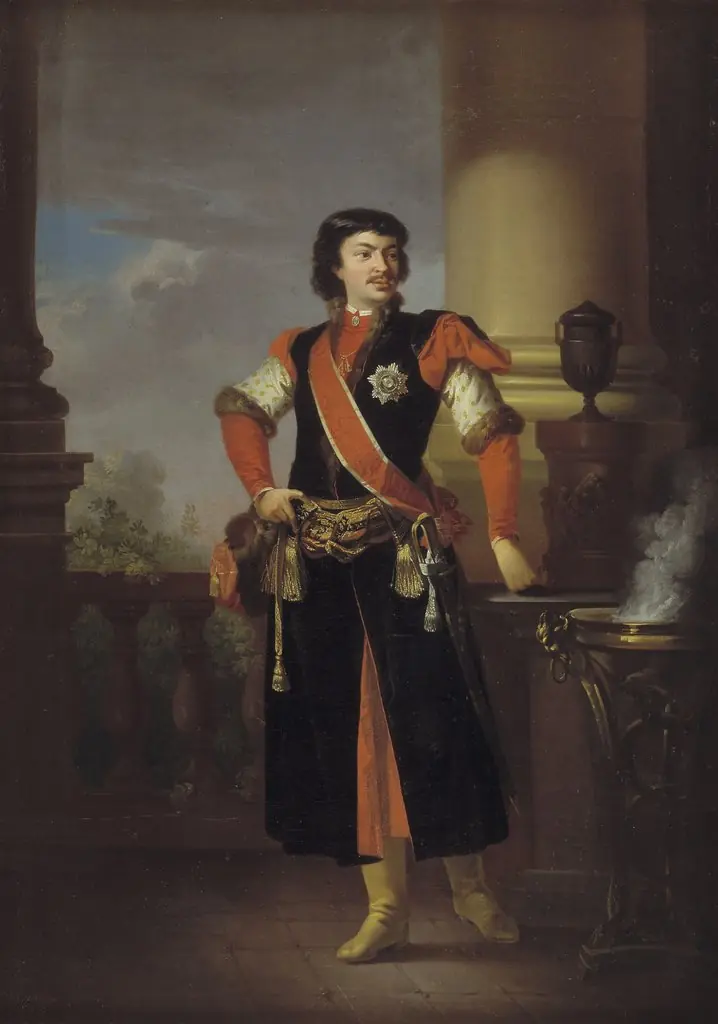 Portrait of Count Rzewuski, Polish Ambassador to Denmark
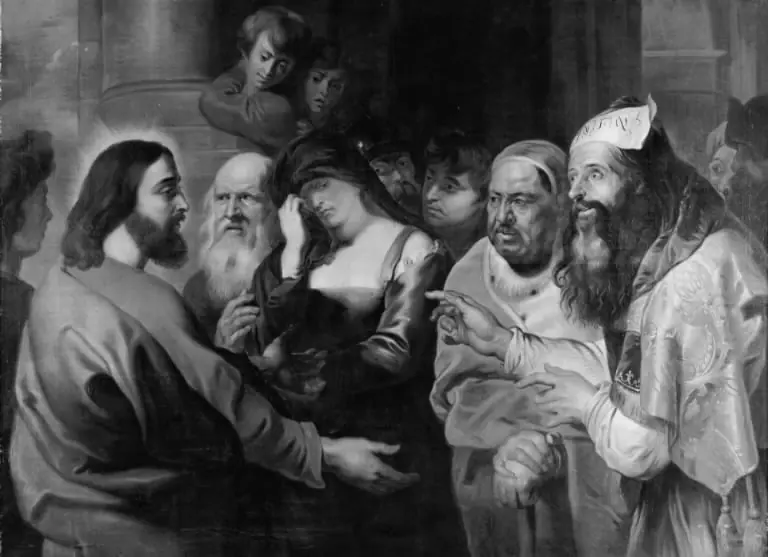 Kristus og synderinden
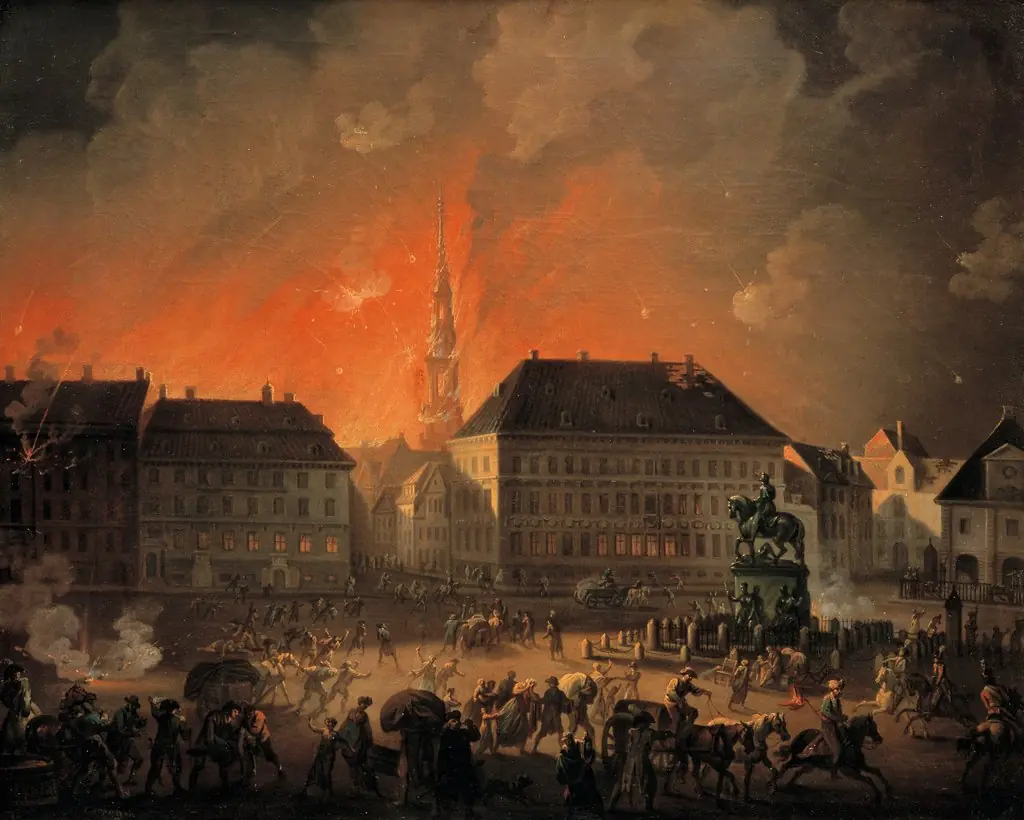 The Most Terrible Night. View of Kongens Nytorv in Copenhagen During the English Bombardement of Copenhagen at Night between 4 and 5 September 1807
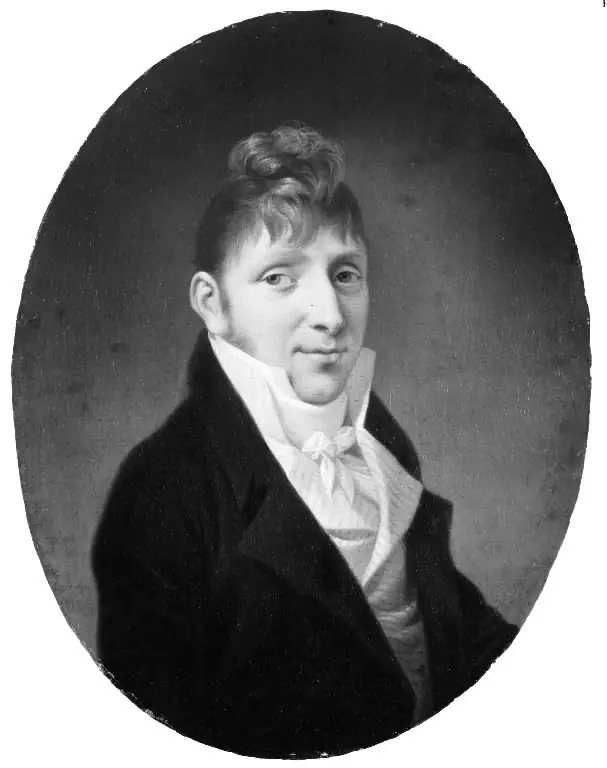 Mandsportræt
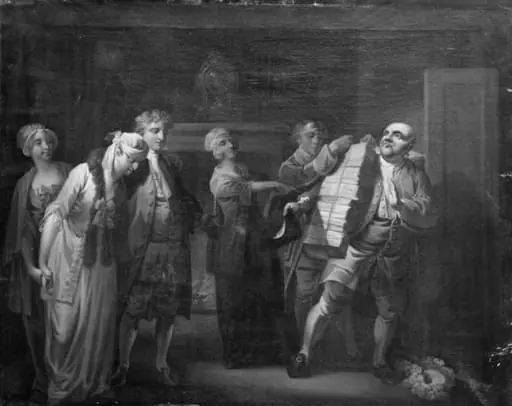 Republikken eller Det gemene Bedste, III akt, 10. scene
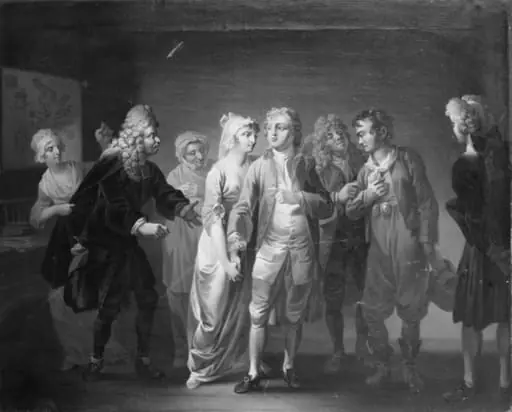 Det lykkelige Skibbrud, IV akt, 6. scene
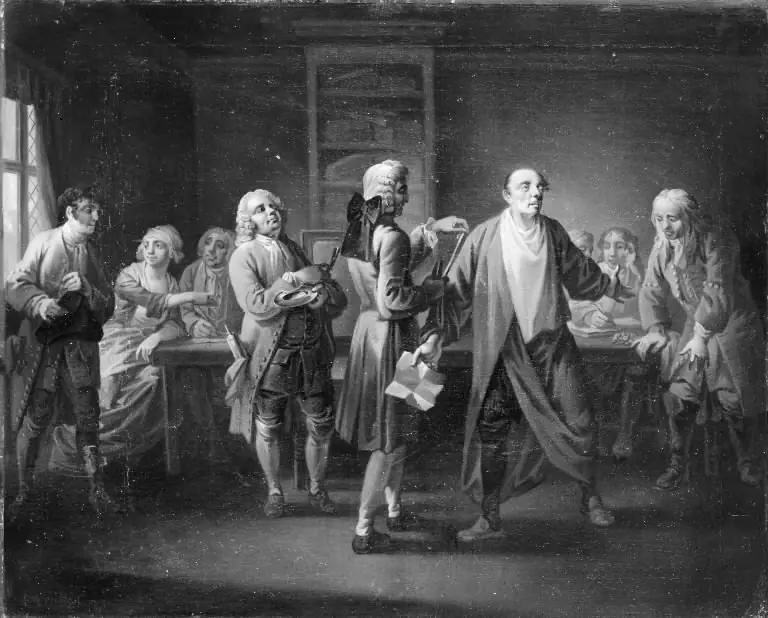 Den Stundesløse, I akt, 6. scene
 Den Stundesløse, I akt, 6. scene
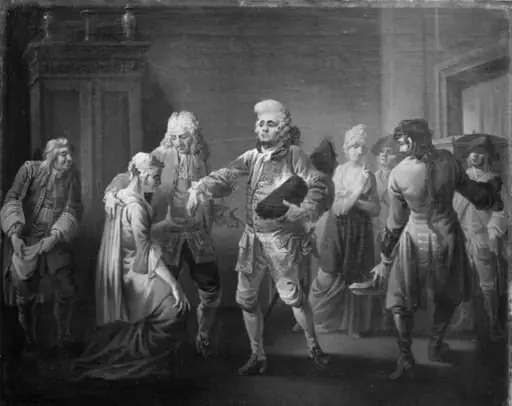 Den honette Ambition, III akt, 5. scene
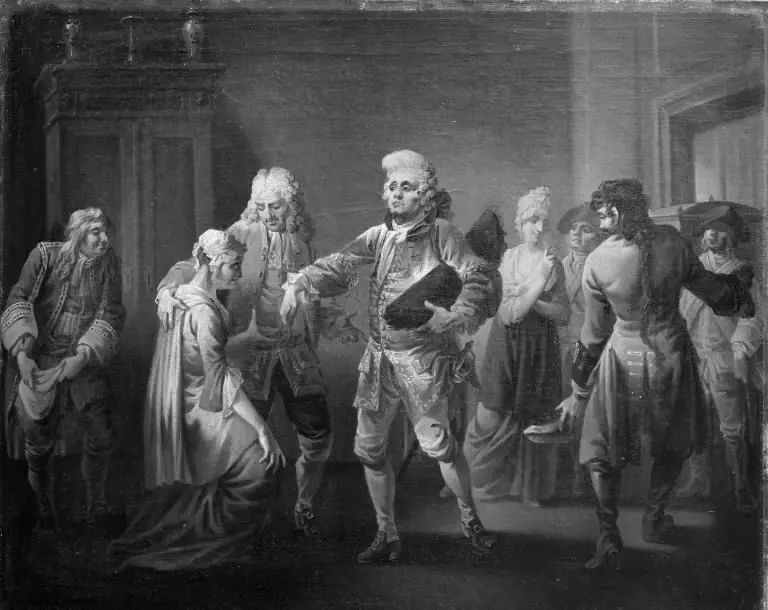 Den honette Ambition, III akt, 5. scene
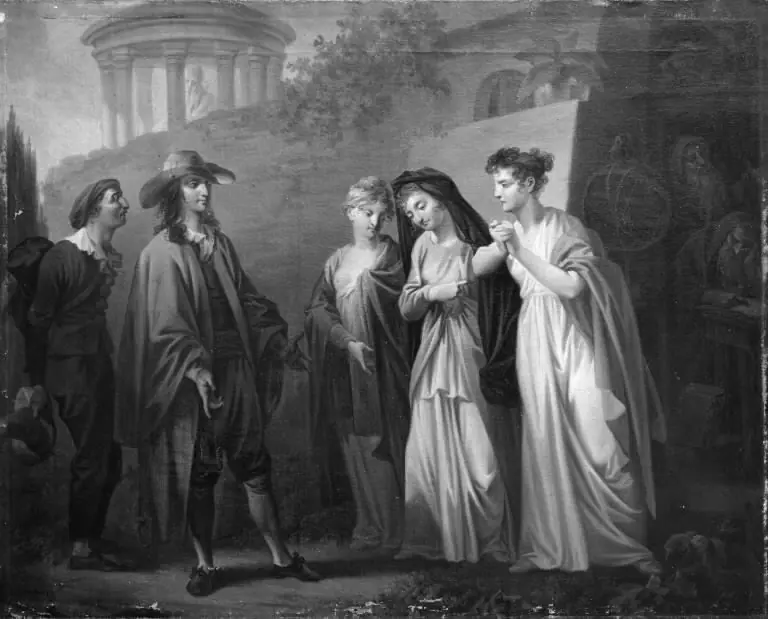 Sganarels Rejse til det philosophiske Land, 9. scene
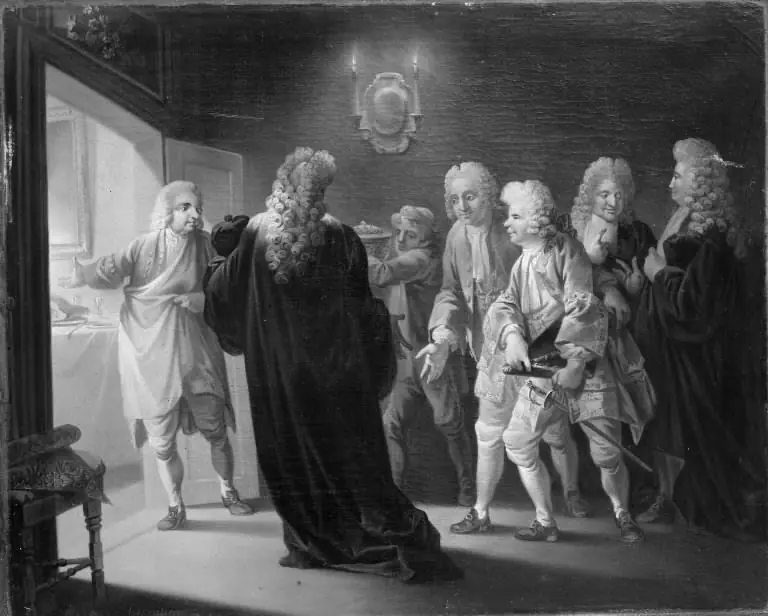 Den pantsatte Bondedreng, II akt, 8. scene
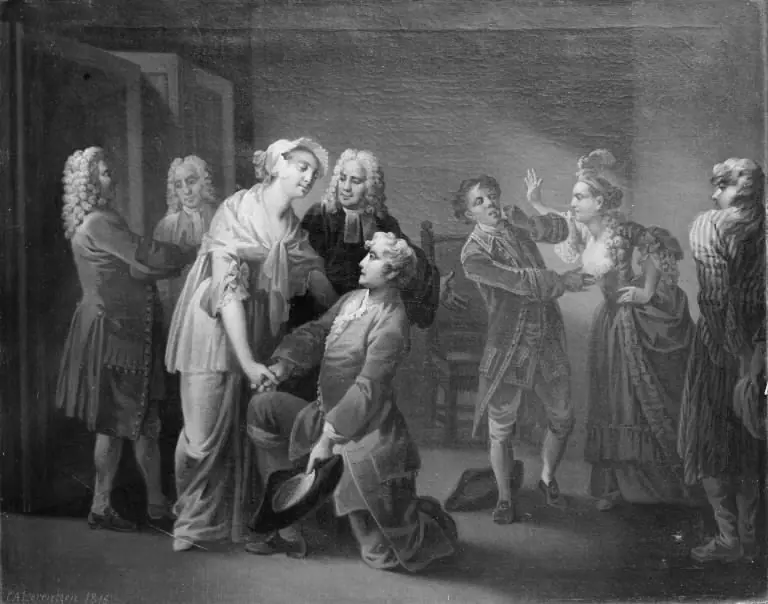 Henrik og Pernille, III akt, 13. scene
 Den pantsatte Bondedreng, II akt, 8. scene
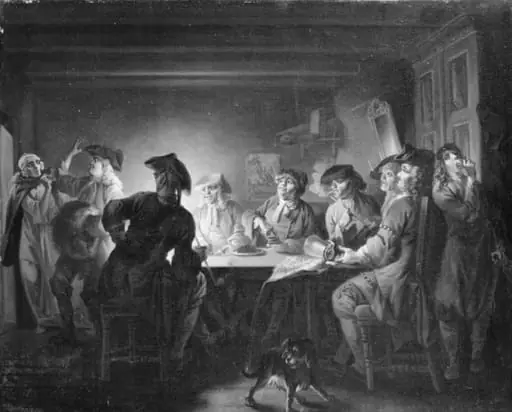 Den politiske Kandestøber, II akt, 2. scene
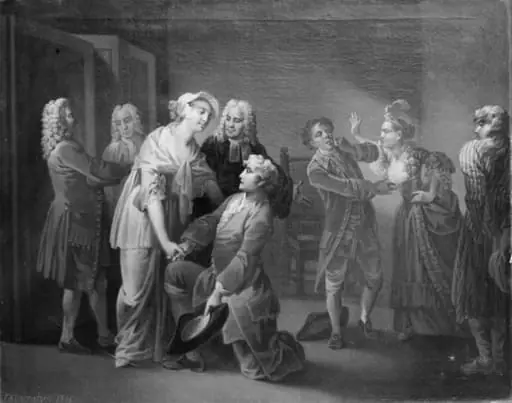 Henrik og Pernille, III akt, 13. scene