Artwork
Princess Charlotte Amalie, Daughter of Frederik IV
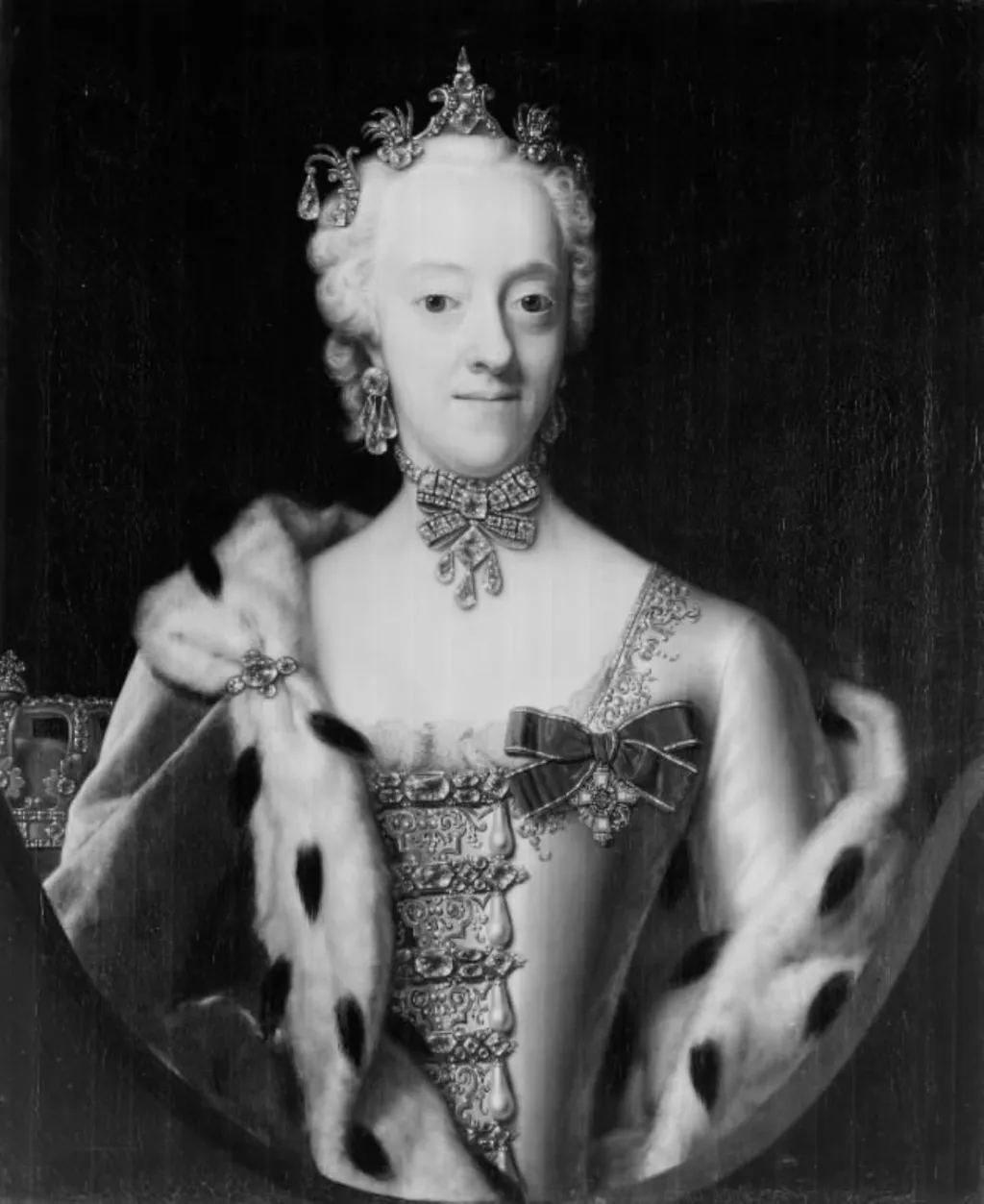
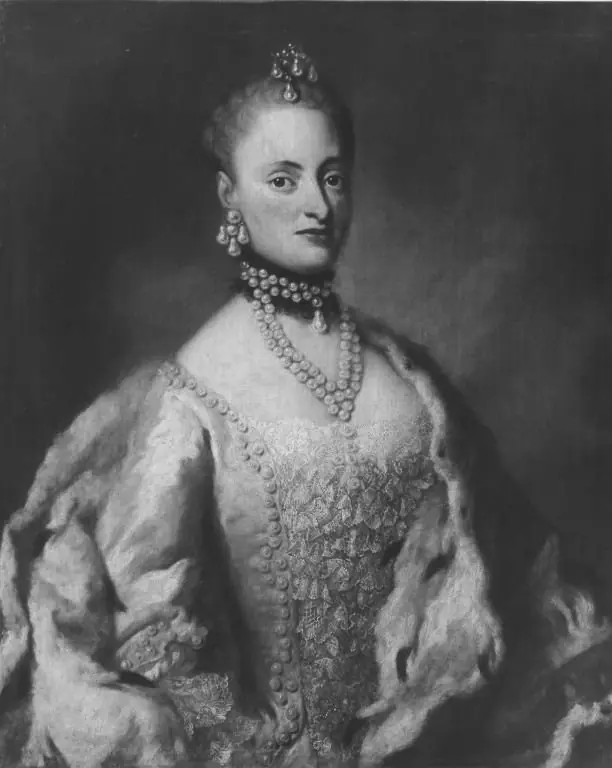
Princess Charlotte Amalie, Daughter of Frederik IV is a photography by the Baroque artist Unknown. It dates from 1740 and is held in the collection of the Statens Museum for Kunst. Painted in 1740, this portrait depicts Princess Charlotte Amalie, the daughter of King Frederik IV of Denmark.
About this work
Overview
Painted in 1740, this portrait depicts Princess Charlotte Amalie, the daughter of King Frederik IV of Denmark. Executed in oil on canvas, the work is part of the collection at the Museum of Ethnography. The composition centers on the princess in full regalia, set against a deep, neutral background that isolates her figure and emphasizes her ceremonial attire.
Subject & Meaning
The princess is portrayed not as a child but as a figure of sovereign dignity, dressed in courtly finery befitting her royal status.
The princess is portrayed not as a child but as a figure of sovereign dignity, dressed in courtly finery befitting her royal status. The crown, jeweled ornaments, and elaborate bow at the neckline signify her position within the Danish monarchy. The formal pose and restrained expression convey authority rather than personal emotion, aligning with the expectations of dynastic portraiture in early 18th-century Europe.
Technique & Style
The painting employs the chiaroscuro contrasts typical of Baroque portraiture, with light falling sharply on the princess’s face and garments to accentuate texture and detail. The dress’s intricate embroidery and the crown’s metallic reflections are rendered with precision, suggesting the artist’s skill in depicting luxurious materials. The dark background enhances the three-dimensionality of the figure without distracting from the subject.
History & Provenance
The portrait was likely commissioned to affirm the princess’s status within the royal lineage. It entered the Museum of Ethnography’s holdings in the late 19th or early 20th century, possibly through state transfer or donation. Its presence in an ethnographic institution, rather than a royal or fine arts collection, reflects shifting museum practices in the modern era.
Context
In the 1740s, Danish royalty maintained formal portraiture traditions influenced by broader European courts, particularly those of France and Germany. While Denmark was not a dominant political power, its court retained ceremonial splendor. This portrait reflects the continued use of visual imagery to project legitimacy and continuity within a hereditary monarchy during a period of relative political quiet.
Legacy
Though the artist’s identity remains unverified in public records, the work stands as a representative example of Danish court portraiture from the early Baroque period. Its preservation in an ethnographic context invites reflection on how royal imagery was later reclassified and interpreted by institutions focused on cultural documentation rather than artistic merit.
Artist & collection

 Domestic Scene
 Giacomo and Cardinal Marco, investing Andrea, Abbot of San Zeno, with his Benefice
 The Nymph of Fontainebleau
 Portrait of a Woman
 Madonna and Child with Saints in the Enclosed Garden
 Venus and Minerva
 Family Group of Four on Sofa
 Wall painting from Room H of the Villa of P. Fannius Synistor at Boscoreale
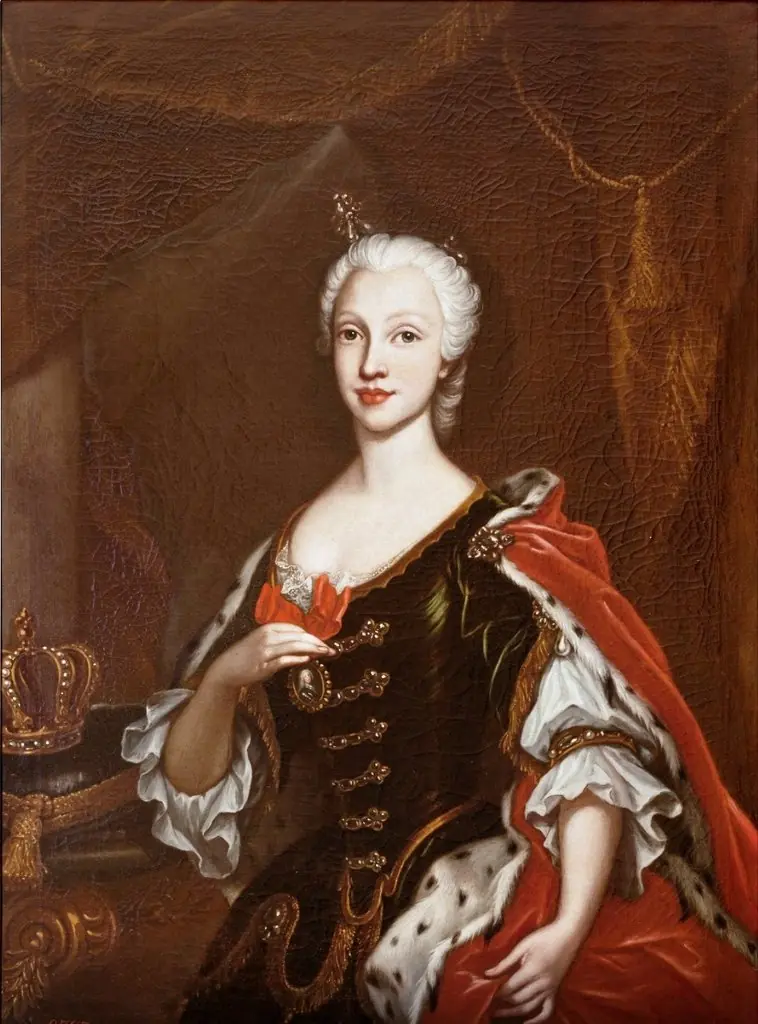 Maria Amalia of Saxony (1724-1760), Queen of Naples
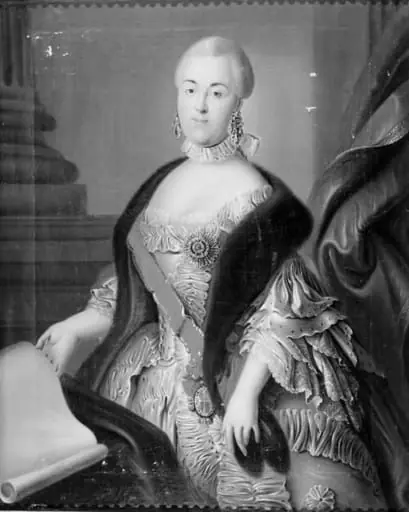 Carl Peter Ulricks gemalinde, Sofia Augusta. Katharina II af Rusland
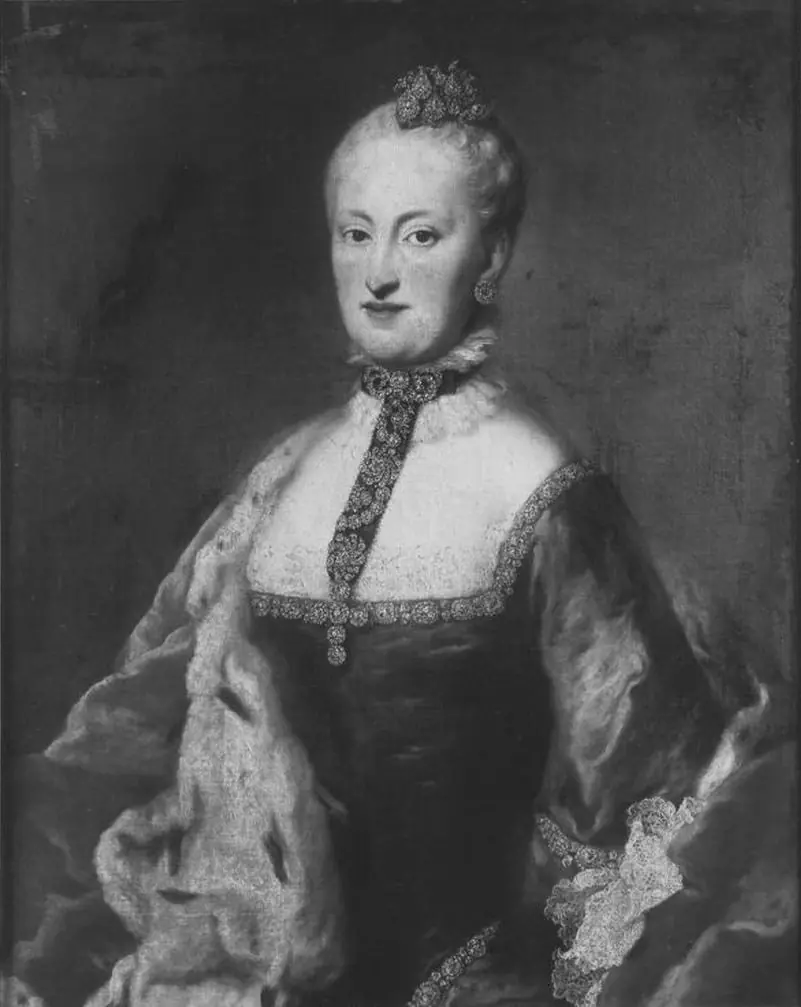 So-called portrait of Maria Anna Sophia of Saxony (1728–1797)
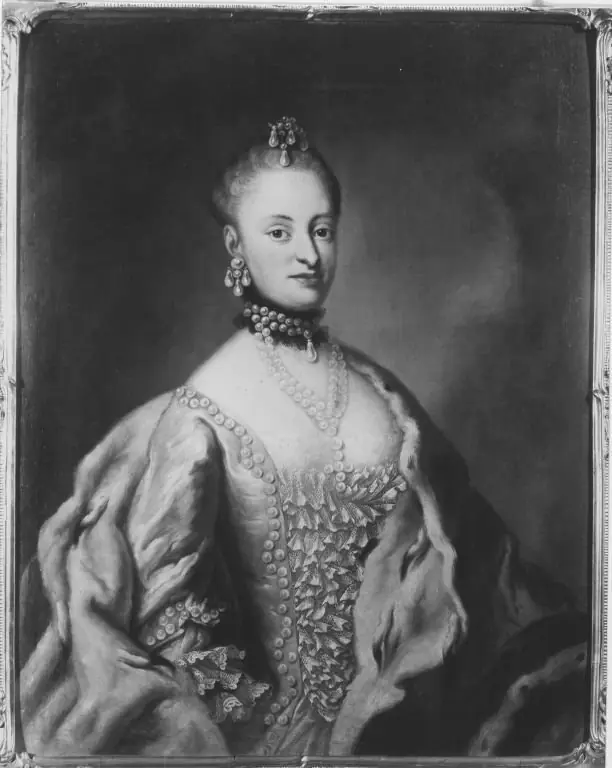 Maria Anna, Gemahlin des Kurfürsten Max III. Joseph von Bayern
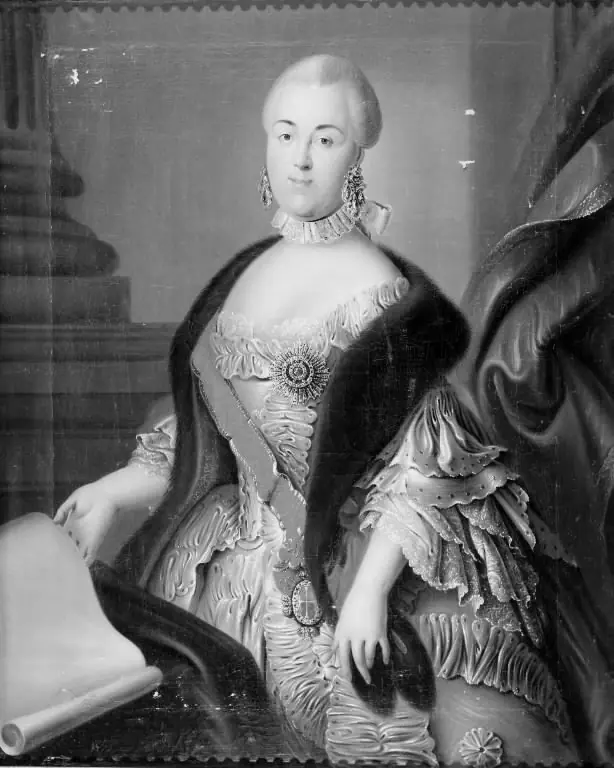 Carl Peter Ulricks gemalinde, Sofia Augusta. Katharina II af Rusland
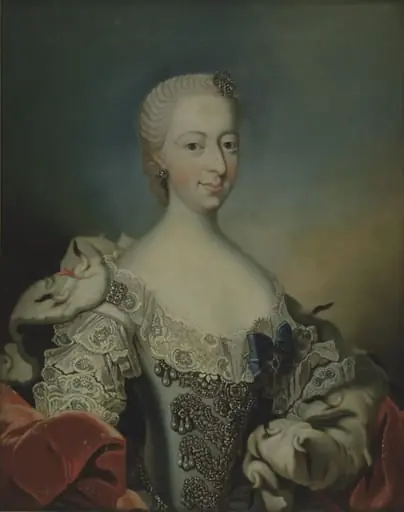 Juliane Marie, Frederik V's anden dronning
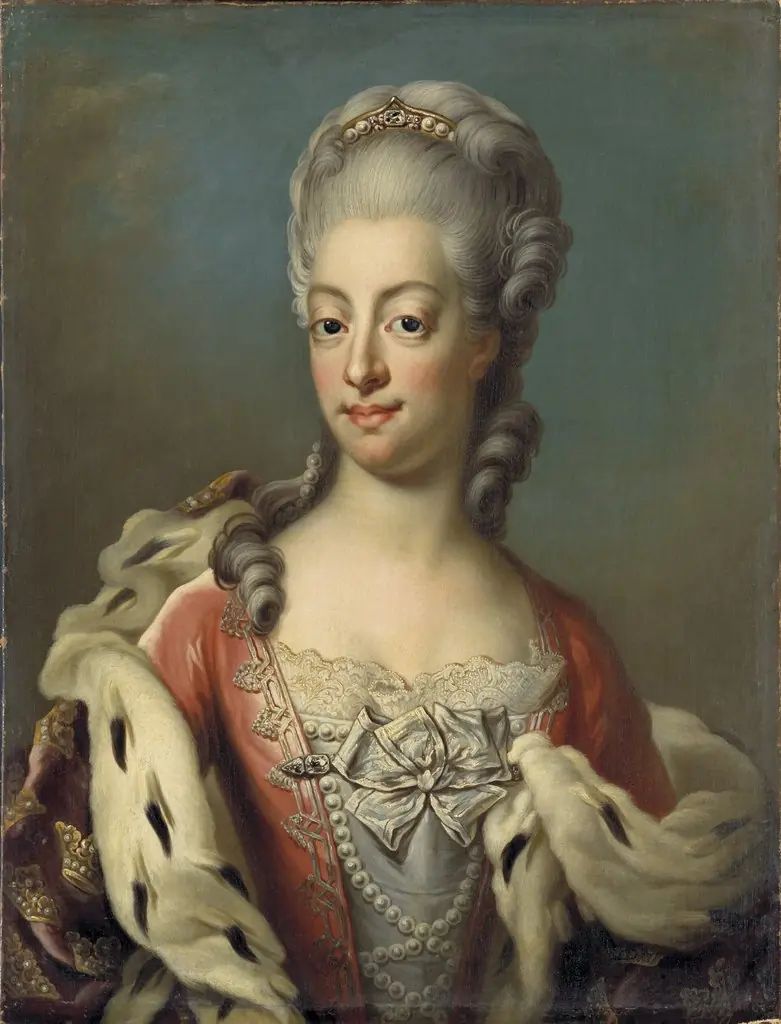 Sofia Magdalena, 1746-1813, Prinsessa av Danmark, drottning av Sverige
 Elisabeth Apollonia of Saxony (1736–1818)