Artwork
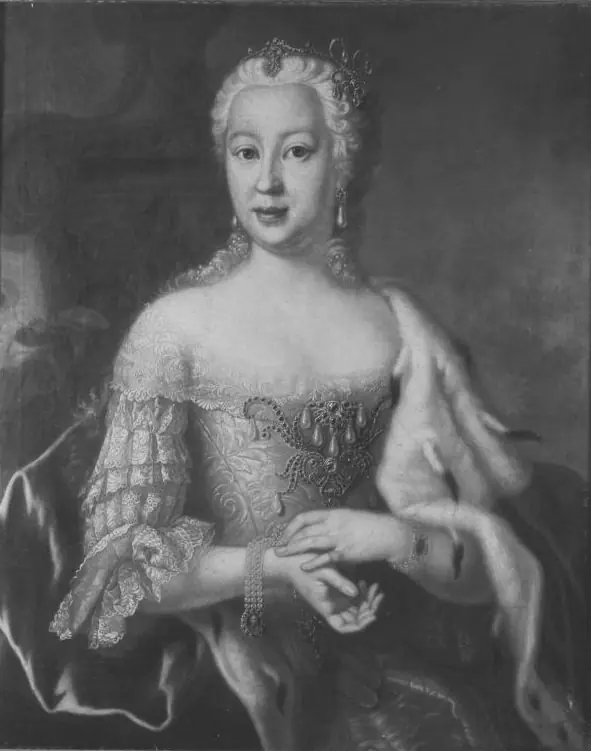
Maria Anna, Gemahlin des Kurfürsten Max III. Joseph von Bayern
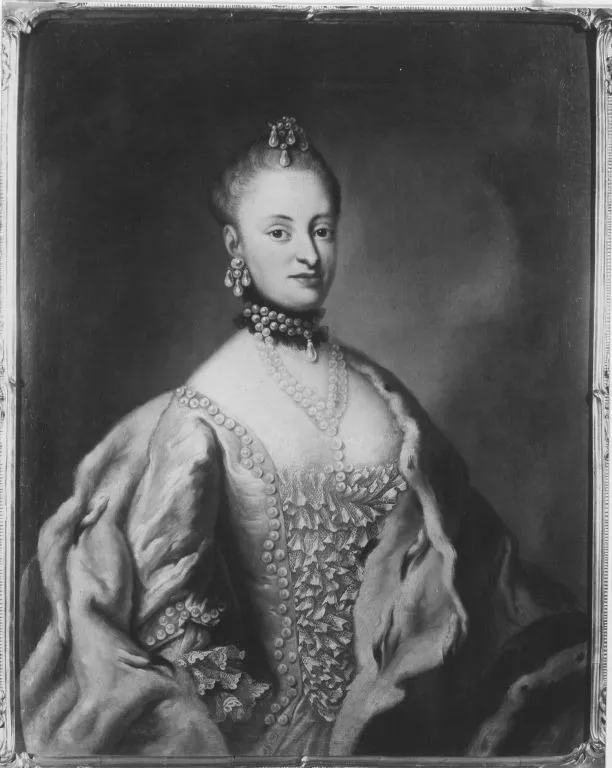
Maria Anna, Gemahlin des Kurfürsten Max III. Joseph von Bayern is an unspecified painting by the Rococo painting artist Georg Desmarées. It dates from 1736 and is held in the collection of the Bavarian State Painting Collections.
About this work
Overview
Georg Desmarées painted this portrait in 1736, depicting Maria Anna, the wife of Elector Max III Joseph of Bavaria. The work is part of the collection of the Alte Pinakothek in Munich, where it is displayed among other 18th‑century German paintings.
Subject & Meaning
The sitter, Maria Anna, is shown in the attire and bearing appropriate to her status as the Elector’s consort. The portrait emphasizes her noble rank through refined clothing, jewelry, and a composed expression, reflecting the conventions of aristocratic representation in the early modern German courts.
Technique & Style
Desmarées employed a restrained palette and careful modeling to render the textures of fabric and skin. The composition follows the conventions of court portraiture, with a modest background that directs focus to the figure, while subtle chiaroscuro gives depth to the three‑dimensional form.
History & Provenance
Created in 1736, the painting entered the Alte Pinakothek’s holdings as part of the museum’s acquisition of Bavarian court artworks. Its provenance traces back to the Bavarian royal collection, where it remained in the family’s inventory before being transferred to the public institution.
Context
The portrait belongs to a period when German electors commissioned works to affirm dynastic legitimacy and display their familial alliances. Desmarées, a Swedish‑born painter active in Munich, was a favored court artist, and this work exemplifies his role in documenting the visual culture of the Bavarian court.
Artist & collection
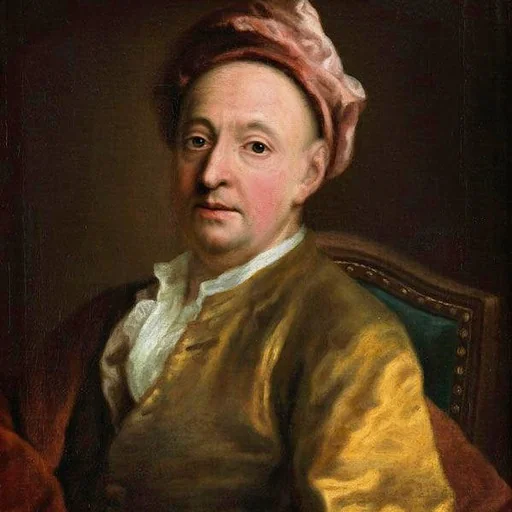

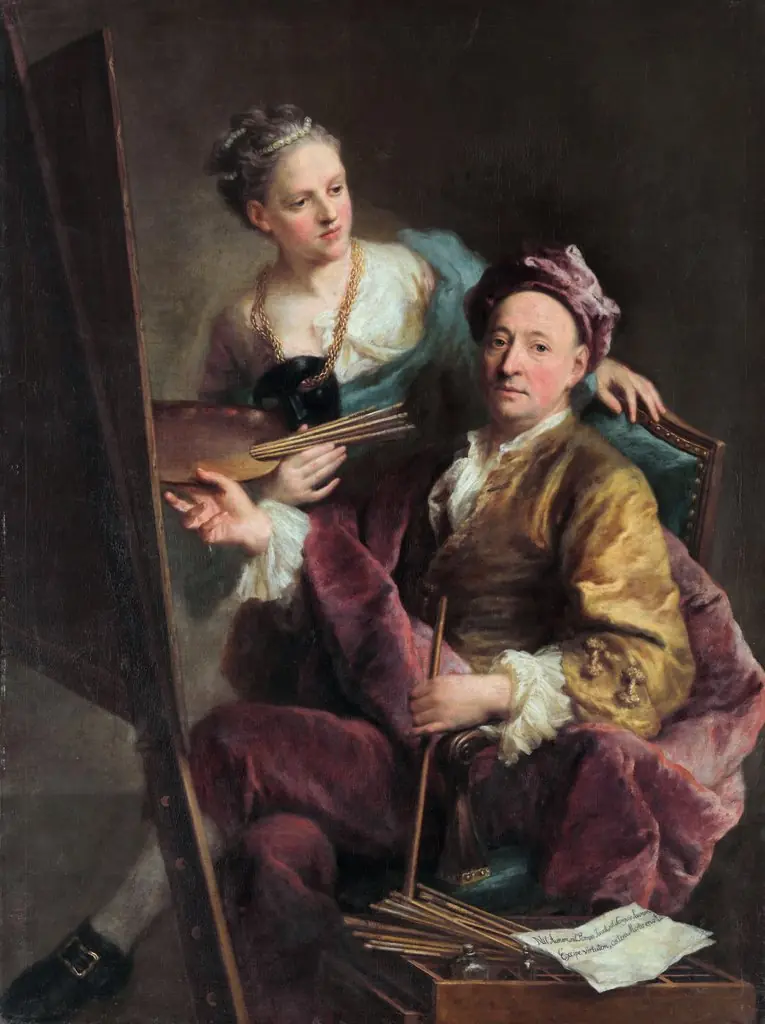 Self-portrait of the Artist with his Daughter Antonia
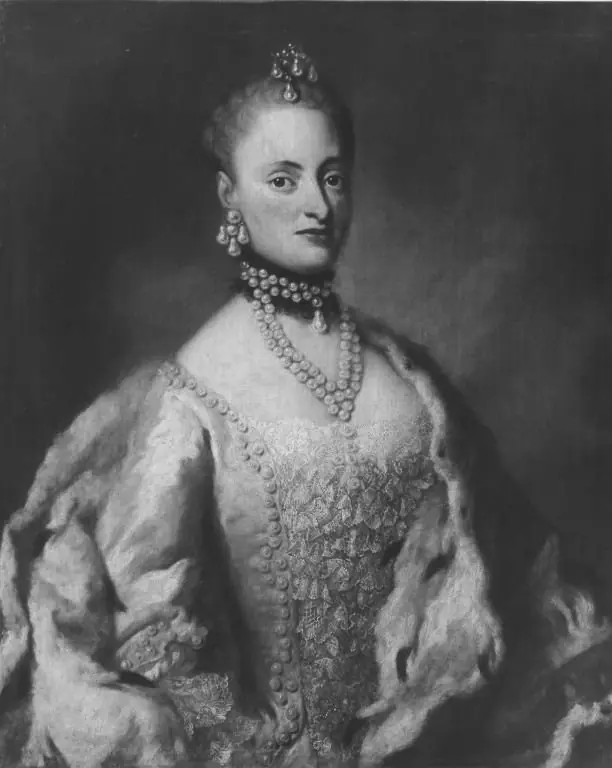 Elisabeth Apollonia of Saxony (1736–1818)
 Maria Anna of Sulzbach (1722-1790)
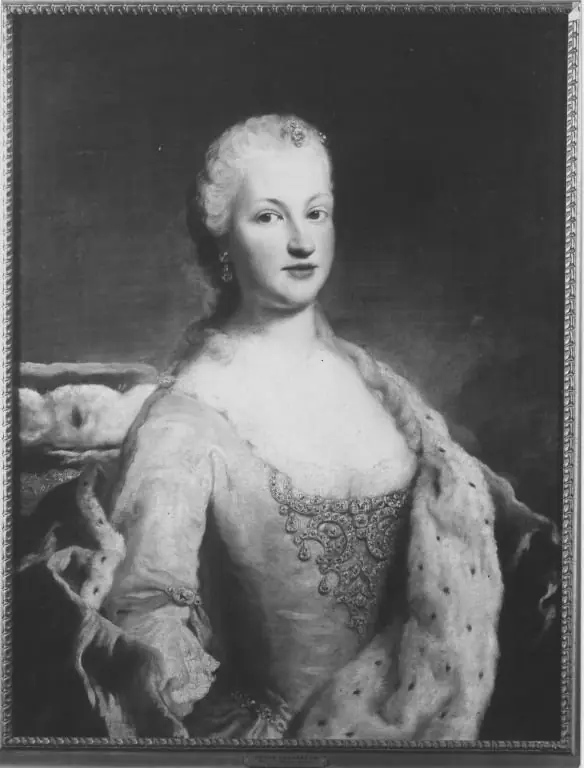 Bildnis der Maria Franziska Dorothea von Pfalz-Sulzbach, Herzogin von Zweibrücken-Birkenfeld (1724-1794)
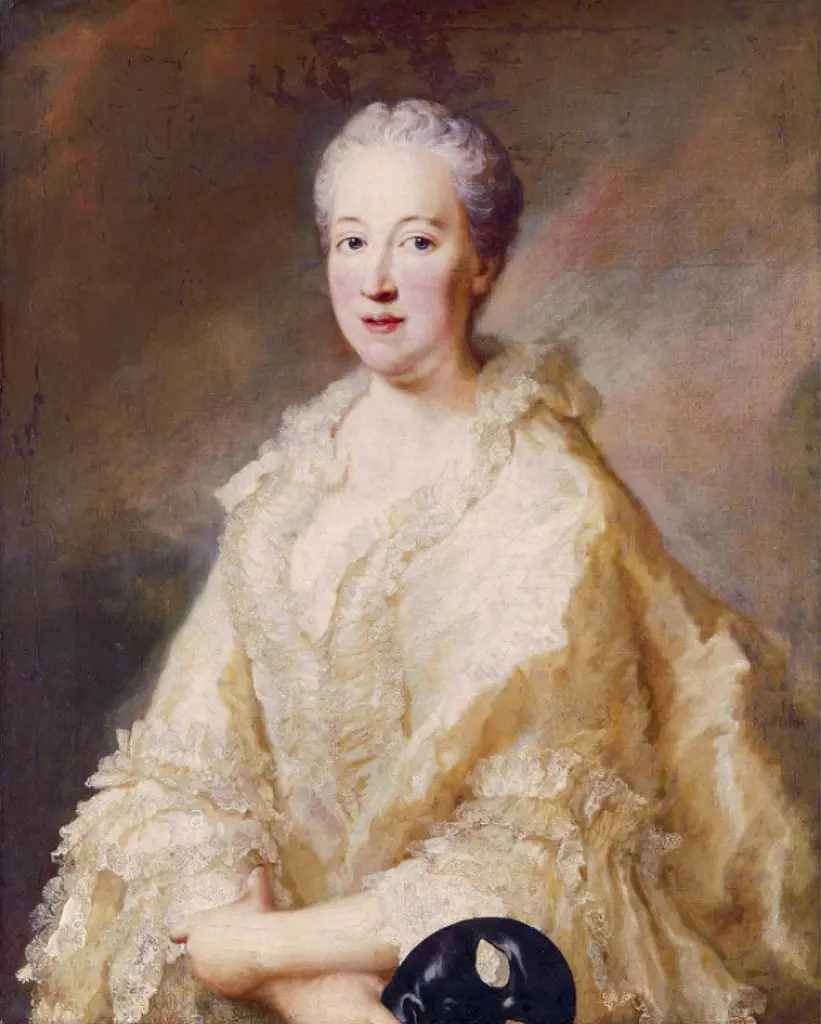 Portrait of Countess Palatine Maria Anna of Sulzbach (1722-1790)
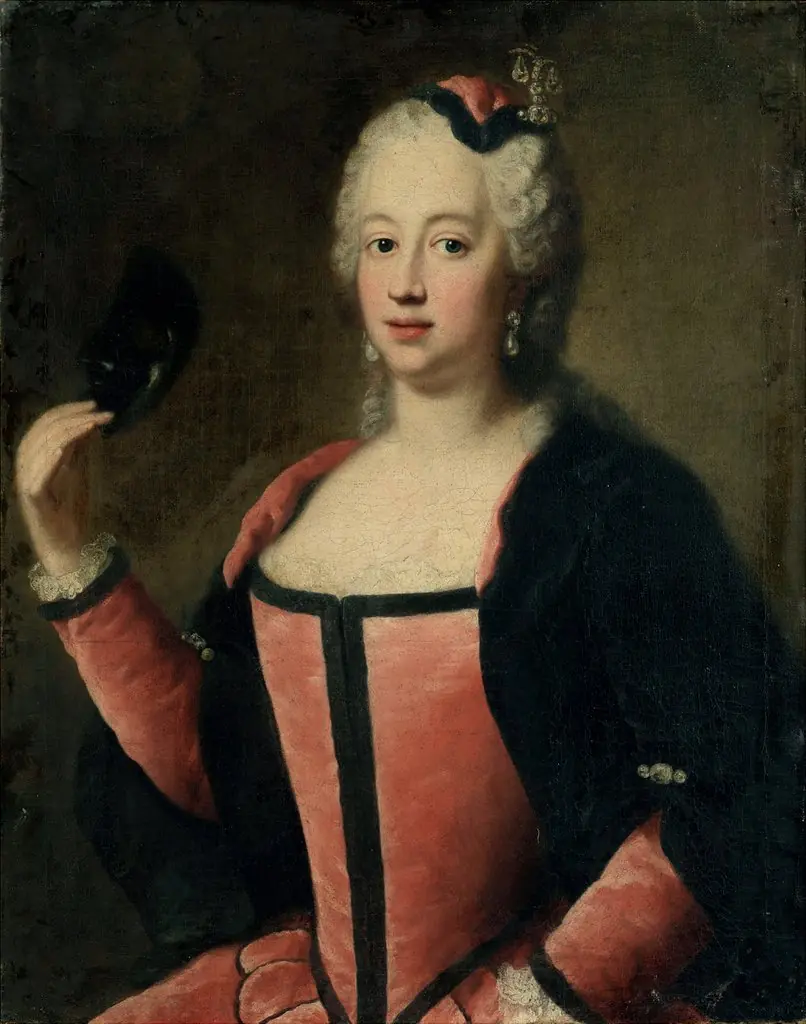 Maria Anna of Sulzbach
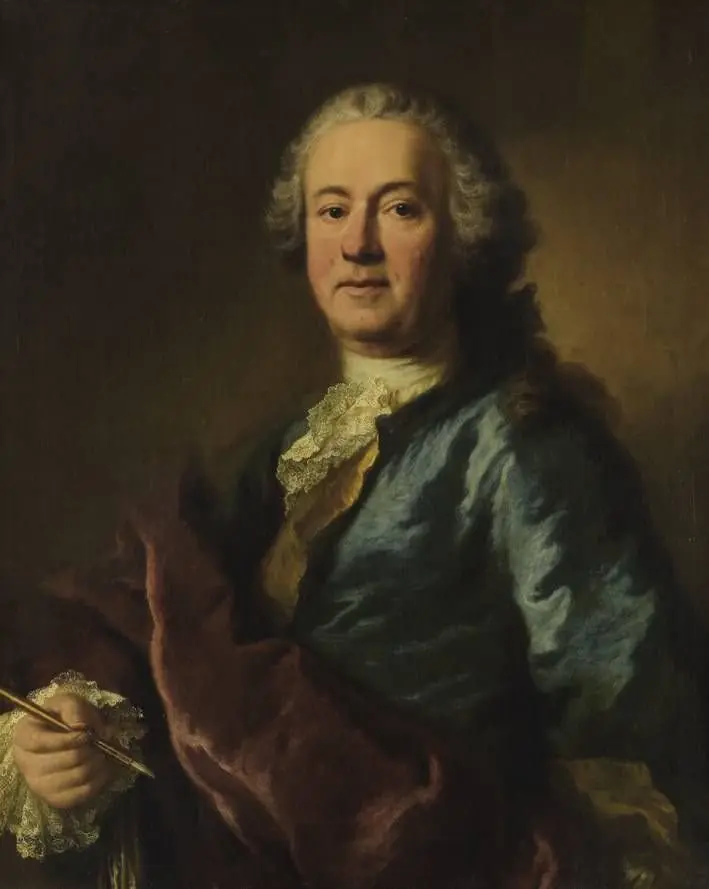 Bildnis des Hofmalers Balthasar August Albrecht (1687-1765)
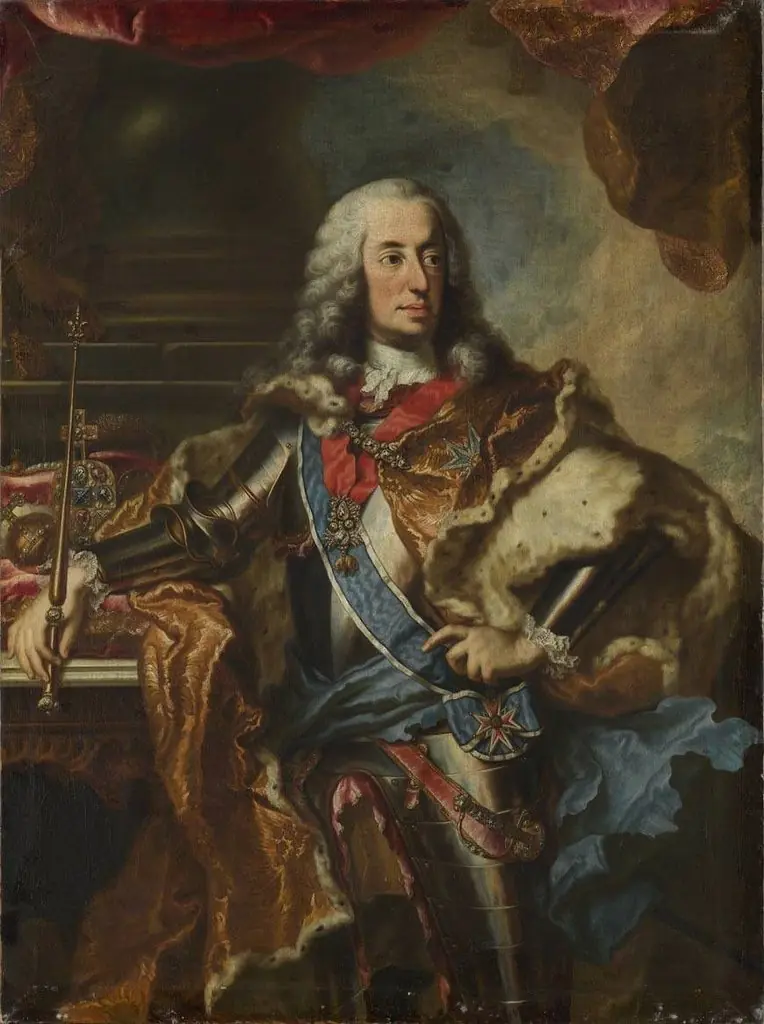 Kurfürst Karl Albrecht als Kaiser Karl VII. (1697-1745)
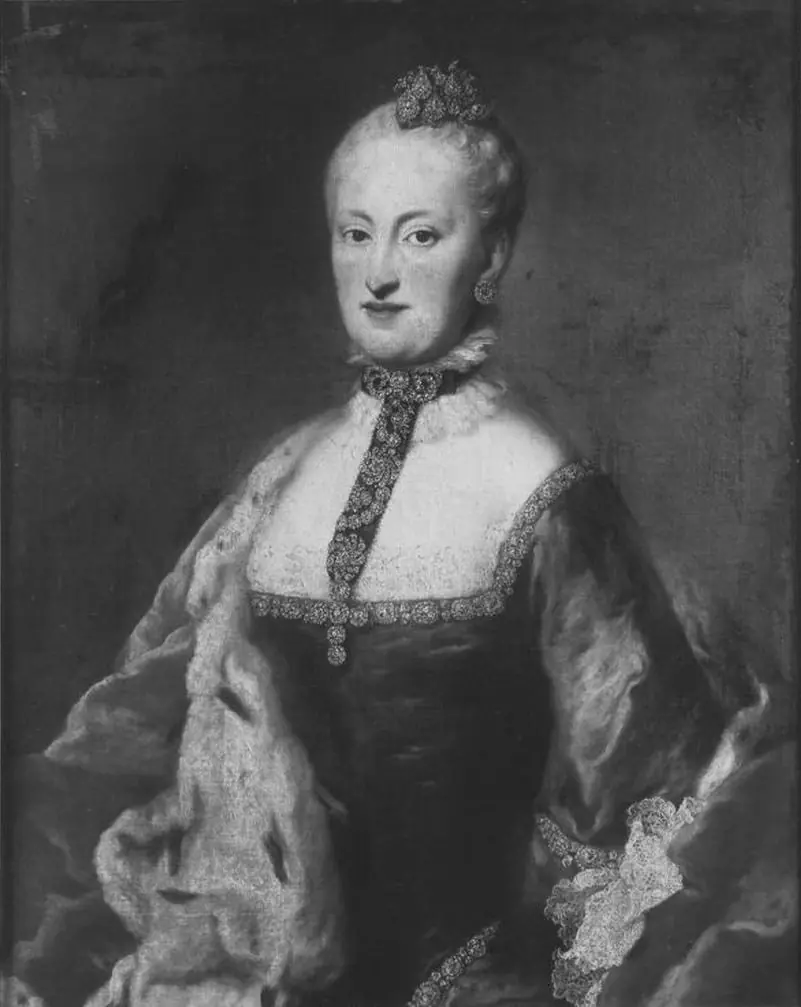 So-called portrait of Maria Anna Sophia of Saxony (1728–1797)
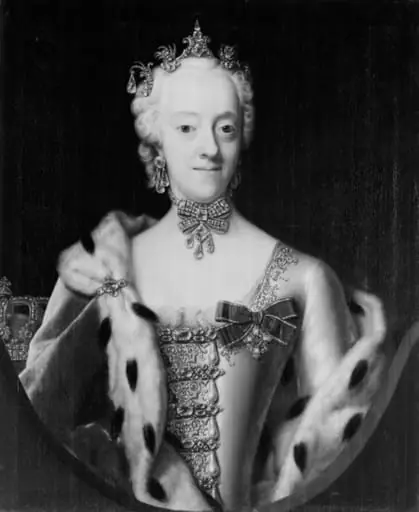 Princess Charlotte Amalie, Daughter of Frederik IV
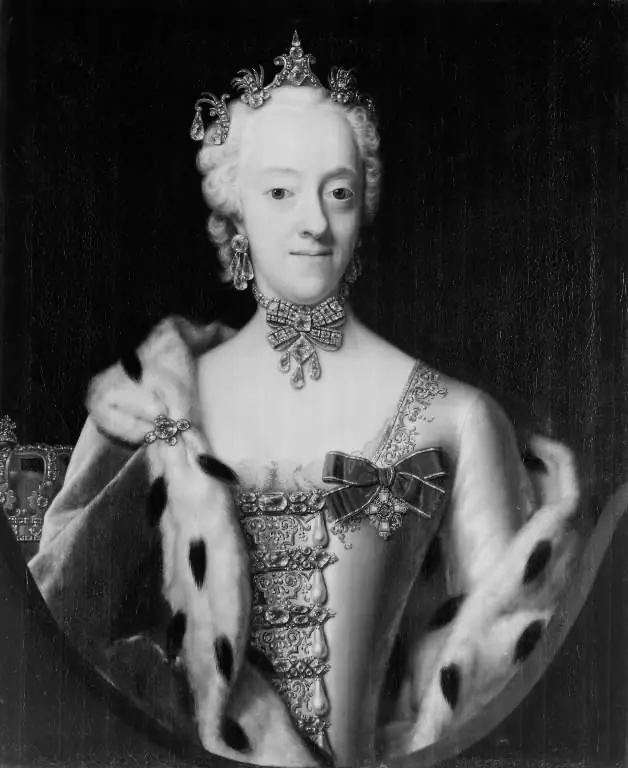 Princess Charlotte Amalie, Daughter of Frederik IV
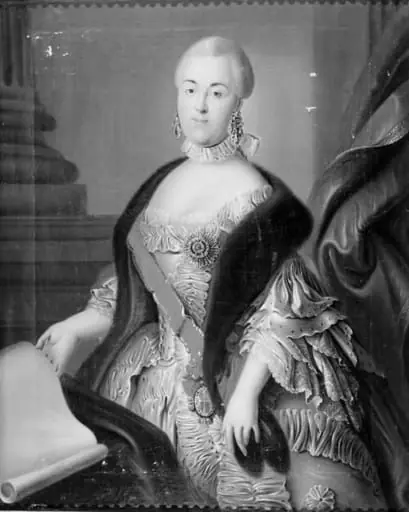 Carl Peter Ulricks gemalinde, Sofia Augusta. Katharina II af Rusland
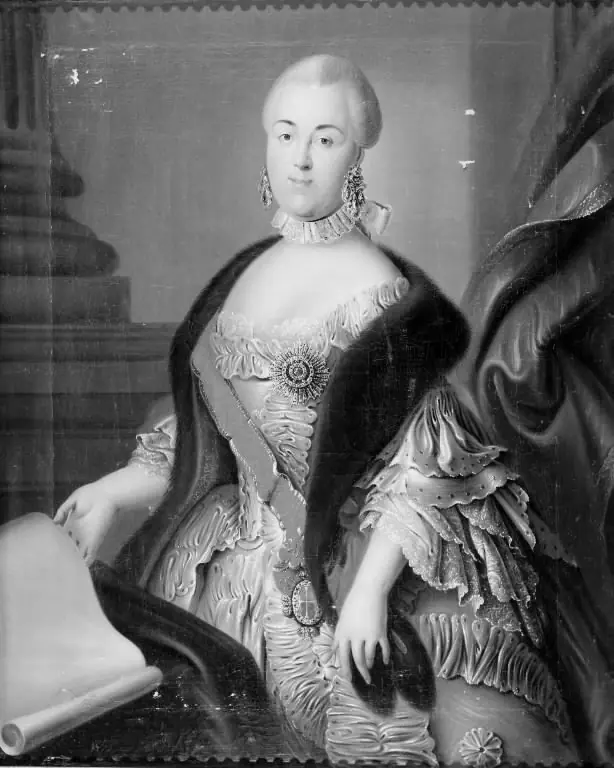 Carl Peter Ulricks gemalinde, Sofia Augusta. Katharina II af Rusland
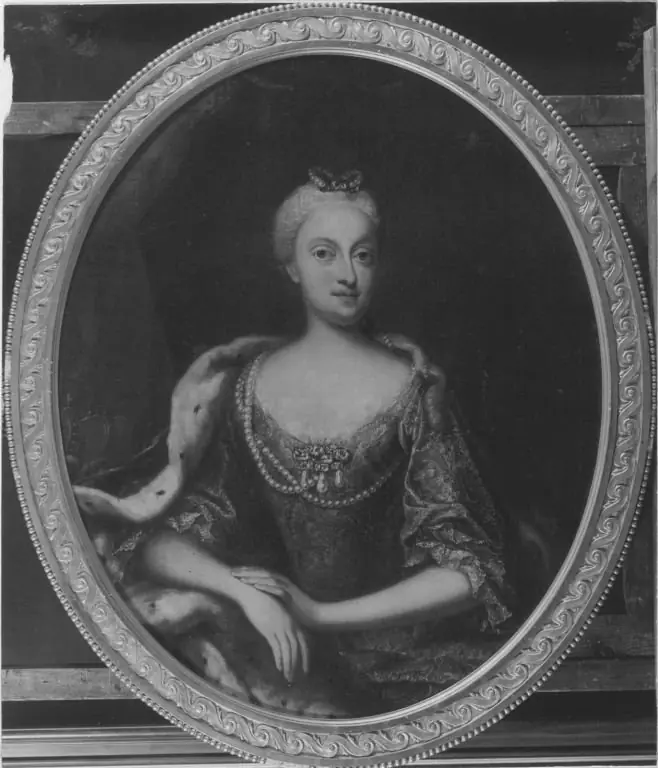 Kaiserin Maria Amalia, Gemahlin Kaiser Karls VII.
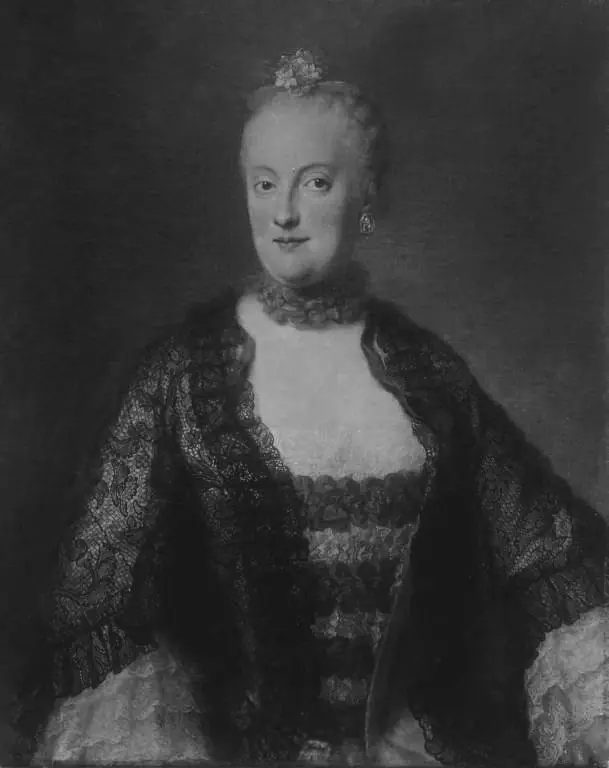 Maria Anna, Gemahlin des Kurfürsten Max III. Joseph von Bayern
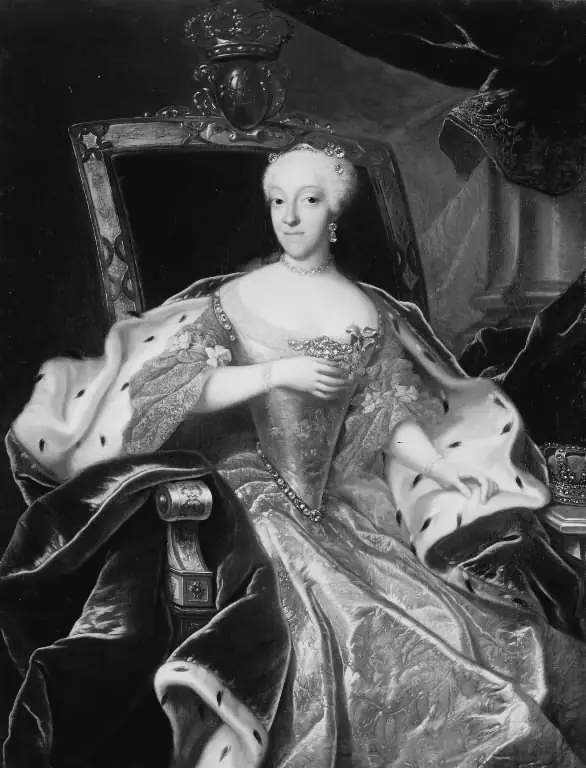 Prinsesse Charlotte Amalie, Frederik IV's datter
 Prinsesse Charlotte Amalie, Frederik IV's datter
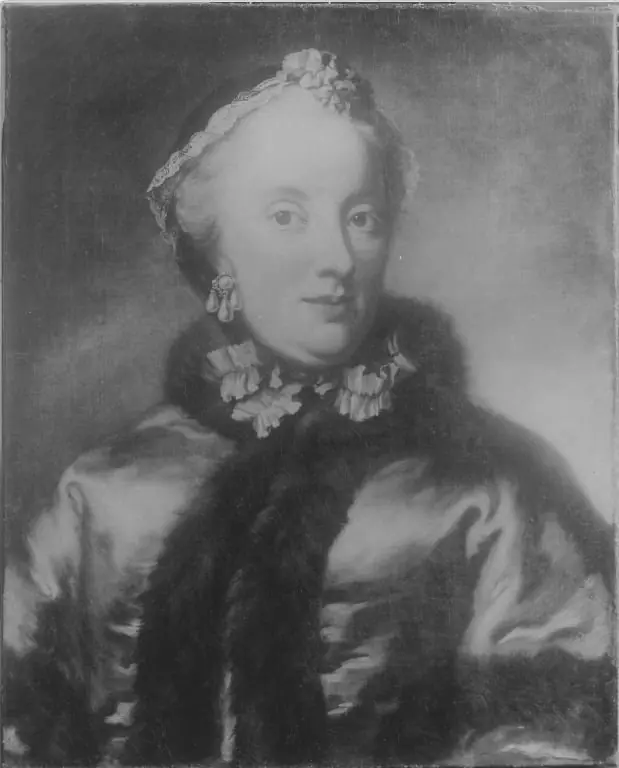 Bildnis der Maria Anna, Gemahlin des Kurfürsten Max III. Joseph (Werkstatt)