Artwork
Mandsportræt
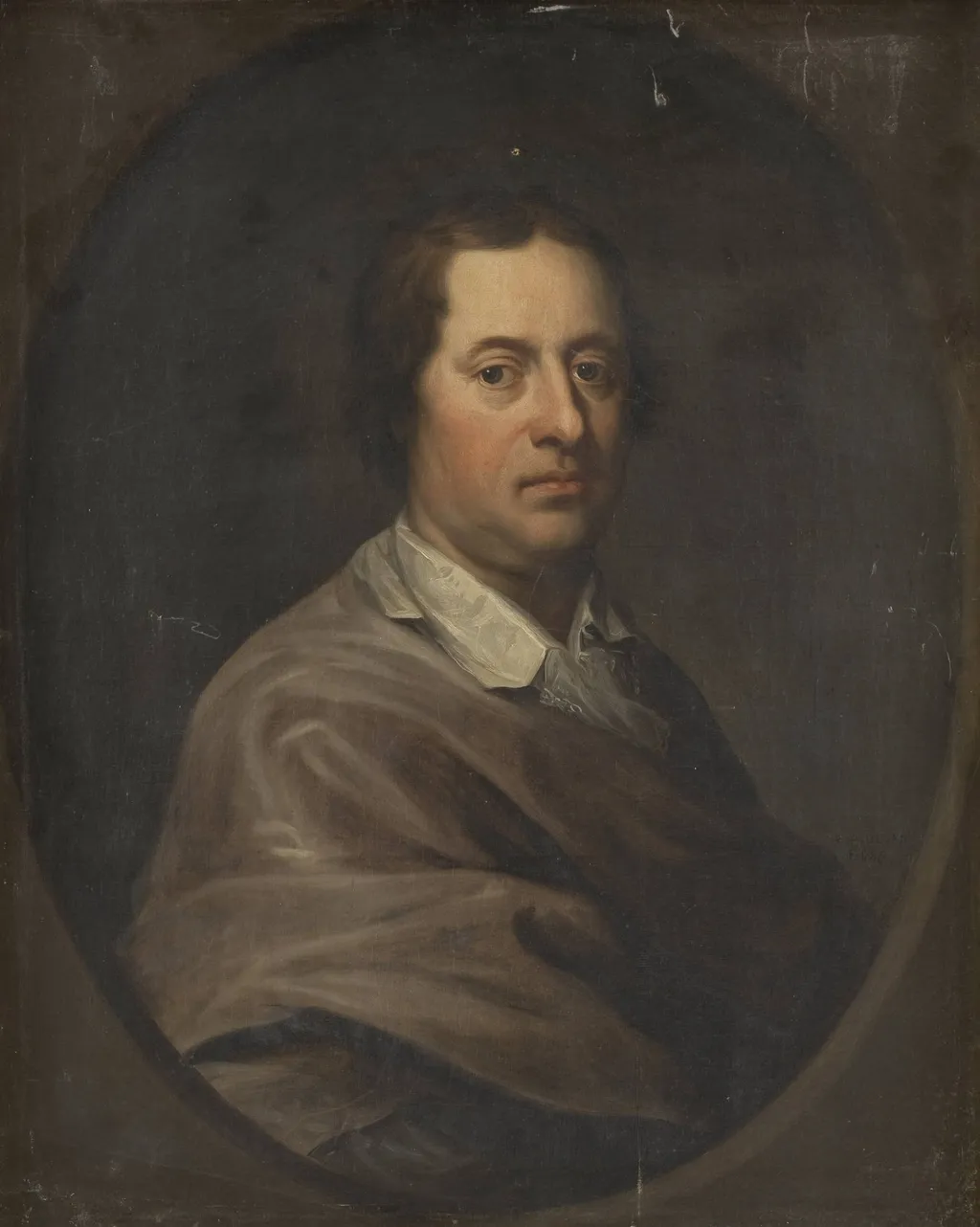
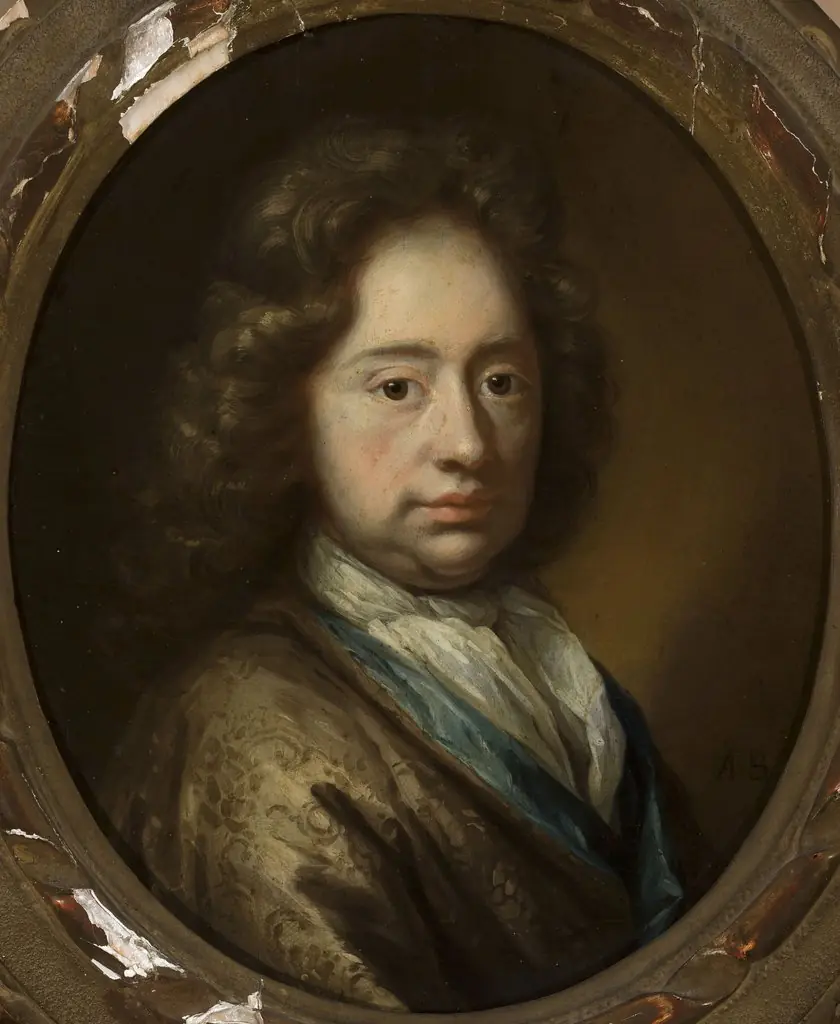
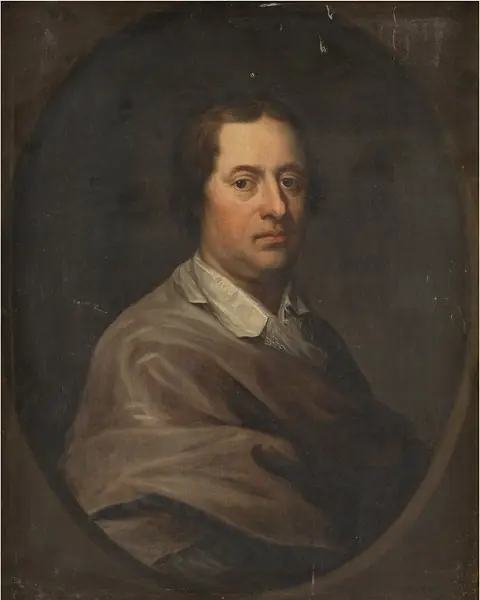
Mandsportræt is a photography by the Romanticist artist Unknown. It dates from 1786 and is held in the collection of the Statens Museum for Kunst. Created in 1786, this black-and-white portrait depicts a man with composed stillness.
About this work
Overview
Created in 1786, this black-and-white portrait depicts a man with composed stillness. Executed with precise tonal contrast, the image emphasizes facial structure through dramatic lighting. It resides in the Museum of Ethnography, where it functions as a record of individual presence rather than a formal commission.
Subject & Meaning
The subject is a man of measured demeanor, his direct gaze and restrained posture suggesting introspection or quiet authority. His attire—a dark coat over a light, high-collared shirt—hints at middle-class respectability. No identifiers are present, leaving his identity ambiguous, yet his expression conveys a sense of personal gravity.
Technique & Style
The portrait employs chiaroscuro to define form, using sharp contrasts between light and shadow to model the face and hands. The dark, unbroken background isolates the figure, enhancing three-dimensionality. Hair is rendered with fine, controlled strokes, and the lighting avoids softness, favoring clarity over sentiment.
History & Provenance
The work entered the Museum of Ethnography’s collection as part of a broader effort to document regional portraiture. Its origin remains undocumented beyond the date and medium, suggesting it may have been produced for private use before being acquired by the institution in the late 19th or early 20th century.
Context
In late 18th-century Europe, photographic portraiture did not yet exist; this image likely derives from a daguerreotype or early photographic process, or may be a meticulously rendered drawing or print mimicking such techniques. Its formal austerity aligns with Enlightenment-era ideals of rationality and individual dignity.
Legacy
The portrait endures as an example of early visual documentation that prioritizes psychological presence over ornamentation. Its preservation in an ethnographic context underscores its value as a cultural artifact, offering insight into how ordinary individuals were visually represented during a period of shifting social norms.
Artist & collection

 Domestic Scene
 Giacomo and Cardinal Marco, investing Andrea, Abbot of San Zeno, with his Benefice
 The Nymph of Fontainebleau
 Portrait of a Woman
 Madonna and Child with Saints in the Enclosed Garden
 Venus and Minerva
 Family Group of Four on Sofa
 Wall painting from Room H of the Villa of P. Fannius Synistor at Boscoreale
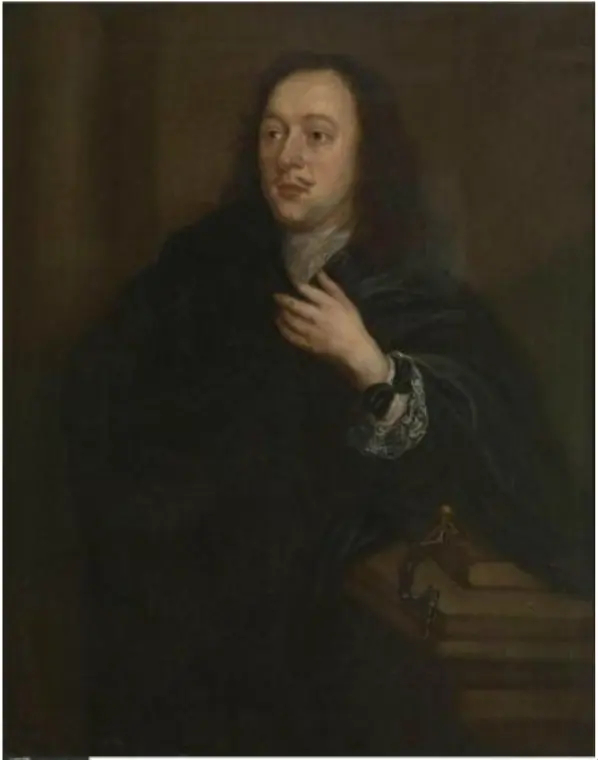 Portrait of Jan van de Vijvere, Dean of the Surgeons' Guild in Bruges
 Self-Portrait
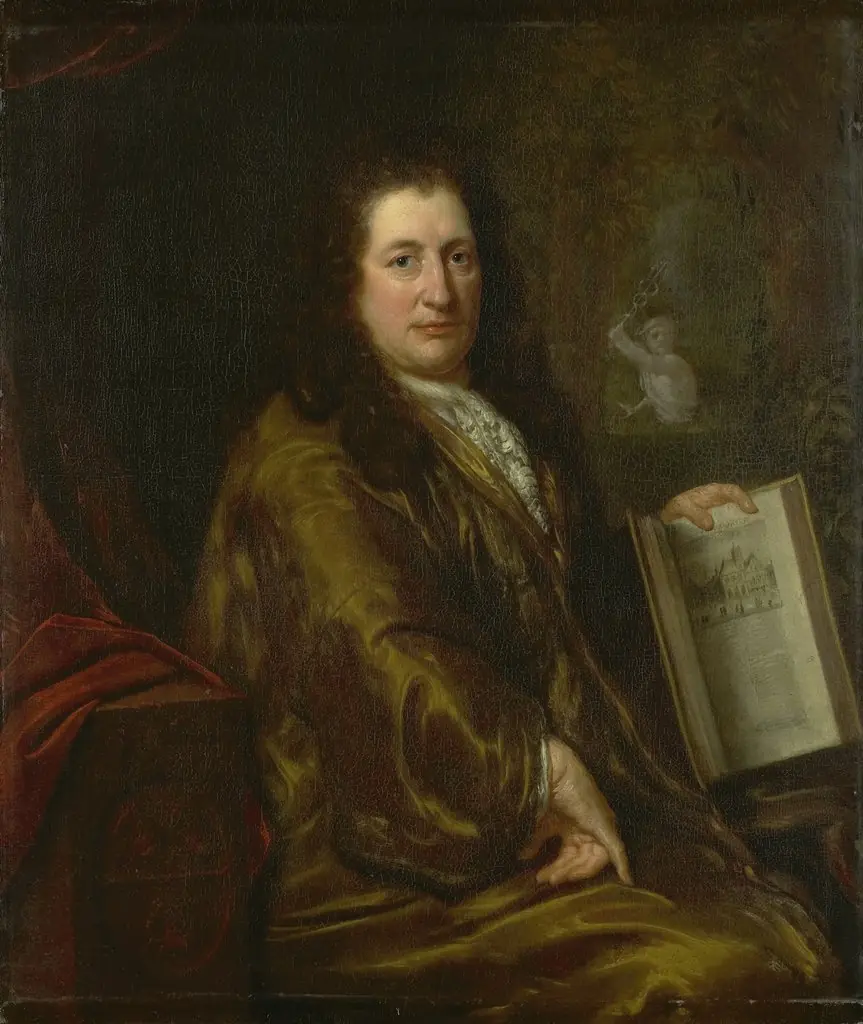 Portrait of Caspar Commelin, bookseller, newspaper publisher and author of the official history of Amsterdam 'Beschrijvinghe van Amsterdam'of 1693
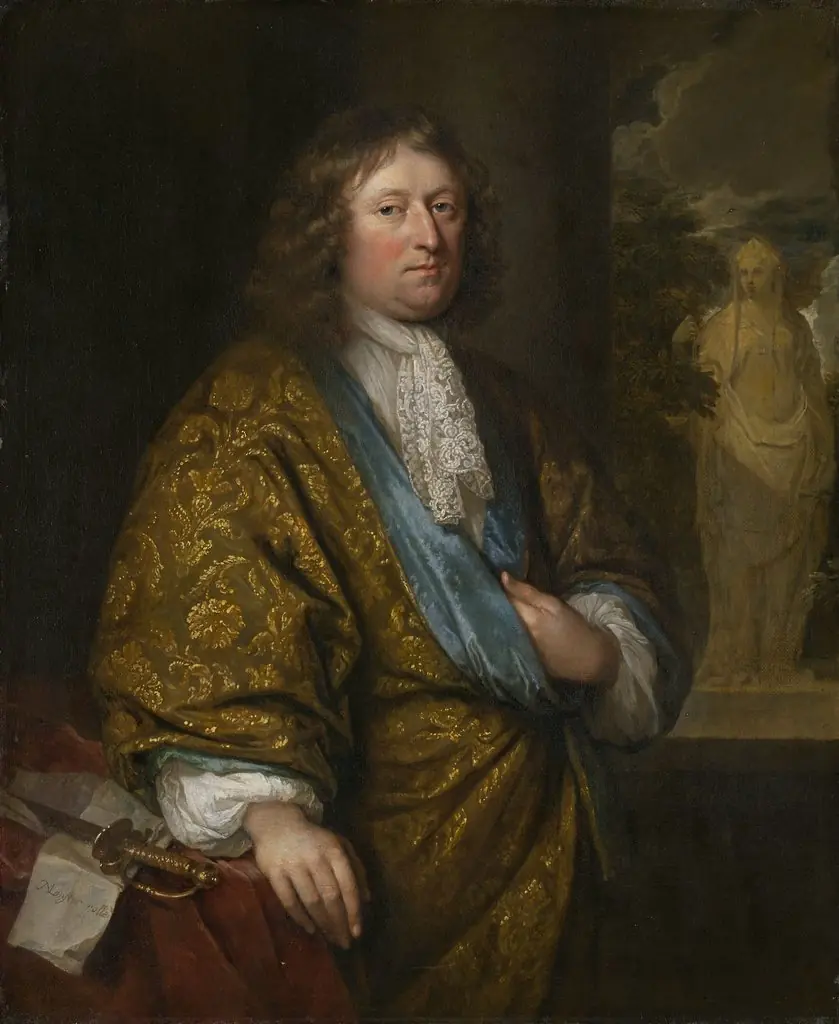 Portrait of a Gentleman
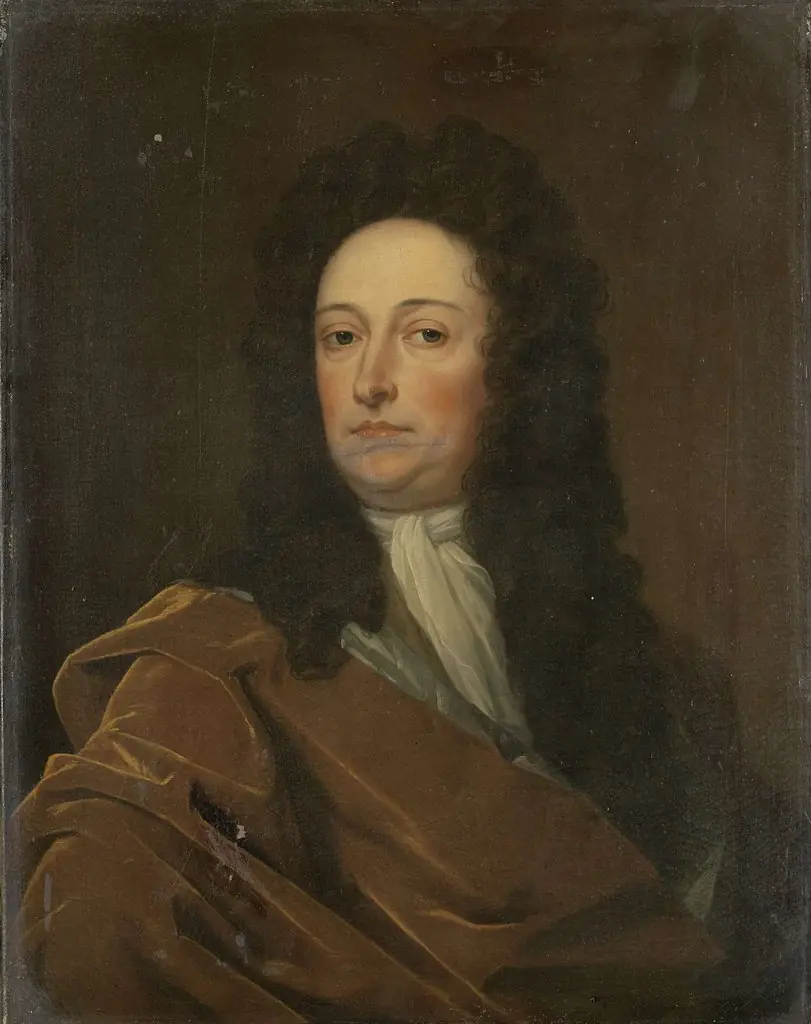 Aernout van Citters (1633-96), Ambassador of the Dutch Republic in London
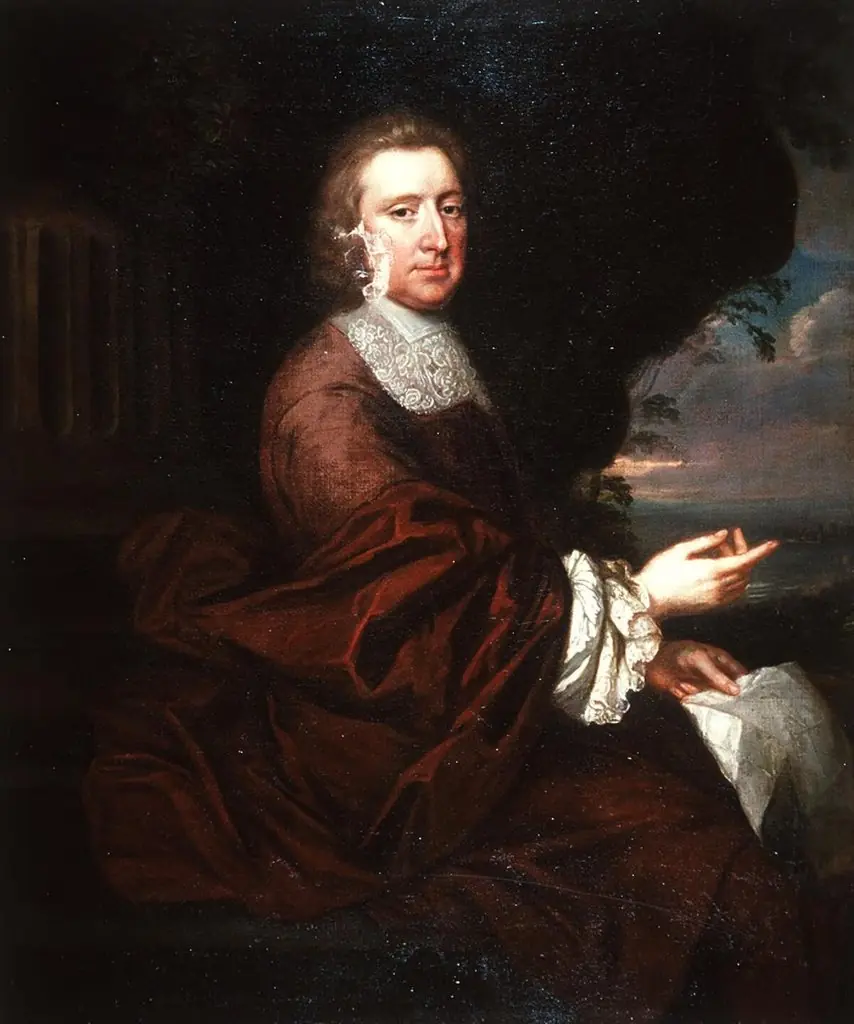 Portrait of a gentleman
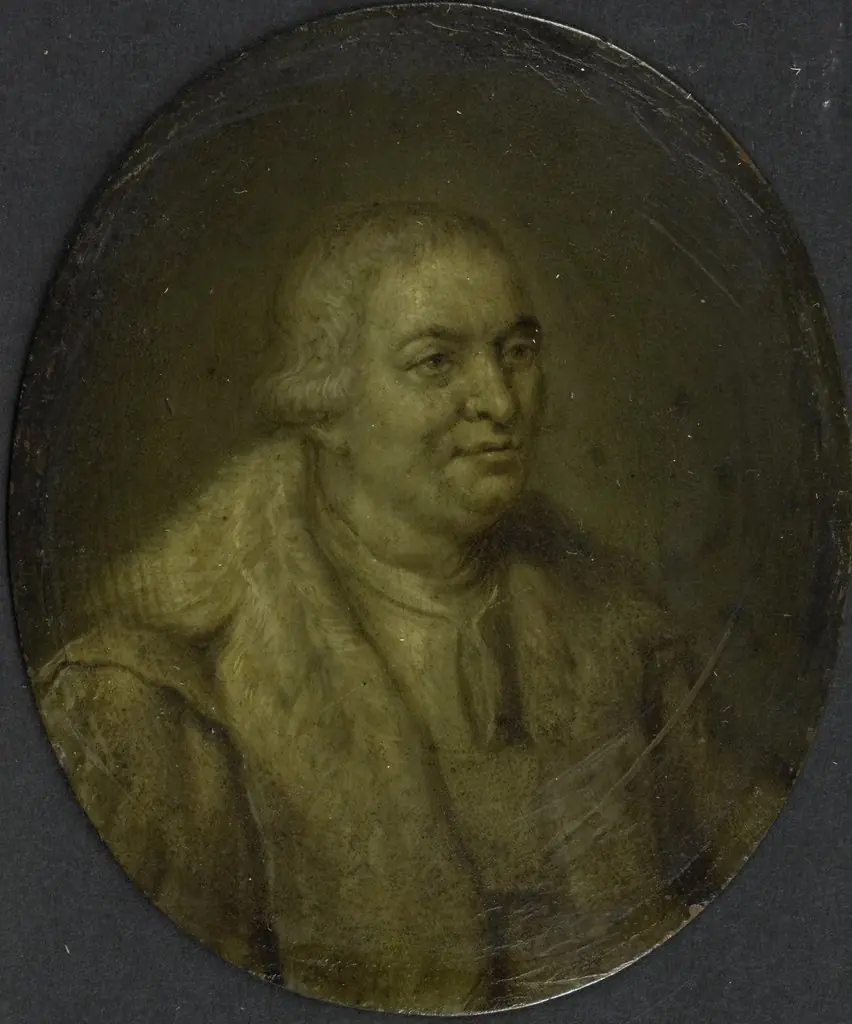 Jason Pratensis (1486-1558), physician of Zierikzee
 Portrait of a man
 Portrait of William Powell
 Portrait of William Powell
 Portrait of Johan van Bochoven (1624-93), Public prosecutor and councillor at the court of Flanders
 Mandsportræt