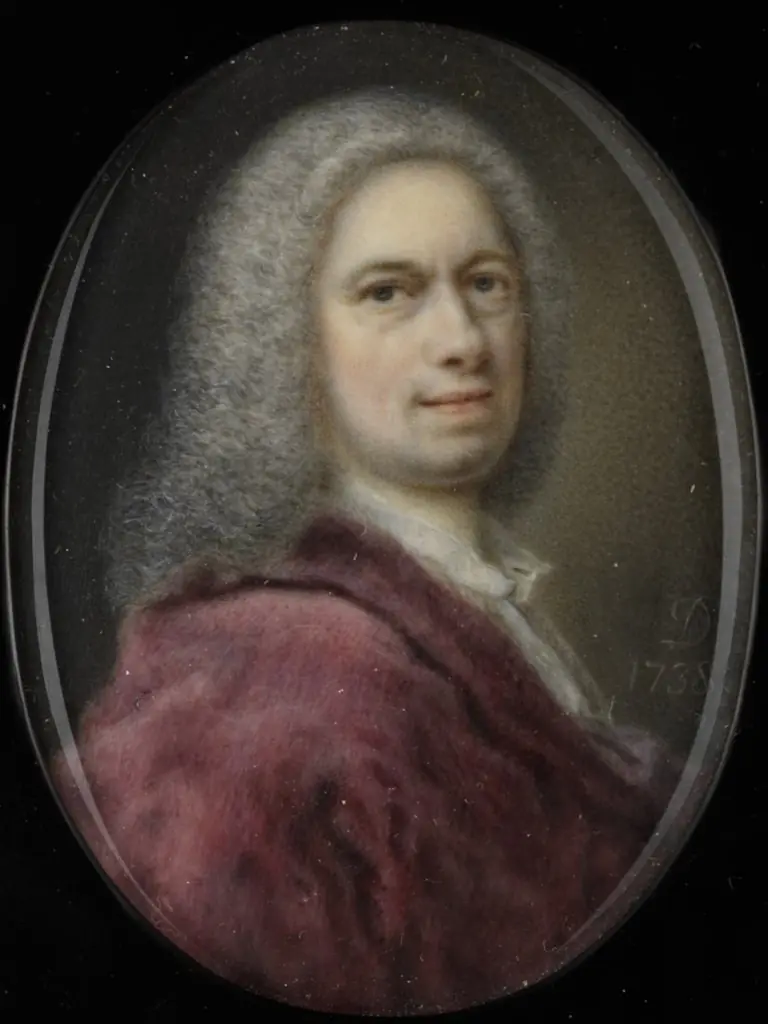
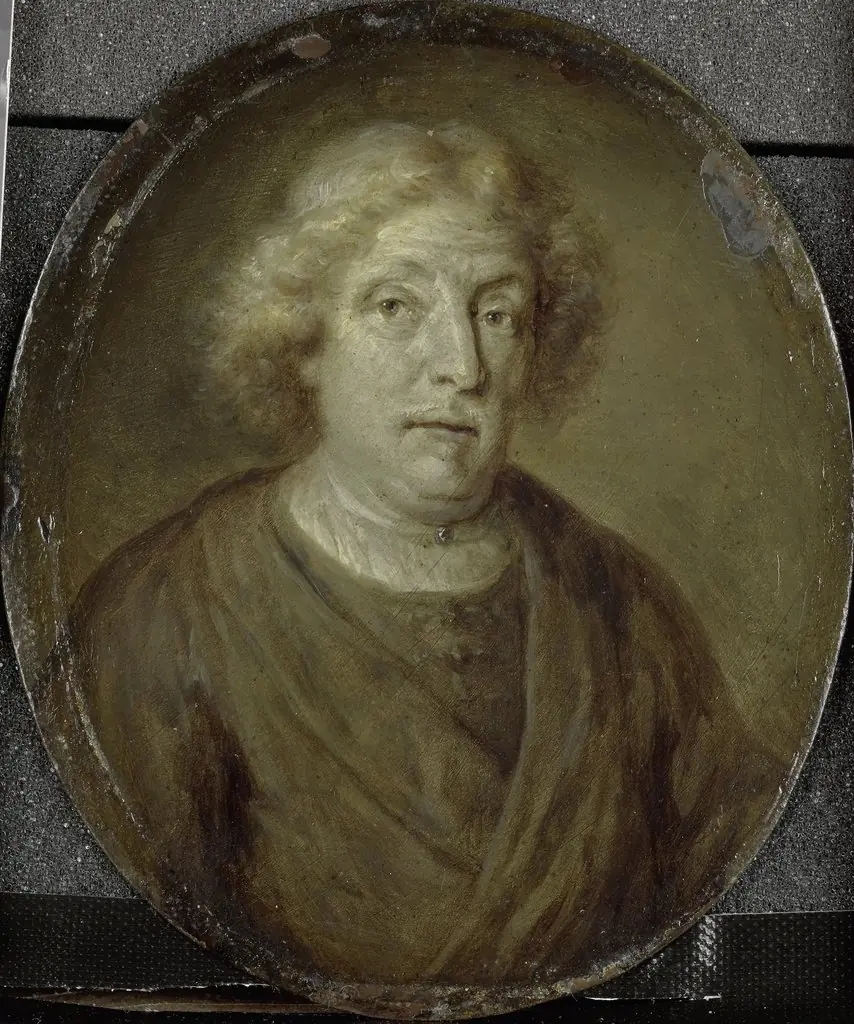
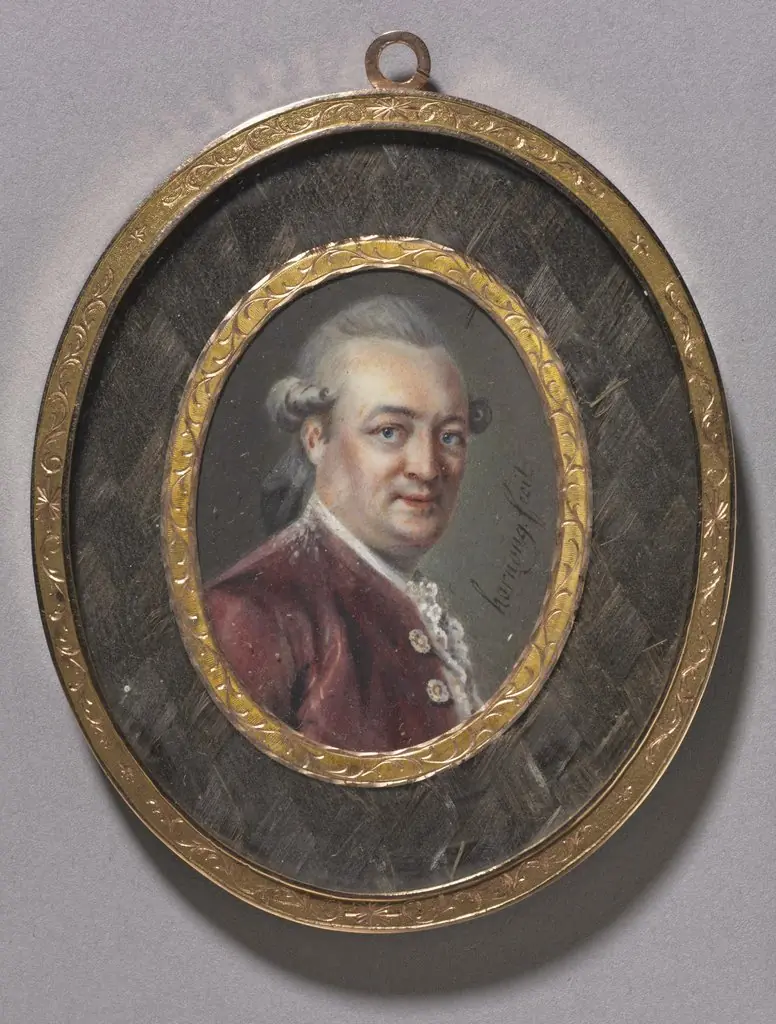
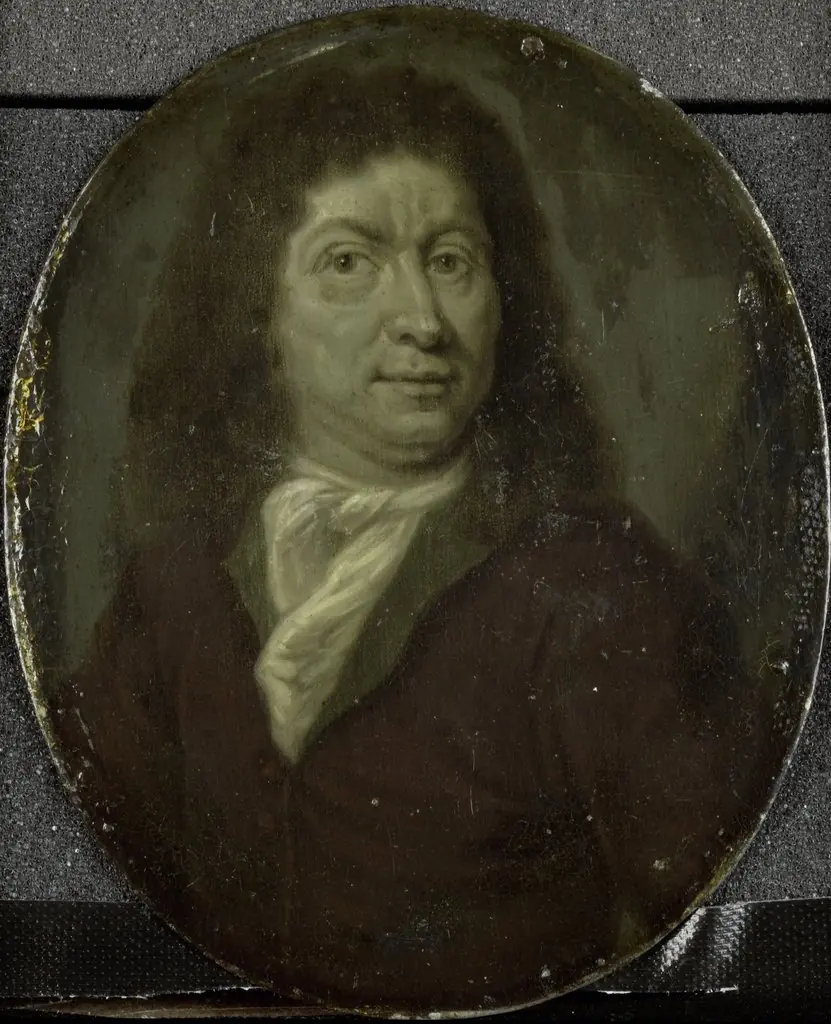
Artwork
Jason Pratensis (1486-1558), physician of Zierikzee
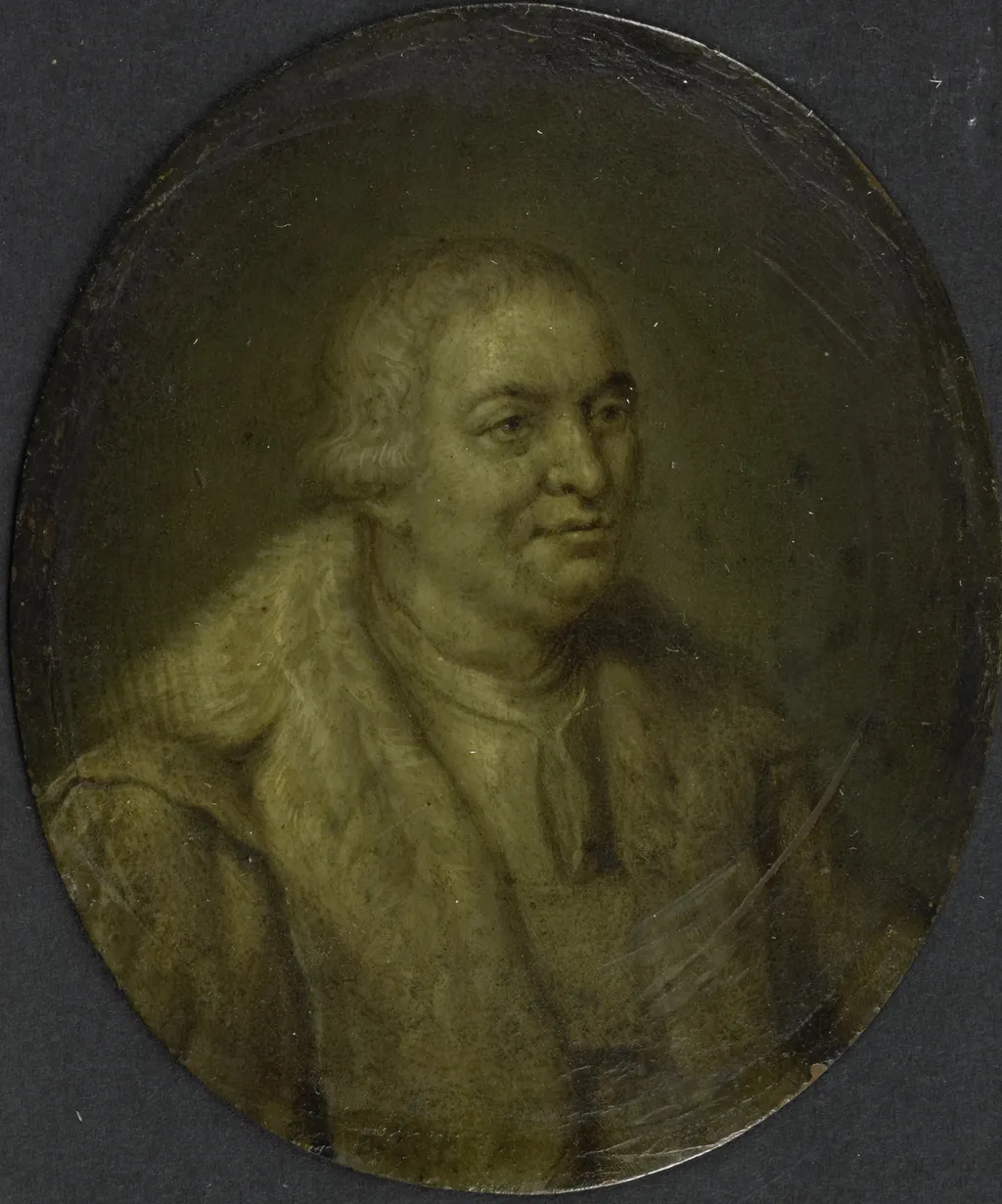
Jason Pratensis (1486-1558), physician of Zierikzee is an oil painting by the Rococo painting artist Jan Maurits Quinkhard. It dates from 1750 and is held in the collection of the Rijksmuseum.
About this work
Overview
Jan Maurits Quinkhard (1688–1772) created a copper portrait of the 16th‑century physician Jason Pratensis, who lived from 1486 to 1558 in Zierikzee. Executed in the mid‑18th century, the work exemplifies the formal portrait conventions of its time and is part of the Rijksmuseum’s collection.
Subject & Meaning
The sitter is presented as a learned man, his attire and solemn expression emphasizing his status as a physician. The plain, dark background removes distractions, directing attention to Pratensis’s face and the dignified bearing associated with scholarly authority in early modern Europe.
Technique & Style
Quinkhard employed copper as his support, allowing for fine detail and a smooth surface. Soft modeling of the features creates a subtle three‑dimensional effect, while the restrained palette and modest lighting echo the chiaroscuro techniques that were popular in Dutch portraiture of the period.
History & Provenance
Although Pratensis lived in the 1500s, the portrait was produced centuries after his death, reflecting a later interest in commemorating historic figures. The painting entered the Rijksmuseum’s holdings through acquisition in the 20th century, where it remains on display as part of the museum’s Dutch portrait collection.
Artist & collection
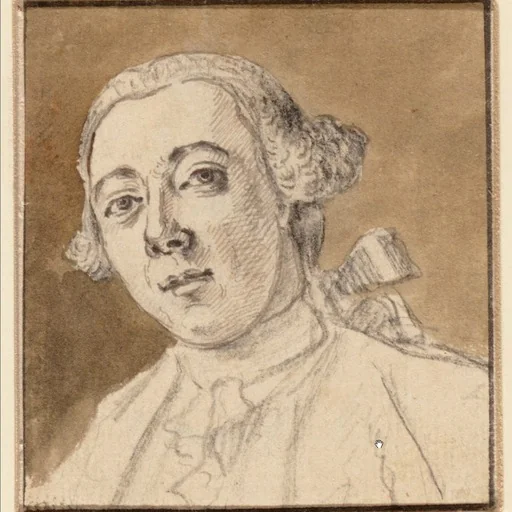
Artist
Jan Maurits Quinkhard (28 January 1688 – 11 November 1772) was an 18th-century painter and print designer from the Dutch Republic.

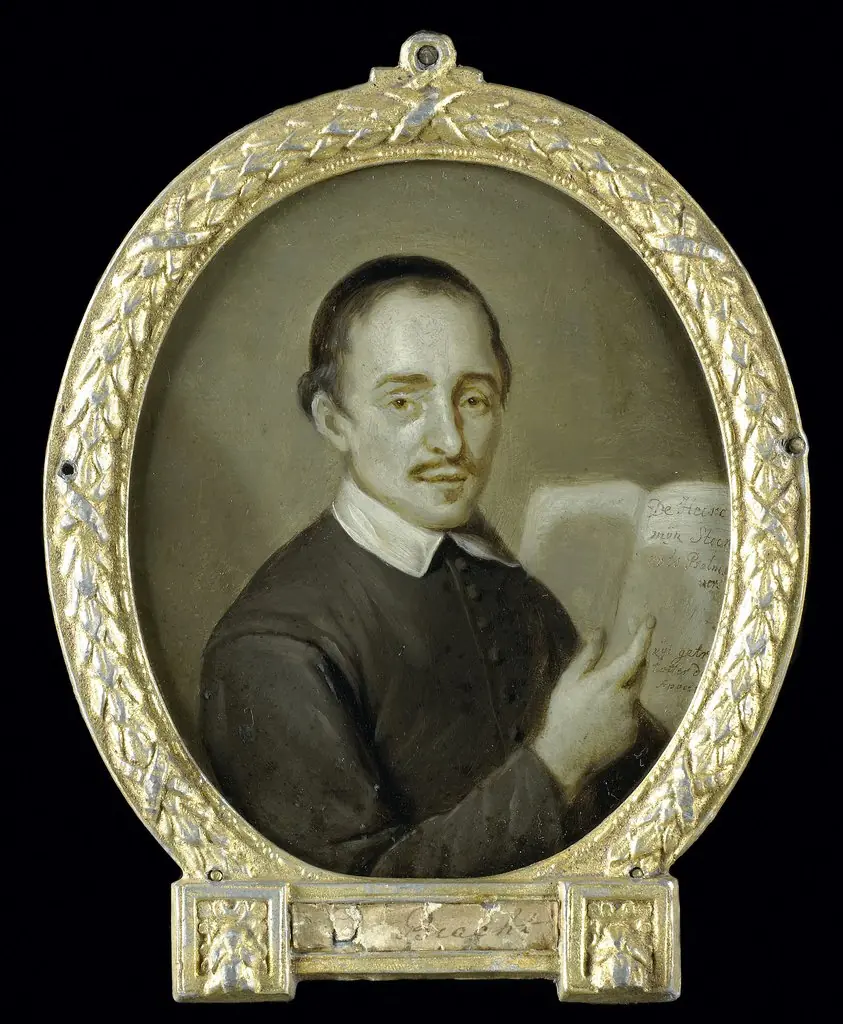 Portrait of Tieleman Jansz van Bracht, Clergyman and Poet in Dordrecht
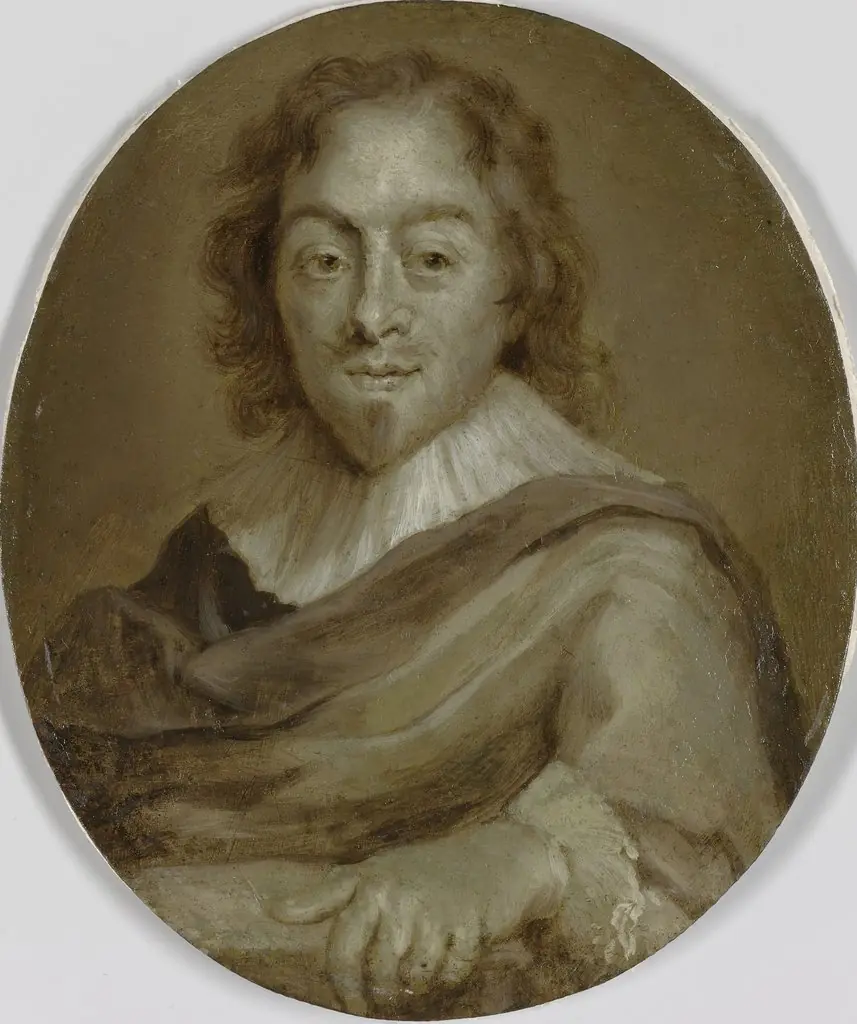 Portrait of Constantijn Huygens, Poet, Secretary to Prince Frederick Henry and Prince William II and First Councilor and Exchequer to William III
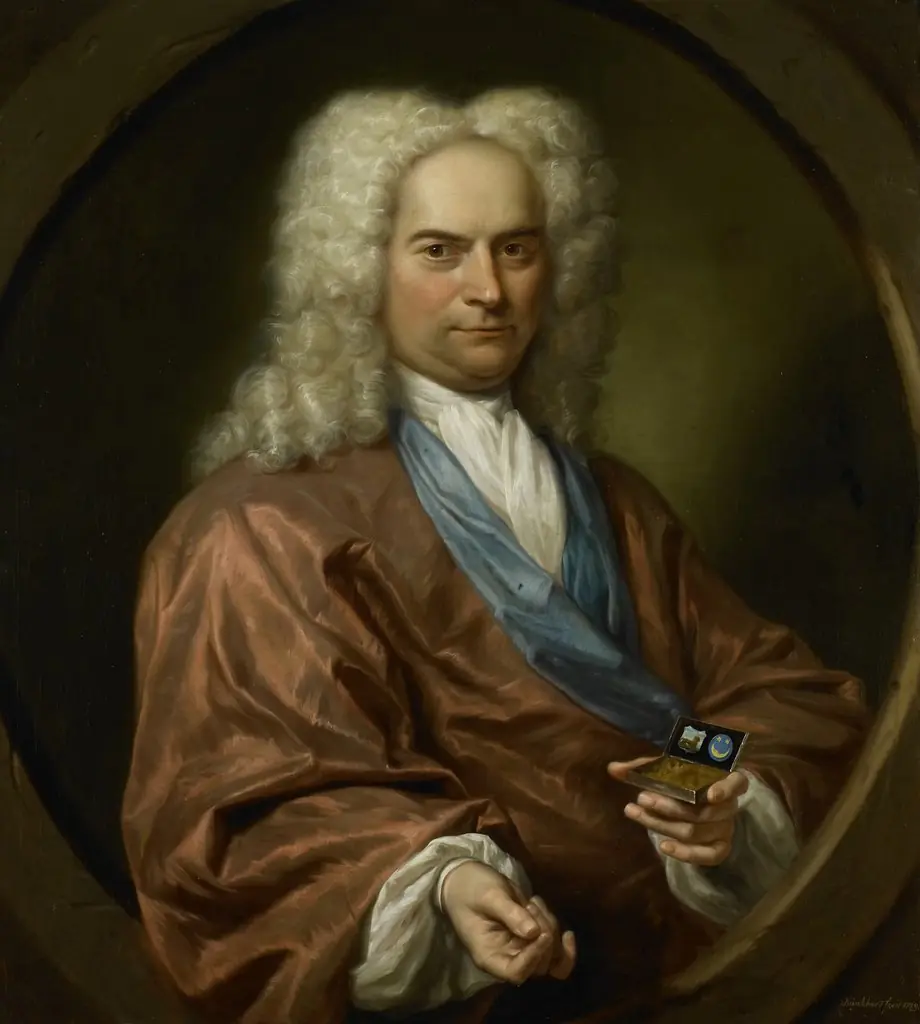 Portrait of David Leeuw, Mennonite Cloth and Dry Goods Merchant
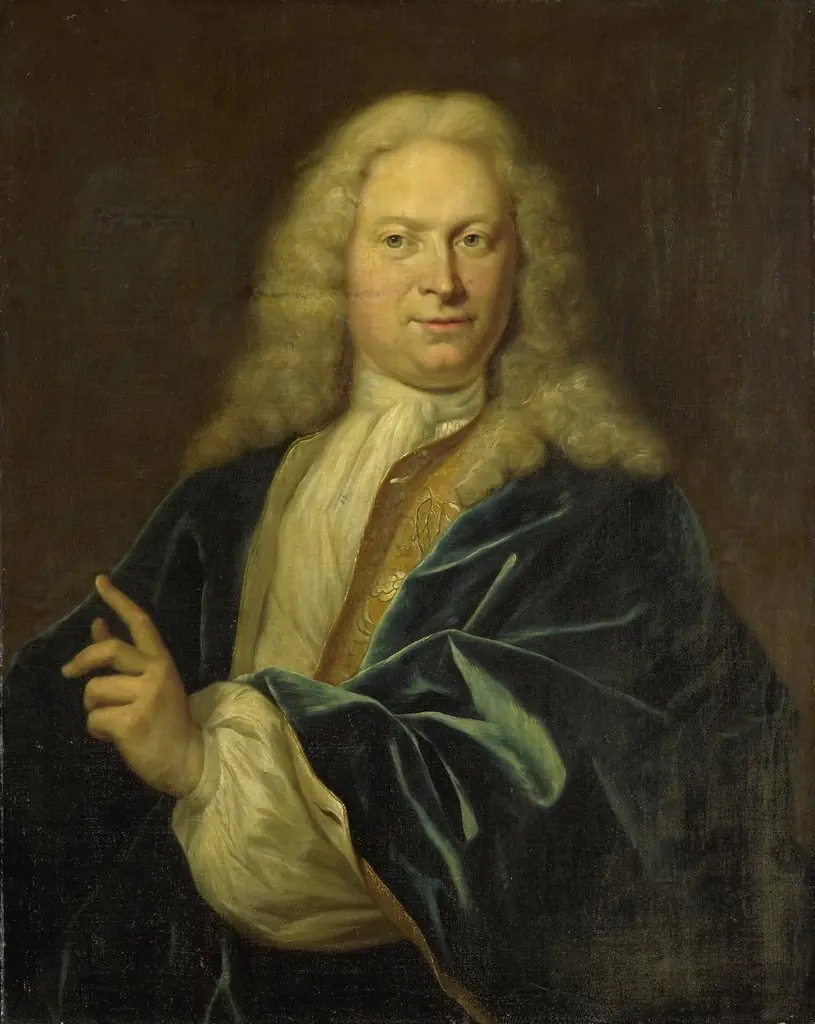 Portrait of Jan Hendrik van Heemskerck, Count of the Holy Roman Empire, Lord of Achttienhoven, Den Bosch and Eyndschoten, Captain of the Citizenry of Amsterdam (Johan Hendrik Graaf Van Heemskerk)
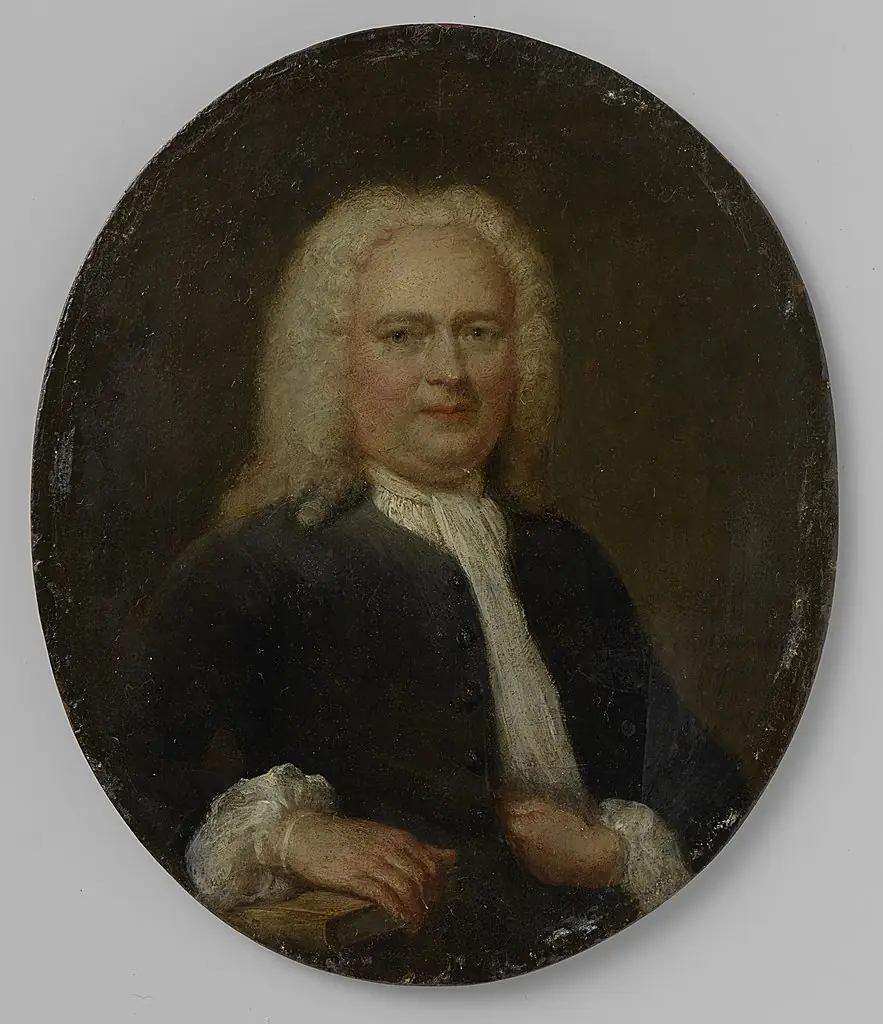 Portrait of a Man, perhaps a Member of the Klinkhamer Family
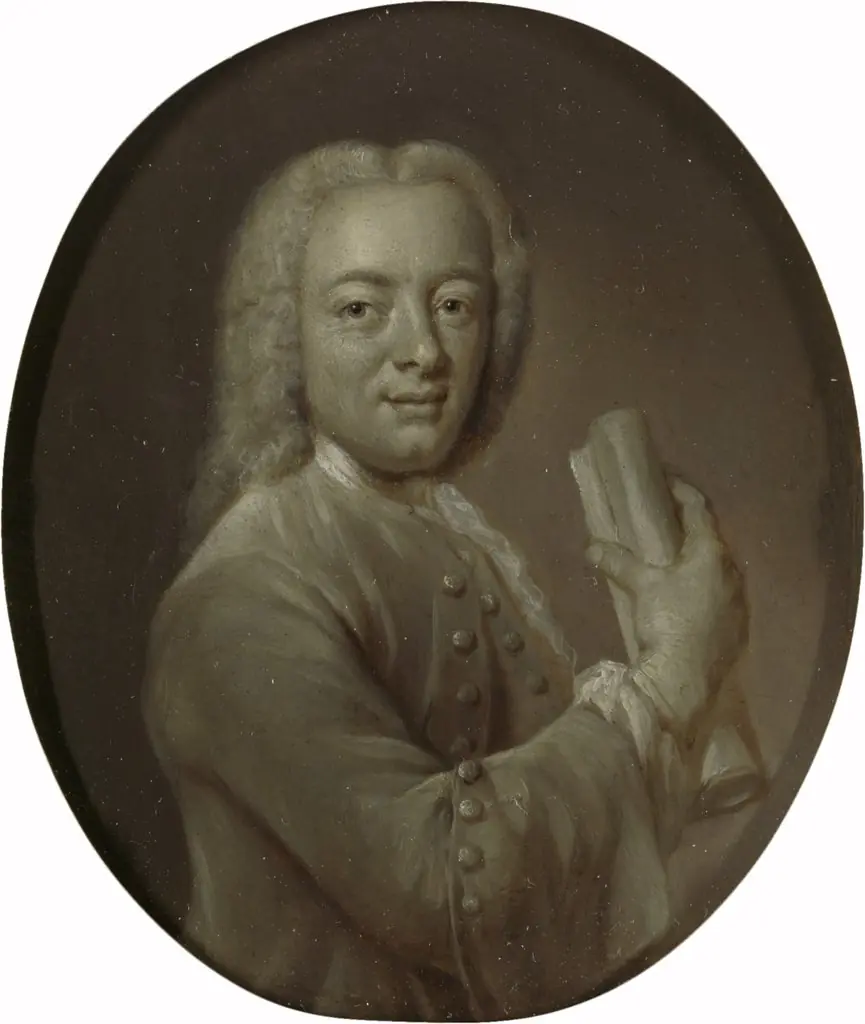 Portrait of Bernardus de Bosch I, Poet in Panpoeticon Batavum
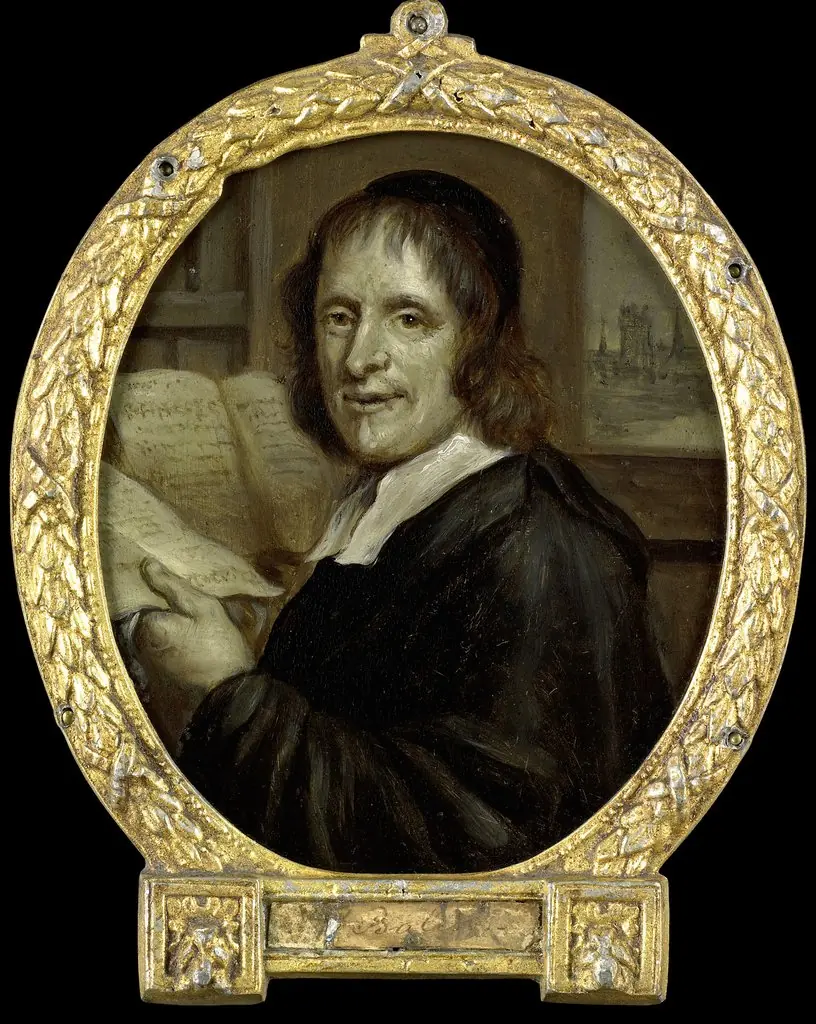 Matthijs Balen Jansz (1611-91), poet and chronicler of Dordrecht
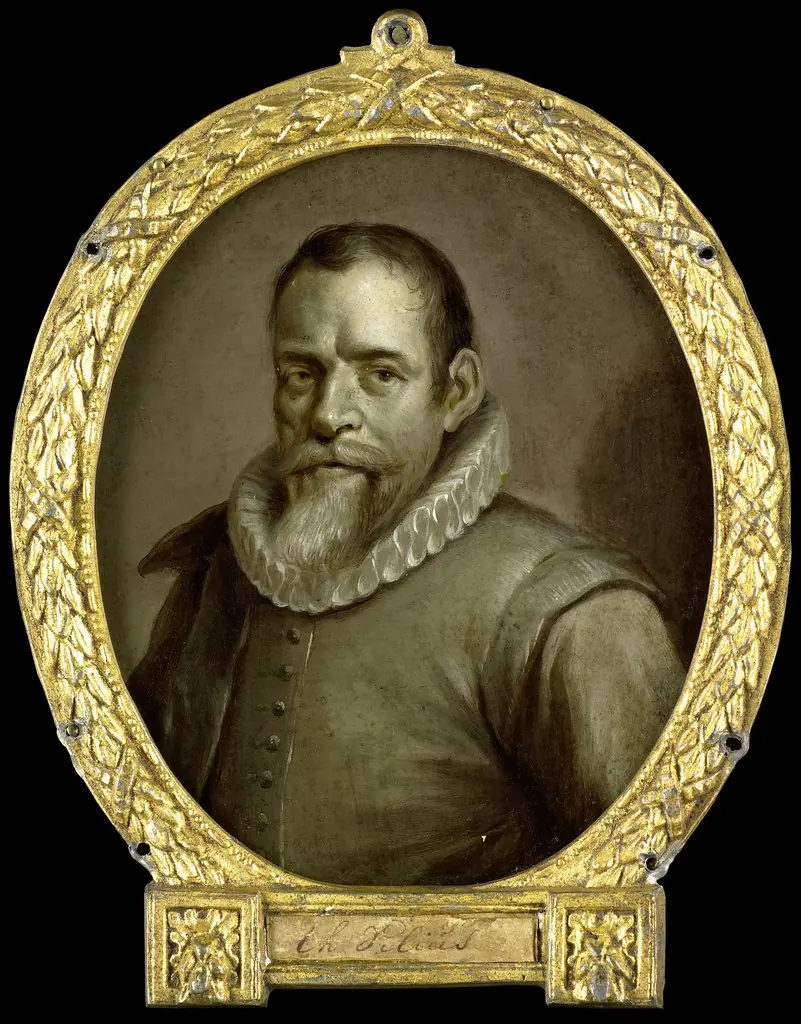 Portrait of Theodorus Velius, Writer of the Chronicle of Horn