Artwork
Portræt af en sort hingst
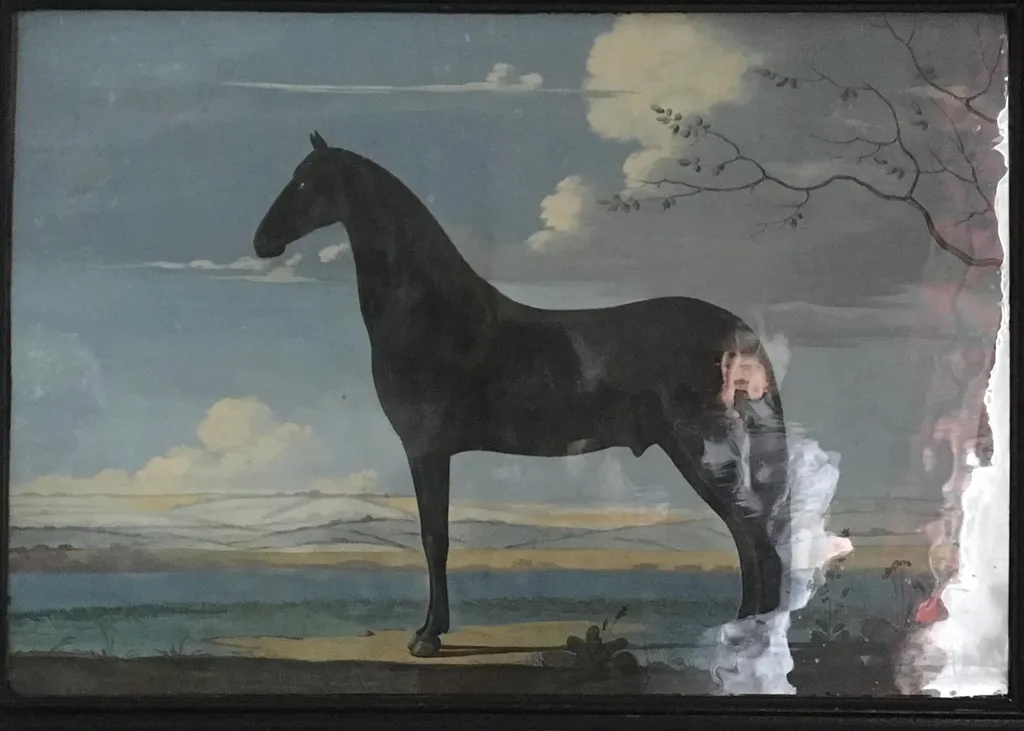
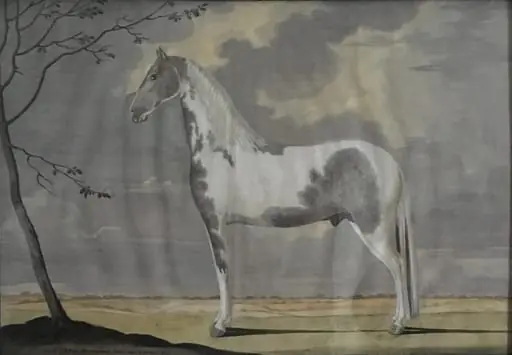
Portræt af en sort hingst is an unspecified work on paper by the Romanticist artist Unknown. It dates from 1795 and is held in the collection of the Statens Museum for Kunst. Painted in 1795 by 721_person, this watercolor depicts a black stallion standing alone in a quiet landscape.
About this work
Overview
Its composition centers the animal against a muted natural setting, using delicate tonal shifts to suggest atmosphere rather than detail.
Painted in 1795 by 721_person, this watercolor depicts a black stallion standing alone in a quiet landscape. The work is part of the collection at the Museum of Ethnography. Its composition centers the animal against a muted natural setting, using delicate tonal shifts to suggest atmosphere rather than detail. The medium and approach reflect a sensitivity to light and form characteristic of late 18th-century observational art.
Subject & Meaning
The stallion, rendered in deep tones, is the sole subject, positioned with its head turned toward the viewer as if aware of observation. Its isolation in an open landscape evokes a sense of quiet dignity. No human figures or symbolic elements are present, suggesting the artist intended the animal itself as a subject of contemplation—emphasizing presence over narrative or allegory.
Technique & Style
Executed in watercolor, the painting employs translucent layers to achieve soft transitions between light and shadow. The horse’s form is defined by subtle gradations rather than sharp lines, while the background—water, sand, and foliage—is rendered with loose, atmospheric strokes. This technique creates a gentle, almost ethereal quality, aligning with contemporary interest in natural subtlety over dramatic contrast.
History & Provenance
The work has been held by the Museum of Ethnography since at least the early 20th century, though its earlier ownership remains undocumented. Its acquisition likely reflects a broader 19th-century interest in natural history and animal portraiture as subjects worthy of systematic collection. No exhibition or publication history is widely recorded prior to its institutional custody.
Context
Created during the height of Romanticism, the painting resonates with period tendencies to elevate nature as a source of emotional and aesthetic experience. While not overtly dramatic, its focus on a solitary animal in a tranquil setting aligns with broader cultural shifts toward introspective engagement with the natural world, distinct from earlier formal portraiture traditions.
Legacy
Though not widely reproduced or studied, the painting contributes to a lesser-known strand of Nordic observational art from the late 1700s. Its quiet intensity and technical restraint offer insight into how artists outside major urban centers engaged with natural subjects, preserving a nuanced record of animal representation in pre-industrial visual culture.
Artist & collection

 Domestic Scene
 Giacomo and Cardinal Marco, investing Andrea, Abbot of San Zeno, with his Benefice
 The Nymph of Fontainebleau
 Portrait of a Woman
 Madonna and Child with Saints in the Enclosed Garden
 Venus and Minerva
 Family Group of Four on Sofa
 Wall painting from Room H of the Villa of P. Fannius Synistor at Boscoreale
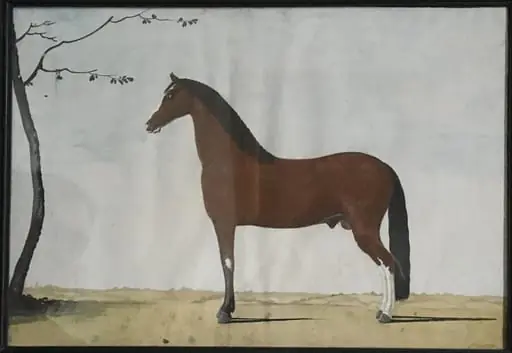 Portræt af en brun hingst med hvid blis og hvide sokker på bagbenene
 Landskab med strand, til venstre noget af en søjlegang; foran et skib, til højre folk i færd med at sætte båd i vandet.
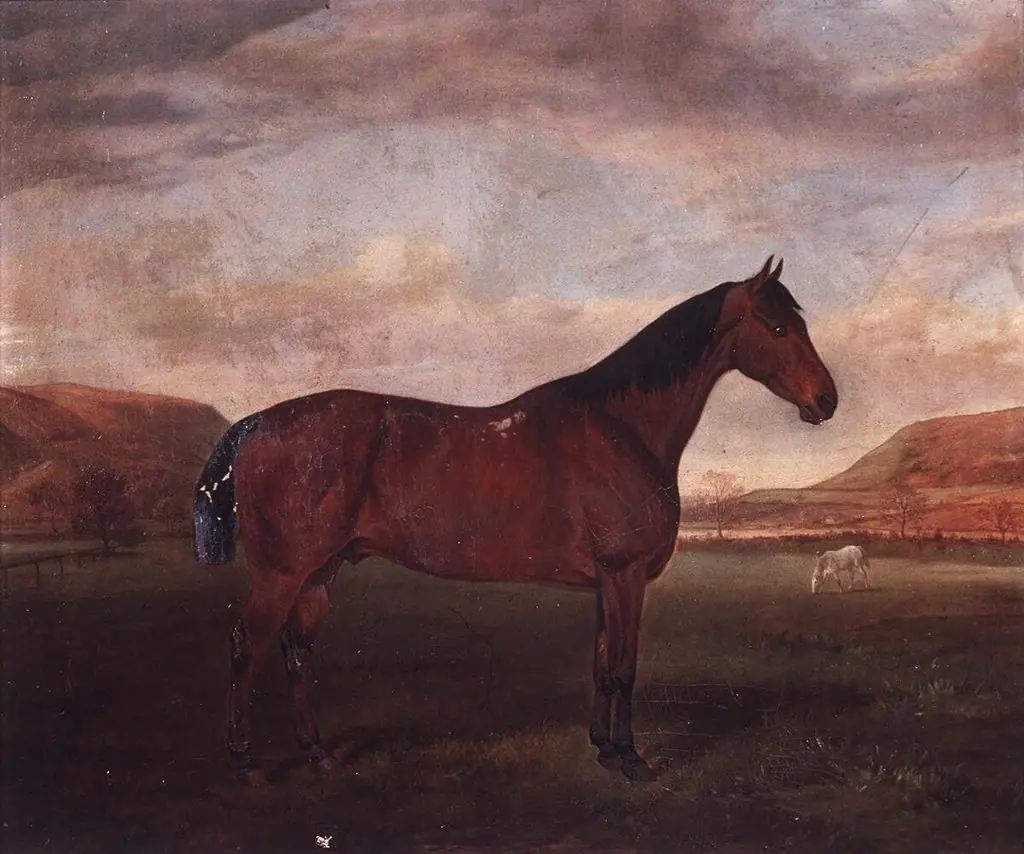 Portrait of a Hunter in landscape
 Cal
Cal Horse and dog in landscape
 Rappe in der Levade
 Parti fra Kiels omegn; ved åen der løber i skrå retning gennem billedet og udbreder sig noget mere i forgrunden ligger en lille landsby ved foden af en bakke, hvorigennem åen snor sig
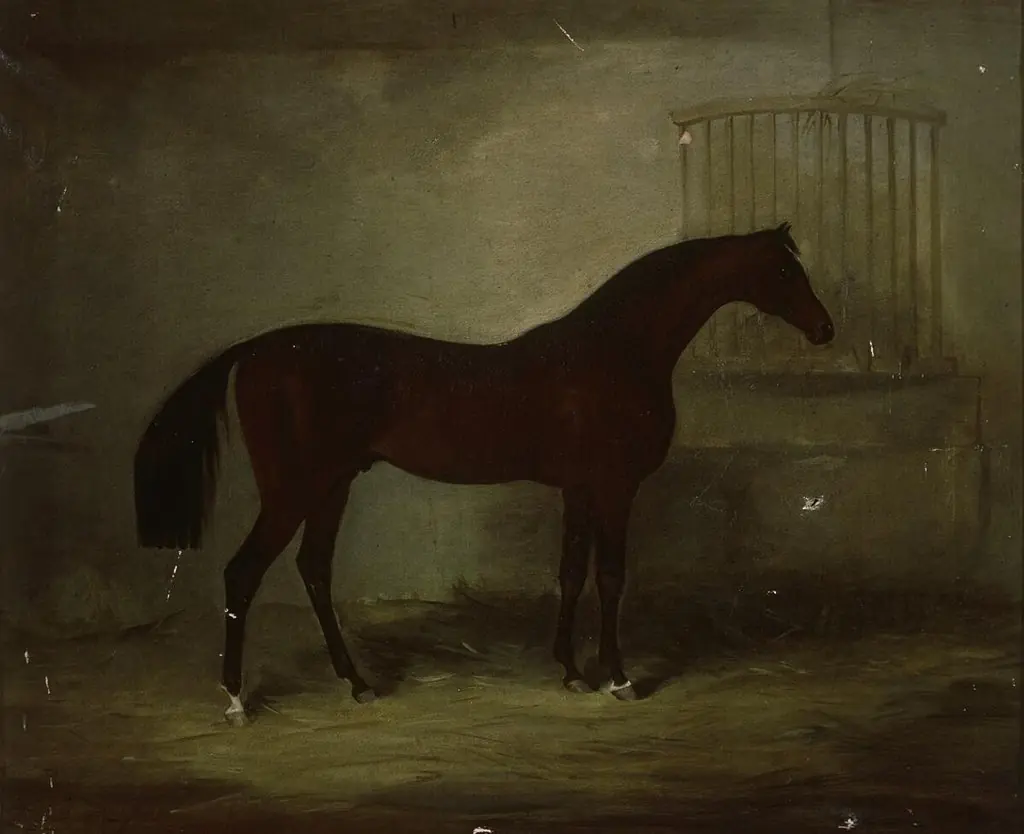 Buscot Buck in stable
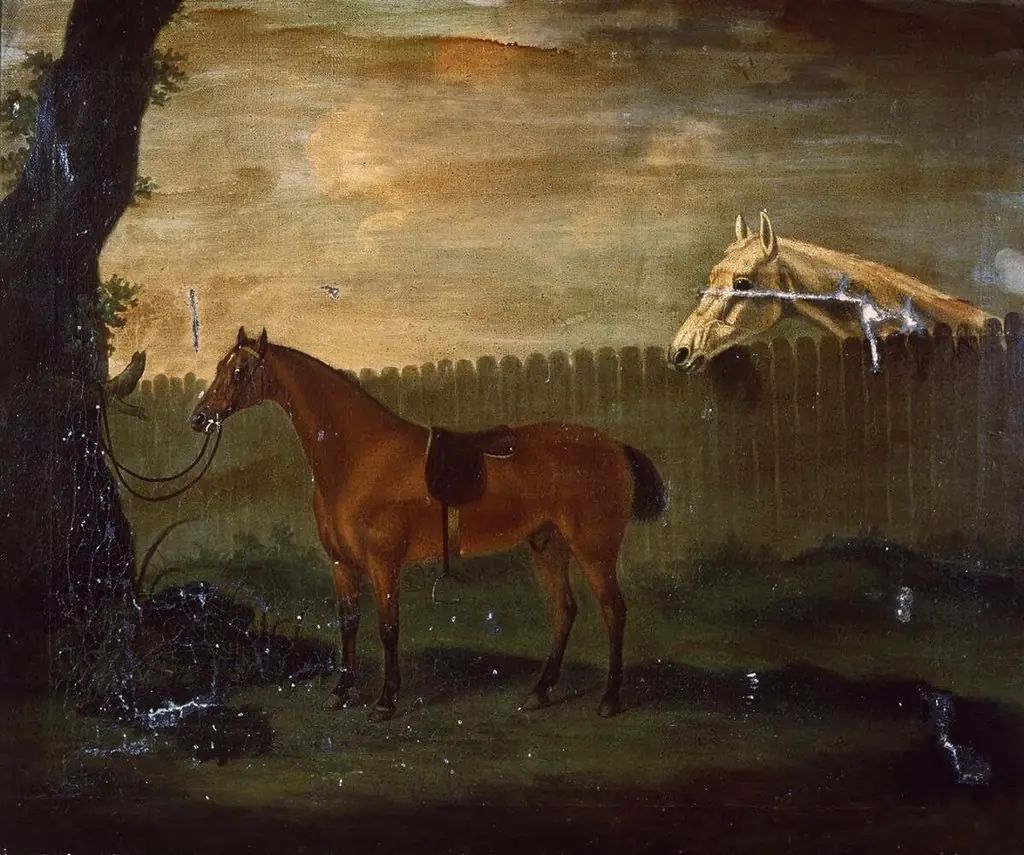 Portrait of hunter tied to tree
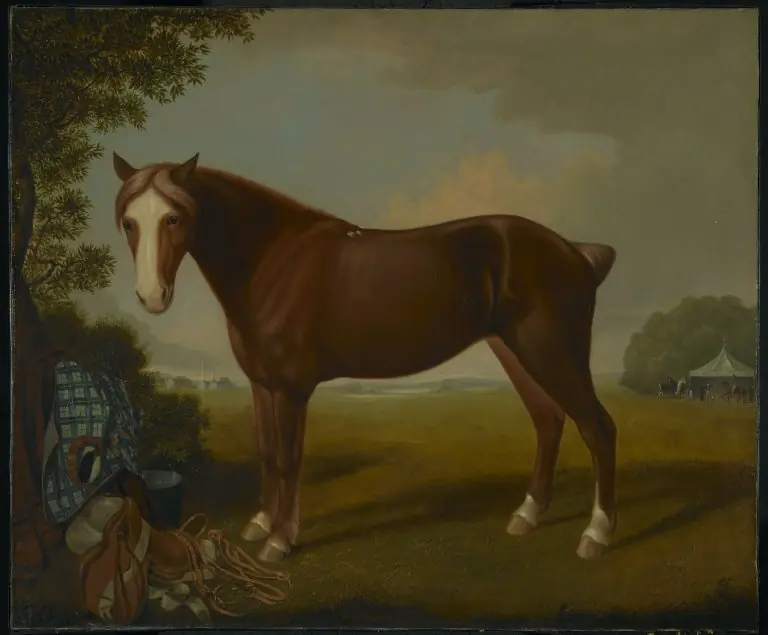 Portrait of a Horse
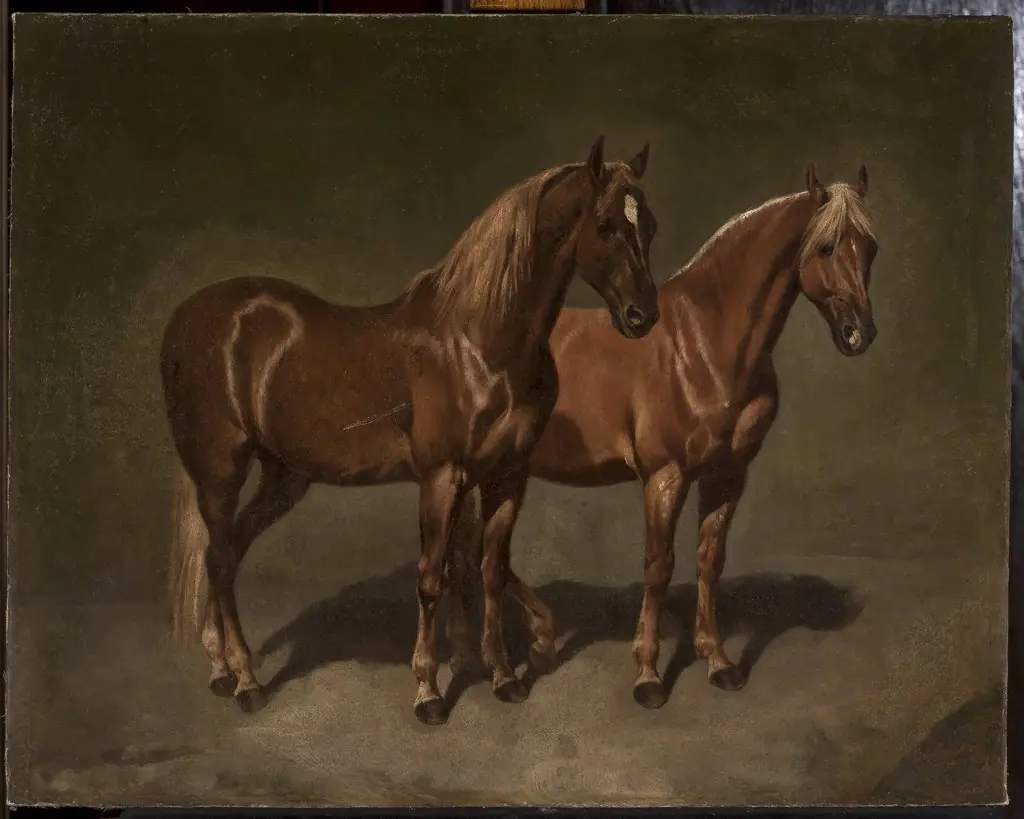 Two horses
 Portræt af en hvid- og gråblakket hingst