Artwork
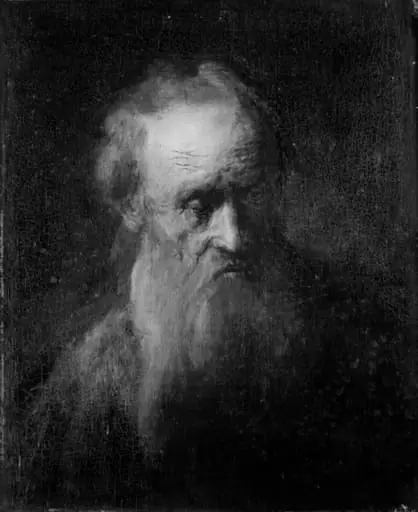
En olding med baret
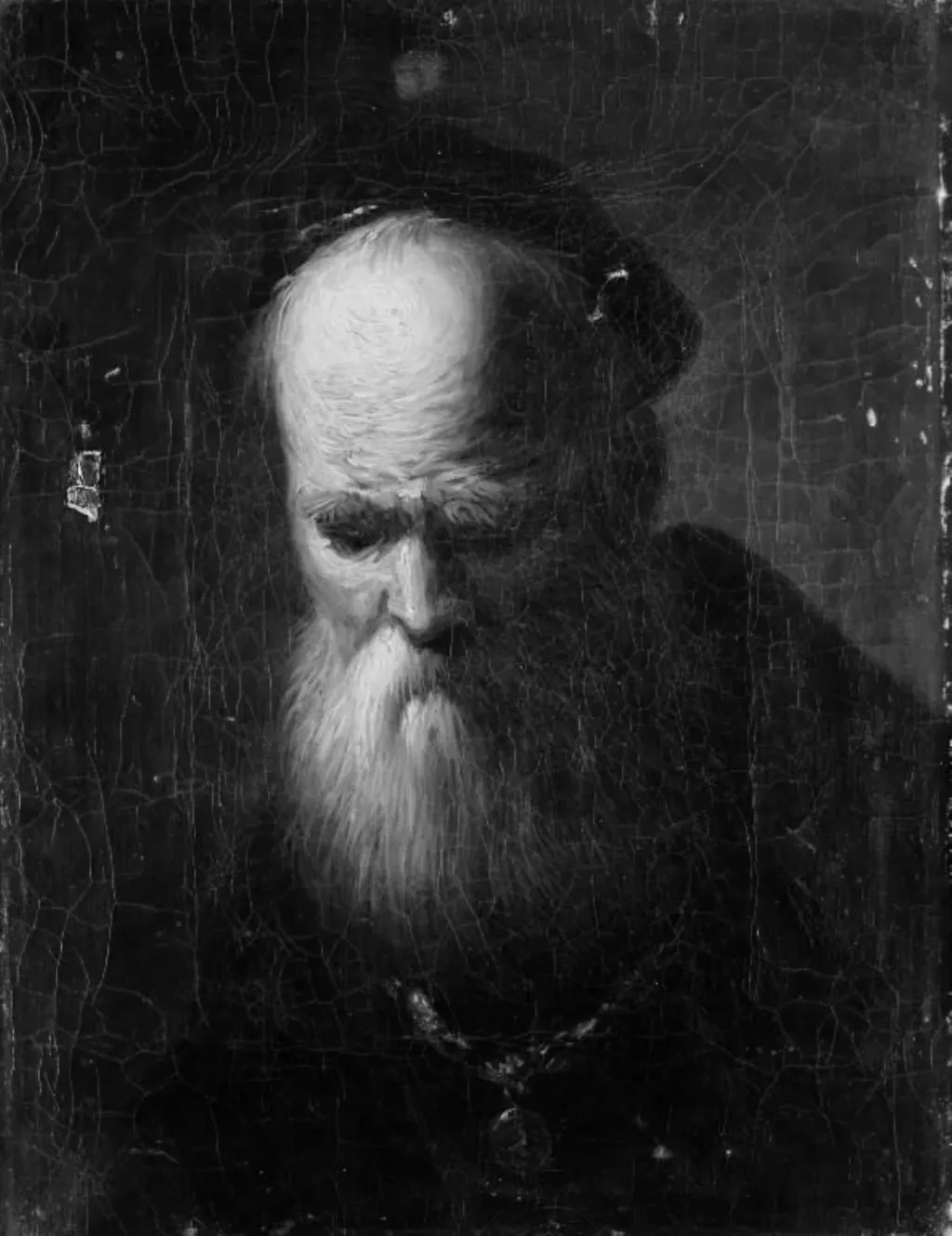
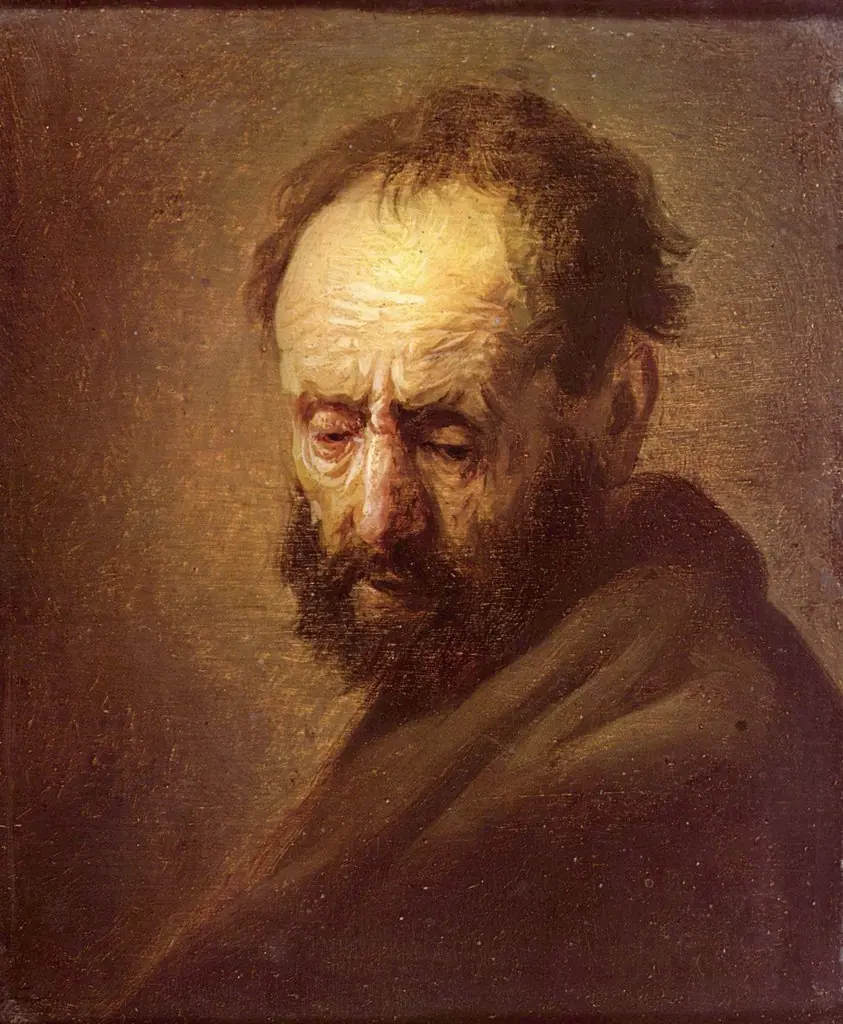
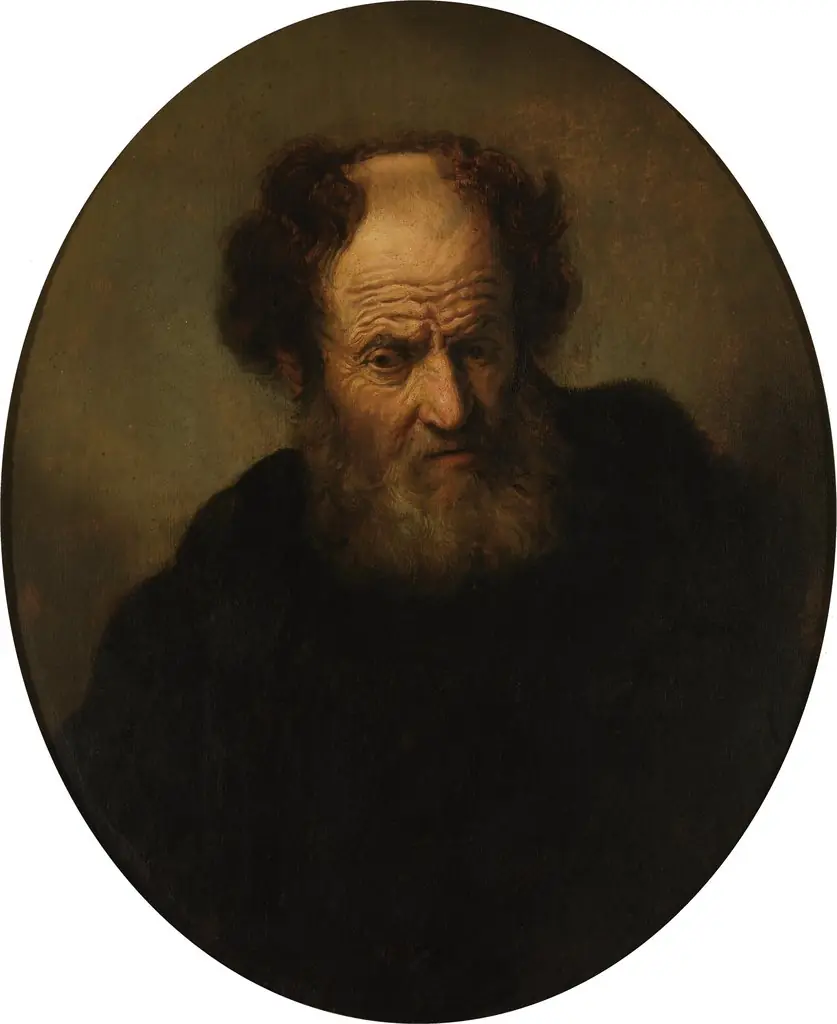
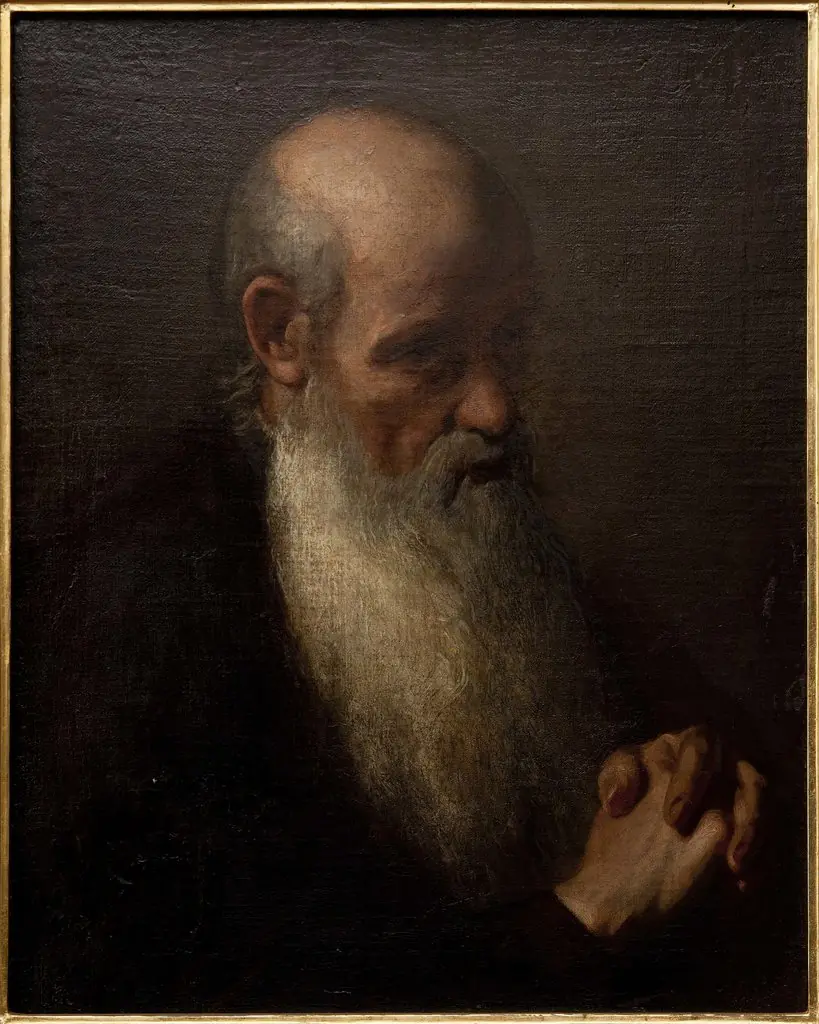
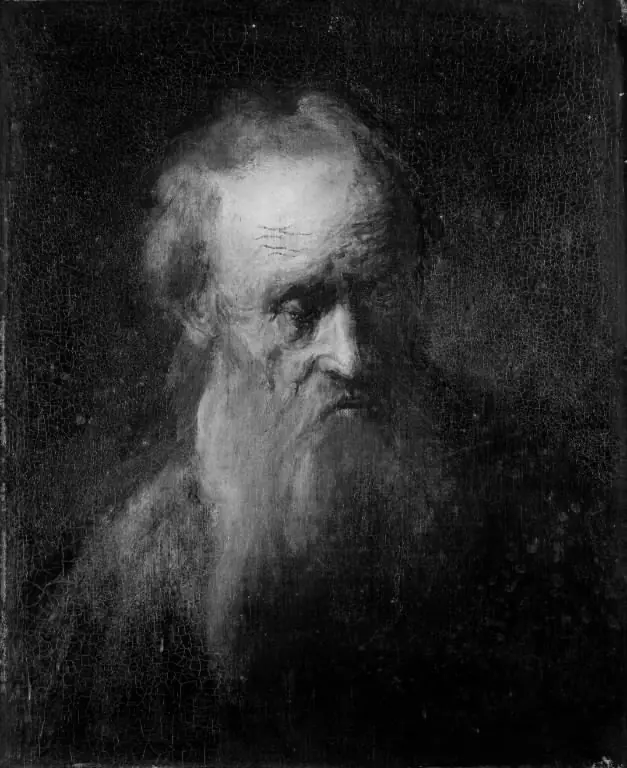
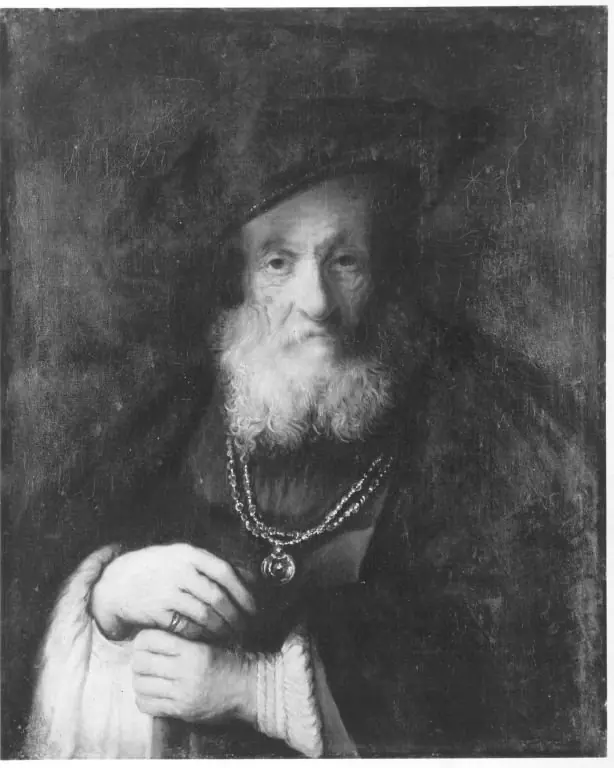
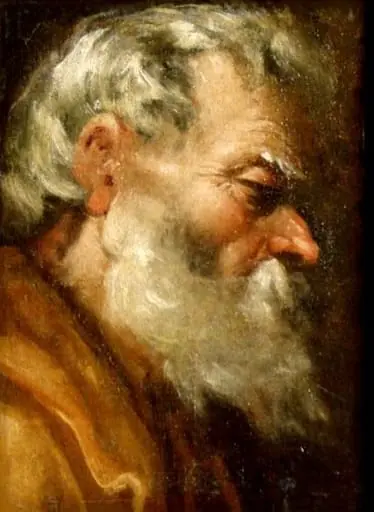
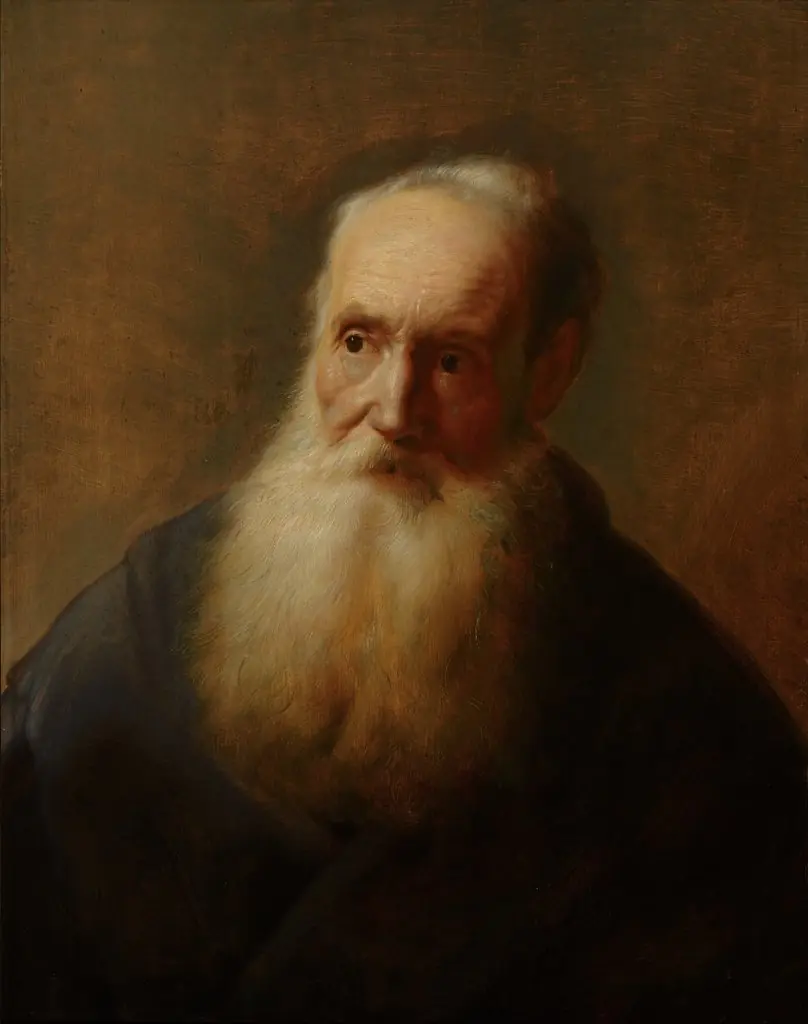
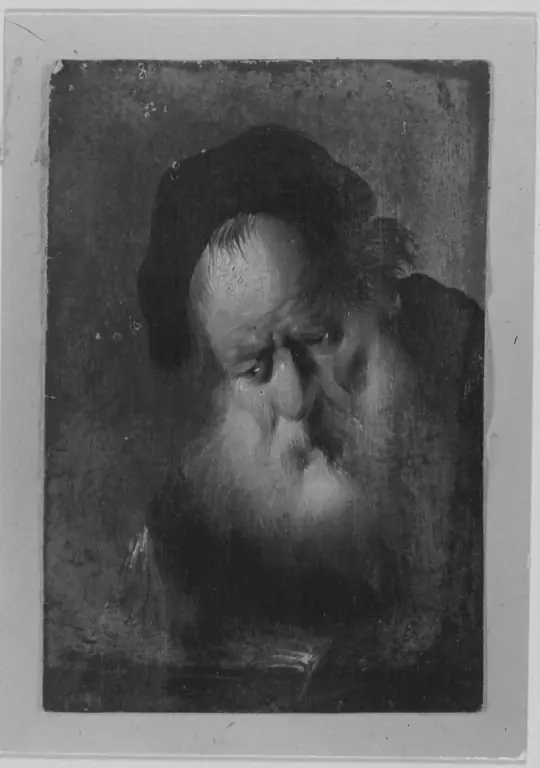
En olding med baret is a photography by Unknown. It dates from 1734 and is held in the collection of the Statens Museum for Kunst. Created around 1734, this black-and-white photograph depicts an elderly man with a shaved head and a long white beard.
About this work
Overview
Created around 1734, this black-and-white photograph depicts an elderly man with a shaved head and a long white beard.
Created around 1734, this black-and-white photograph depicts an elderly man with a shaved head and a long white beard. The image is held in the collection of the Museum of Ethnography. Its composition is unadorned, focusing solely on the subject’s face without theatrical lighting or stylized posing. The texture of the background suggests aged material, reinforcing the quiet, unembellished nature of the portrait.
Subject & Meaning
The subject is an older man, his closed or shadowed eyes and weathered features suggesting a life of experience. The absence of identifiers—name, title, or context—leaves his identity ambiguous, yet his presence feels intimate and grounded. The image conveys dignity through stillness rather than symbolism, inviting contemplation of age, anonymity, and human endurance.
Technique & Style
Rendered in monochrome, the photograph relies on subtle tonal contrasts to define form. The rough, uneven background contrasts with the smoothness of the skin and beard, drawing attention to facial texture. Lighting is even and flat, avoiding dramatic shadows. The close framing eliminates context, emphasizing the individual’s physical presence over narrative or environment.
History & Provenance
The photograph entered the collection of the Museum of Ethnography at an unknown date, likely as part of a broader ethnographic documentation effort. Its origin and the identity of the photographer remain undocumented. It was not created for public display but may have served as a record of a specific individual or cultural group during the early 18th century.
Context
In the early 1700s, photographic technology was in its infancy, and portraits of ordinary individuals—especially non-elite subjects—were rare. This image may reflect early attempts to document human diversity through visual means, predating formal ethnographic photography by over a century. Its simplicity aligns with observational practices common in pre-industrial visual records.
Legacy
Though not widely known, the image stands as an early example of direct, unmediated portraiture. Its lack of artifice offers a rare glimpse into how individuals outside elite circles were visually recorded before the rise of commercial photography. It contributes to a quieter, less celebrated strand of visual history focused on presence rather than performance.
Artist & collection

 Domestic Scene
 Giacomo and Cardinal Marco, investing Andrea, Abbot of San Zeno, with his Benefice
 The Nymph of Fontainebleau
 Portrait of a Woman
 Madonna and Child with Saints in the Enclosed Garden
 Venus and Minerva
 Family Group of Four on Sofa
 Wall painting from Room H of the Villa of P. Fannius Synistor at Boscoreale