Artwork
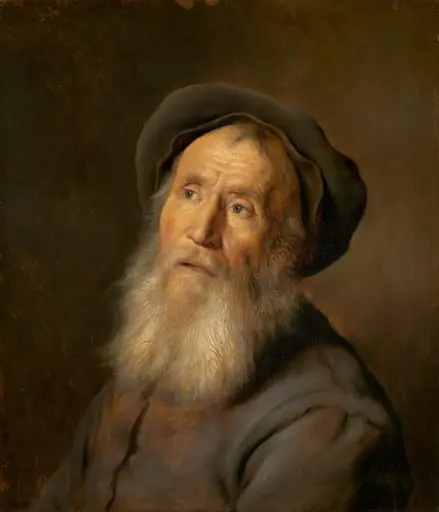
'Tronie' of an Old Man
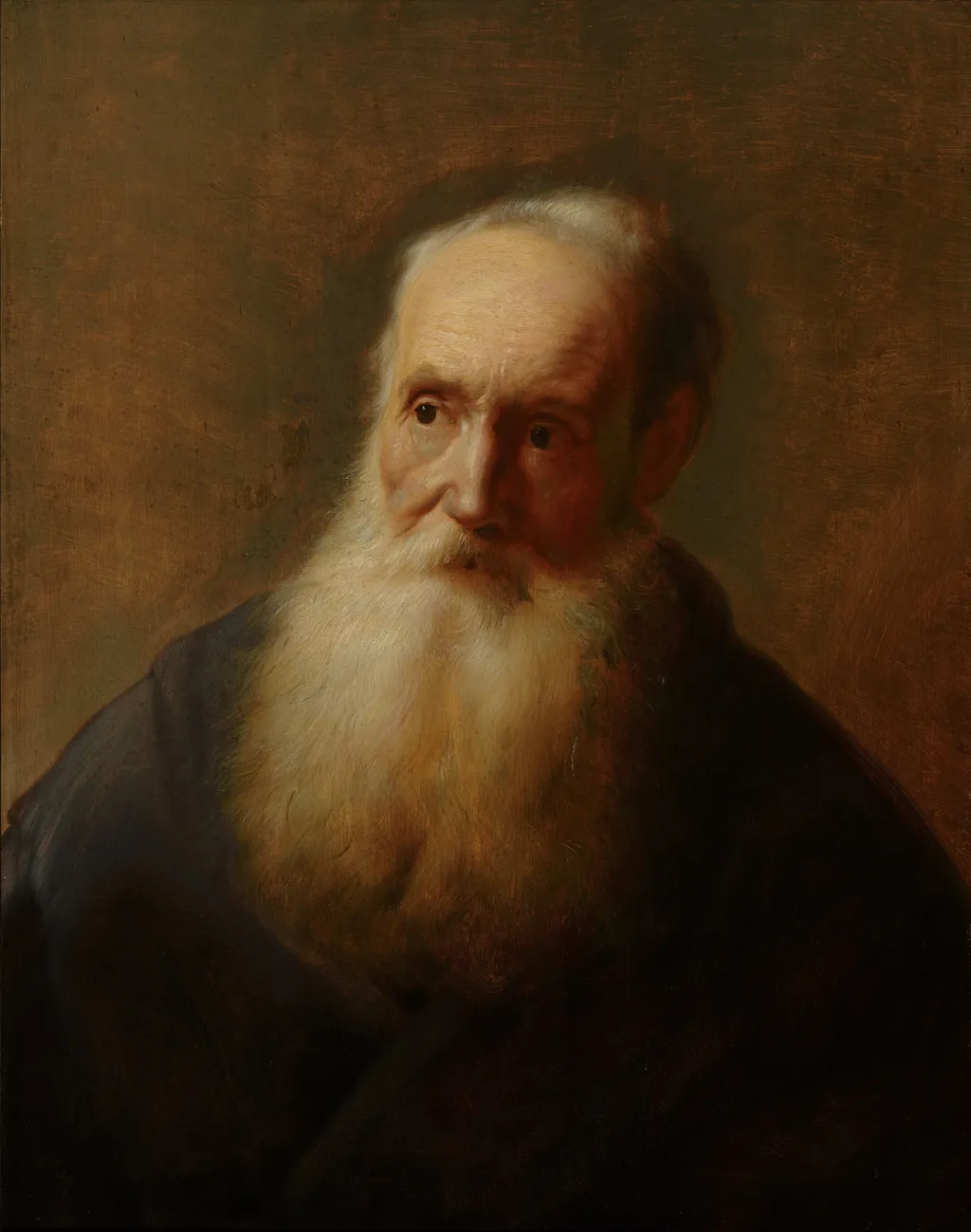
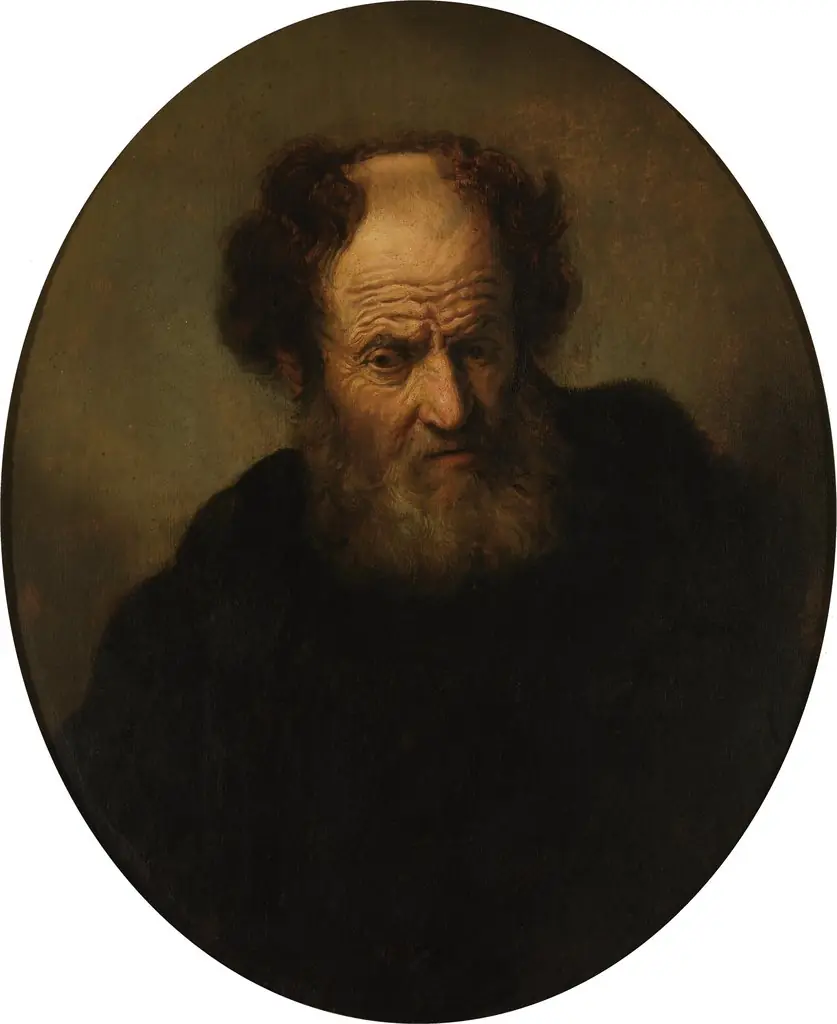
'Tronie' of an Old Man is an oil painting by the Dutch Golden Age artist Jan Lievens. It dates from 1650 and is held in the collection of the Mauritshuis.
About this work
Overview
Created around 1650 by Jan Lievens, a Dutch painter active during the Golden Age, this oil-on-canvas work presents a solitary elderly figure. The painting is part of the Mauritshuis collection in The Hague and exemplifies Lievens’s interest in expressive portraiture beyond formal commissions.
Subject & Meaning
The canvas portrays an old man with a largely bald scalp, a long white beard, and pronounced facial lines. The direct lighting highlights the texture of his skin and the depth of his wrinkles, suggesting a focus on the passage of time and the character of age rather than a specific individual identity.
Technique & Style
Lievens employs a chiaroscuro scheme, using a strong frontal light source against a dark background to model the face. The brushwork is refined, especially in the rendering of the beard and forehead, allowing subtle transitions between light and shadow while maintaining a smooth overall surface.
History & Provenance
Born in Leiden in 1607, Lievens trained in Amsterdam and shared early professional ties with Rembrandt. After a peripatetic career across Europe, the painting entered the Mauritshuis collection, where it remains on display as a representative example of his mid‑career output.
Context
During the mid‑17th century, Dutch artists often produced ‘tronies’—studies of facial types and expressions—intended as exercises in character study rather than formal portraiture. Lievens’s work fits within this tradition, reflecting contemporary interests in realism, light effects, and the psychological depth of ordinary subjects.
Own this work as a print
Artist & collection
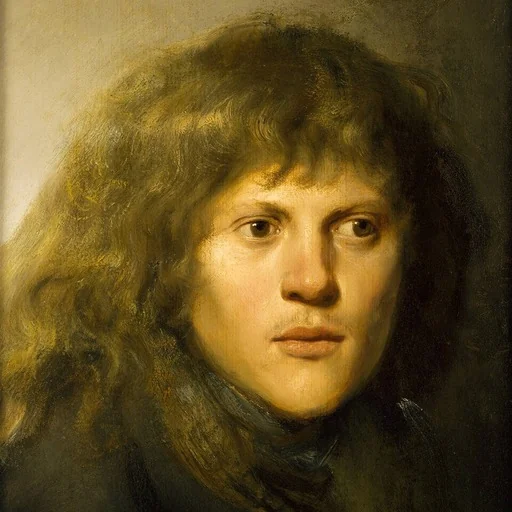
Artist
Jan Lievens (24 October 1607 – 4 June 1674) was a Dutch Golden Age painter who was associated with his close contemporary Rembrandt, a year older, in the early parts of their careers.