Artwork
Prinsesse Louise, Christian VI's datter
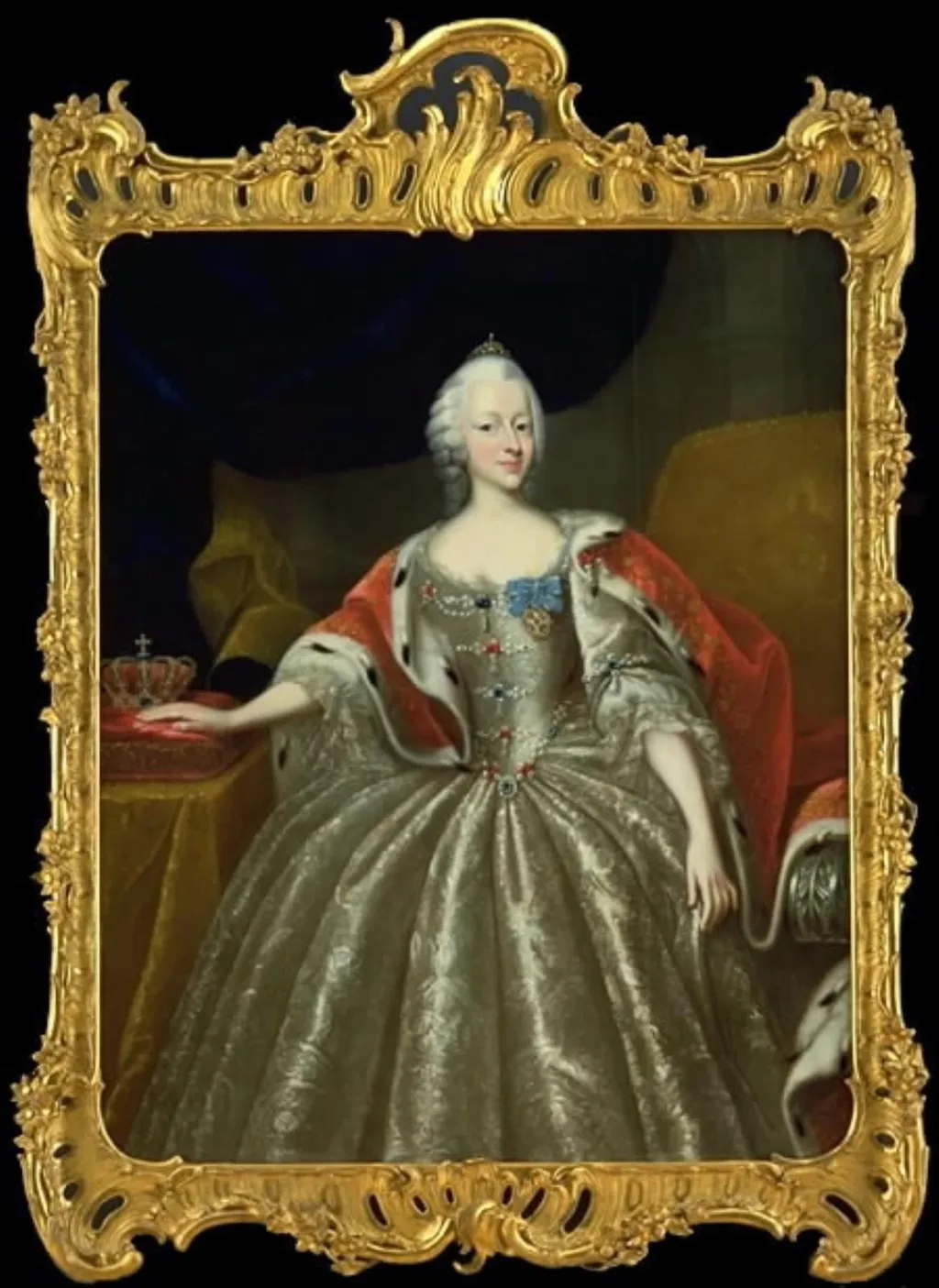
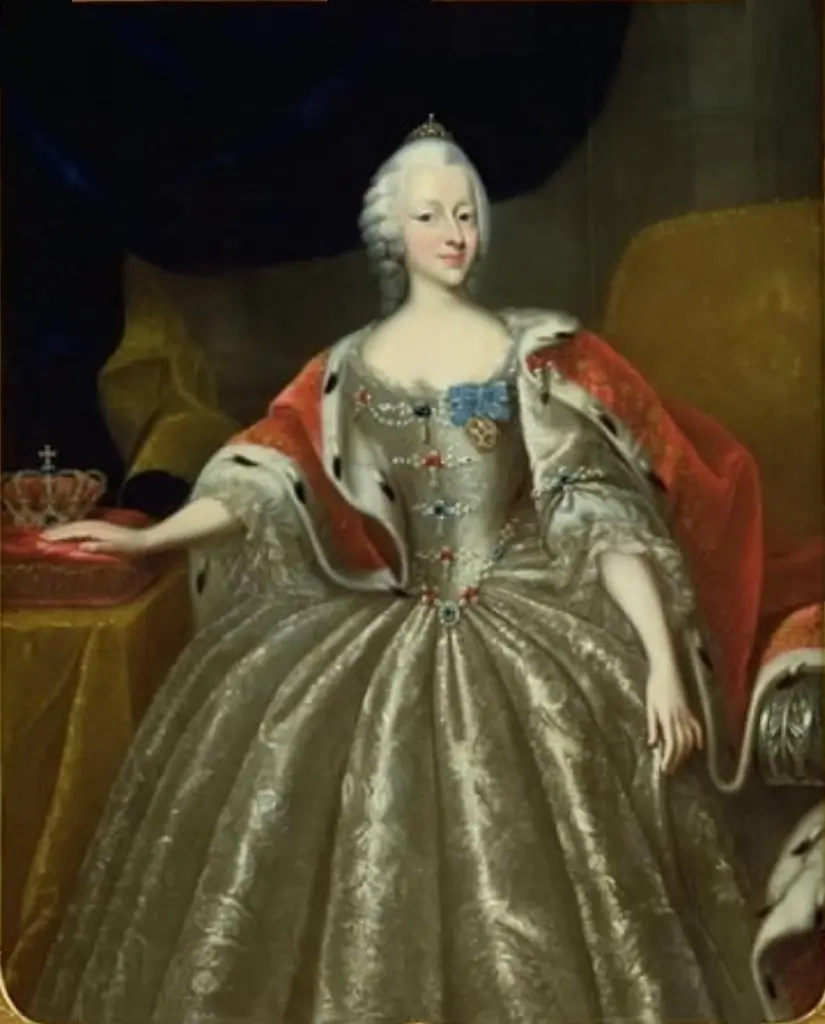
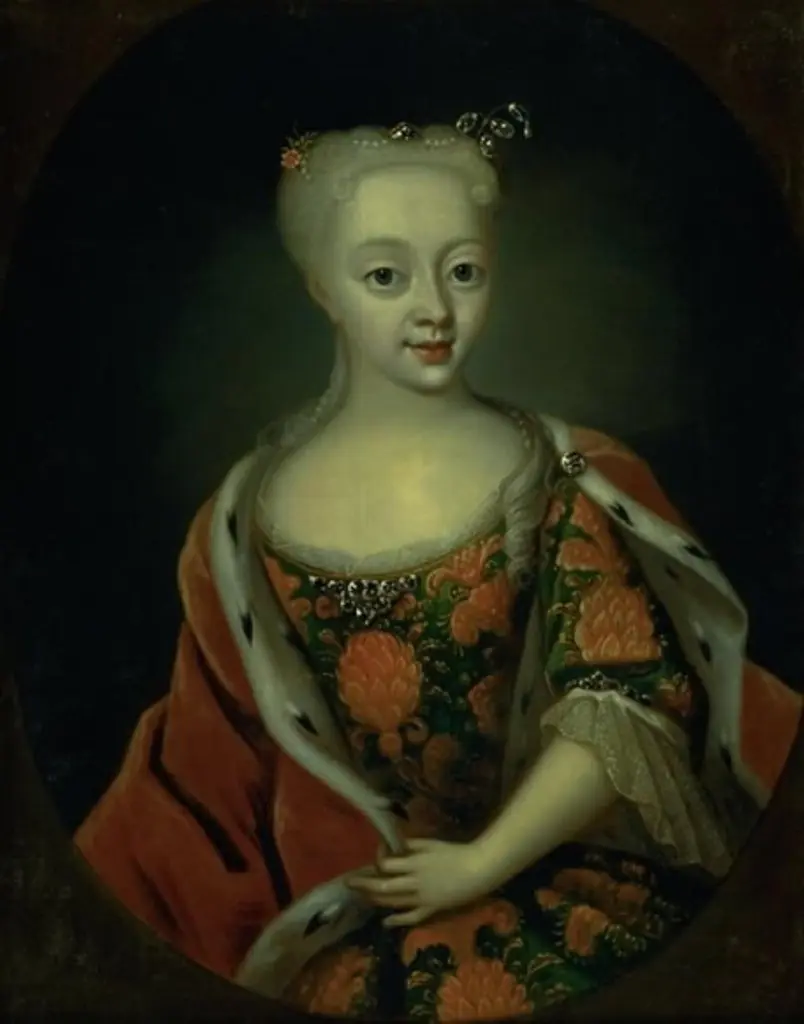
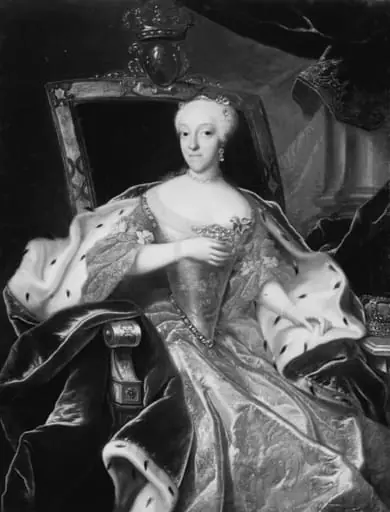
Prinsesse Louise, Christian VI's datter is a photography by Unknown. It dates from 1734 and is held in the collection of the Statens Museum for Kunst. This portrait depicts Princess Louise, daughter of King Christian VI of Denmark, painted around 1734.
About this work
Overview
The work presents the princess in formal court attire, emphasizing her royal status through symbolic elements and careful composition.
This portrait depicts Princess Louise, daughter of King Christian VI of Denmark, painted around 1734. Executed in oil on canvas, it is part of the collection at the Museum of Ethnography. The work presents the princess in formal court attire, emphasizing her royal status through symbolic elements and careful composition. The artist employs lighting to isolate the figure, enhancing the dignity of the subject.
Subject & Meaning
Princess Louise is portrayed not merely as an individual but as a representative of dynastic authority. Her crown, the additional crown on the table, and the rich red cape signify her position within the royal lineage. The composed posture and restrained expression convey the expected decorum of noble women in early 18th-century Denmark, reinforcing the political and social weight of her identity.
Technique & Style
The painting uses chiaroscuro to model the figure with subtle gradations of light and shadow, giving volume to the fabric and form. The gold embroidery of her dress is rendered with precision, while the red cape contrasts sharply against the darker background. The table and crown are arranged to frame the figure, creating a balanced, hierarchical composition typical of court portraiture of the period.
History & Provenance
Commissioned during Christian VI’s reign, the portrait likely served to affirm royal presence and continuity. It entered the Museum of Ethnography’s holdings in the late 19th or early 20th century, possibly through state transfer or donation. Its placement in an ethnographic institution reflects historical collecting practices that blurred boundaries between art and cultural artifact.
Context
In the 1730s, Danish court portraiture emphasized solemnity and lineage over individual expression. Louise’s image aligns with broader European trends where royalty was depicted through inherited symbols—crowns, rich textiles, and formal poses—to legitimize power. The absence of overt narrative or landscape grounds the focus entirely on her status as a royal daughter within a rigid monarchical structure.
Legacy
The portrait remains a key visual document of Danish royal representation in the early Enlightenment. While not widely exhibited, it contributes to scholarly understanding of how gender, status, and authority were visually codified in Nordic courts. Its preservation in an ethnographic context invites reflection on how institutions classify and interpret royal imagery across time.
Artist & collection

 Domestic Scene
 Giacomo and Cardinal Marco, investing Andrea, Abbot of San Zeno, with his Benefice
 The Nymph of Fontainebleau
 Portrait of a Woman
 Madonna and Child with Saints in the Enclosed Garden
 Venus and Minerva
 Family Group of Four on Sofa
 Wall painting from Room H of the Villa of P. Fannius Synistor at Boscoreale