Artwork
Glaucus and Scylla
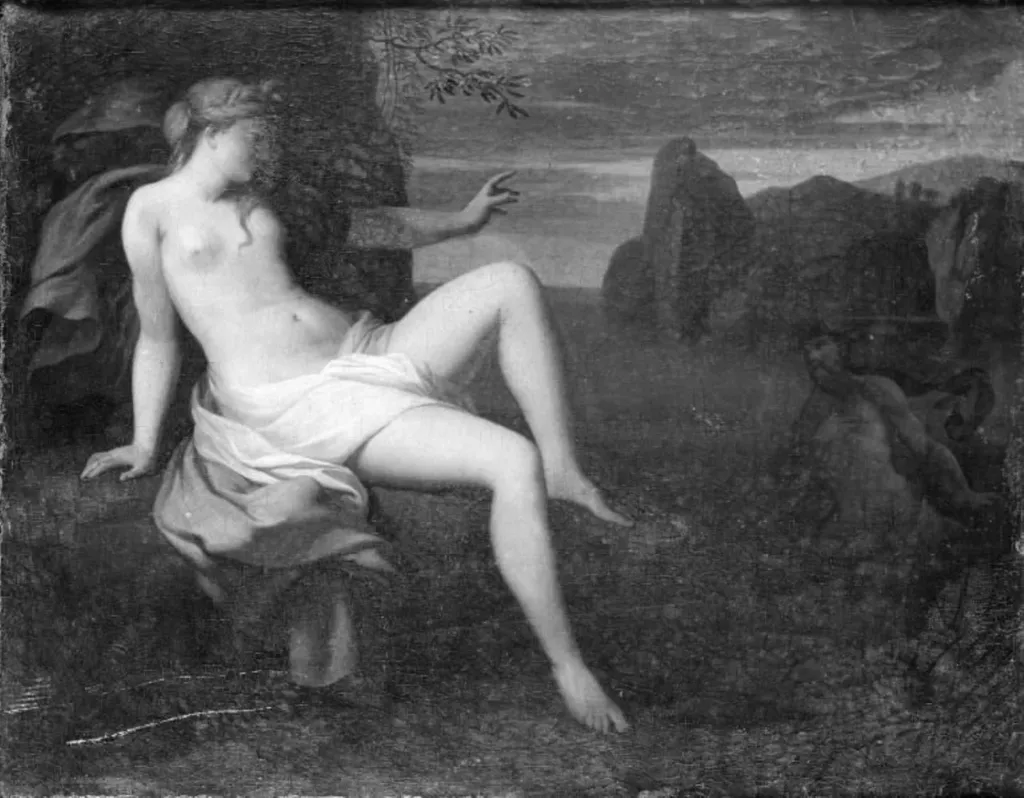
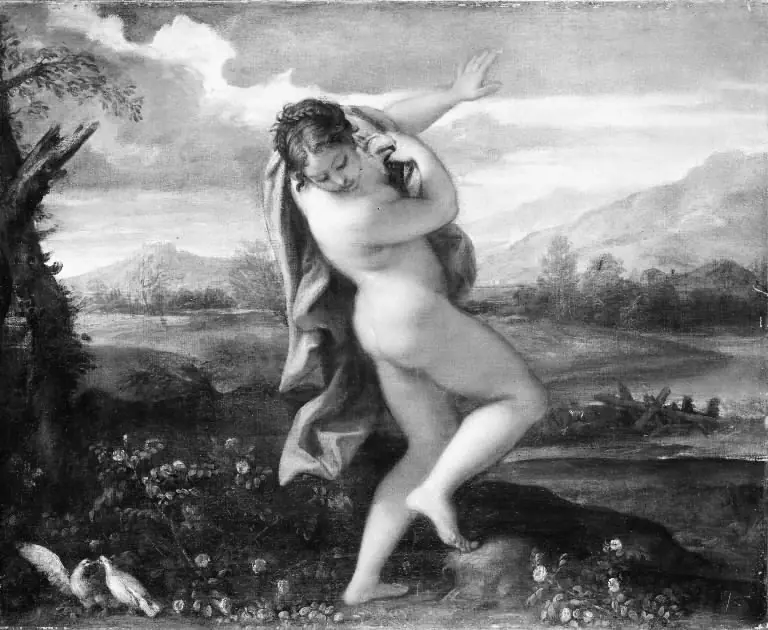
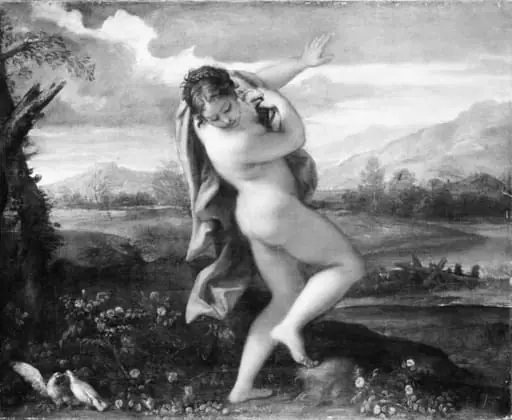
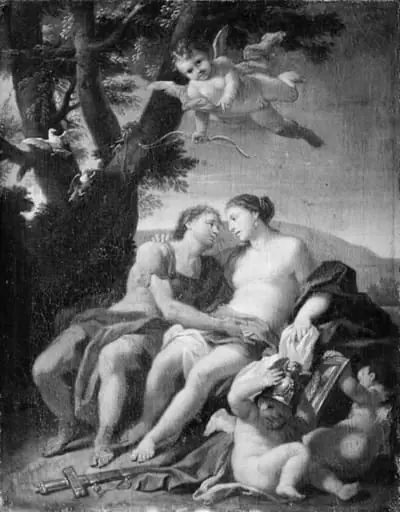
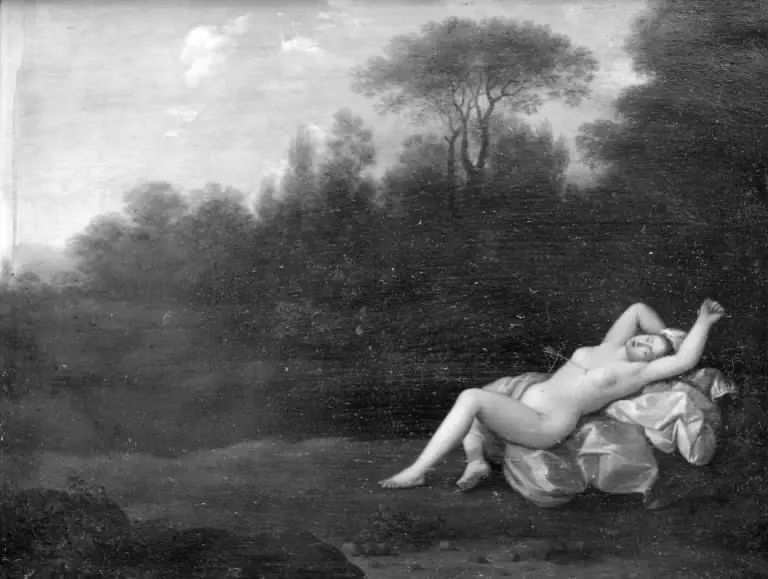
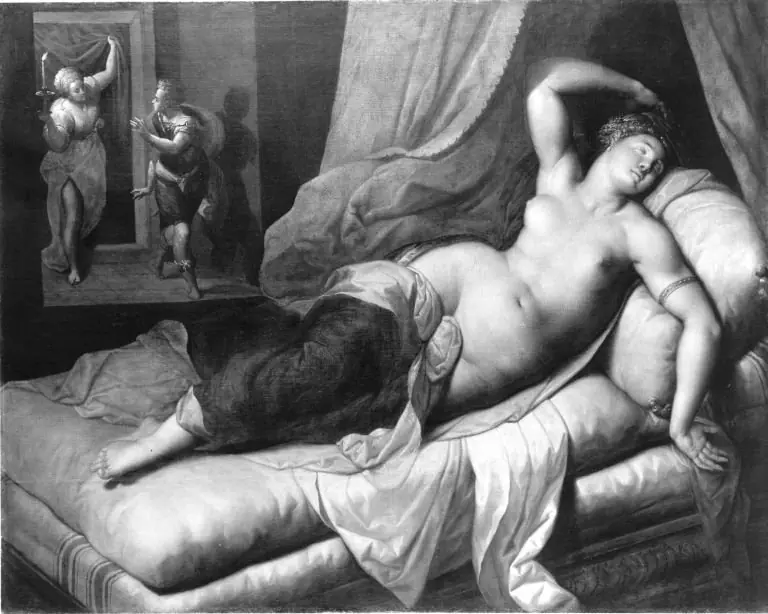
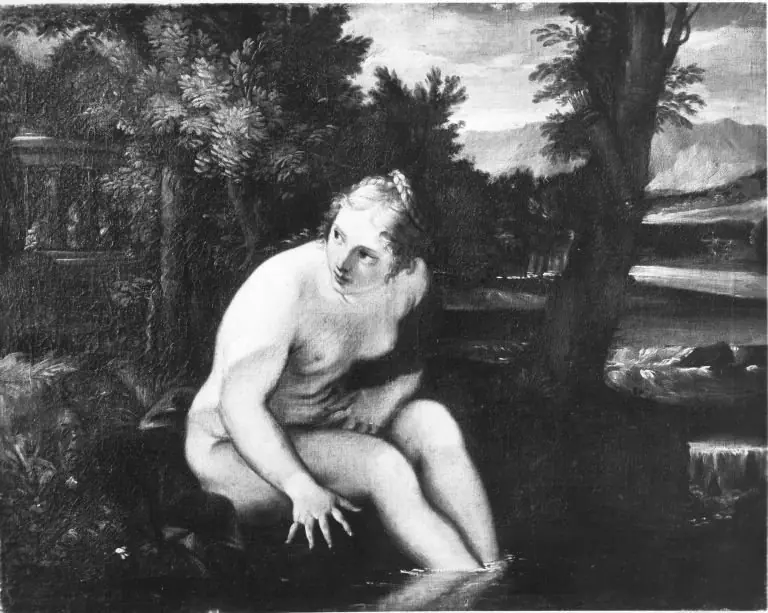
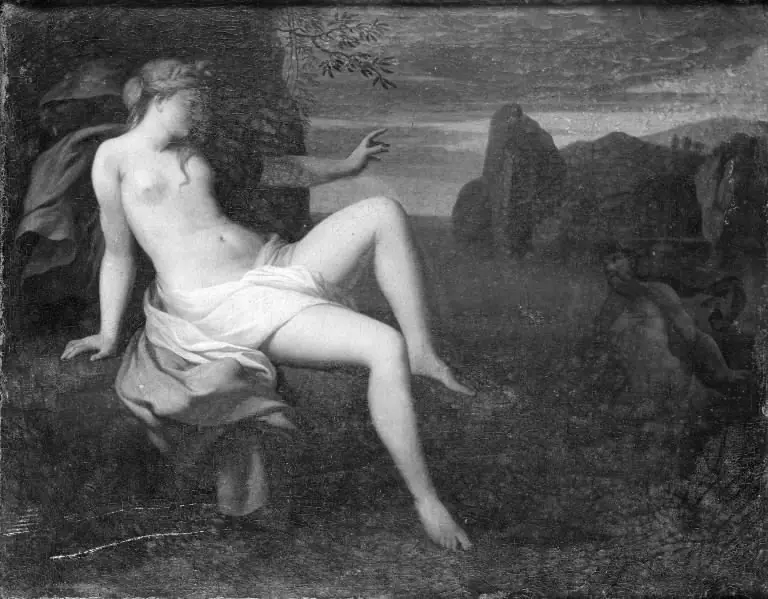
Glaucus and Scylla is a photography by Unknown. It dates from 1750 and is held in the collection of the Statens Museum for Kunst. Created around 1750, this image depicts a scene from classical mythology, rendered in monochrome.
About this work
Overview
The image’s high contrast and careful modeling suggest it reproduces a work grounded in Baroque or early Neoclassical traditions.
Created around 1750, this image depicts a scene from classical mythology, rendered in monochrome. Though the original artwork is lost, the photograph preserves its composition with clarity. It is part of the collection at the Museum of Ethnography, where it serves as a record of a now-unlocated painting. The image’s high contrast and careful modeling suggest it reproduces a work grounded in Baroque or early Neoclassical traditions.
Subject & Meaning
The scene illustrates the myth of Glaucus, a mortal fisherman turned sea god, and Scylla, a nymph transformed into a monster. Glaucus kneels in supplication, while Scylla, depicted with wings, looms above him. The moment captures his desperate plea for her love, unaware of her impending transformation. The composition emphasizes emotional tension and divine intervention, common themes in mythological narratives of the period.
Technique & Style
The photograph reveals strong chiaroscuro, with dramatic lighting sculpting the figures’ forms against a dark, undefined background. The draped fabrics and muscular anatomy suggest a study in classical idealism, while the sharp transitions between light and shadow indicate a painterly source. The rendering of skin and fabric texture implies a focus on tactile realism, characteristic of 18th-century academic traditions.
History & Provenance
The original painting’s whereabouts are unknown; only this photographic reproduction survives. It entered the Museum of Ethnography’s holdings as part of a collection documenting visual interpretations of classical myths. The photograph likely dates from the late 19th or early 20th century, when such reproductions were commonly made for scholarly and educational use.
Context
In the mid-18th century, mythological subjects remained popular among European artists, often used to explore human emotion and divine power. This image reflects a broader trend of reviving classical narratives through idealized forms. The choice of Glaucus and Scylla, a lesser-known tale, suggests an interest in obscure myths, possibly tied to literary or philosophical circles of the time.
Legacy
Though the original painting is lost, this photograph preserves its visual language for study. It contributes to the understanding of how classical myths were interpreted in the 18th century and how photographic reproduction later became a tool for preserving cultural artifacts. The image remains a reference point for scholars examining the transmission of mythological imagery across media.
Artist & collection

 Domestic Scene
 Giacomo and Cardinal Marco, investing Andrea, Abbot of San Zeno, with his Benefice
 The Nymph of Fontainebleau
 Portrait of a Woman
 Madonna and Child with Saints in the Enclosed Garden
 Venus and Minerva
 Family Group of Four on Sofa
 Wall painting from Room H of the Villa of P. Fannius Synistor at Boscoreale