Artwork
Glaucus and Scylla
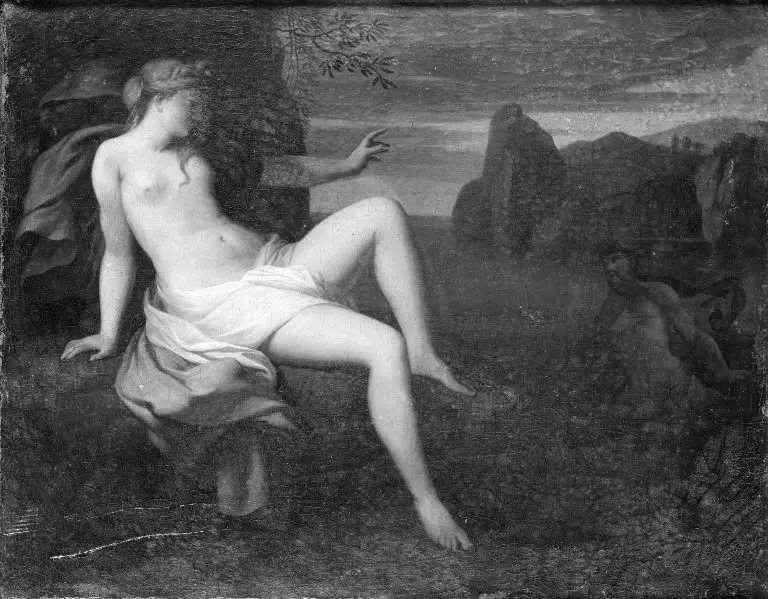
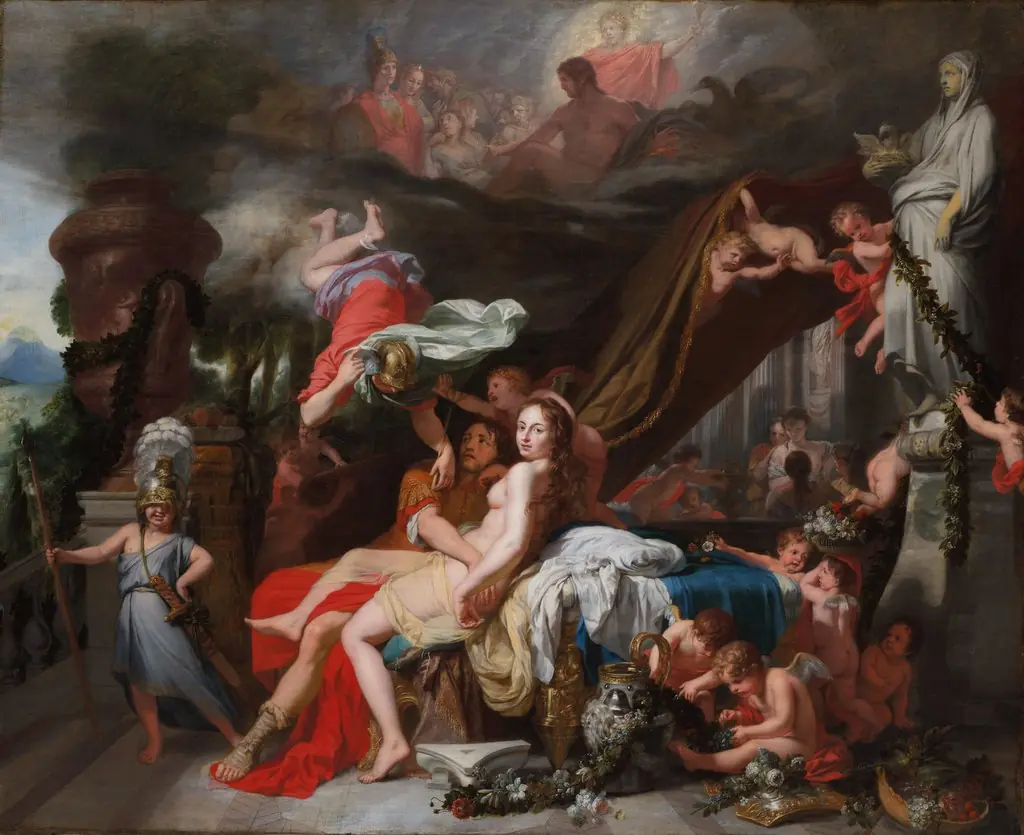
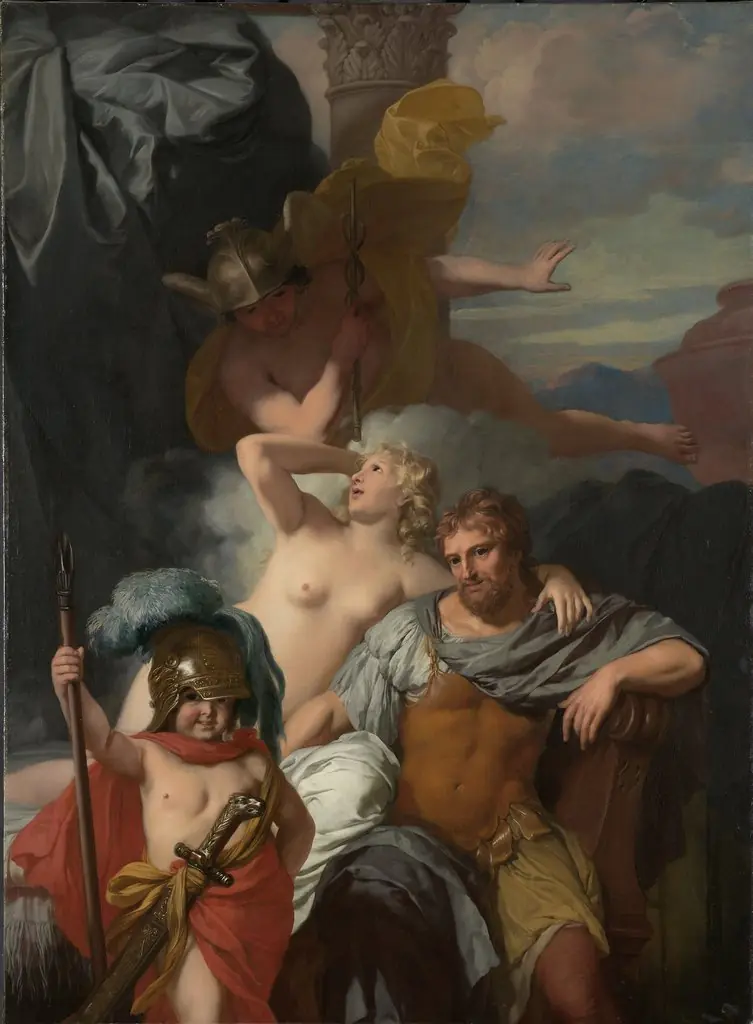
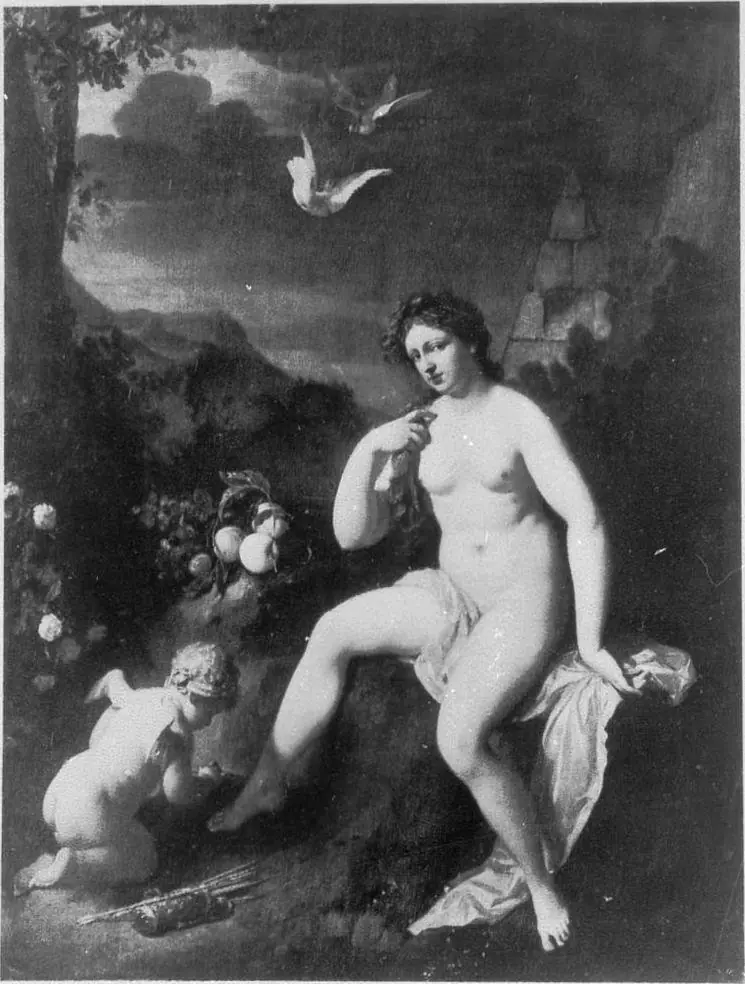
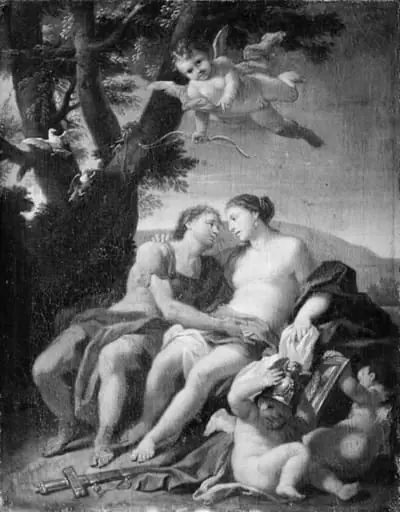
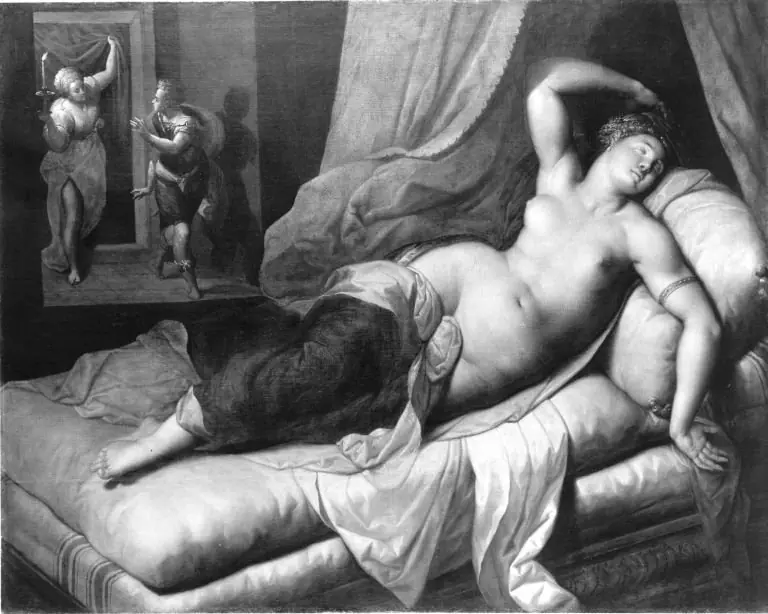
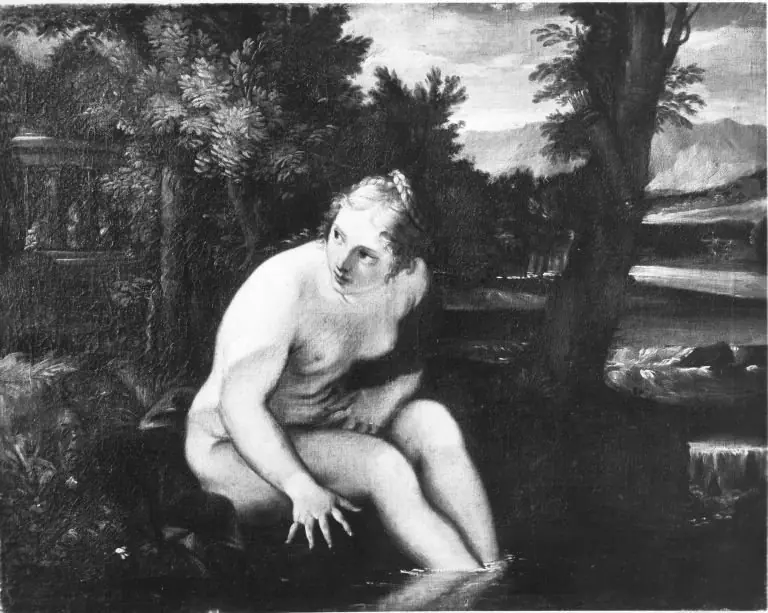
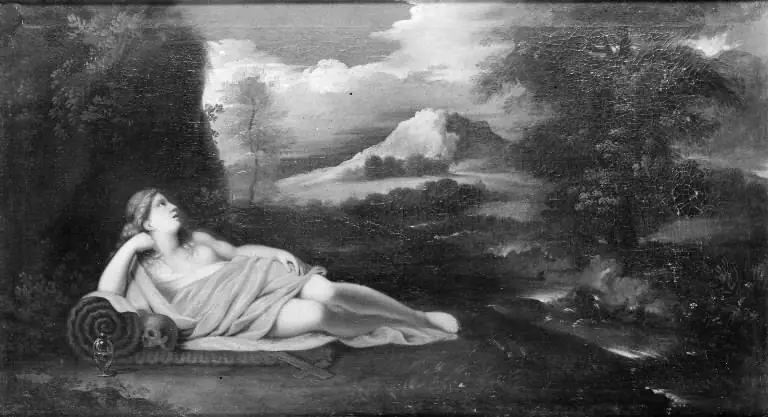
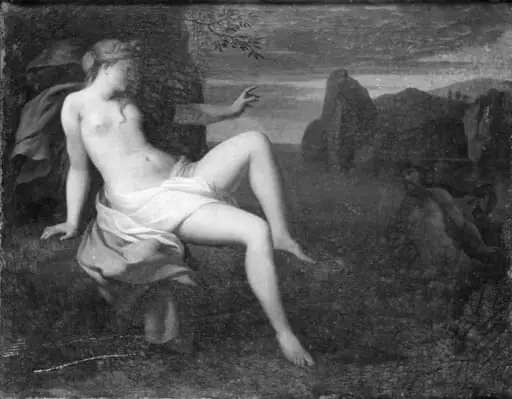
Glaucus and Scylla is an oil painting by the Flemish Baroque painting artist Gerard de Lairesse. It dates from 1692 and is held in the collection of the Statens Museum for Kunst.
About this work
Overview
Glaucus and Scylla is a 1692 oil painting by Dutch Golden Age artist Gerard de Lairesse, characterized by a structured, classical composition typical of the post-Rembrandt era.
Subject & Meaning
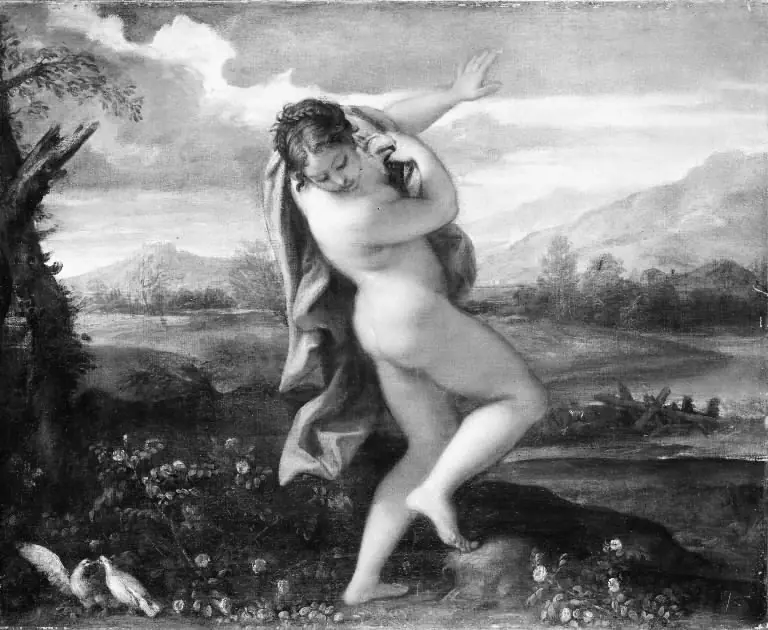
The painting depicts a woman, likely Scylla, in a contemplative pose on a rocky shoreline, with a secondary figure and natural backdrop suggesting a mythological narrative rooted in classical sources.
Technique & Style
De Lairesse's skillful use of oil paint is evident in the detailed, nuanced depiction of the subject and setting, reflecting his adherence to emerging Baroque trends that emphasized classical influences.
History & Provenance
Created in 1692, the work is now part of the Statens Museum for Kunst's collection, showcasing de Lairesse's contribution to the Flemish Baroque period.
Context
Influenced by Cesare Ripa's iconography and French Baroque painters like Charles le Brun, the painting embodies the artistic shift towards classical harmony following Rembrandt's demise.
Legacy
Glaucus and Scylla stands as a testament to de Lairesse's multifaceted talents and his impact on the Dutch Golden Age, inviting further exploration of his technical innovations and stylistic evolution.
Artist & collection
Artist
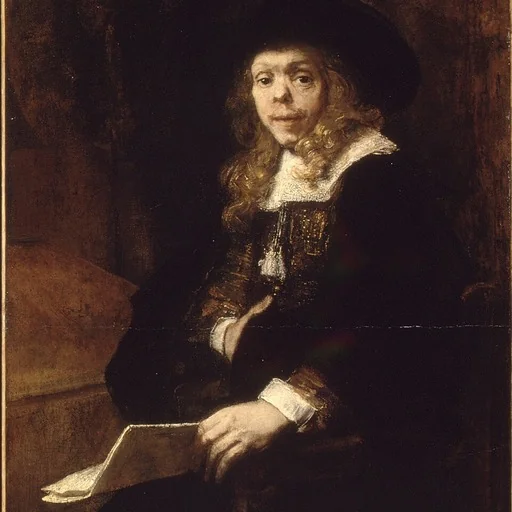
Gerard or Gérard (de) Lairesse (French pronunciation: ; 11 September 1641 – June 1711) was a Dutch Golden Age painter and art theorist.